








Introduction:Suddenly craving a pour over coffee, only to realize you’ve forgotten your filter cone, paper, and gooseneck kettle? Actually, with the right technique, you can still brew a delicious cup of coffee using common household items — even without specialized equipment. This article introduces four practical alternatives, from simple DIY filter setups to stovetop brewing methods, complete with detailed parameters and real flavor experiences to help you easily handle unexpected situations and enjoy a well-rounded cup of coffee.
Whether traveling home for the holidays or on a trip, it’s easy to find yourself wanting coffee but missing essential tools. No filter cone? Filter paper run out? Or perhaps your pour over kettle is nowhere to be found. Does that mean you can’t enjoy a good cup of coffee? The answer is no. As long as you have ground coffee and hot water at hand, you can still extract satisfying flavors using the following four creative methods.
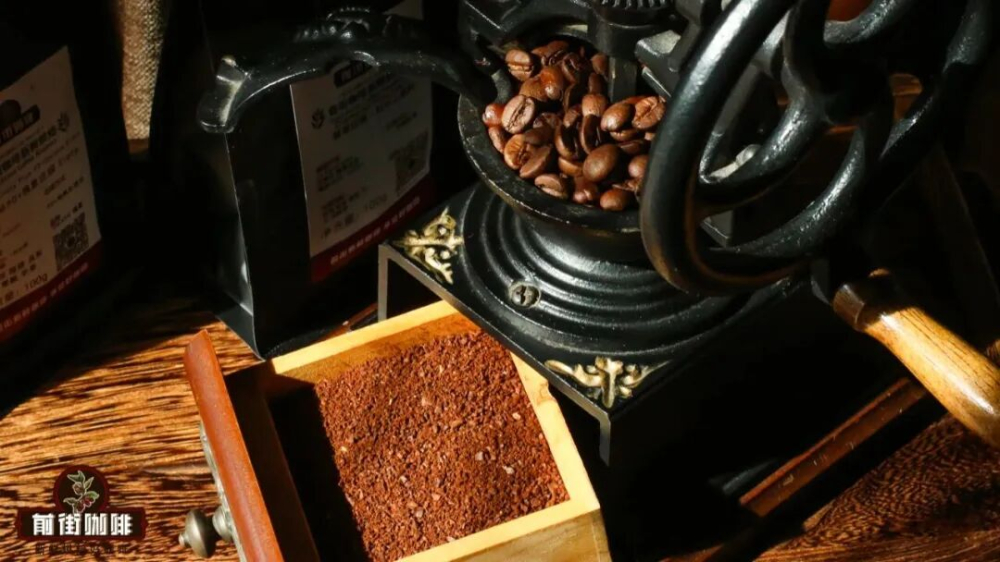
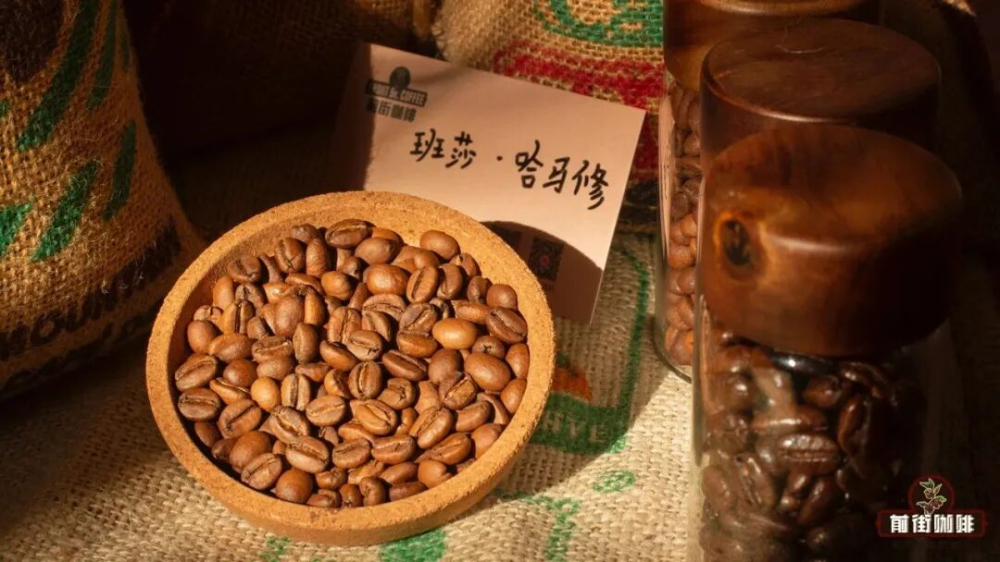
For this test, we used the highly praised Hamashu Natural, a coffee bean that clearly showcases tropical fruit and berry notes, along with honey sweetness and a subtle black tea aftertaste. It serves as an excellent reference standard for various brewing methods. Its recommended grind size is similar to that of fine sugar. If using a Chinese No. 20 sieve, the filtration rate is about 80%. On a hand grinder, this corresponds roughly to C40 scale 24 or EK43s scale 10.

Among various unexpected situations, the most common are leaving the filter cone in your rental, running out of filter paper, or misplacing your pour over kettle. In such cases, everyday items like chopsticks, teapots, cooking pots, or even ordinary cups can be turned into makeshift brewing tools. The following four methods are tailored to different home environments and available tools, offering clear steps and practical parameters to help you brew coffee up to standard even without professional equipment.
Method 1: Chopstick-supported Filter Paper Method
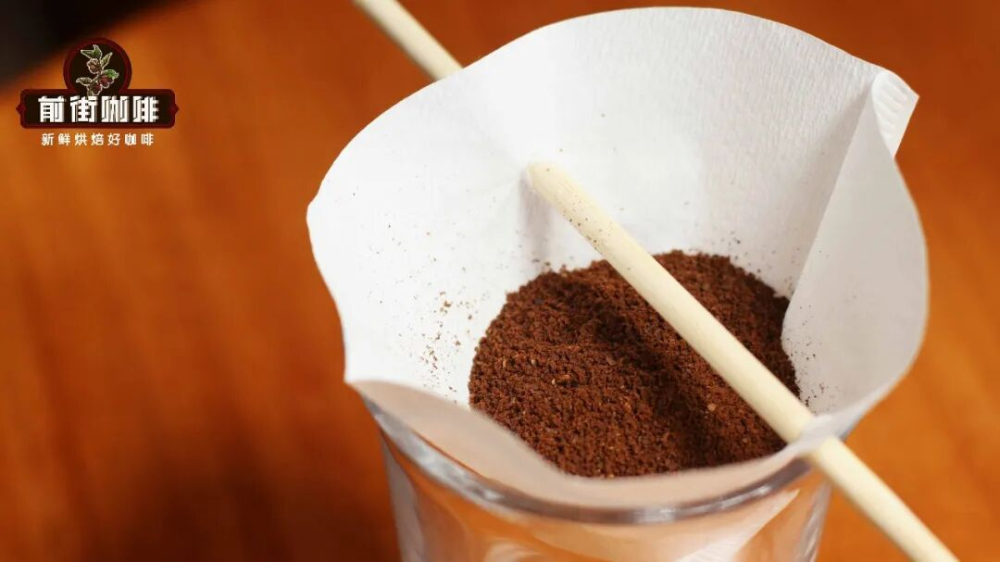
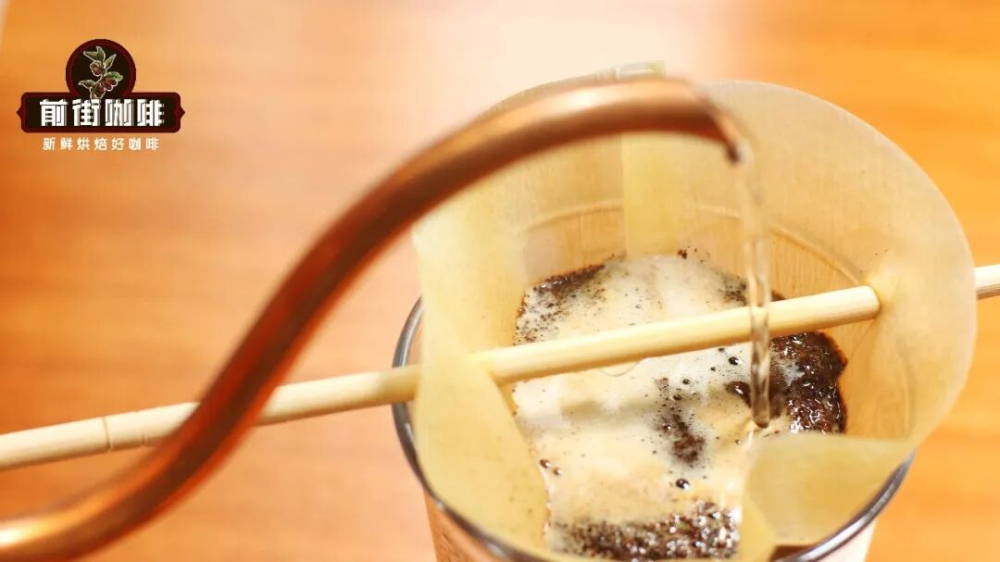
When you don’t have a filter cone but still have some filter paper, using chopsticks as a support to hold up the filter paper is a simple and effective solution.Steps:First, gently poke a hole two-thirds of the way through the filter paper with a chopstick, then carefully open and set it up on a sharing server or coffee cup. Next, add15 grams of coffee grounds(if you don’t have a scale, you can use the common spoon measurement method). After boiling water, it’s recommended to let it sit for about 1–2 minutes to cool down to88–93°C, then proceed with extraction using the pulse pouring method. Be especially mindful that once the filter paper is fully wet, its structural support weakens, so be gentle during pouring to avoid accidentally collapsing the filter. If using a regular household kettle, it’s best to pour small amounts of water multiple times to ensure stable extraction.

The coffee brewed with this method yields flavors close to traditional pour over, allowing you to distinctly perceive the signature berry and tropical fruit aromas of Hamashu, along with floral notes and honey sweetness. The taste is layered and clean overall, with a tea-like softness in the aftertaste. It’s a convenient and practical alternative.
Method 2: Teapot Steeping Method
For most Chinese households, a teapot is almost a staple kitchen item. Using a teapot to steep coffee is not only simple but also allows for quick extraction.How-to:Place10 grams of coffee grounds(adjustable according to the size of your teapot) into a Yixing clay teapot or any other teapot, then pour in150–200 grams of hot water, with the water temperature recommended to be around90–95°C. Start the timer and let it steep for3 minutes, then pour out all the coffee liquid to enjoy.
The Hamashu brewed with this method has an overall mellow taste, with relatively reserved aroma but bright acidity. You can clearly taste the natural flavors of orange and berries, making it ideal for those who prefer a refreshing cup.
Method 3: Cooking Pot Coffee Method
Though it may sound a bit bold, using a cooking pot to brew coffee is indeed one of the easiest methods to execute at home. All you need is a cooking pot, heat source, water, and coffee grounds.Process:Add300 milliliters of waterto the cooking pot and heat it until small bubbles begin to form on the surface. Quickly add15 grams of coffee groundsand immediately start the timer (recommended coffee-to-water ratio:1:17 to 1:20). Once the coffee starts boiling, reduce the heat to low and gently stir clockwise with a small spoon to ensure the grounds are fully mixed with the water. After about2 minutes, turn off the heat, then use a cloth or strainer to filter out larger coffee grounds. Let it sit briefly until the fine grounds settle before drinking.
The resulting Hamashu from this method is rich in flavor and has noticeable fine particle texture, yet you can still enjoy the complex aromas of berries, black tea, and caramel, with more prominent acidity. It suits those who enjoy bold flavors.
Method 4: Direct Immersion Method
Inspired by the cupping process, this method works when you have absolutely no teapot, filter paper, or cooking pot. Aside from coffee grounds and hot water, you only need two cups and a spoon.Steps:Pour the coffee grounds and hot water into a cup, stir evenly, and let it sit for3 minutes. During this time, use the spoon to carefully skim off any floating coffee particles on the surface, avoiding disturbing the settled grounds. At4 minutes, slowly pour the clear coffee liquid from the top along the side of the cup into another cup to complete the brewing process.
The Hamashu made with this method may have a slight sediment feel, but it still showcases delicate flavors like guava, orange, citrus, and floral notes. The taste is round and naturally sweet, making it a highly creative and simple alternative.

The above content is compiled by CoffeeHunters, a coffee news website.


