







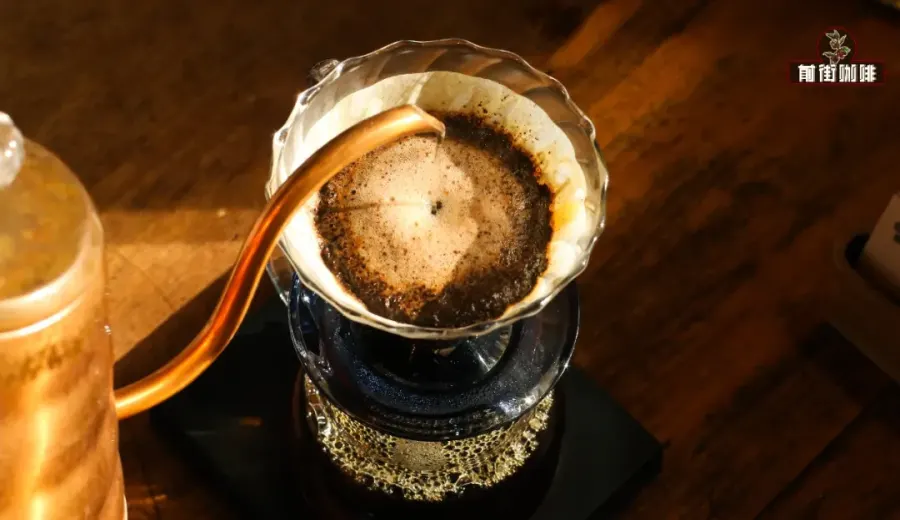
Introduction:Have you noticed how the same coffee beans can taste completely different when brewed by different people? The key lies in the pouring technique. The thickness of the water stream, the height of the pour, and the circular pouring path—these three seemingly minor elements actually dictate the extraction efficiency and flavor profile of the coffee. This article delves into how they influence coffee bed distribution, dissolution speed, and final mouthfeel, helping you adjust your technique to brew coffee that tastes just right.
The same coffee beans, with identical brewing parameters, can yield vastly different flavors when brewed by someone else—the difference often comes down to the pouring method. So-called pouring styles encompass the thickness of the water stream, the height of the kettle spout above the coffee bed, and the path of the circular pour. These seemingly trivial details directly affect how the coffee grounds are distributed in the filter, how well the hot water interacts with the grounds, and the rate at which soluble compounds are released—ultimately altering the aroma, mouthfeel, and complexity of the cup.

These variations may manifest in the intensity of the aroma, the expression of body, or even the balance between acidity, sweetness, and bitterness. While the differences might not always be extreme, they’re often noticeable from the first sip. The root of this distinction lies in each person’s unique pouring style.
So, what exactly is a pouring style? Simply put, it’s the set of habits and preferences each person develops during the pouring process. This includes the size of the water stream, the height of the kettle spout above the coffee bed, and the path and range of the circular motion. The combination of these elements forms each individual’s unique technique—and is the key reason why the same beans can produce such different flavors.
These details influence the final taste of the coffee because they alter how the coffee grounds are stacked, how they interact with the hot water, and which compounds are extracted and in what proportions—similar to the fundamental differences between immersion and drip brewing. Understanding these variables allows you to adjust your brewing technique with purpose, crafting a cup that better suits your personal taste.

Water Stream Thickness
Water stream thickness is one of the key variables affecting pour-over coffee extraction, referring to the volume of water dispensed per unit of time—what we commonly call the pouring rate. This parameter directly influences the distribution of coffee grounds and the overall extraction efficiency.
When you pour with a thick stream at a high speed, the coffee grounds are more likely to be pushed upward by the force of the water, especially when the coffee bed isn’t densely packed. If the pouring speed exceeds the filter’s drainage capacity, the water level in the filter will gradually rise, lifting the coffee bed—a phenomenon known as a "raised coffee bed."

Conversely, using a thinner stream and keeping the pouring speed close to or slower than the filter’s drainage rate prevents water from stagnating in the filter, helping the coffee bed remain stable and level. Consistently using a thin stream usually results in a uniformly distributed and flat layer of coffee grounds.
The shape of the coffee bed directly affects the uniformity of extraction. A flat bed ensures that all grounds experience similar extraction conditions, whereas a loose or uneven bed may lead to over-extraction in some areas and under-extraction in others, resulting in an imbalanced flavor profile.
For example, using a thick stream and creating a raised bed often enhances the coffee’s complexity, while a thin stream tends to produce a more balanced and consistent flavor. Additionally, stream thickness impacts overall extraction time—thicker streams typically allow water to pass through the coffee bed faster, shortening extraction time, while thinner streams prolong contact, increasing extraction time. These factors influence the amount of flavor compounds extracted, ultimately shaping the cup’s texture and character.
Pouring Height
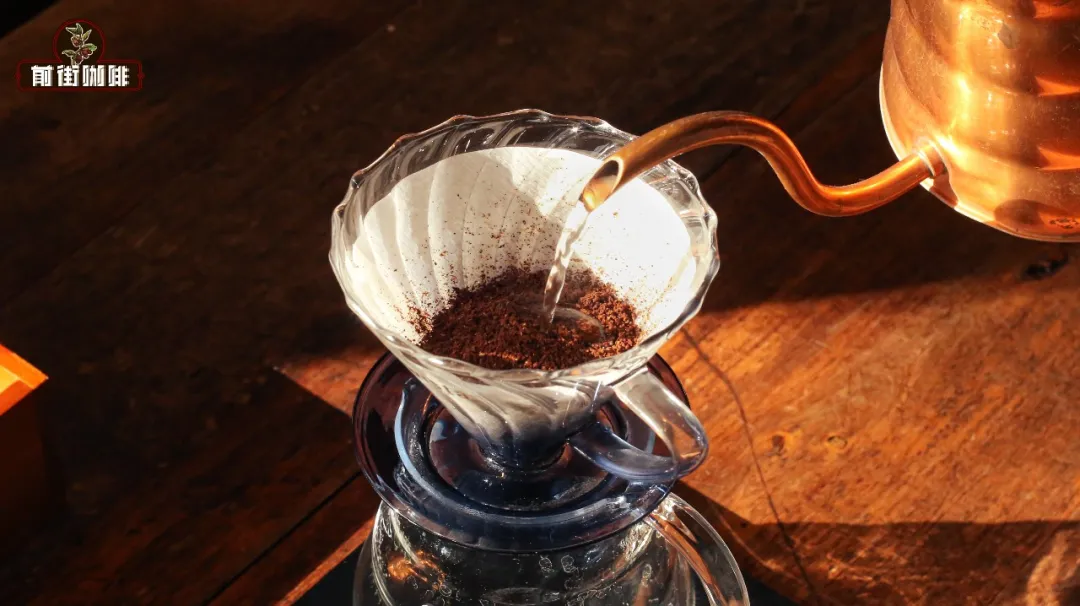
Pouring height refers to the vertical distance between the kettle spout and the coffee bed. This parameter primarily affects the degree of agitation exerted on the coffee grounds, thereby influencing extraction efficiency.
When the kettle spout is held higher, the water’s impact is stronger as it falls, effectively stirring the coffee bed and prompting the release of more soluble compounds into the water. However, higher isn’t always better. If the spout is too high, the water may break into fine droplets due to air resistance, failing to agitate the grounds effectively. The increased surface area also leads to greater heat loss, reducing extraction efficiency.

Generally, maintaining the spout about a fist’s length above the coffee bed strikes an ideal balance—providing sufficient agitation without excessive heat loss or disruption. The right pouring height helps you more precisely control the intensity and uniformity of extraction.
Pouring Trajectory
Finally, pouring trajectory refers to the path and range of the kettle spout’s movement during pouring. Common techniques include "large circles" and "small circles." The main difference lies in which areas of the coffee grounds are exposed to the water.
Large-circle pouring covers a wider area, allowing more coffee grounds to evenly contact the water, while small-circle pouring focuses the stream on the center of the filter, concentrating the flow on the middle of the coffee bed and minimizing direct agitation to the edges.

Coffee grounds directly hit by the water typically release their flavor compounds more rapidly. By controlling the pouring path and range, you’re essentially regulating the dissolution rate of different zones within the coffee bed, thereby shaping the overall flavor profile. In practice, adjust the pouring trajectory based on your filter type, coffee bean characteristics, and desired flavor direction.
In summary, water stream thickness, pouring height, and pouring trajectory—these three elements collectively determine the outcome of your pour-over brew. Mastering their principles and practical applications allows you to confidently refine your technique, crafting a more flavorful and layered coffee experience.
The above content is compiled by CoffeeHunters, a coffee news website.


