







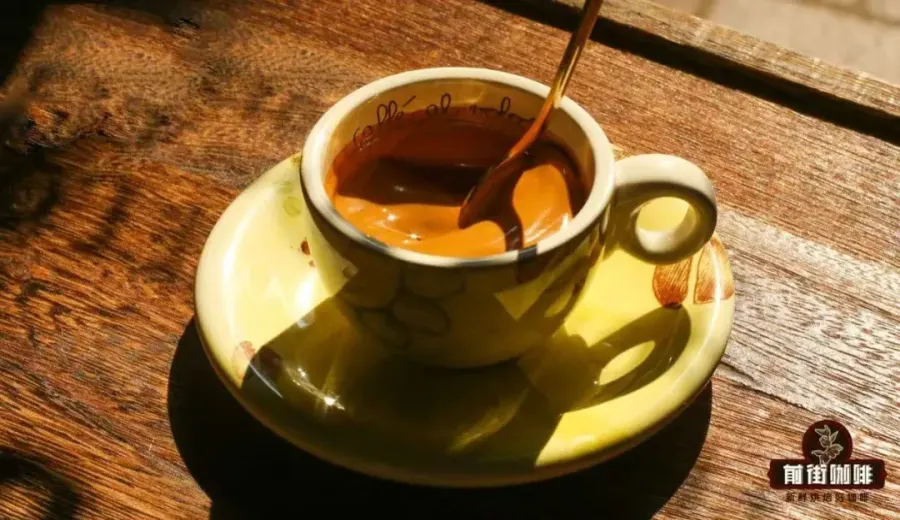
Introduction:The crema on the surface of an espresso is not just about aesthetics—it’s a key indicator of both the bean’s freshness and the extraction quality. This article will take you deep into the composition of crema, the factors influencing its thickness and fineness, and teach you how to assess whether your coffee is at its optimal extraction stage by examining its crema. With this knowledge, you can further refine your extraction process and enhance the flavor profile of every shot of espresso.
That golden to dark brown, velvety foam layer atop an espresso—crema—is more than just visual pleasure; it acts like a “health index” for your coffee beans. Many espresso machine users have noticed that with the same coffee beans, sometimes the crema is rich and velvety, other times thin and coarse. These visual changes actually reflect fluctuations in the carbon dioxide content inside the beans—that is, their freshness and the ideal time for extraction.
This article will thoroughly analyze the structure and characteristics of crema, teaching you to judge the current stage of the coffee beans—whether they’ve just been roasted, are at their peak flavor window, or are already starting to decline—based on the crema’s thickness, fineness, and stability. This way, you can fine-tune your extraction strategy more precisely, allowing each shot of espresso to showcase its full flavor complexity.
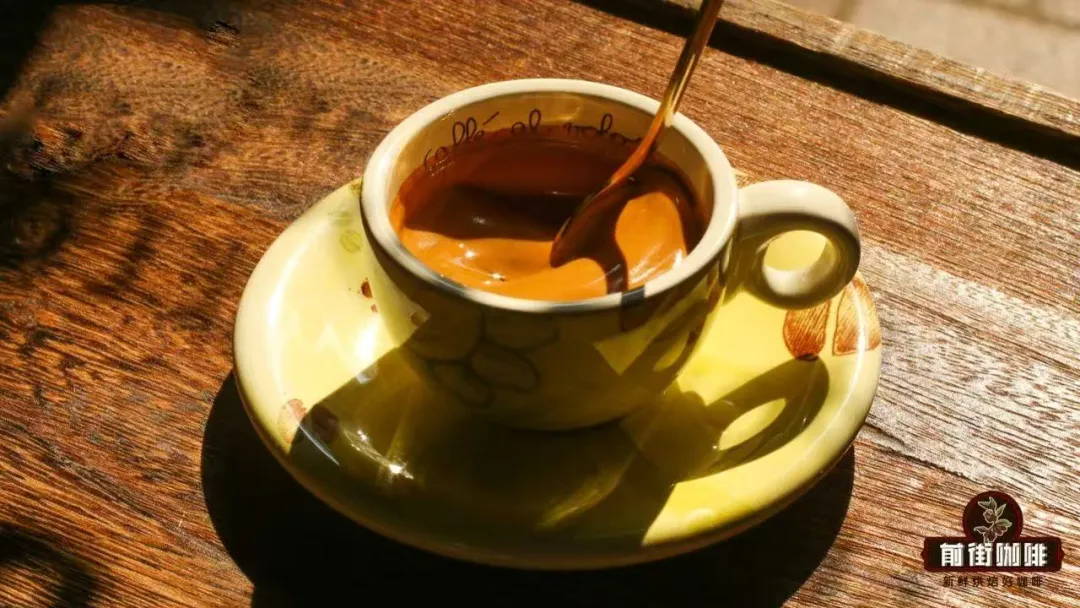
First, we need to clear up a common misconception: the “oil” on the surface of an espresso isn’t simply a layer of oil. It’s actually a collection of fine bubbles formed through the interaction of natural lipids in the coffee beans and high concentrations of carbon dioxide under high-pressure extraction. The stability and appearance of this foam depend primarily on two factors: the amount of residual carbon dioxide within the coffee beans and the actual extraction parameters used.
In most cases, if your extraction parameters remain consistent (such as dose, water temperature, pressure, and brew time), then changes in crema are mainly due to the carbon dioxide content within the beans—more specifically, the roast date and storage conditions of the coffee, with the most important factor being the beans’ “freshness.”
While the roast date printed on the packaging can serve as a reference, observing the state of the crema allows you to more intuitively determine whether the beans have been “rested” to the appropriate stage. It also helps you quickly identify issues when the flavor doesn’t meet expectations.

When using an espresso machine with stable parameters, and keeping the same coffee-to-water ratio and brew time, if your shot produces thick, coarse, and quickly clumping crema with visibly large and unevenly distributed bubbles, this usually indicates that your coffee beans are quite fresh—this effect is even more pronounced if the beans are dark roasted.
This happens because freshly roasted coffee beans contain a lot of carbon dioxide, but the lipids can’t fully encapsulate all of these gases right away. As a result, while a lot of foam is produced, the structure is loose, the stability is poor, and it tends to collapse quickly. The coffee beneath such crema may suffer from excessive CO₂ interfering with the contact between hot water and coffee grounds, preventing some flavor compounds from being fully extracted. This might lead to a cup that tastes weak in aroma and thin in body.
If you encounter this situation, it’s recommended to let the beans rest a bit longer to “mature,” or slightly adjust your extraction parameters—such as extending the brew time or increasing the water temperature—to compensate for the reduced extraction efficiency caused by the carbon dioxide.
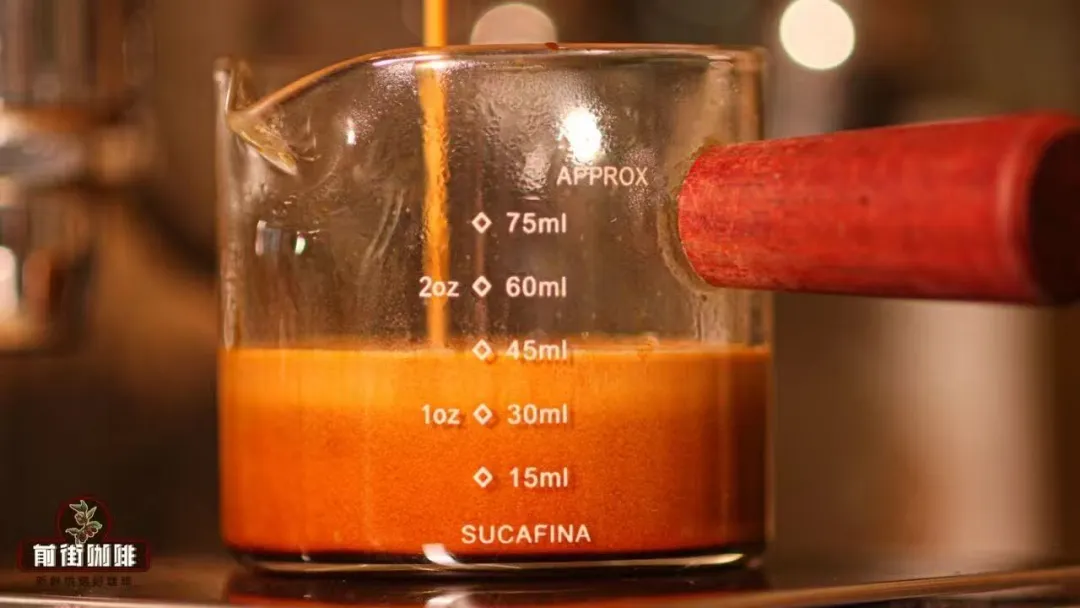
Conversely, when the crema appears more uniform, fine, and glossy, with a silky smooth texture that might even reflect some light, it’s typically a sign that the coffee beans have reached their optimal flavor window. At this point, the internal carbon dioxide and lipids have achieved a better balance, producing a stable and fine bubble structure.
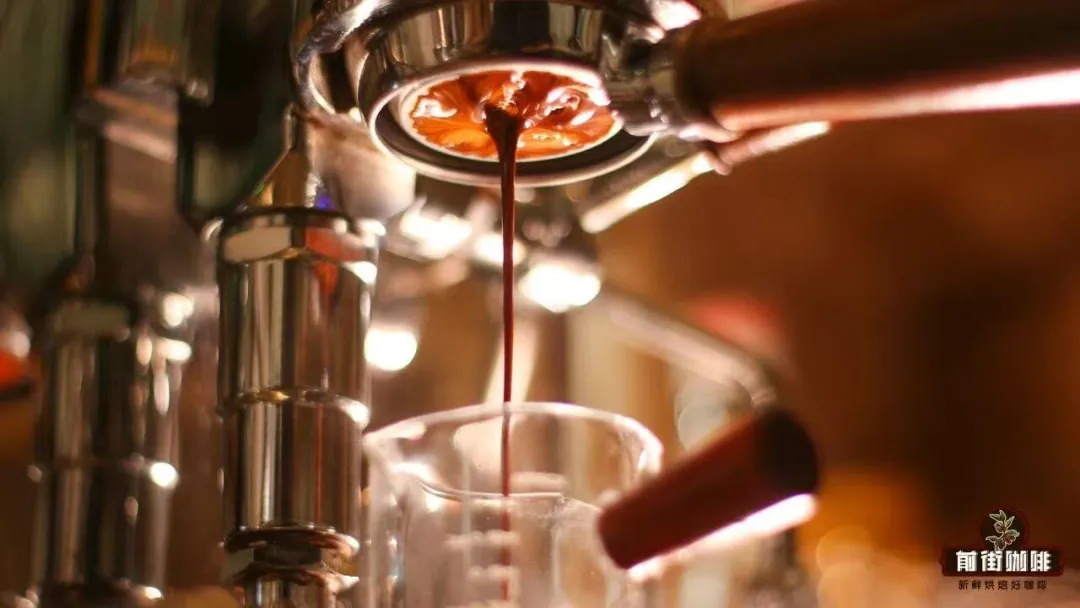
Under these conditions, the extraction process flows more smoothly, and flavor compounds are released more efficiently. The coffee not only has a more pronounced aroma but also a rounder and fuller mouthfeel. For everyday brewing, this is an ideal extraction stage that allows the bean’s full potential and complexity to shine.
However, if you notice that under the same extraction conditions, the crema becomes noticeably thinner or even lacks a visible foam layer, it likely means the coffee beans are nearing or have exceeded their best-before period. At this stage, most of the carbon dioxide inside the beans has dissipated, failing to create enough foam support, resulting in thin crema.
Although in such cases, some users may find that the extraction seems more efficient because carbon dioxide no longer hinders water and coffee ground contact, allowing more soluble substances to be released, this can also mean that undesirable impurities or over-extracted flavors (like bitterness or astringency) are more easily drawn out, negatively affecting the overall taste.
Additionally, aside from impacting extraction, carbon dioxide also helps preserve aromatic molecules from dissipating too quickly. As the carbon dioxide in the beans diminishes, the ability to retain aroma declines as well. So even if the flavor seems intense temporarily, the overall aroma longevity and flavor layering may have already deteriorated significantly. It’s advisable to enjoy the coffee sooner rather than later to capture the remaining peak flavor window.
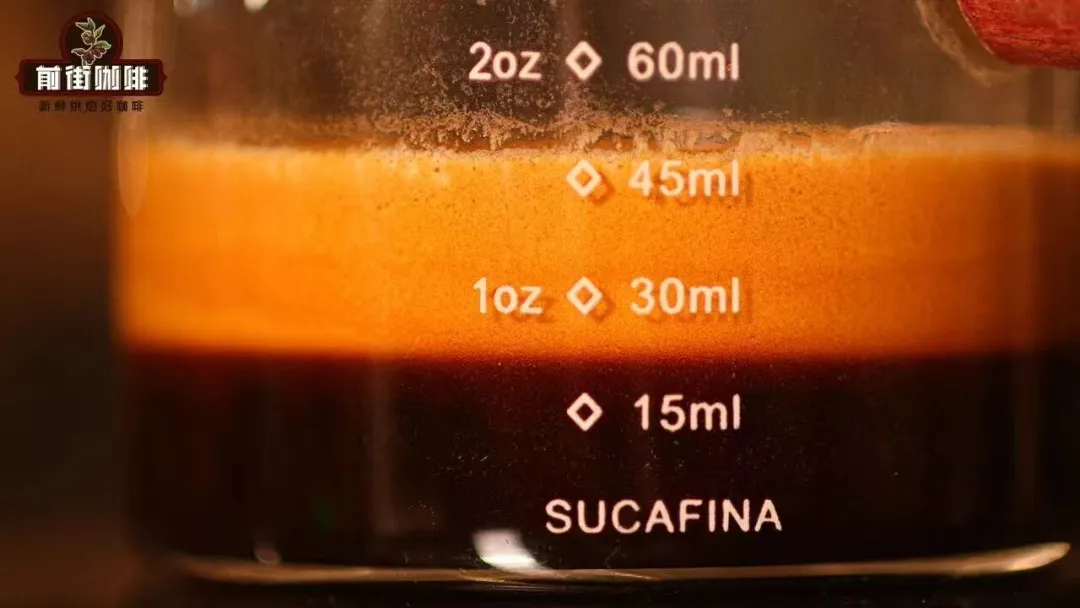
It’s important to note that to accurately interpret the information conveyed by crema, you must ensure that your extraction parameters remain consistent each time. For example, if you typically use 20 grams of coffee grounds to brew 40 milliliters of espresso in 30 seconds, you should maintain this baseline when observing changes in crema to make a fair comparison across different batches or storage durations.
Different extraction conditions—such as changes in coffee-to-water ratio, water temperature, pressure, and brew time—will directly affect the final appearance and thickness of the crema. For instance, 20 grams of coffee brewed for 30 seconds to produce 40 milliliters of espresso will generally yield thicker crema than the same dose brewed in 15 seconds, because the longer time and more stable pressure help form and stabilize the foam.
In summary, by carefully observing the thickness, fineness, and stability of crema, you can not only determine whether your coffee beans are in their optimal state, but also adjust your extraction approach accordingly—ensuring that every shot of espresso delivers its most desirable flavor expression.
The above content is compiled by CoffeeHunters, a coffee news website.


