







Introduction:During the coffee brewing process, you may have heard the term "By pass water" but aren’t quite sure what it does. In fact, By pass refers to water that enters the cup without passing through the coffee grounds—essentially bypassing the extraction phase. It is widely used in Americano, iced pour over, and even in competition brewing adjustments. This article breaks down the principles of By pass water, both its active and passive generation methods, and offers practical operational tips to help you master this technique and enhance your coffee’s flavor profile.
In the world of coffee brewing, many technical terms often confuse beginners, and "By pass" is a prime example. Literally, it can be translated as "bypass" or "detour," but in coffee terminology, it refers to any liquid that does not pass through the coffee grounds layer and goes directly into the final beverage, along with related brewing techniques.
Whether you enjoy drinking Americano, brew pour over at home, or watch professional coffee competitions, the use of By pass is actually everywhere. It could be the process of adding water to adjust the concentration of espresso, a skillful dilution technique used by competitors to balance flavors, or a natural occurrence in iced pour over when ice melts.
Many beginners are unfamiliar with the concept of By pass mainly because the term doesn’t easily suggest its actual function in coffee making. Simply put, when we brew coffee, water is supposed to flow through the coffee grounds to extract flavor compounds, but sometimes part of the water bypasses the coffee grounds and goes directly into the cup—this is called "By pass water."
If we consider water flowing through the coffee grounds as the "main route," then water that goes directly into the cup without touching the coffee grounds is taking a "bypass." This water, which doesn’t participate in the extraction process, although it doesn’t carry the original flavors of coffee, will directly affect the final beverage’s concentration, mouthfeel, and overall balance.
The creation of By pass water can be divided into active and passive scenarios. A typical example of passive By pass occurs when using V60-style drippers with multiple ribs. During brewing, if the water level exceeds the coffee bed or hot water directly hits the filter paper, the water may flow along the gaps inside the ribbed walls of the dripper and enter the vessel below—without contacting the coffee grounds.
This phenomenon not only reduces overall extraction efficiency but may also dilute the already extracted coffee liquid, resulting in a final cup that tastes thin and lacks complexity. Therefore, when using high-permeability drippers, controlling water level and pouring technique is key to avoiding unintended By pass water.
On the other hand, actively using By pass is very common in both daily brewing and competitions. The most representative example is the process of making Americano: mixing espresso with hot water, where the added hot water is classic By pass water. This method originated to make highly concentrated espresso more palatable to consumers who prefer lighter flavors, achieved through dilution to adjust overall flavor expression.
Besides Americano, many pour over enthusiasts facing overly concentrated brews will also choose to add hot water as a form of By pass to achieve a smoother, more enjoyable concentration. Especially in competitions, to highlight a coffee’s cleanliness and sweetness, brewers may adopt a strategy of high concentration with low extraction yield, and then use precise By pass additions to adjust the brew into the optimal drinking range defined by competition standards.
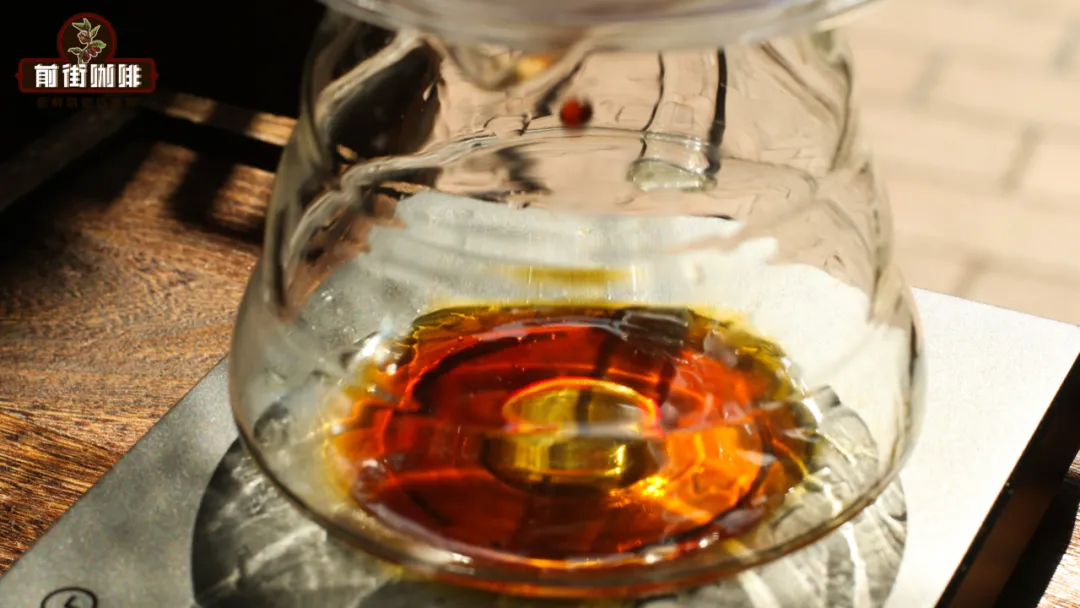
Additionally, iced pour over is another common scenario for By pass application. When making iced pour over, we typically place ice cubes under the dripper, allowing them to melt slowly and lower the coffee’s temperature. However, as the ice melts, this water mixes into the coffee—though also not extracted through the coffee grounds, it becomes part of the final product. This type of By pass water from melting ice, while passive, has a noticeable impact on concentration and flavor balance.
It’s worth noting that By pass can also serve as a remedy when issues arise during brewing. For instance, if you find your brewed coffee too intense due to an incorrect coffee-to-water ratio, resulting in subpar flavor, you might consider adding about 15–30 ml of hot water to dilute it slightly. This can help release more flavor details and make the coffee easier to drink.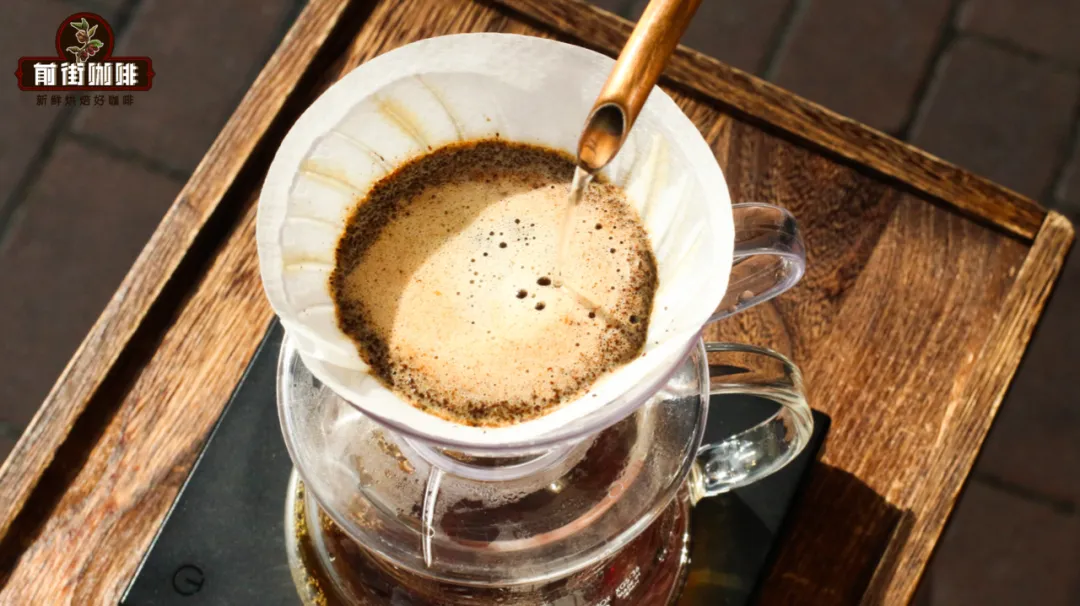
Also, when the filter paper becomes clogged by fine particles, causing unusually slow dripping, it may lead to over-extraction and accumulation of bitterness. In such cases, some brewers opt to stop waiting for the remaining liquid in the dripper to drip through, instead consuming the portion that has already dripped out, and then adjusting the overall concentration through subsequent By pass dilution to avoid the negative effects of over-extraction on the drinking experience.
In summary, By pass refers to all liquid that does not undergo extraction through the coffee grounds layer and goes directly into the final beverage. Whether actively added or naturally formed, it directly influences the coffee’s extraction rate, concentration, and flavor expression. Properly understanding and applying By pass allows you to more flexibly adjust the taste and balance of your coffee across various brewing scenarios.
However, By pass is not a cure-all. It’s only recommended when specific issues arise or there is a clear need for adjustment. If the coffee’s extraction state is already good, adding By pass water recklessly may dilute what was originally excellent flavor, making the coffee bland. Therefore, it’s best to judge based on the actual situation to truly harness the value of By pass.

The above content is compiled by CoffeeHunters, a coffee news website.


