







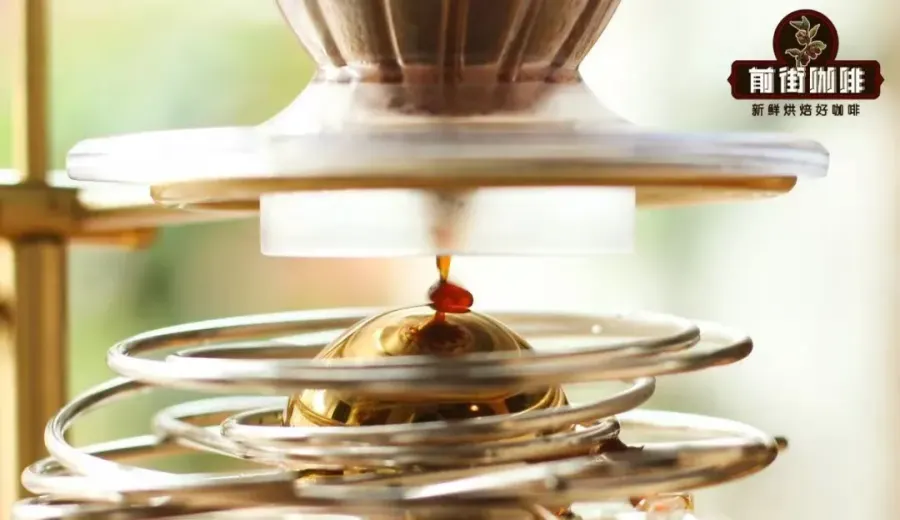
Introduction:In recent years, the "rapid cooling to lock in aroma" technique has gained traction in both the pour over and espresso circles. This method utilizes the Paragon cooling orb to quickly lower the temperature of the coffee, thereby slowing down aroma loss. But how effective is this technique—originating from the competitive coffee scene—in actually enhancing flavor? What differences exist between cooling only the early-stage brew versus the entire brew? This article delves into the science behind the method, presents side-by-side comparisons of its performance in pour over and espresso, and explains the scientific rationale for treating only the first half of the brew. Learn the key techniques to master this approach.
Over the past two years, the “rapid cooling to lock in aroma” technique, frequently discussed in both pour over and competition circles, was popularized by World Barista Champion Sasa Sestic. The core tool driving this method is the Paragon cooling orb. Its principle lies in rapidly reducing the temperature to slow down the evaporation rate of volatile aromatic compounds, theoretically preserving more flavor characteristics. But does this method truly yield noticeable differences in practice? And why do most competitors apply rapid cooling only to the early-stage brew? Through comparative testing in both pour over and espresso, we’ll clarify the practical value and limitations of this technique.
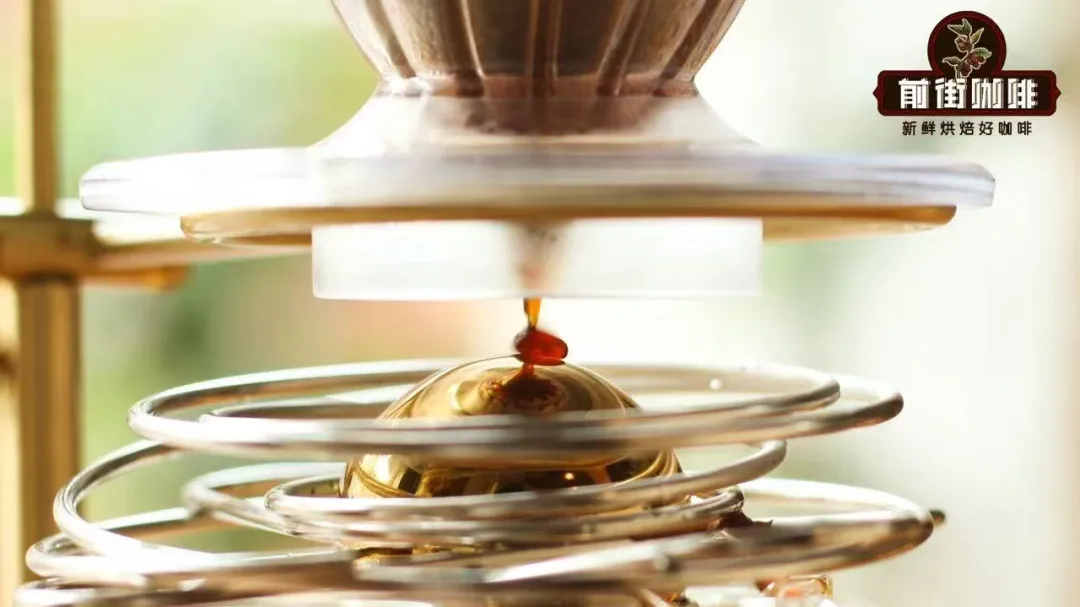
The principle behind rapid cooling to lock in aroma is grounded in the volatility of coffee aromas. The essence of coffee flavor comes from volatile aromatic compounds, which continuously dissipate over time after roasting, during grinding, and throughout the brewing process—especially at higher temperatures where the rate of evaporation accelerates. The higher the temperature of the coffee liquid and the greater its exposure to air, the more significant the aroma loss becomes—this is also why freshly ground coffee often smells more intense than whole beans. The Paragon cooling orb works by rapidly lowering the temperature of the coffee, slowing molecular movement, thus curbing the rapid dissipation of aromas. In theory, this allows more flavors to remain in the cup.
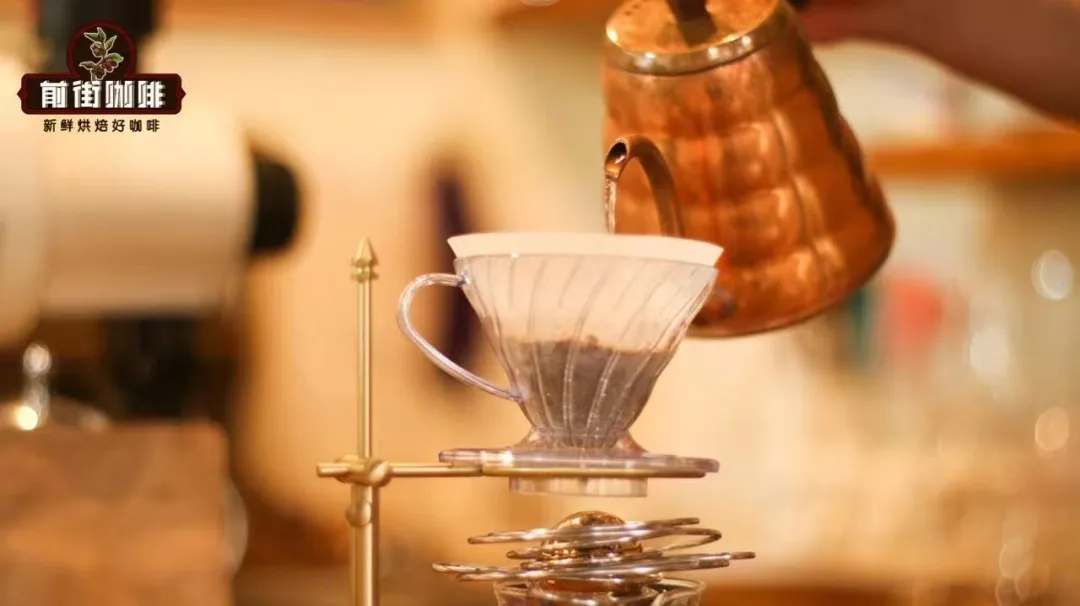
The blind tasting results for the pour over group showed that aside from temperature differences, participants generally did not perceive significant differences in aroma intensity (such as citrus, berry, or oolong tea notes) between the regular and rapid-cooled versions. For the espresso group, due to the smaller volume of liquid, temperature changes were more noticeable—after rapid cooling, acidity increased slightly, while the regular version had a more balanced mouthfeel. Yet, the layers of aroma (strawberry, berry, chocolate notes) also did not show major differences. From this, it can be inferred that while rapid cooling can “lock in” some aromas, if the original coffee already has limited aromatic loss, the actual flavor difference experienced may not be as significant as expected.

Why do most competitors or enthusiasts choose to apply rapid cooling only to the first half of the brew? The primary reason relates to the solubility pattern of flavor compounds. Among the soluble components in coffee, the majority of small molecules (such as acids and the precursors of fruity and floral notes) are rapidly released during the early to mid stages of extraction. These substances typically form the main body of the coffee’s flavor. Therefore, focusing the treatment on the initial portion of the brew effectively preserves most of the key aromas. Additionally, the final serving temperature of the coffee also impacts the drinking experience—excessively low temperatures can amplify the perception of acidity and bitterness. Maintaining a moderate temperature helps preserve balance and avoids overly sharp initial impressions.
Based on comprehensive testing and theoretical analysis, the rapid cooling to lock in aroma method can indeed delay aroma loss under specific conditions. However, its actual effectiveness varies depending on coffee type, extraction parameters, and individual sensitivity. Understanding the relationship between early-stage solubility patterns and the impact of temperature on flavor can help enthusiasts apply this technique more rationally, rather than blindly pursuing “full-brew rapid cooling.” For those wishing to explore pour over details further, start by stabilizing grind size and water temperature, then gradually adjust the range of rapid cooling to observe its real impact on flavor expression.
The above content is compiled by CoffeeHunters, a coffee news website.


