







Introduction:Luckin Coffee has recently been reported to be considering replacing its traditional frozen lemon slices with a fresh fruit slicer in an effort to enhance the flavor and customer service experience of its lemon tea offerings. However, this move has raised concerns among many store employees regarding cleaning procedures and increased working hours. This article delves into the background of this adjustment, its pros and cons, and explores the practical application and potential challenges of using fresh fruit slicers in beverage shops.
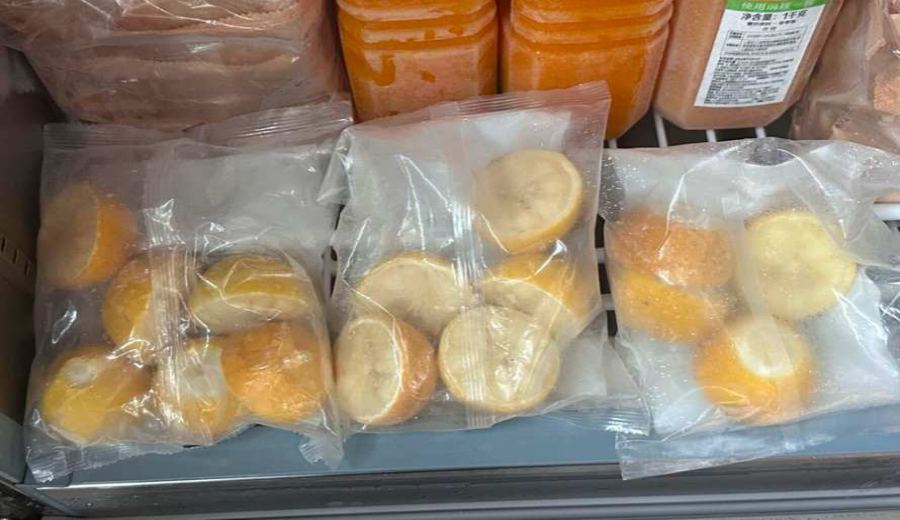
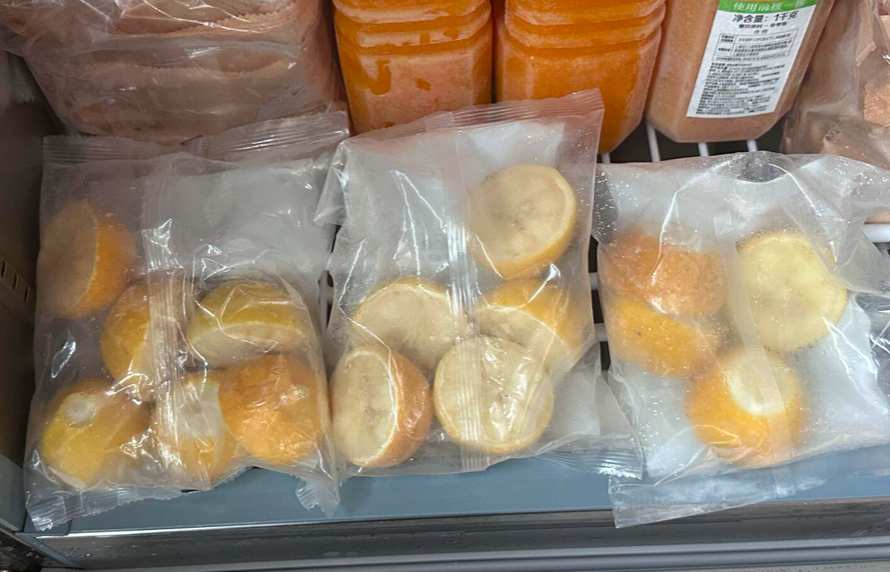
Last summer, Luckin officially added a refreshing lemon tea to its permanent menu. Early this year, it upgraded the recipe by introducing frozen half-lemon pieces and lemon granules, aiming to improve the overall flavor complexity and mouthfeel. However, the upgraded Version 2.0 did not receive widespread praise from consumers or staff, with the most controversial element being the visually prominent frozen half-lemon.
Many customers have commented that the frozen half-lemon contributes little to the drink’s aroma or taste beyond providing minimal visual decoration, and is even less satisfying compared to fresh lemon slices used by other tea brands, which are perceived as more authentic and refreshing. From the staff’s perspective, the brand-supplied frozen lemons sometimes arrive with poor appearance—blemished skin or even black spots—which can lead customers to mistakenly think the product is unclean or moldy, resulting in unnecessary complaints and added stress for employees.
In response to these issues, a recent online post suggested that Luckin might adopt a fresh fruit slicer to replace frozen lemons with freshly sliced ones. The post quickly sparked discussions among both employees and netizens. According to related discussions and user-shared photos, at least one customized Luckin store in Jiangsu has already installed a fresh fruit slicer, which reportedly automatically slices lemons into thin pieces and drops them directly into cups, eliminating manual handling and improving efficiency.
Nevertheless, this change has also caused concern among many Luckin staff. Numerous current employees have stated that if fresh fruit slicers are fully implemented, they would need to arrive earlier to wash fresh fruits and spend additional time thoroughly cleaning the machines after their shifts, inevitably lengthening their workdays. One employee bluntly remarked, “This thing is going to be torture at closing time...” “They’re really adding this? Closing time might as well count as an extra hour.” “Can’t even imagine how annoying the cleaning will be, I can already see myself getting off work at eleven.” Others joked that if the slicers were introduced, it would be “the day I quit.”
That said, some employees remain skeptical or optimistic about the news, believing the brand is unlikely to roll out fresh fruit slicers across all stores. They pointed out that the lemon tea market is highly competitive, and Luckin’s offering is not a flagship product with only average sales performance. Increasing operational costs without significantly boosting revenue would not be cost-effective. Moreover, one of the original reasons for using frozen half-lemons was to avoid having knives in stores, thereby reducing the risk of employee injuries such as cuts in a busy environment. As a result, some staff speculate that even if slicers are adopted, their use may be limited to certain locations rather than implemented chain-wide.
Industry insiders noted that while fresh fruit slicers can enhance the freshness and customer experience of beverages, practical implementation requires attention to details such as fruit shelf life, uniformity of slice thickness, and machine maintenance and cleanliness. Especially during peak hours, when staff must simultaneously handle drink preparation and fruit replenishment, inefficient cleaning processes for the machines could become a bottleneck, negatively impacting overall operational efficiency. Therefore, if brands choose to adopt such equipment, they must establish comprehensive operating SOPs and provide adequate staff training to ensure both quality and efficiency.
The above content is compiled by CoffeeHunters, a coffee news website.


