







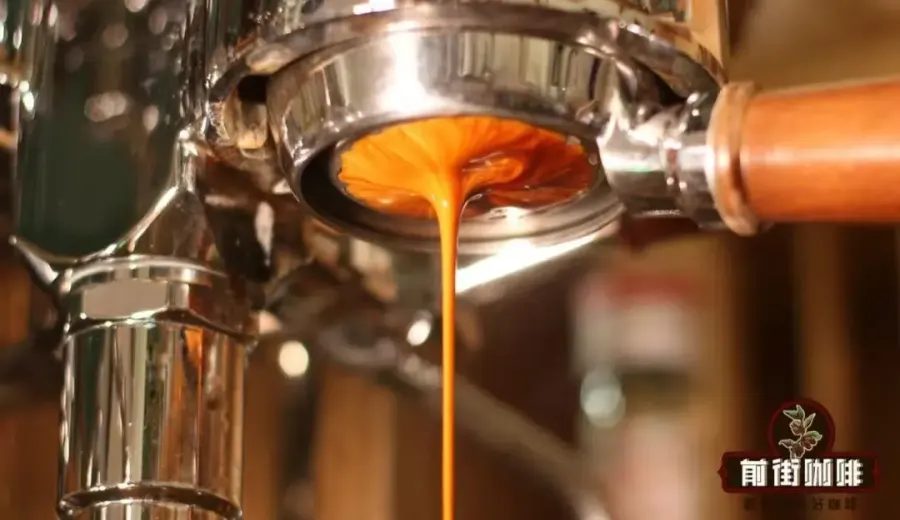
Introduction:Have you ever noticed during manual espresso extraction that the coffee doesn’t flow smoothly down from the portafilter, but instead splashes out? This is likely caused by "channeling." This article delves into the reasons behind channeling, from uneven distribution and tamping issues to incorrect dose and grind settings, highlighting five common operational mistakes. It also provides practical improvement methods to help you stabilize extraction quality, reduce failure rates, and brew more balanced, flavorful coffee with clear characteristics.
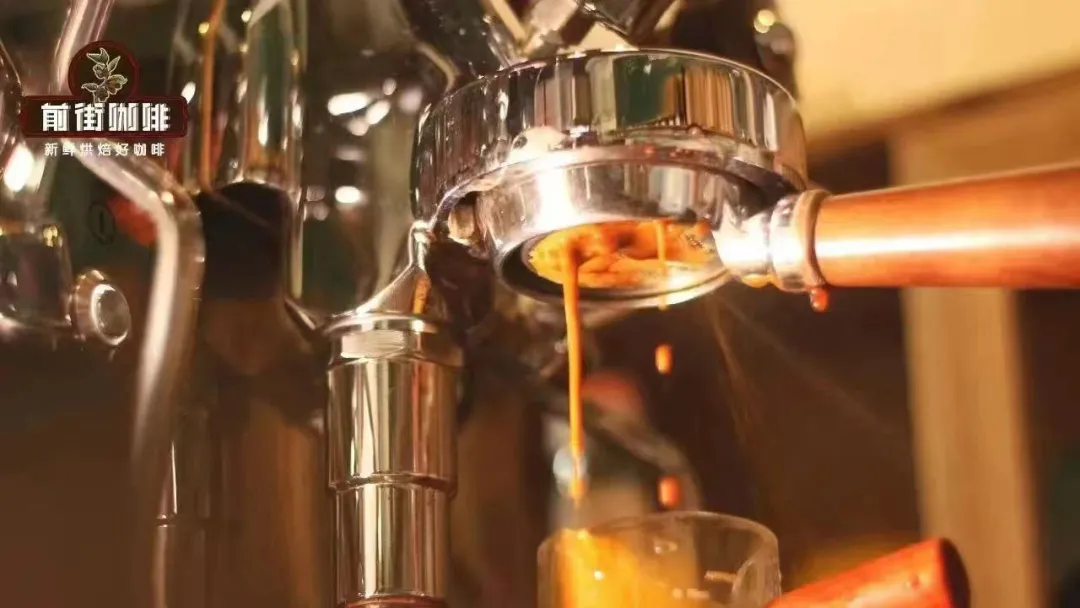
When making espresso, especially when using a bottomless portafilter, you might sometimes observe that the coffee doesn’t flow evenly from the center of the coffee puck but instead squirts out from the edges or even splashes in an irregular manner. This phenomenon is commonly referred to in the industry as "channeling," a common yet impactful extraction anomaly.
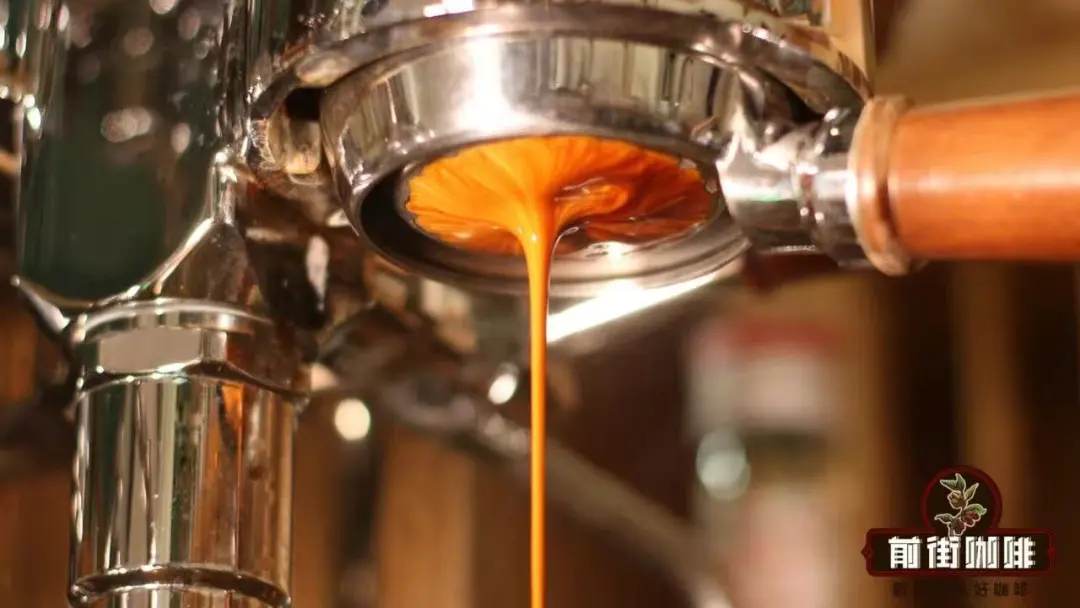
While channeling may not necessarily render the coffee undrinkable, it significantly increases the risk of uneven extraction, often leading to certain areas being over-extracted while others are under-extracted. The result is a final cup that is both sharp and sour, with unnecessary bitterness. This article will help you understand how channeling forms and provide improvement suggestions from five key operational aspects, helping you effectively reduce the occurrence of the issue and improve the stability and consistency of each extraction.
How does channeling occur?
In simple terms, channeling occurs when water, as it passes through the coffee puck, chooses the path of least resistance and flows through concentrated channels rather than evenly distributed paths. Due to water’s natural tendency to follow the easiest route, if a localized area of the puck offers particularly low resistance, the pressurized hot water will concentrate there, causing over-extraction in that area while under-extracting the surrounding zones.
Within the short 25–30 second espresso extraction window, this uneven water flow can quickly impact the overall extraction result. If you observe the puck after brewing and notice visible pinholes or cracks on the surface, these are the “channels” left by the concentrated flow of water — one of the main culprits behind flavor imbalance.

Five Common Operational Issues and Improvement Methods
1. Uneven Distribution: When coffee grounds are unevenly spread, water will naturally flow chaotically
Distribution is the first critical step after dosing the coffee grounds, aiming to spread the coffee evenly across the entire portafilter basket so that the density and resistance of the coffee bed are consistent. If the distribution is incomplete or you merely stir the coffee a few times haphazardly, the puck may end up with uneven density, causing water to find the path of least resistance and form channels.
Many beginners, in their haste, often skip this step or even tamp directly without distributing the grounds at all — both high-risk behaviors that can trigger channeling. It’s recommended to take the time to properly distribute the coffee, either using a distribution tool or manually evening it out, giving every coffee particle a fair chance to interact with the water.
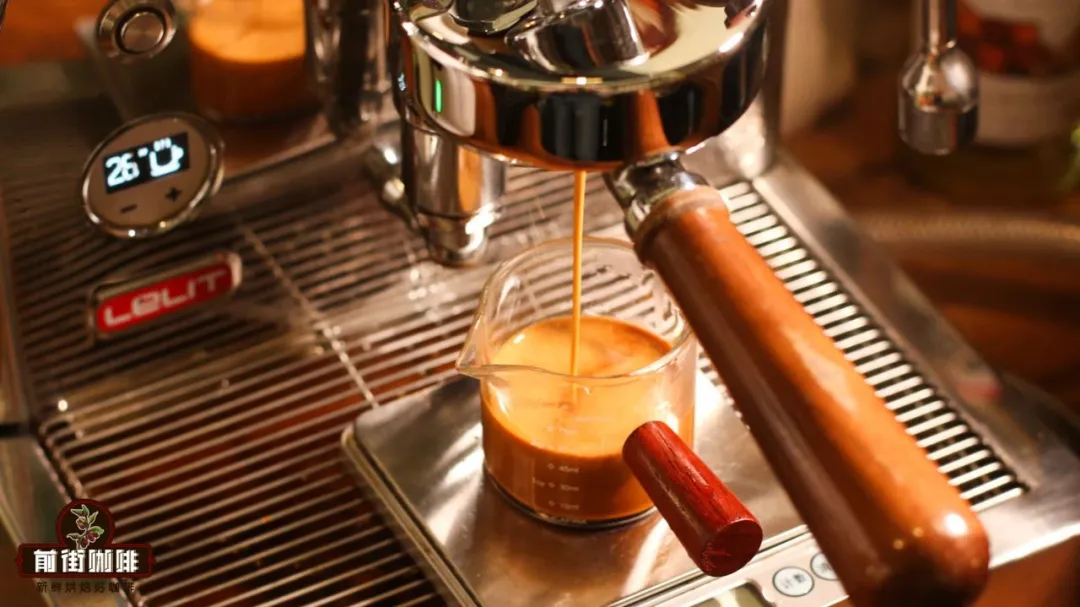
2. Uneven Tamping: Inconsistent pressure leads to uneven resistance
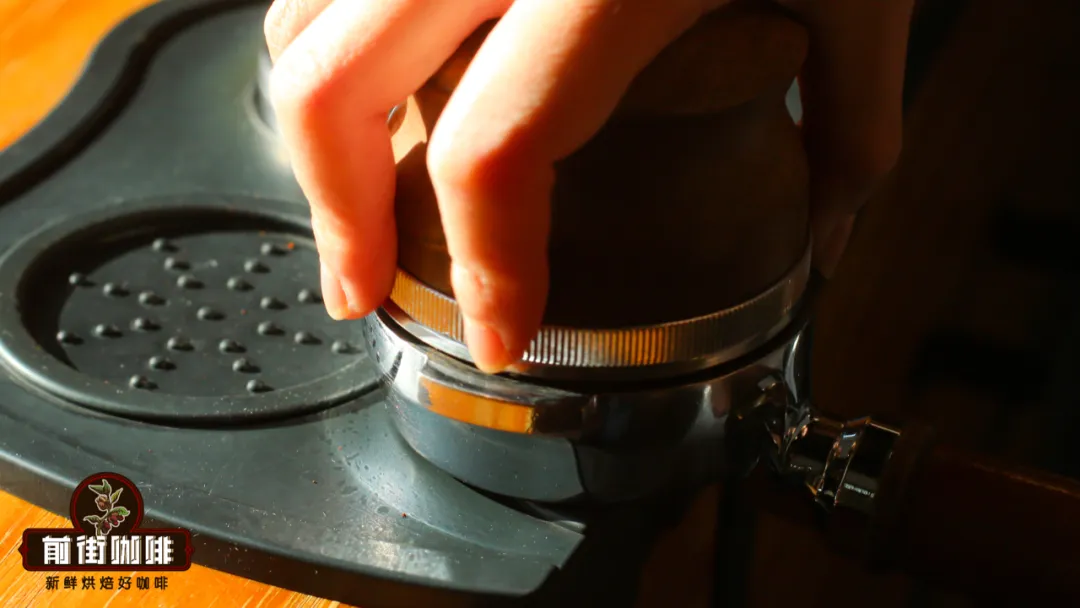
Even if the coffee is evenly distributed, applying uneven force during tamping can still result in varying densities within the puck. Areas that are tamped too hard have higher resistance, while those tamped lightly have lower resistance, causing water to still choose the path of least resistance.
When tamping, keep the tamper vertical and apply steady, even pressure to ensure uniform density throughout the puck. If you’re unfamiliar with tamping techniques, it’s advisable to practice more or refer to proper tamping tutorials to stabilize your extraction quality.
3. Mishandling When Locking in the Portafilter
Some baristas or enthusiasts, when attaching the portafilter to the machine, don’t align it properly with the locking notch and instead apply force randomly, bumping it multiple times before securing it. Such actions can create small cracks or looseness inside the puck, leading water to concentrate through these weak points and forming visible channels.
The correct approach is to gently align the portafilter with the notch and lock it in with as few bumps as possible, ensuring the integrity of the puck.
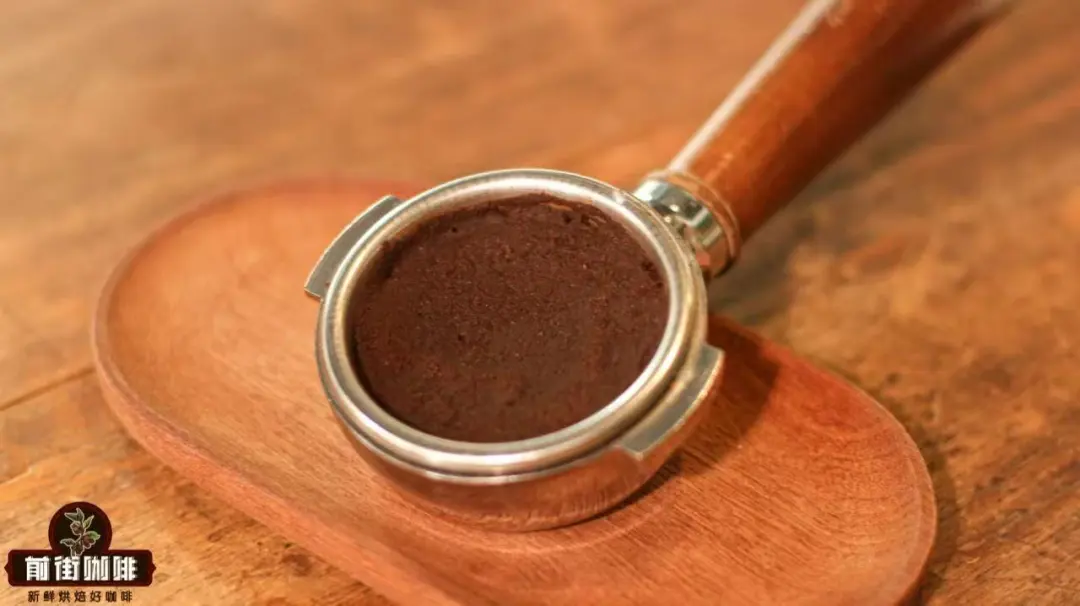
4. Too Little Dose or Too Coarse Grind: Insufficient puck resistance causes water to run wild
When the amount of coffee used is too low or the grind size is set too coarse, the overall resistance of the puck is insufficient to evenly disperse the water pressure. In such cases, hot water tends to find the weakest point of resistance and penetrates through, leading to channeling.
It’s recommended to moderately increase the dose (typically 7–9 grams for a single shot and 18–20 grams for a double), and check whether the grind size is appropriate. If adjusting the dose doesn’t improve the situation, you could try reducing the extraction pressure with variable pressure brewing, though this method is more advanced and has a higher learning curve. As a general rule, start by adjusting grind size and dose.
5. Excessive Coffee Clumps: Clumps cause uneven resistance
During the grinding process, especially when beans are dry or ground very fine, clumps can form due to static electricity. These clumps create uneven resistance in the coffee bed, allowing water to preferentially flow through the gaps between the lower-resistance clumps, resulting in channels.
The solution is to break up clumps gently with a distribution needle before distribution, or use hand-tapping or shaking to separate the particles. If a distribution needle isn’t available, gently tapping the outer edge of the portafilter can help disperse clumps, though the effect may not be as noticeable.
Summary: Achieve Stable Extraction by Reducing Channeling
While channeling can’t be completely avoided, in most cases, it is caused by small oversights in the brewing process. By carefully examining and adjusting factors such as distribution, tamping, portafilter locking, dose and grind size, and clumping, you can significantly reduce its occurrence, leading to more stable and balanced espresso extractions every time.
Next time you notice irregular coffee splashing, revisit these five key areas — it will help you quickly identify the root cause and brew a smooth, layered shot of espresso.
The above content is compiled by CoffeeHunters, a coffee news website.


