







Introduction:Starbucks has updated its dress code policy in North America, requiring employees to wear black tops, pants in designated color tones, and waterproof shoes, while also banning facial accessories. However, employees must purchase the new attire and remove any makeup or piercings at their own expense, with the company refusing to reimburse these costs. This has led to collective lawsuits by employees in Illinois, Colorado, and California. This article delves into the origins of the controversy, the specific demands of the staff, and the brand’s response strategy, helping you understand the key issues in this labor-management standoff.
Starbucks recently implemented stricter employee dress policies in the North American market but did not provide financial assistance for new uniforms or adjustments to appearance, sparking dissatisfaction and legal action among employees in multiple locations. The dispute involves Illinois, Colorado, and California, with employees accusing the company of violating state labor laws and demanding compensation for personal expenses incurred in compliance with the new rules.
It is understood that Starbucks introduced the new dress code in April this year, mandating that baristas in North American stores wear black short-sleeved or long-sleeved tops under their green aprons, paired with solid-colored khaki, black, or dark blue jeans. In addition, footwear must be waterproof, and all facial tattoos, lip rings, nose rings, and tongue piercings are strictly prohibited. Heavy makeup is also included in the restricted items.
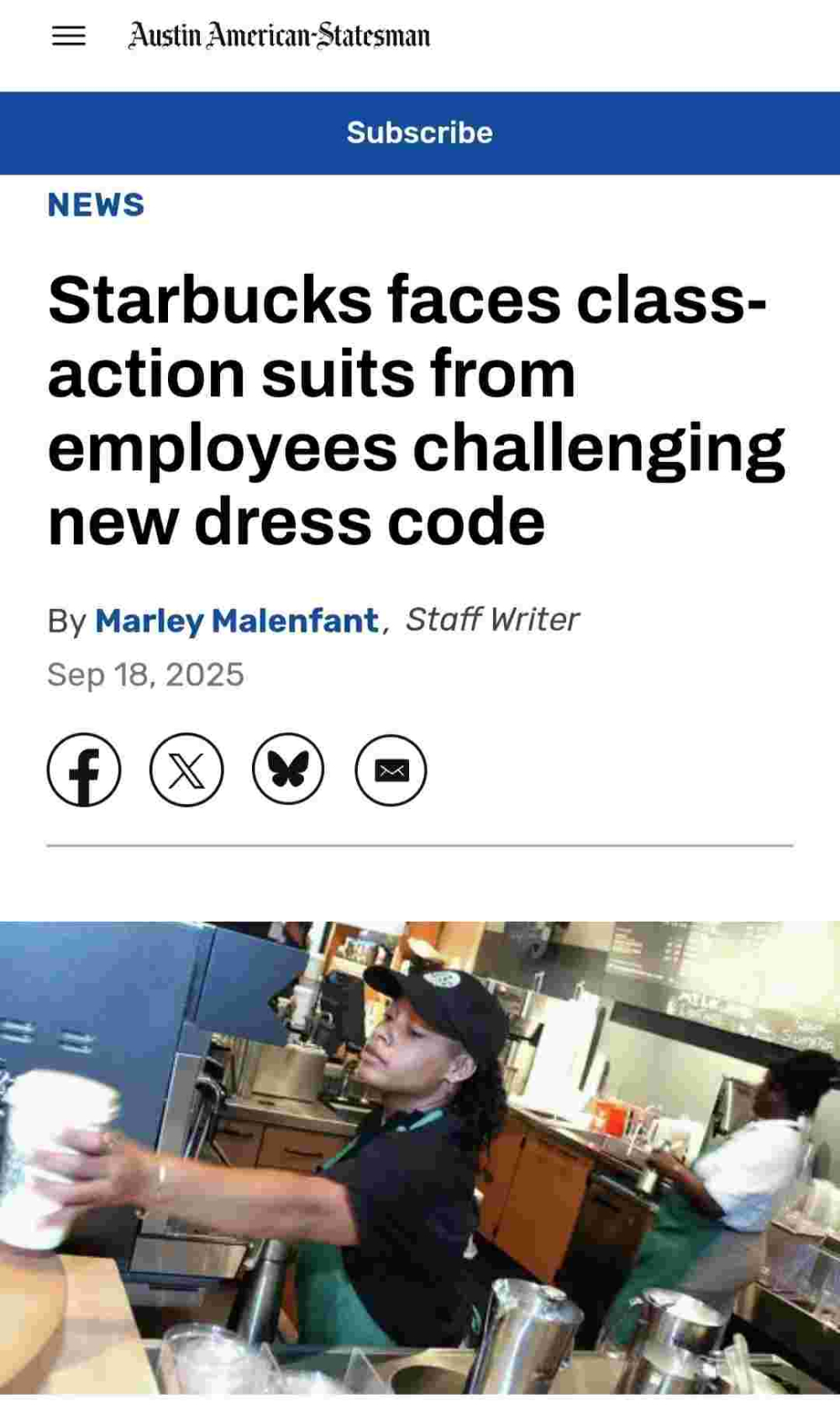
This new policy has made many employees who are used to flexible dressing uncomfortable, feeling that the company is limiting personal expression and depriving them of their freedom to choose what to wear. Before the new rules officially took effect in May, about 2,000 baristas from over 1,200 Starbucks stores across the United States launched a joint strike to protest the mandatory uniform policy.
Despite the ongoing protests from employees, Starbucks proceeded with the implementation of the new dress standards in North America as scheduled. Multiple current employees revealed to the media that those who do not comply with the dress code have received verbal warnings from managers, and some colleagues were asked to leave work early or even faced the risk of dismissal for non-compliance. To keep their jobs, many employees had to pay out of pocket for new clothes and shoes, as well as additional costs to remove facial piercings such as nose rings.
However, when employees submitted receipts and expense details to the company to request reimbursement for these costs incurred due to the new regulations, Starbucks refused. Employee representatives pointed out that according to relevant state laws, employers are required to cover reasonable expenses incurred by employees for work-related needs. Therefore, they believe Starbucks’ actions may constitute a violation of the law and are demanding that the brand compensate all affected employees for related losses, regardless of whether their stores are unionized.
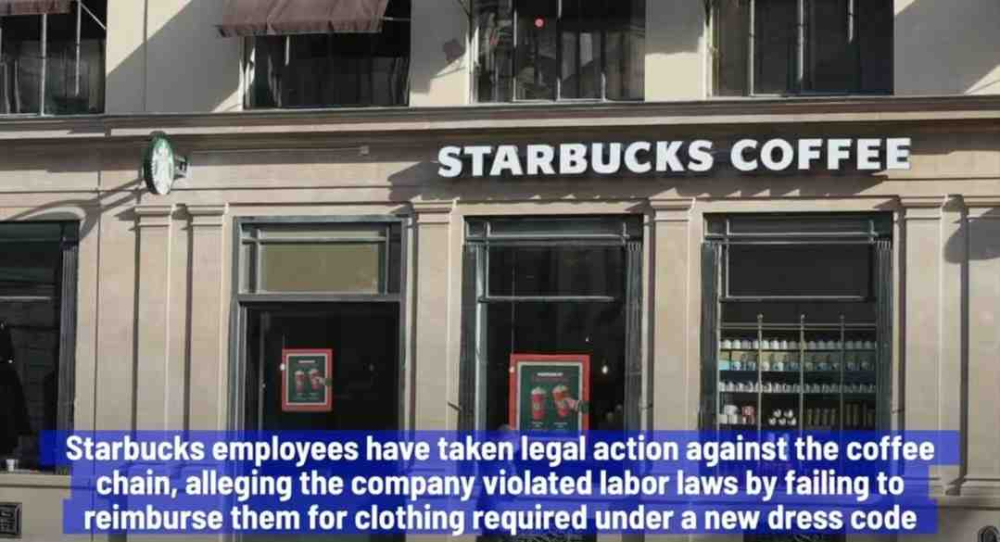
In the face of employees' lawsuits and complaints filed with labor authorities, Starbucks has not yet publicly responded directly, but stated in a press release that the new dress policy aims to simplify the dress code, making the green apron more visible, thereby creating a warmer and more welcoming store atmosphere to enhance the customer experience. The company also mentioned that each employee can receive two free brand T-shirts that meet the new specifications as part of their uniform.
The labor dispute triggered by this new dress policy not only highlights the tension between corporate regulations and employee rights but also serves as a case for reflection for other service industry brands when formulating employee appearance policies. Beyond salary and benefits, employees are increasingly valuing self-expression in the workplace and fair compensation for necessary expenses.
The above content is compiled by CoffeeHunters, a coffee news website.


