








Introduction:Have you ever wondered how the uneven coffee grounds bed in your pour over dripper forms after brewing? While the appearance of the coffee bed isn't directly related to the flavor of the coffee, it actually reveals many details about the brewing process. This article delves into the three key factors that influence the depth of the coffee bed indentation: coffee bean density, pouring technique, and water flow efficiency. It will help you master the essential skills for creating a uniformly deep coffee bed indentation, and understand why lightly roasted, high-density beans are harder to form deep pits.
During the pour over brewing process, many enthusiasts often notice that the coffee grounds left in the dripper after brewing vary in depth and shape. Particularly, that bowl-shaped, deeply indented, and evenly formed coffee bed always makes people curious about how it’s achieved. However, although the shape of the coffee bed has no absolute correlation with the final flavor of the coffee, it does reflect your brewing techniques and level of control over details.
Next, we’ll explore how to brew a coffee bed with a deep pit from three main aspects: the density of the coffee beans themselves, the speed and method of pouring water, and the overall uniformity of water distribution. We’ll also explain why some lightly roasted, high-density coffee beans are less likely to achieve this state. Whether you’re a beginner or an experienced brewer, you’ll find practical tips and insights here.

Many pour over enthusiasts have marveled at the deep and uniformly bowl-shaped coffee bed left in the dripper after brewing. This kind of coffee bed not only looks visually layered but also often sparks discussions about brewing techniques. In fact, even industry professionals often hear customers express admiration for it and wonder how to achieve a similar effect.
Although the industry has always emphasized that the shape of the coffee bed is not directly linked to the quality of coffee flavor, many beginners to pour over brewing still unconsciously pursue this "deep pit coffee bed," even thinking it’s one of the criteria for judging a successful brew. In reality, the formation of this indentation is closely related to the characteristics of the beans and the brewing technique.

So, how exactly can you brew a deep and uniformly bowl-shaped coffee bed? It doesn’t require overly complicated techniques. As long as you master the following three key conditions, you can effectively increase your chances of success: first, choose coffee beans with relatively lower density; second, pour a large amount of hot water quickly at an appropriate speed; third, maintain an even distribution of water during the entire pouring process.
As long as these three conditions are met, the likelihood of creating a deep pit coffee bed greatly increases, and it also allows you to more stably control various variables during the brewing process.
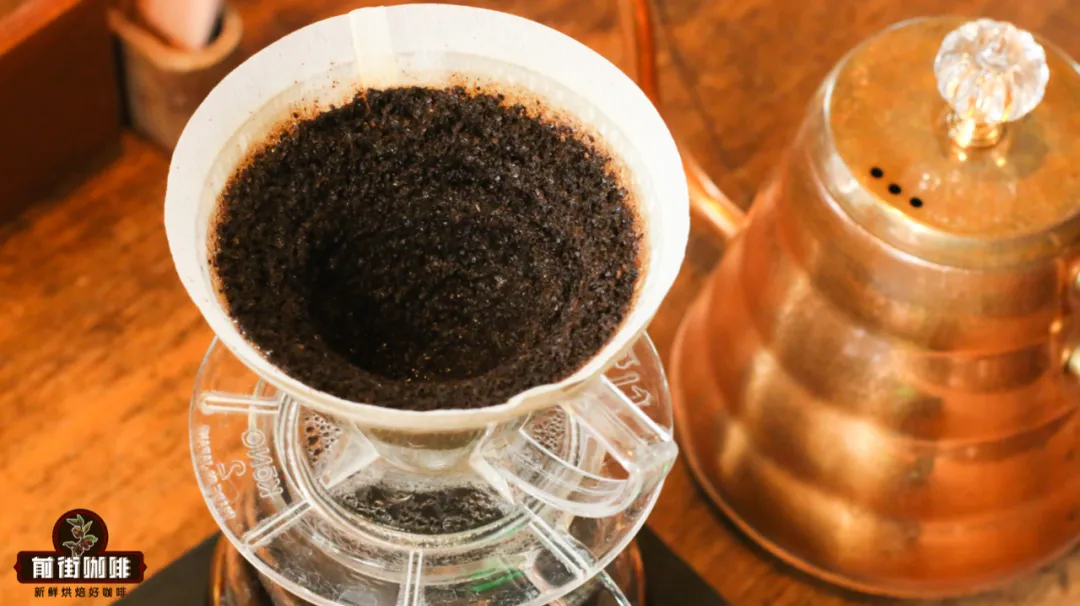
In fact, many regular pour over brewers have observed that even when using exactly the same brewing technique, if you switch to coffee beans of different roast levels or origins, the final shape of the coffee bed can vary greatly. Generally speaking, the darker the roast and the lower the bean density, the easier it is to form a noticeable indentation or deep pit during brewing; conversely, with lightly roasted, higher-density beans, you often end up with a relatively flat coffee bed.
The reason behind this lies in the buoyancy and distribution of coffee grounds in water. Lower-density coffee grounds, being lighter in weight, are more likely to float upward with rising water levels and are pushed toward the edge of the dripper during pouring, adhering to the filter paper. When these coffee particles gather along the wall of the dripper, the grounds originally in the center are dispersed by the water flow, ultimately forming a distinct indentation area in the middle.

It’s worth noting that in addition to choosing suitable coffee beans, successfully creating a deep pit coffee bed also requires an important operation: moderately raising the height of the coffee bed. That is, we need to quickly raise the water level in the dripper by pouring a larger amount of hot water in a short period of time, thereby lifting the coffee grounds as a whole.
When the pouring speed exceeds the drainage speed of the dripper, the water level gradually rises, lifting the coffee grounds along with it. This increases the space between coffee particles and provides more opportunities for them to adhere to the edge of the dripper, resulting in a deeper and more complete coffee bed indentation. However, this method may have limited effectiveness on certain high-density, lightly roasted beans, so special attention is needed during operation.
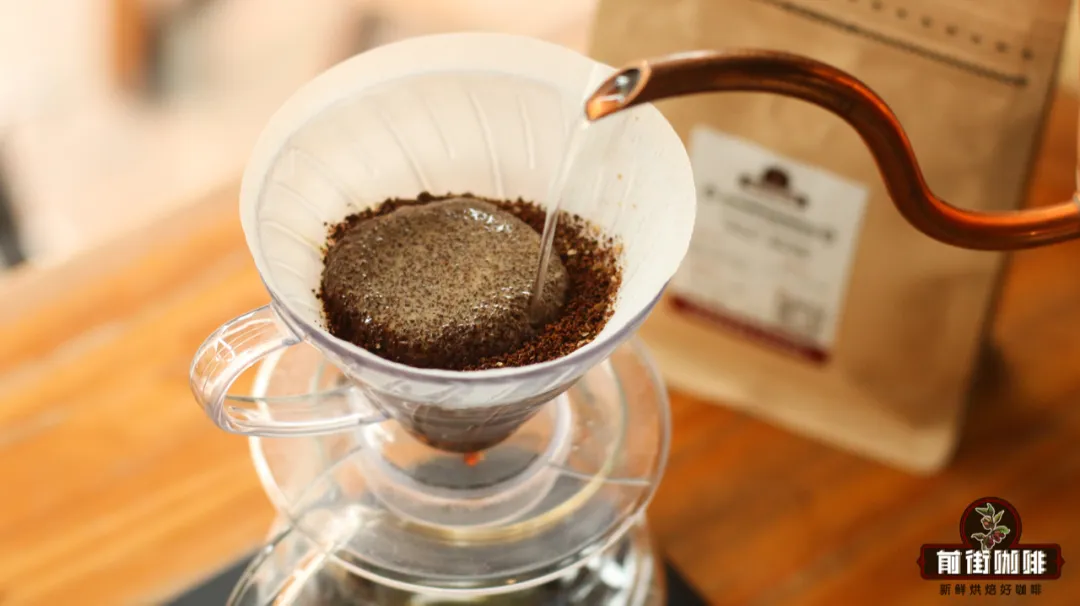
In addition, most common coffee drippers have internal flow-guiding ribs on their walls, whose primary function is to prevent the filter paper from completely sticking to the dripper wall, ensuring smooth water flow and drainage. However, if during the brewing process the water level exceeds the coffee grounds layer, hot water may flow directly down through the gaps between the grounds and the dripper wall, creating what’s known as "bypass water," which can interfere with normal extraction and lead to uneven flavor or under-extraction.
For this reason, when brewing high-density, hard-to-lift lightly roasted beans, we should try to control the water flow rate, avoiding overly fast or forceful pouring methods to reduce the possibility of bypass water. These beans include some well-known offerings from Ethiopian and Yemeni regions, which, although they don’t easily form deep pit coffee beds, can still showcase rich floral and fruity aromas and clear layers through appropriate small water flow and moderate extraction time.
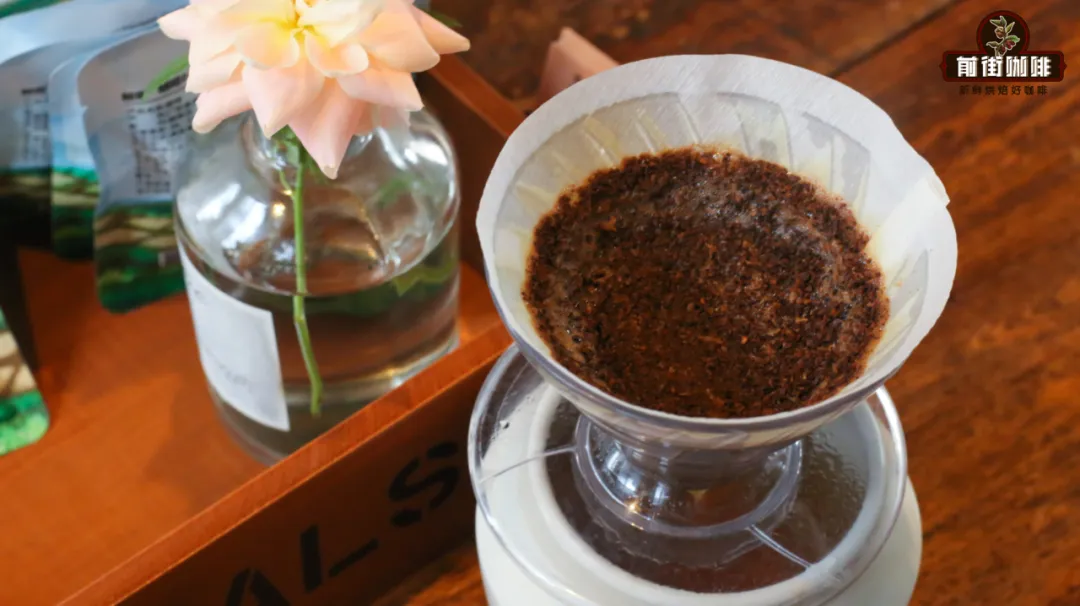
The last indispensable factor is the uniformity of water pouring. Even if you successfully raise the coffee bed, if the hot water is concentrated in one spot during pouring, it can easily cause an overly deep indentation in that area, while other parts of the coffee bed remain relatively flat, or even reveal the base of the dripper. This kind of uneven coffee bed structure not only affects visual appeal but also indirectly reflects your control over pouring.
Therefore, to achieve a deep and uniformly shaped coffee bed, in addition to selecting beans and controlling the amount of water poured, you also need to pay special attention to the distribution of the water stream—try to pour in a circular or spiral motion to ensure even coverage, and avoid applying too much water pressure to any single area.
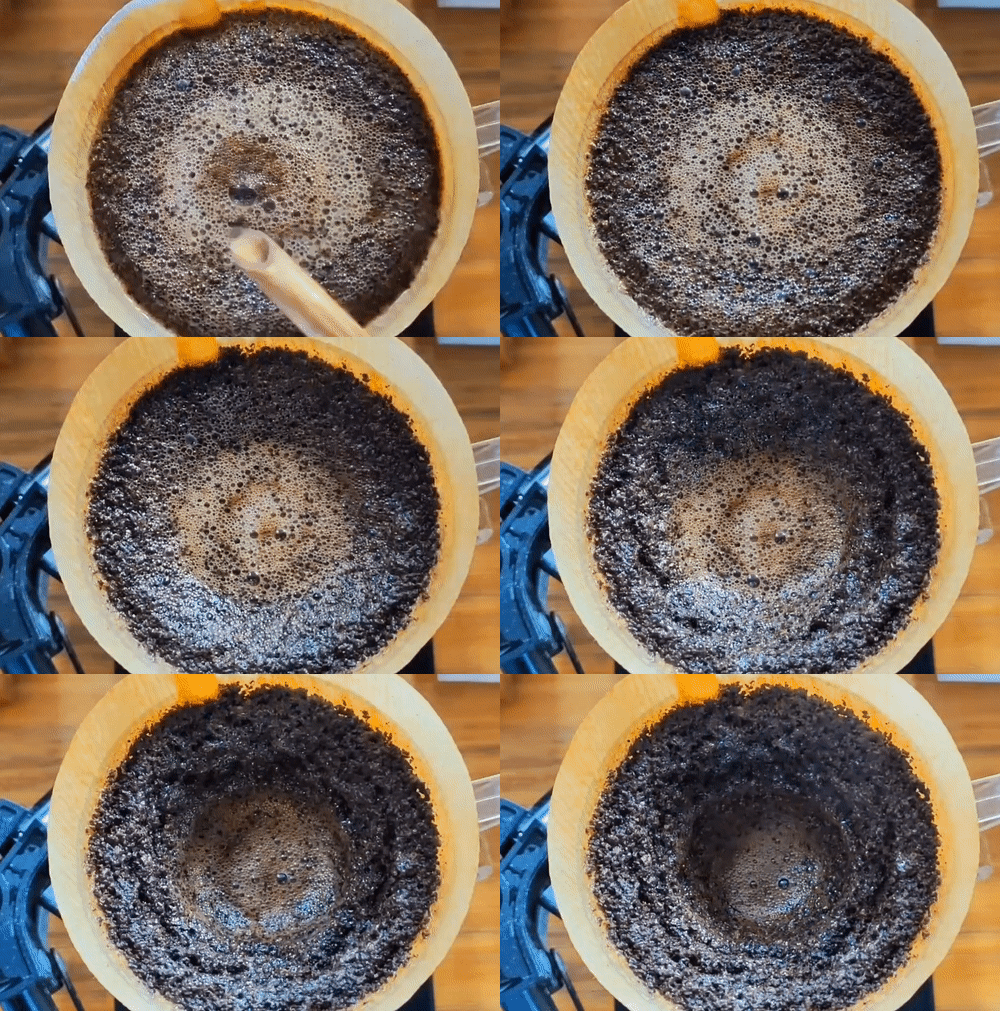
In summary, creating a uniformly deep coffee bed hinges on three key elements: selecting coffee beans with moderate density, controlling the pouring speed and volume of water, and maintaining stable and even water flow distribution. By mastering these three elements, even novice pour over brewers can gradually improve their control over the shape of the coffee bed, further optimizing the overall brewing process and coffee quality.
The above content is compiled by CoffeeHunters, a coffee news website.


