







Introduction:Zhengzhou Public Transport Group and Mixue Ice Cream & Tea have joined forces to open the first in-BRT-store outlet within a rapid transit station, aiming to create a new model of extending public transport services. However, issues such as the legality of the store’s planning and whether it occupies pedestrian walkways or blind lanes have sparked widespread concern among citizens and the media. This article delves into the background of the incident, official responses, and public discourse to help you understand the challenges and boundaries of commercializing urban public spaces.
In Zhengzhou, Henan Province, a high-traffic BRT (Bus Rapid Transit) platform is set to welcome the first in-station store of the popular tea beverage brand Mixue Ice Cream & Tea. This innovative collaboration between Zhengzhou Public Transport Group and Mixue has chosen its pilot site on the west side of the intersection of Huayuan Road and Nongye Road, and is now beginning to take shape.
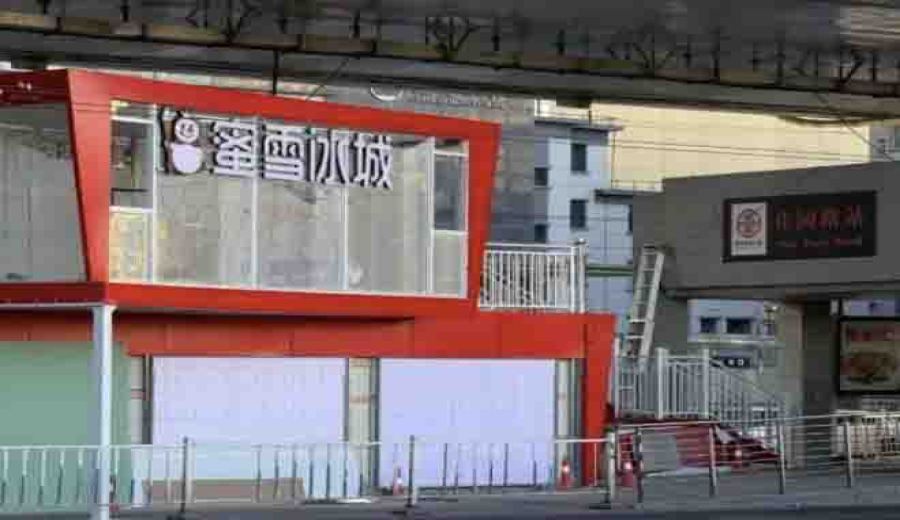
According to on-site photos, the store features a two-story structure with the brand’s signature red-and-white color scheme. The store name and logo are prominently displayed on the second floor, making them easily recognizable even from a distance. This partnership is seen as an extension of public transport services, aiming to allow passengers to conveniently purchase beverages while waiting for buses and further enhance their travel experience.
As planned, the two parties intend to establish around 10 similar station stores across Zhengzhou, positioning them as “extensions and supplements to public transport services” rather than purely commercial ventures. In the future, passengers may receive discounts on beverages based on their public transport usage records, and the transit authority also plans to upgrade station facilities to encourage green commuting.
However, this innovative initiative has sparked controversy due to issues related to construction permits. According to the Jinshui District Urban Comprehensive Law Enforcement Bureau, the store was built without obtaining a construction land use planning permit, representing a procedural flaw. A related notice was posted on the exterior wall of the store on October 22, but as no one accepted delivery, the enforcement department proceeded with public notice service.
The enforcement authorities emphasized that according to current regulations, any construction of urban buildings or structures must first apply for and obtain a construction land use planning permit from the Zhengzhou Natural Resources and Planning Bureau before legally proceeding with subsequent land procedures. However, as of now, the relevant entities have been unable to provide the necessary documentation, causing the entire process to come to a halt.
In addition, many netizens have raised questions about the actual space occupied by the store. Observations indicate that the construction may affect the normal use of sidewalks and blind lanes, especially at busy transportation hubs, potentially causing inconvenience to visually impaired individuals and general pedestrians. Some members of the public are also concerned that if the store becomes a popular photo spot, it could further exacerbate traffic and crowd congestion in the surrounding area.
In response to public concerns,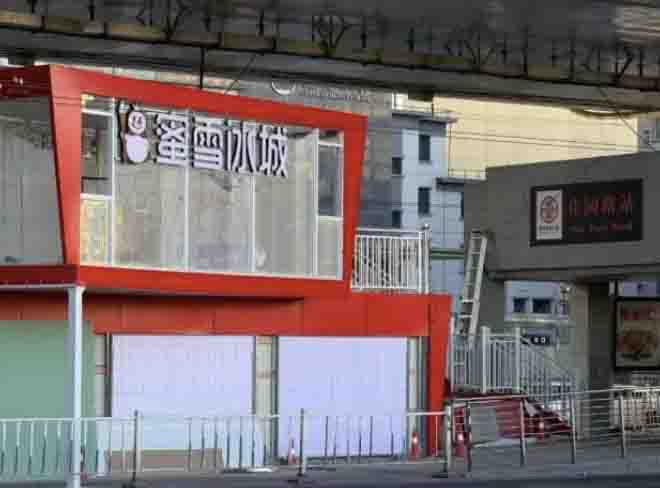 Zhengzhou Public Transport Group stated that all selected platforms feature a central island design, with passageway widths generally reachingno less than 8 meters, while the store itself occupies approximately3 metersof width, leaving around5 metersof clearance to ensure unobstructed access for passengers. The public transport group also pledged to continuously monitor the store’s operations and make dynamic adjustments as needed to maintain site functionality and public convenience.
This incident not only highlights the regulatory and management challenges of commercializing urban public spaces but also provides a valuable reference case for future coffee and tea brands seeking cross-sector collaborations. How to promote business development while balancing public interests and accessibility needs will be a shared consideration for relevant authorities and brand operators.
The above content is compiled by CoffeeHunters, a coffee news website.


