







Introduction:Have you ever hesitated when ordering at a coffee shop, unsure whether to choose a blend or pay extra for an SOE? What exactly is an SOE? And how does it relate to single-origin coffee? This article will delve into the origins of SOE, its differences from regular blends, explore why it tends to be more expensive, and analyze its flavor characteristics and extraction stability. We’ll also use practical experience to explain why some shops are hesitant to offer SOEs, helping you gain a more comprehensive understanding of the pros and cons of this type of single-origin espresso.
When you walk into a café and prepare to order a latte or an americano, the barista might ask whether you’d like to use the shop’s regular blend or would prefer to pay extra for an SOE. At that moment, you might wonder: what exactly is an SOE? Why is it more expensive than a regular blend? And what’s its relationship with the single-origin coffee we often hear about? This article will start with the definition and gradually break down the origins, characteristics, and pricing of SOEs, as well as the challenges involved in actual extraction, to help you make a smarter choice.
First, we need to clarify a common misconception: SOE stands for Single Origin Espresso, which can be translated into Chinese as “单一种产地浓缩咖啡.” It is a form of espresso, in contrast to the commonly seen “House Blend Espresso” or “regular blend espresso.” In the past, most cafés aimed for stable extraction and bold flavors by using coffee beans from various regions to create blends, often roasted to a darker degree to deliver a rich and smooth taste. At that time, the coffee market did not yet emphasize origin flavors, and consumers were not particularly sensitive to where the beans came from.
However, as the concept of specialty coffee emerged in the 1980s, the market began to focus on the unique characteristics and subtle flavors of coffee from different regions. Especially in the 2007 World Barista Championship, competitor James Hoffmann made history by winning the title with an espresso made from single-origin beans, sparking a reevaluation of SOEs within the industry. Since then, SOEs have gradually become an important element in the specialty coffee market, frequently appearing on café menus accompanied by detailed origin information and flavor descriptions—such as floral, citrus, berry, honey, or even wine-like notes—highlighting their distinctive regional traits.
Since SOEs are also made from beans sourced from a single region, how do they differ from regular single-origin coffee? Simply put, single-origin coffee is typically brewed using methods like pour over, French press, or siphon, aiming to highlight the layered flavors and terroir characteristics of the coffee itself. In contrast, an SOE specifically refers to espresso made from beans of a single origin using the high-pressure extraction method of an espresso machine. This approach not only preserves the origin flavors but also challenges the barista’s mastery of extraction parameters.
So why does choosing an SOE often come with an additional cost? The key lies in bean selection and roasting strategy. Generally, the beans used for SOEs come from well-known producing regions and feature distinct flavor profiles—for example, the bright acidity of Yirgacheffe, the berry notes of Kenyan beans, or the tea-like body and sweetness of Geisha. These beans are usually roasted to a light to medium degree to preserve more of their inherent flavors. Compared to blends, which combine beans from multiple sources to achieve balance and stability, single-origin beans not only have higher selection standards but are also relatively more expensive to produce, resulting in a naturally higher price.
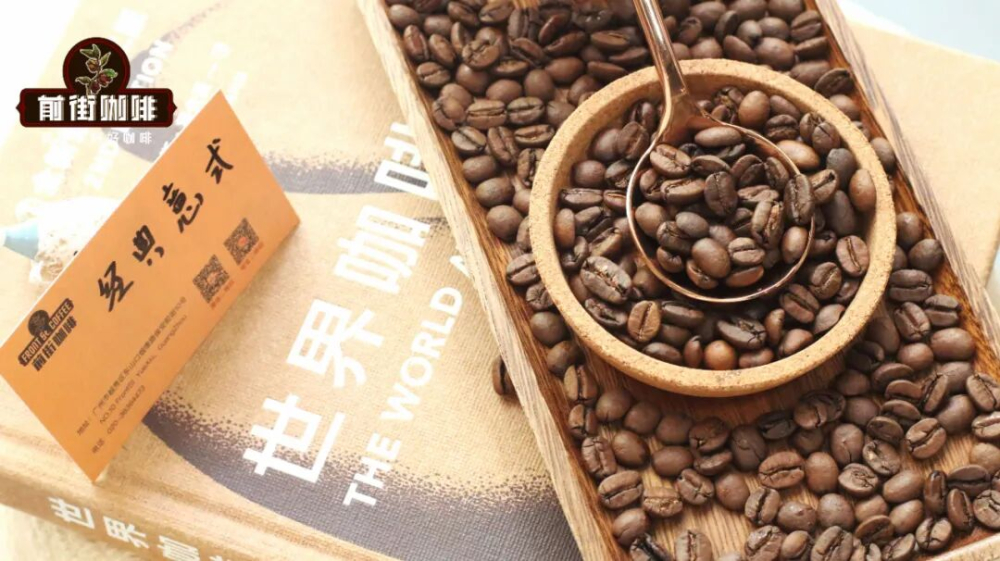
However, not all cafés are willing to offer SOE coffee, and this reluctance is largely due to the challenges of extraction stability. For baristas, SOEs are often lightly roasted, making the beans harder and requiring more precise grind settings and extraction times. Even slight deviations in parameters can easily lead to over-extraction, resulting in bitterness, or under-extraction, causing excessive acidity. Moreover, each SOE has vastly different characteristics, so designing appropriate variations such as americanos, lattes, or Dirty drinks to match those flavor profiles becomes a significant task. As a result, even if a shop offers a wide selection of single-origin beans, many professional cafés still choose not to offer SOEs casually to ensure the quality and consistency of every cup.
In summary, an SOE is a form of specialty coffee where single-origin beans are presented as espresso, offering distinct regional flavors and personalized characteristics. However, it also places higher demands on roasting, extraction, and quality control. If you see an SOE option at a café, take a moment to understand its origin and flavor profile, and then choose based on your own taste preferences. At the same time, don’t forget to observe whether the shop can consistently deliver the best version of that particular SOE—that’s often the key to judging a great cup of coffee.
The above content is compiled by CoffeeHunters, a coffee news website.


