







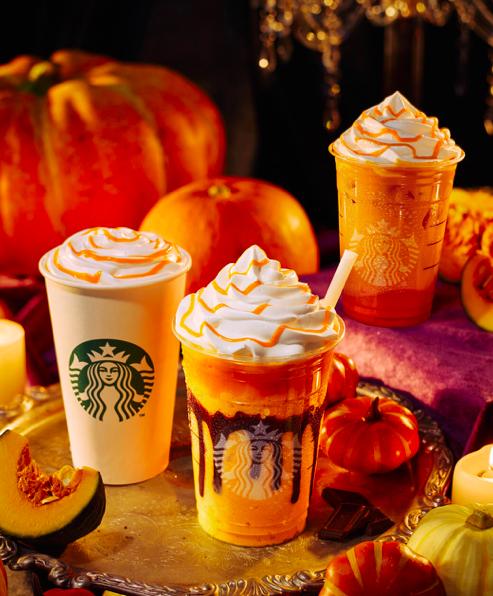
Introduction:This year, Starbucks launched a Halloween-exclusive 'Pumpkin Cheesecake Flavored Latte' in Taiwan, sparking discussions among coffee enthusiasts. As the first pumpkin-flavored drink to debut in Taiwan, how does it differ from the popular Pumpkin Spice Latte in North America? And why do many fans feel it’s “missing the soul”? This article delves into a comparison of recipe adjustments, flavor profiles, and explores the reasons behind Taiwan market-specific seasoning choices.
With Halloween approaching, Starbucks has introduced two limited-edition drinks in the Taiwanese market — the 'Pumpkin Cheesecake Flavored Latte' and a matching Frappuccino. This new move immediately sparked lively discussion within the coffee-loving community, especially drawing attention from consumers who have long followed Starbucks’ seasonal offerings overseas.
Notably, this pumpkin-flavored series shows significant differences from the classic Pumpkin Spice Latte, a staple of Starbucks’ Halloween menu in North America every year. Many Taiwanese consumers have shared their unexpected reactions on social media, particularly regarding the “lack of distinct pumpkin flavor” and the “absence of cinnamon aroma.”
According to feedback from several early tasters, the actual flavor of this new drink falls short of expectations.Most reviews point out that the specific flavor of pumpkin is almost undetectable.Meanwhile, the promised cheesecake elements are also quite restrained. One consumer even remarked: “It tastes like a regular latte with syrup added — there’s no way you’d connect it to Halloween.”
For fans who have closely followed Starbucks’ overseas holiday drinks, this new release is especially disappointing. Aside from the underwhelming flavors, a more critical issue isthe absence of the signature cinnamon spicethat defines the Pumpkin Spice Latte. It’s understood that the North American version of this classic drink is built upon a pumpkin flavor base, blended with warm spices such as cinnamon, ginger, and nutmeg, creating a unique autumnal flavor combination. This complex aromatic layering is what many consumers consider the “soul” of the drink.
Industry experts suggest several possible reasons why the Taiwanese version doesn’t adopt the same formula. First,Asian consumers generally have lower acceptance of spice combinations,especially the strong flavors of potent spices like cinnamon, which may not appeal to all Taiwanese consumers. Additionally, the local preference for “sweet and rich” taste profiles may have prompted Starbucks to adjust the recipe to better align with local flavor tendencies.
However, some consumers hold differing views. Certain netizens argue that although the new product differs markedly from its overseas counterpart,as the first pumpkin-flavored drink introduced in Taiwan, it still holds some novelty value.They suggest that consumers shouldn’t directly compare the Taiwanese version with the North American classic, but instead approach it as an entirely new beverage.
From a technical perspective, the Pumpkin Cheesecake Flavored Latte is still based on Starbucks’ standard espresso, paired with a specially formulated pumpkin-flavored syrup. Observations indicate that the drink has a relatively rich milk foam layer, but the overall flavor focus leans clearly toward sweetness rather than showcasing layered spice notes.
For consumers in Taiwan wishing to experience something closer to the Pumpkin Spice Latte flavor, experts recommend trying the following adjustments:asking the barista to sprinkle a bit of cinnamon powder on top of the drink,or pairing it with a dessert like pumpkin bread to create a more complete Halloween-themed treat.
Overall, while this Halloween-limited drink may not meet all consumers’ expectations, it reflects Starbucks’ strategic adaptations when entering different markets. For Taiwanese consumers, it may serve as a transitional product that could gradually lead to a formula closer to the international version in the future.
The above content is compiled by CoffeeHunters, a coffee news website.


