







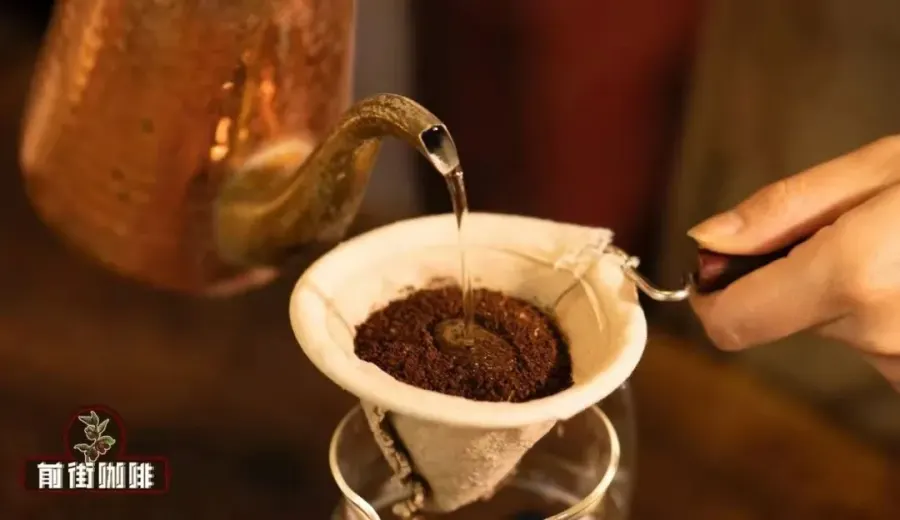
Introduction:Flannel filters hold a unique place in Japan’s pour over coffee culture, yet they are rarely seen in everyday home or café use. So what makes them different from the more common paper filter drippers? This article dives deep into the material characteristics and brewing advantages of flannel filters, and uses a practical pour over session with a dark roasted Golden Mandheling as an example to explore key parameters such as coffee-to-water ratio, water temperature, and pouring techniques, as well as the differences in flavor, mouthfeel, and clarity compared to paper-filtered brews — helping you find your ideal brewing method.
When it comes to flannel filters, many coffee enthusiasts may have only seen them in Japanese coffee videos or travel shows, but have little hands-on experience. Compared to the widely used paper filter drippers, although not as common, flannel filters have cultivated a loyal following in Japan’s pour over community due to their distinctive extraction flavors. So what is the charm of flannel filters that sets them apart from other tools?
Flannel originated in Wales, UK, and is a soft, fuzzy fabric that was initially not used for coffee but rather widely applied in clothing and household items. It wasn’t until the 17th century, when paper filters had not yet been invented, that Europeans began using flannel to filter brewed coffee. Later, as pour over culture spread to Japan, flannel filters gradually evolved into a dedicated brewing medium for pour over coffee.
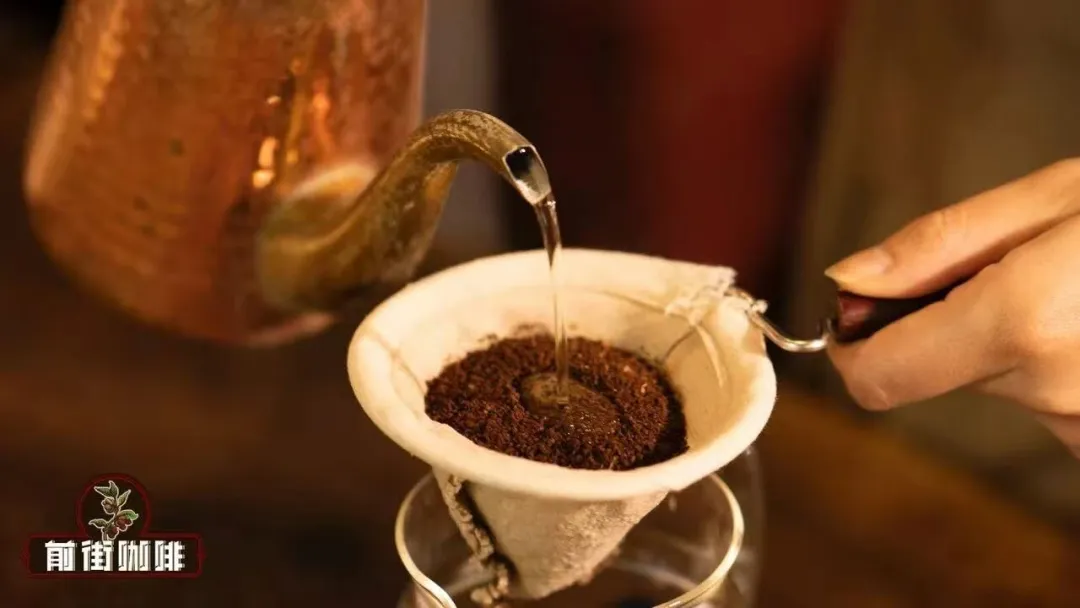
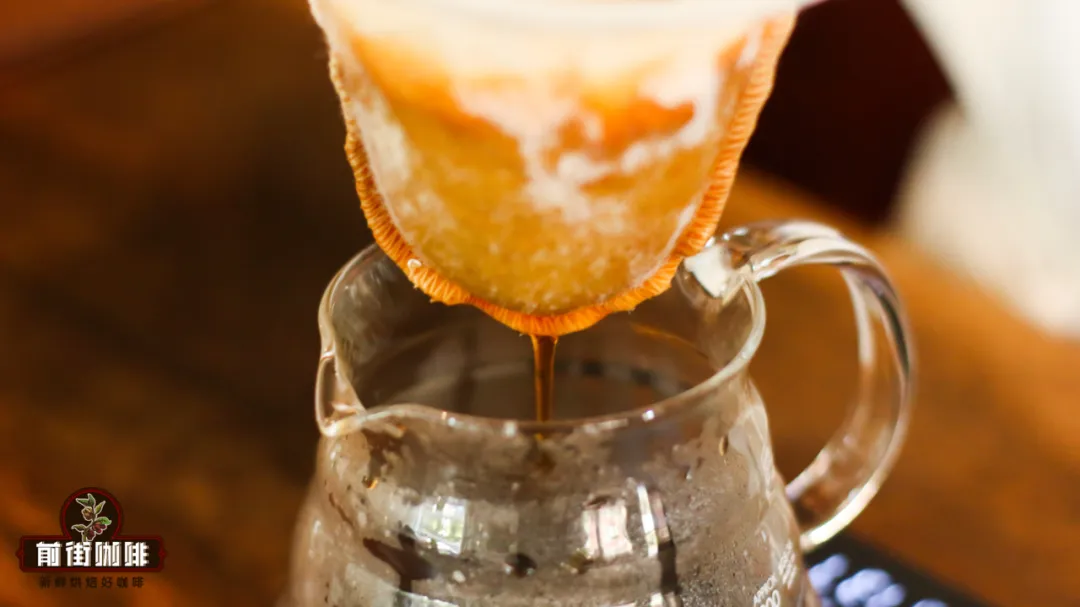
Compared to paper filters, flannel has larger gaps between its fibers, which allows some coffee oils and fine suspended particles to pass through the fabric, thereby influencing the extraction results. These oils are rich in oil-soluble aromatic compounds that can bring out a richer and more layered aroma, while also imparting a rounder, fuller mouthfeel. For this reason, coffee brewed with a flannel filter is often described as more aromatic and with a longer, smoother aftertaste.
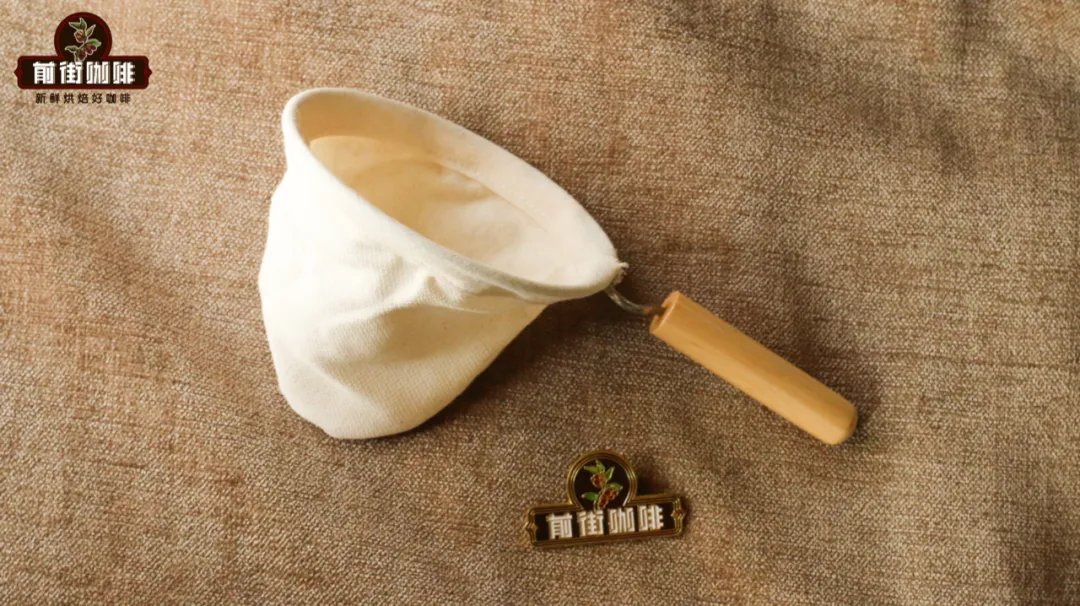
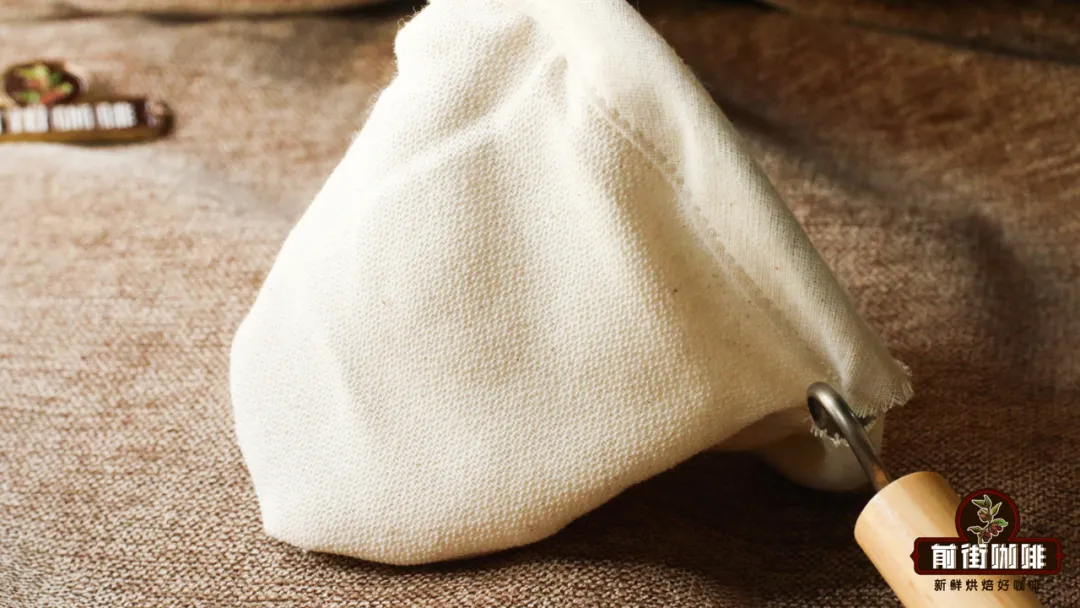
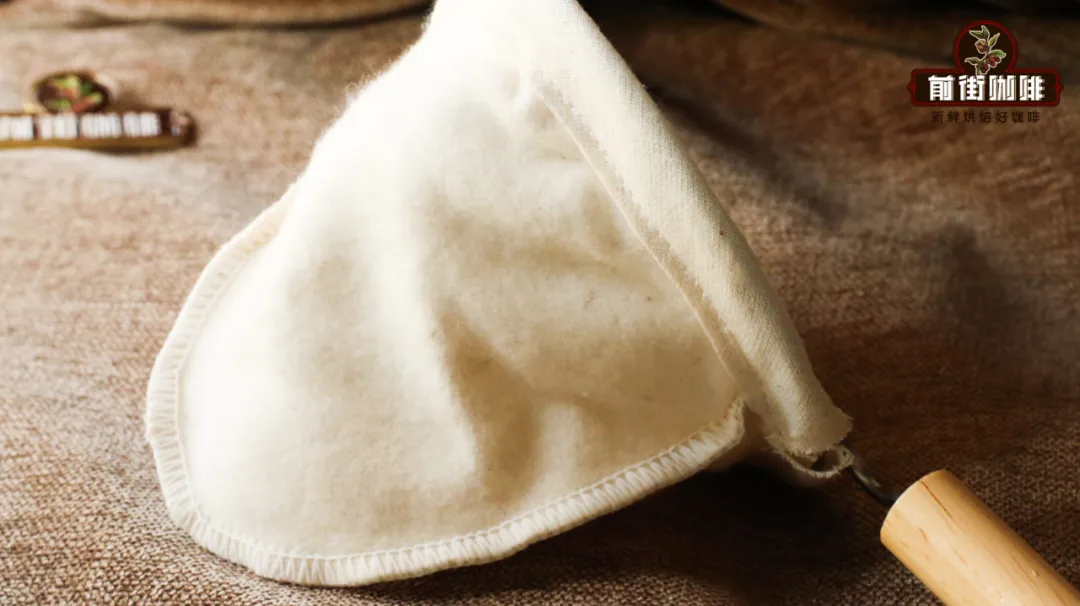
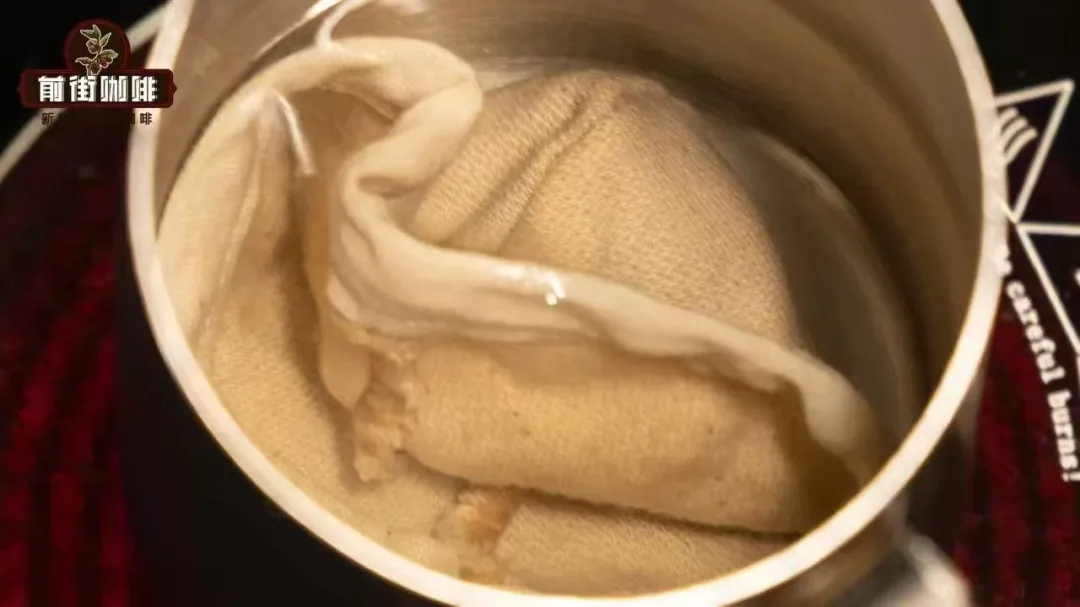
Flannel filters come in two textures: felted and cotton. The cotton side has a slightly rough weave, while the felted side features delicate fuzz for a smoother touch. Although both sides can be used to hold the coffee grounds, it is generally recommended to have the cotton side facing inward and the felted side outward. This not only makes cleaning easier but also helps reduce issues with coffee grounds buildup.

Flannel filters are usually fixed onto a metal handle, so they can be used either by hand or hung on a server. Most users prefer the latter because it retains the ritual feel of pour over while also offering practical convenience.
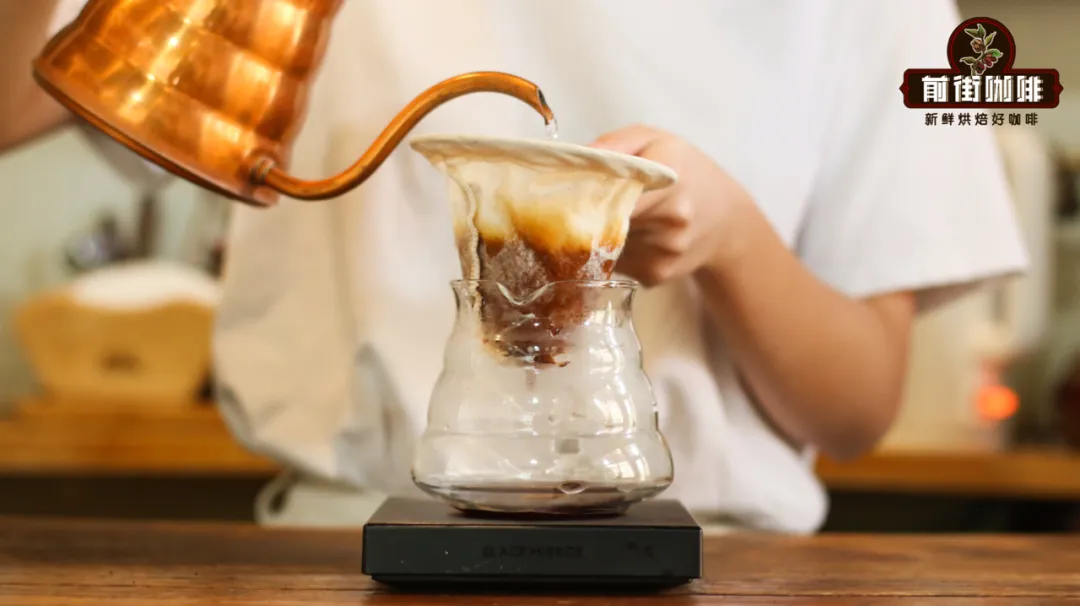
Next, we’ll demonstrate in practice how to brew a flavorful dark roast coffee using a flannel filter. The coffee used in this demonstration is a brand’s PWN Golden Mandheling, a dark roast bean that is very suitable for showcasing the extraction characteristics of flannel.
The brewing parameters are set as follows: 20 grams of coffee, a coffee-to-water ratio of 1:13 (equivalent to a powder-to-water ratio of approximately 1:15), water temperature controlled at 88°C, grind size around 10.5 on the Ek43 grinder — roughly equivalent to a 20-mesh sieve with a 70%–75% extraction rate — slightly finer than a typical pour over grind to fully extract the aroma and body of the dark roast. A three-stage pouring method is used, with a total extraction time of about 2 minutes and 21 seconds, targeting a final liquid weight of 260 milliliters.
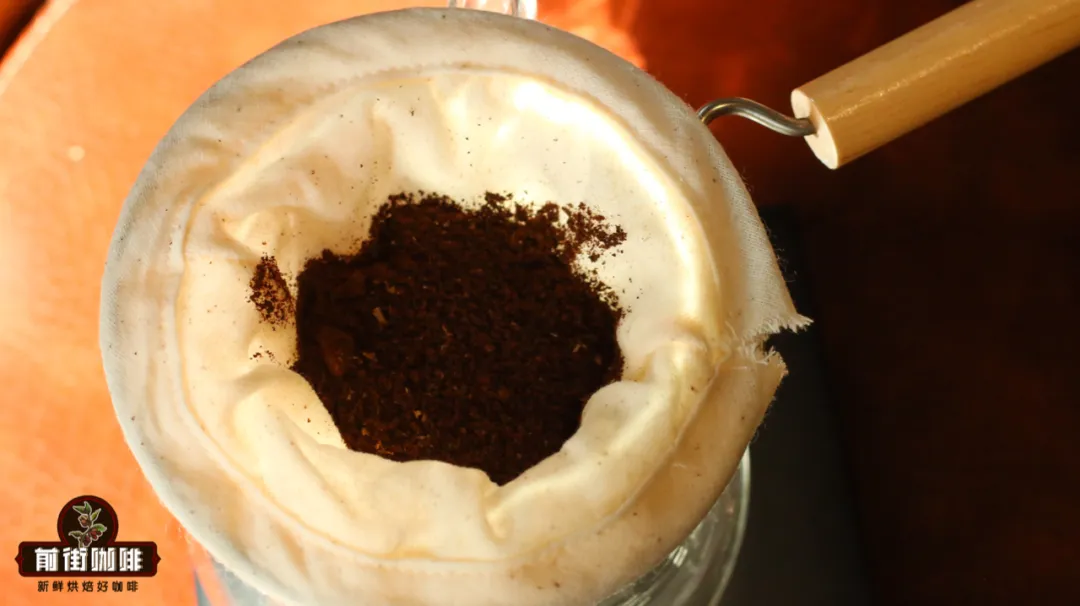
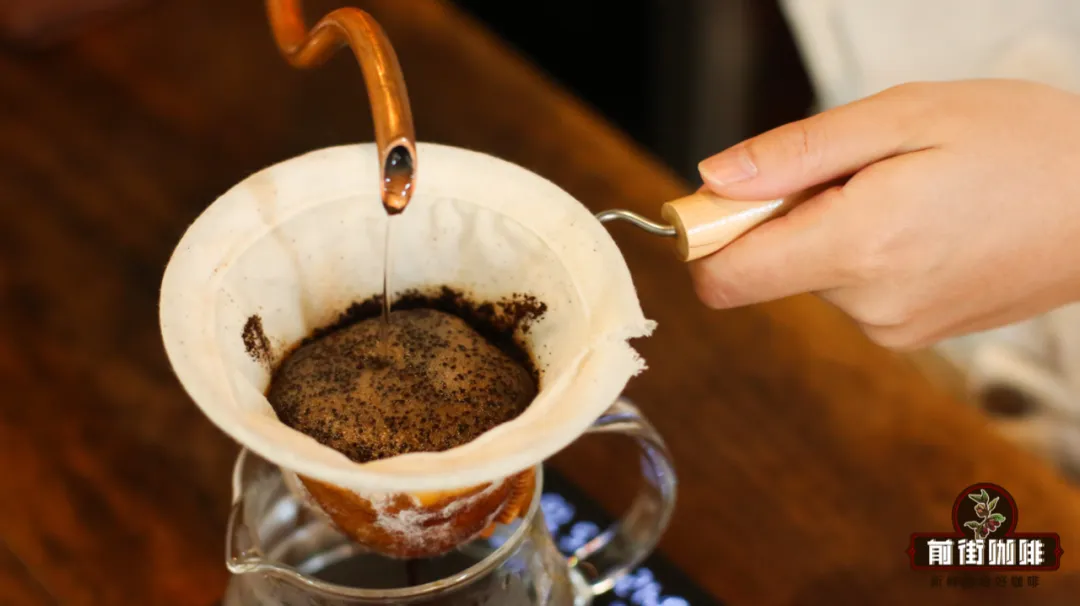
Since the flannel filter does not directly sit on a server like a dripper does, you should use the "coffee-to-water ratio" as the measurement benchmark rather than the common "powder-to-water ratio." During the blooming phase, you don’t need to pour double the amount of water based on the coffee weight. Instead, just evenly wet the coffee grounds. It is recommended to start pouring hot water from the center of the coffee bed and then slowly spiral outward, ensuring all the grounds are saturated to avoid channeling. The blooming time is suggested to last about 30 seconds.
After blooming, begin the first pouring stage by using a medium flow rate, spiraling from the center outward and then back inward, repeating this action until the water level approaches the surface of the coffee layer. Wait until the water in the flannel has mostly dripped through before proceeding to the next pour. Starting from the third stage, it’s recommended to reduce the spiral range and focus on an area about the size of a coin at the center of the coffee layer, which helps stabilize the flow rate and improve extraction efficiency. Once the target liquid weight is reached, remove the flannel and conclude the extraction process.
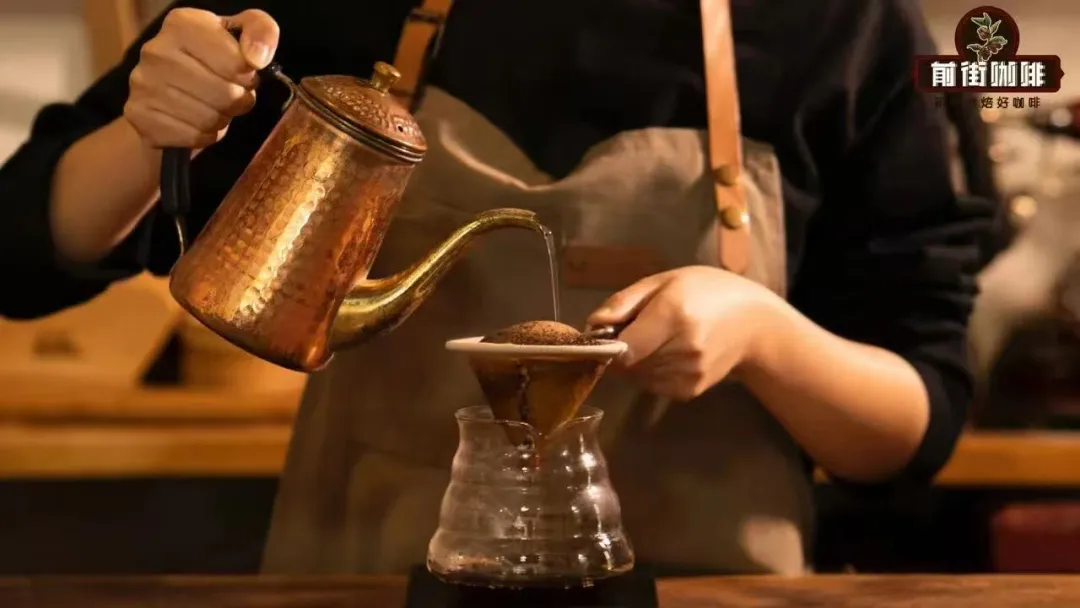
To compare the differences, we also used the same brand’s PWN Golden Mandheling, with the same coffee amount, water temperature, grind size, and roughly the same powder-to-water ratio (1:15), but this time brewed with a Kono dripper and paper filter. Although the parameters of the two brewing methods are similar, the actual tasting experience reveals distinctly different flavor profiles.
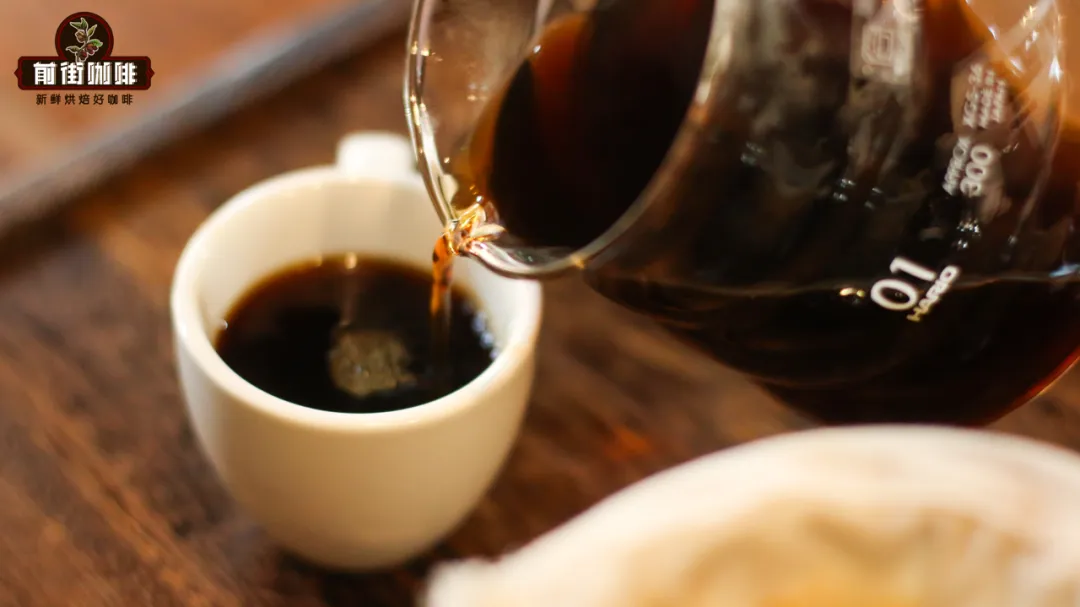
The flannel version exhibits a richer and more multi-layered aroma, with a smooth and full-bodied mouthfeel upon drinking, and a noticeably longer aftertaste. In contrast, the paper filter combination showcases higher clarity and cleanliness, with distinct flavor layers, but lacks the richness and velvety texture of the flannel. Both versions express notes of chocolate, nuts, pine, and spices, but the flannel has the upper hand in aroma persistence and aftertaste richness.
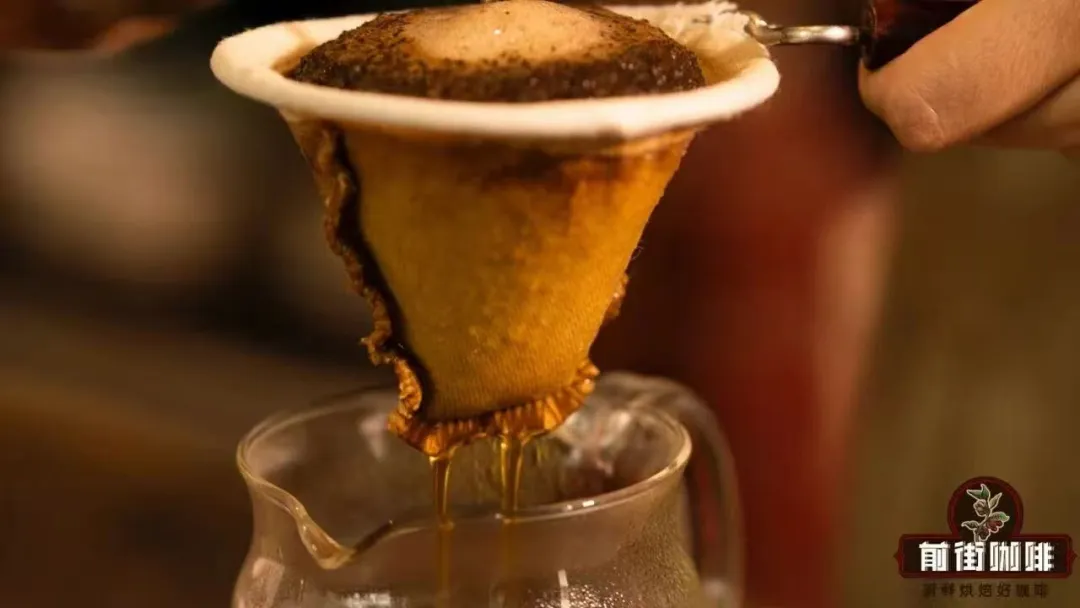
In summary, flannel filters and paper filter drippers each offer a unique extraction style. Flannel emphasizes aroma expression and body richness, making it ideal for coffee lovers who enjoy full-bodied flavors and a lingering aftertaste. Paper filters, on the other hand, provide a clearer and cleaner mouthfeel, suiting those who prefer a more defined and crisp flavor profile. Neither is absolutely superior — it all depends on personal preference and brewing goals.
However, why are flannel filter-brewed coffees rarely seen in cafés in Taiwan or mainland China? The key lies in the fact that flannel filters are not disposable — they need to be thoroughly cleaned and sanitized after each use to extend their lifespan and prevent odors or residues from affecting the next brew. In contrast, paper filters can be simply discarded after use, making the process more convenient — which is why most cafés opt for the paper filter and dripper combination.
For home users or brewing enthusiasts seeking unique flavors, flannel filters remain a worthwhile option to try. With the right cleaning and maintenance methods, you can continue to enjoy the distinctive brewing experience and flavor expression they offer.

The above content is compiled by CoffeeHunters, a coffee news website.


