







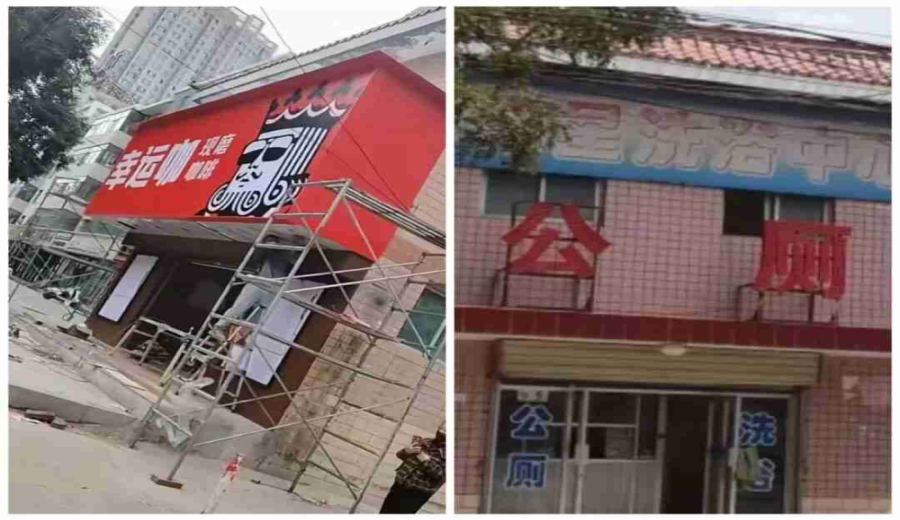
Introduction:A public toilet in Zhengning County, Qingyang, Gansu Province, which had been in use for over 30 years, was renovated and intended to be transformed into a retail outlet for the coffee chain “Lucky Cafe.” However, it was sealed off by the authorities due to the lack of necessary construction permits. This article delves into the approval process oversights, property dispute details, and explores the common compliance thresholds involved in repurposing public facilities for commercial use, helping readers understand the relevant regulations and potential risks.
Recently, a 30-year-old public toilet in Zhengning County, Qingyang, Gansu, was renovated over the course of about a month and turned into a freshly ground coffee shop under the chain brand “Lucky Cafe.” This move quickly sparked heated discussions among local residents and netizens. The second floor of the building was originally home to a well-known bath center and was relatively recognizable in the area. Despite being newly renovated and adorned with the brand’s signage, the shop was sealed with a closure notice just before it was set to open, prohibiting further operations.
The Zhengning County Housing and Urban-Rural Development Bureau responded by stating that the project had not legally obtained planning or construction permits and had unauthorizedly altered the original use of the building, thus being deemed an illegal renovation. As a result, it was sealed off according to the law. The brand also confirmed that, due to the property status of the involved outlet not meeting franchise standards, it would not pass headquarters approval and would not be permitted to operate in the future.
Regarding this transformation from “public toilet to coffee shop,” many local citizens and netizens expressed surprise and confusion. Many admitted that the idea of a coffee shop originating from a public toilet used for 30 years was psychologically hard to accept.They worried that the previous usage might affect trust in food hygiene.Some even developed a resistance to the brand. Certain consumers bluntly stated that even if the shop invested heavily in renovations, it would be difficult to change the long-standing impression the location had in the minds of locals.
Some observers, however, noted that converting underutilized public facilities into commercial spaces is not without precedent and might have been an attempt at urban renewal by the local government.Reasonable renovation has the potential to revitalize idle spaces and could even create new landmarks.However, this incident highlights the strict planning and approval procedures that must be followed when converting public facilities for commercial use.
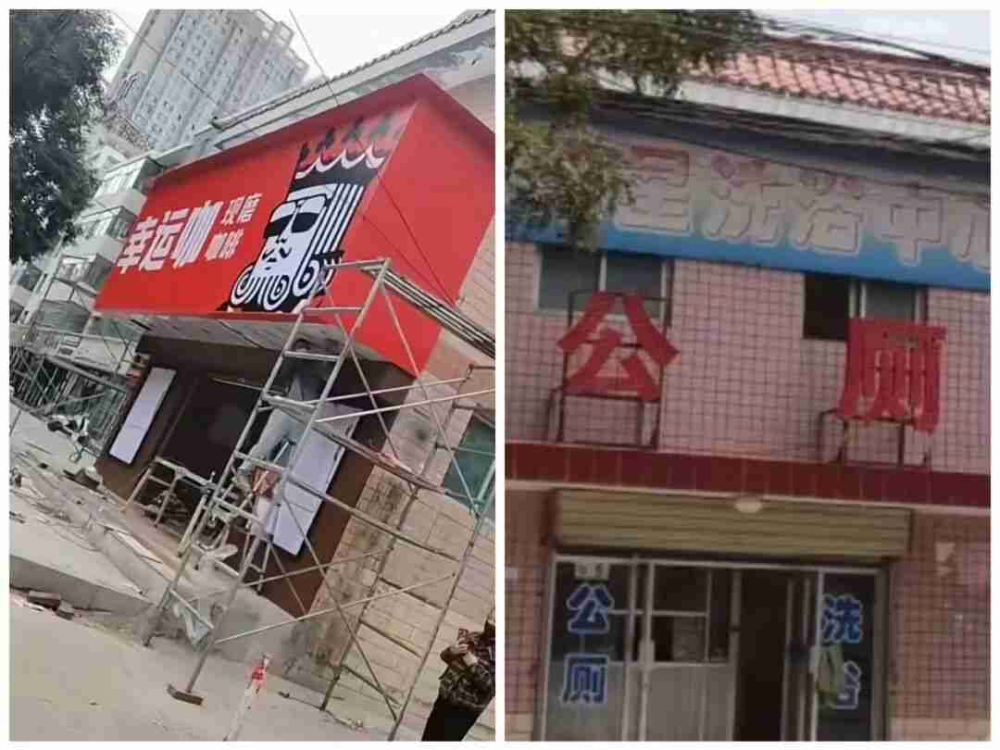
According to local residents, the coffee shop, which was expected to open soon, was suddenly sealed after the renovation was completed, with a closure notice posted on the door, the specific reason for which was initially unclear. In response to the incident, the Zhengning County Comprehensive Administrative Law Enforcement Bureau for Urban Management explained that the property structure was relatively complex, involving multiple stakeholders' rights and interests. It is currently actively coordinating the handling of the matter. As for whether it will be able to operate legally in the future, it still depends on completing all necessary procedures and resolving related disputes.
Experts pointed out that converting existing public buildings for commercial use requires going through multiple procedures, including urban planning, building safety, and fire safety reviews.Unauthorized construction and changes in use without obtaining complete permits are not only illegal but also pose significant safety hazards.This case serves as a reminder to businesses and investors to thoroughly understand local laws and application processes before undertaking similar renovations, to avoid investment losses due to procedural oversights.
The controversy surrounding the transformation of a public toilet into a coffee shop in Qingyang is not just a local news item but highlights the multiple challenges involved in repurposing public resources, which must balance regulatory compliance, community acceptance, and commercial viability. For entrepreneurs interested in entering the coffee industry or renovating old buildings, understanding and adhering to relevant building and business regulations is a crucial first step toward successful operation.
The above content is compiled by CoffeeHunters, a coffee news website.


