







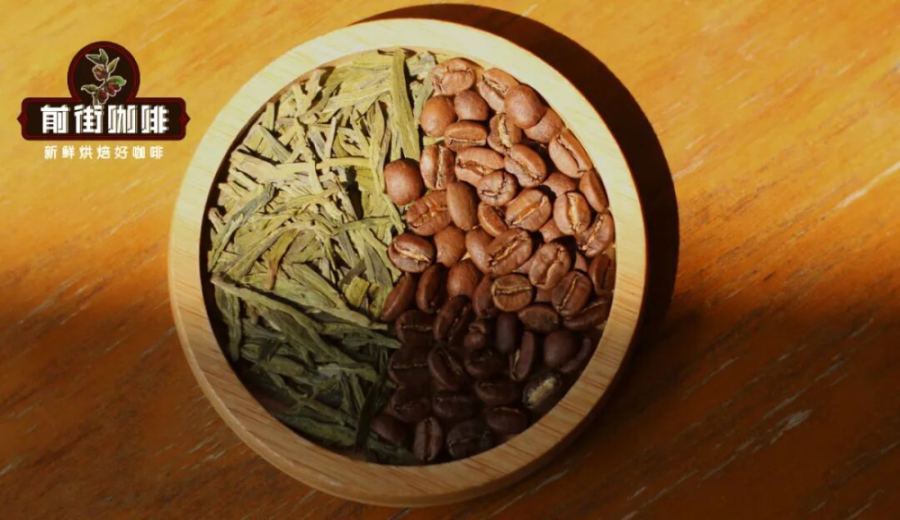
Introduction:Want to try a unique flavor that blends the aroma of tea with coffee? This article puts three classic methods of making Longjing iced americano to the test — from espresso machine extraction, moka pot brewing to cold-brewed tea mixed in — detailing every step including coffee grind size, amount of tea leaves, and extraction time. By comparing the differences between brewing tea separately or together with coffee, we help you find the most balanced golden ratio so you can easily recreate this refreshing summer drink either at home or in a café.
Blending Eastern tea aroma with Western coffee culture, Longjing iced americano has become a favorite among many coffee enthusiasts in recent years. But pairing tea with coffee is an art — how do you prevent the tea flavor from being overshadowed by the boldness of coffee while preserving the freshness of green tea and the richness of coffee? In this guide, we use a medium-roast Diamond Hill bean as the base and test three common methods — from the basic tea-infusion method to the advanced co-extraction with tea powder — breaking down key techniques and common pitfalls to help you craft a balanced and delicious creative iced americano.
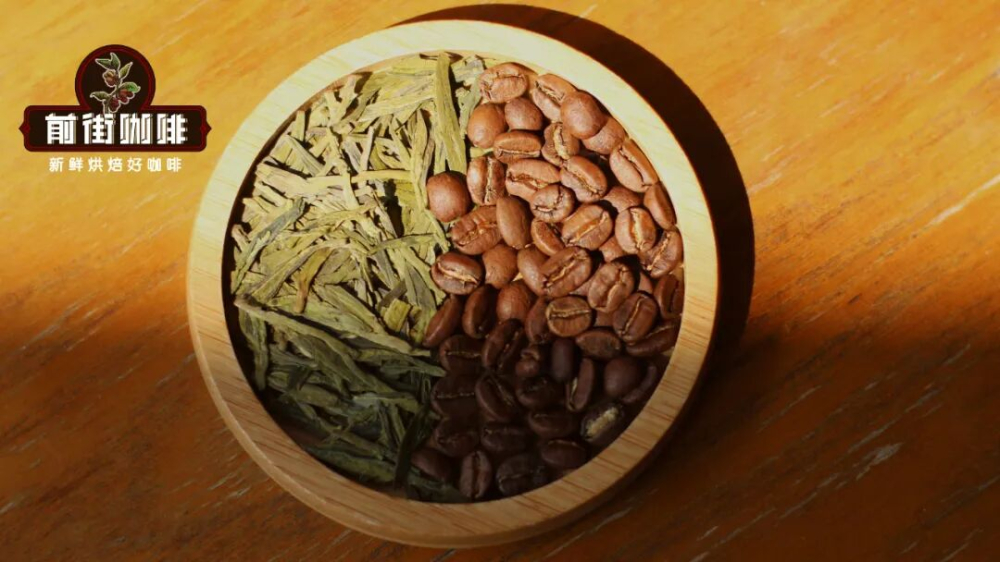
First, let’s talk about tea selection. While Longjing is classic, you can actually experiment with any tightly rolled green tea with bright aroma, such as Biluochun or Huangshan Maofeng. If you want to expand the flavor profile, you can also try lightly fermented Baozhong tea or jasmine-scented green tea. As for coffee beans, it’s best to avoid those with intense bitterness from dark roasting, and instead choosemedium-roast beans processed via sun-drying, washed, or honey methods— such as the Diamond Hill coffee used in this guide, which features distinct notes of cocoa, citrus, and honey, complementing the freshness of green tea very well.
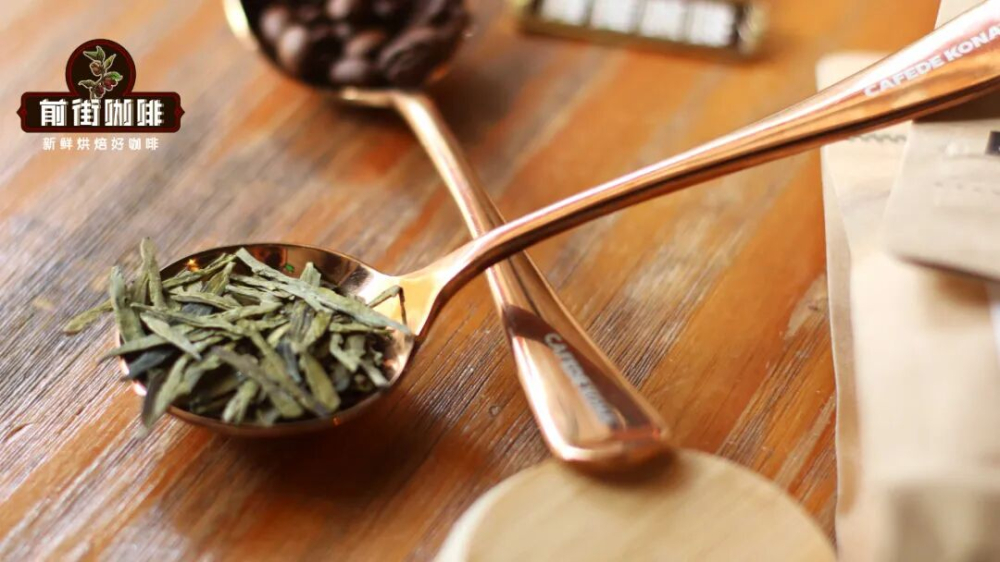
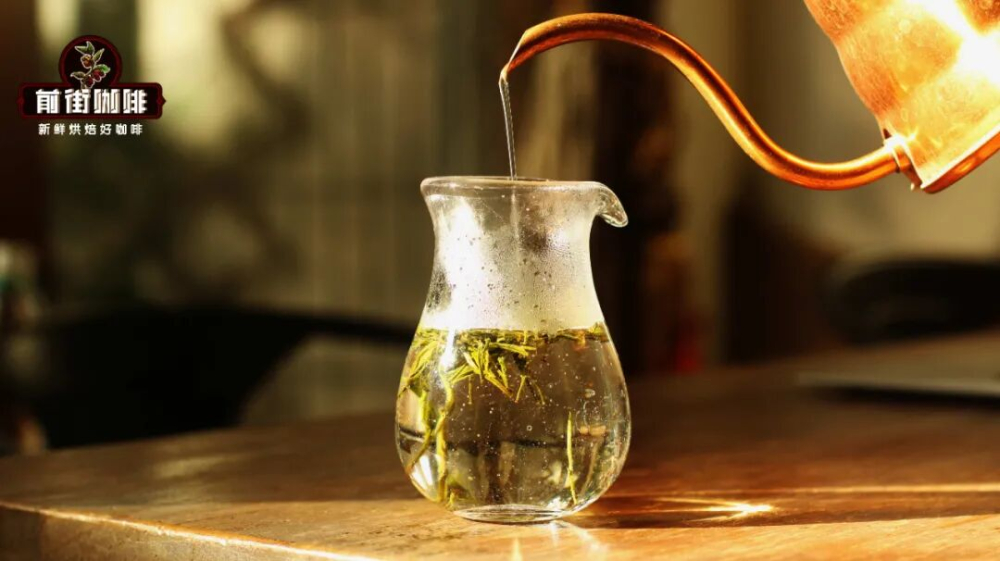
The first method we tested is “tea broth base + ice cubes + espresso,” which is simple and easy to control. First, take4 grams of Longjing tea leaves, and steep them in200 grams of 90°C hot waterfor about1 minute and 30 seconds, then filter out the clear tea broth; next, place100 grams of ice cubesin a cup, pour in the tea broth, and adjust the overall flavor by adding5 grams of syrupas desired, then cool it for later use; finally, use20 grams of medium-fine ground coffeeand extract40 grams of espressowith an espresso machine, keeping the time to around29 seconds, then pour it directly over the tea broth to complete this refreshing Longjing iced americano.
The second method involves co-extracting tea leaves and coffee grounds under high pressure using an espresso machine, resulting in higher flavor integration but also greater risk. First, mix18 grams of coffee groundswith2 grams of Longjing tea leaves ground extremely fine, and evenly distribute and tamp them in the portafilter; use the espresso machine to extract40 grams of the combined liquidin25 seconds, then immediately pour it into ice water containing5 grams of syrupand stir well. This method, due to the high-pressure extraction, is very prone to over-extraction, leading to noticeable astringency and bitterness in both the tea and coffee. Beginners are advised to reduce the amount of coffee or use a slightly coarser grind.
The third option is to use a moka pot, ideal for coffee lovers who enjoy stovetop brewing. The first approach is to first brew green tea using4 grams of Longjing tea leaves and 200 grams of hot water, let it cool, add ice cubes, then use the moka pot heated overmedium heatto extract60–80 milliliters of medium-coarse ground coffee liquid (about 18 grams of coffee grounds), and pour it directly over the tea broth; the second approach is to mix19 grams of coffee grounds with 2 grams of Longjing tea leavesevenly, fill the basket, and heat the moka pot until the liquid starts flowing from the lower chamber, then turn off the heat. Once the coffee-tea mixture has completely dripped down, combine it with the pre-prepared tea broth and5 grams of syrup. Since the moka pot exerts less pressure than an espresso machine, the extracted coffee is gentler and the tea substances are released more mildly, resulting in a more balanced overall flavor, suitable for first-time尝试.
Actual taste tests showed that the first method — using a tea broth base — though slightly stronger in coffee flavor, allows the tea aroma to remain distinct, with orange and nutty notes emerging slowly after swallowing. It’s simple to operate and yields consistent results. The second method — co-extracting tea powder — due to the dual high pressure, is very prone to over-extraction, resulting in unbalanced flavors, and is therefore advised against or to be adjusted significantly. The third moka pot version, with its lower pressure, lets the coffee and tea share the stage without competing for dominance, offering the smoothest overall experience with a mellow, energizing effect.
No matter which method you choose, pay attention to total caffeine intake. Both tea and coffee are stimulating, and their combination doubles the kick — those sensitive to caffeine are advised to reduce the amount or avoid drinking it in the evening. Additionally, the extraction time, water temperature, and ratio of tea leaves and coffee grounds greatly affect the final flavor. It’s recommended to tweak according to personal taste to find your own perfect balance.
The above content is compiled by CoffeeHunters, a coffee news website.


