







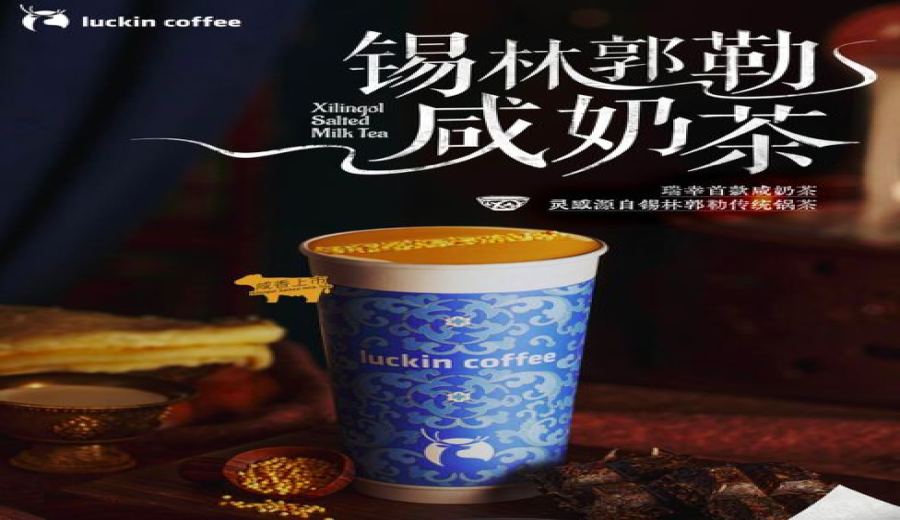
Introduction:Luckin Coffee recently launched its first savory milk tea, the "Xilingol Savory Milk Tea," inspired by Inner Mongolia’s traditional pot tea. However, market reactions have been polarized. This article delves into the formulation features of this new product, real consumer reviews, and especially the expectations and gaps felt by netizens from Inner Mongolia regarding an "authentic Xilingol milk tea." It also analyzes the flavor profile and market positioning of savory milk tea to help readers understand the cultural and taste differences behind this controversy.
Luckin Coffee has recently added a brand-new item to its menu—the brand’s first savory milk tea, the "Xilingol Savory Milk Tea." According to official descriptions, the drink is inspired by the traditional pot tea of Xilingol in Inner Mongolia. It specifically uses black brick tea as the base and includes savory toasted rice and other ingredients, aiming to recreate the unique flavor of Inner Mongolian savory milk tea.
As soon as this new product was launched, it became a hot topic in the market, attracting many consumers to try it. However, online reviews have shown clear divergence. Some users expressed amazement, noting that it strikes a balance between salty and sweet, with a well-balanced tea and milk aroma, and that the addition of toasted rice adds an interesting layer of texture. However, many other consumers were disappointed, stating outright that it was “not living up to its name.”
One of the core points of contention is the inclusion of original-flavor syrup in the production process. Some consumers, based on information shared by staff and order system details, discovered that this so-called savory milk tea actually uses syrup to harmonize the overall flavor, significantly diluting the saltiness that should be prominent. Some netizens bluntly said: “I ordered a savory milk tea, not a sweet-and-salty one” or “You can barely taste the saltiness,” questioning the product’s positioning.
The strongest feedback came from netizens in Inner Mongolia. For them, Xilingol pot tea is not just a daily beverage but also carries deep ethnic and regional cultural significance. It is understood that authentic Mongolian pot tea is brewed in an iron or copper pot, with main ingredients including ground black brick tea, fresh milk, and salt, sometimes also with milk skin, milk tofu, and dried meat, resulting in a rich and savory flavor.
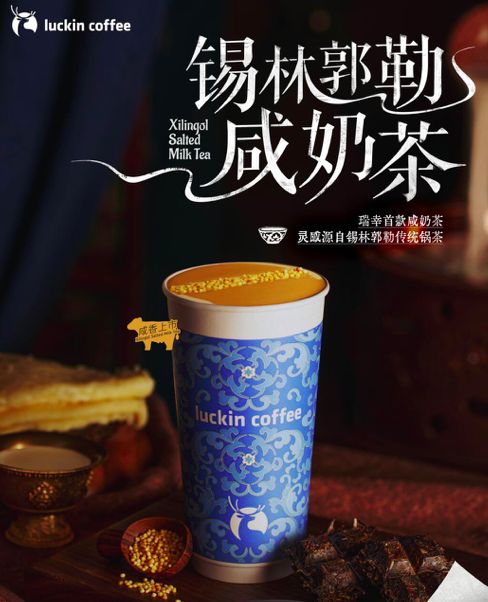
Therefore, many local netizens from Inner Mongolia who tried the drink said that Luckin’s "Xilingol Savory Milk Tea" is far from the flavor of the milk tea they know from home. Some said bluntly: “This isn’t the taste of the milk tea we drink back home” or “It doesn’t resemble Xilingol milk tea at all.” Some even compared its taste to commercially available bagged milk tea, saying it fails to represent the true traditional flavors of Inner Mongolia. They also suggested that if one wants to experience the authentic Xilingol flavor, the best way is to go there in person and taste it.
However, for consumers unfamiliar with savory milk tea culture, this adjusted new product is actually easier to drink. Compared to the intense and heavily salty traditional savory milk tea, Luckin’s version, with the addition of syrup and adjustments to the tea-to-salt ratio, has a milder flavor. This has made some first-time savory milk tea drinkers feel curious and consider it a reasonable market-oriented attempt.
In summary, although Luckin’s "Xilingol Savory Milk Tea" takes inspiration from Inner Mongolia’s traditional pot tea, its actual presentation—due to adjusted seasoning methods and issues with the degree of local flavor restoration—has sparked considerable discussion. For coffee enthusiasts keen on exploring new flavors, this new product offers a different taste experience. But if you hope to deeply appreciate the authentic essence of Mongolian savory milk tea, you might still need to visit the region and savor the most traditional flavors through the brewing process in copper pots with brick tea.
The above content is compiled by CoffeeHunters, a coffee news website.


