







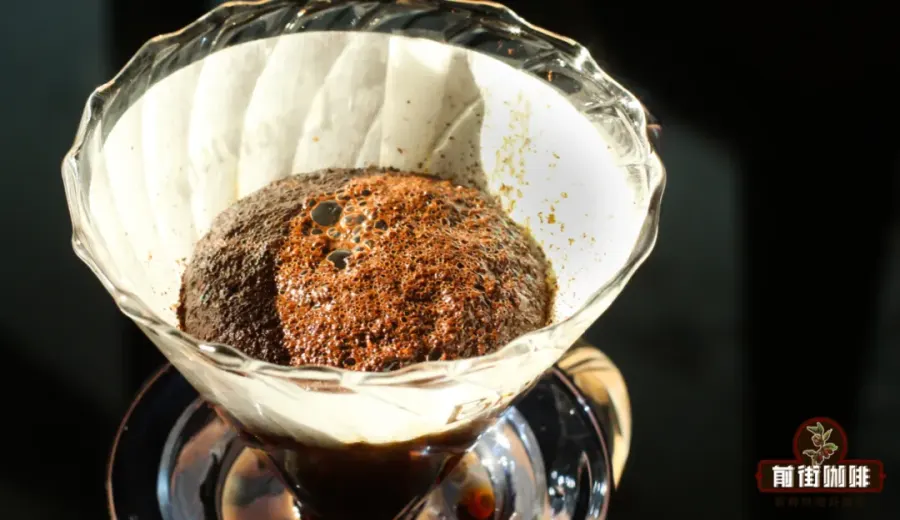
Introduction:The length of the bloom time in pour over coffee has long puzzled many beginners. It’s often said that blooming for too long can lead to under-extraction, yet theoretically, blooming helps release carbon dioxide and improve extraction efficiency. What’s the real difference between a 30-second and a 1-minute-30-second bloom? This article uses experimental data to compare how these two bloom durations affect extraction yield, water temperature, and flavor, while also analyzing potential extraction issues under extreme conditions to help you find the most suitable bloom time.
In the pour over process, blooming is an extremely critical first step. Many people have heard that blooming for too long can lead to under-extraction, which seems to conflict with our general understanding of what blooming is supposed to do. After all, the main purpose of blooming is to release carbon dioxide from the coffee grounds, allowing hot water to extract flavor compounds more smoothly—so theoretically, it should help improve extraction efficiency. But does extending the bloom time actually backfire? This article will take an in-depth look at the actual differences between 30-second and 90-second blooms, examining factors such as extraction yield, water temperature changes, and flavor performance to determine the ideal bloom duration.
A common belief is that blooming for too long may cause the water temperature to drop, thereby reducing extraction efficiency, or that once the carbon dioxide is fully released, the flow rate speeds up, reducing contact time between coffee grounds and water, ultimately leading to under-extraction. These theories seem plausible, but are they actually true? To clarify these doubts, this experiment used a certain brand’s Yirgacheffe · Guddina, beans that were about 10 days off roast and still retained a suitable amount of carbon dioxide—making them perfect for observing how different bloom times affect extraction.
The experimental setup used a three-stage extraction method, with 15.6 grams of coffee grounds and a total water volume of 225 milliliters. The grind size was set to 80% passing through a #20 sieve, and the water temperature was maintained at 92°C. The only variable was the bloom time, with two comparison groups: 30 seconds and 90 seconds. It’s worth noting that all other extraction steps and parameters were kept identical between the two groups, with only the bloom time adjusted, to ensure the accuracy of the experimental results. During the experiment, water temperature changes and pouring speed were also carefully recorded to comprehensively evaluate the impact of blooming on overall extraction.
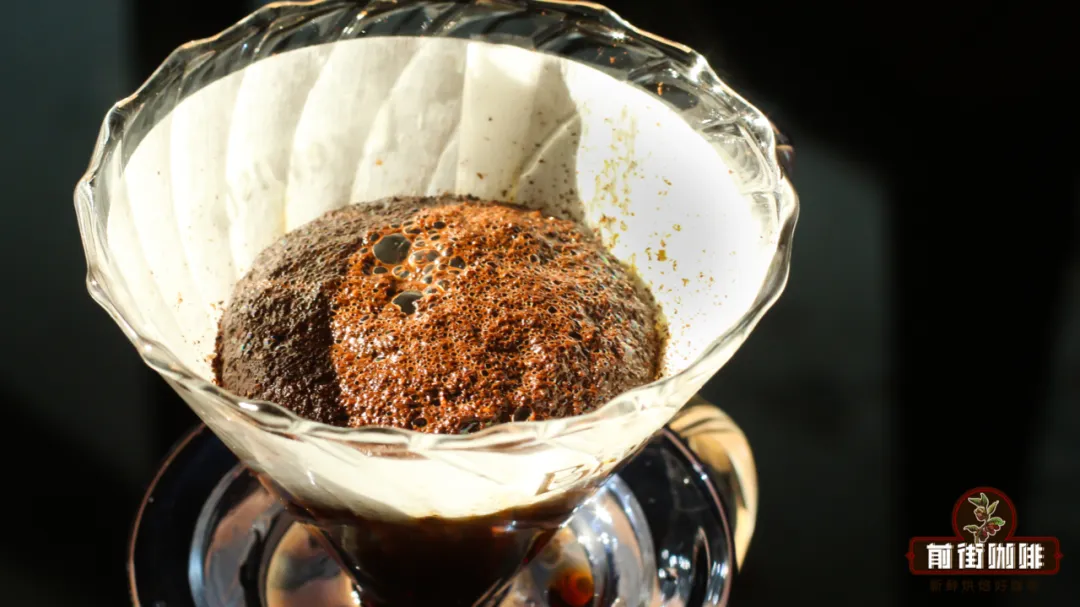
In terms of flavor performance, the Guddina with a 30-second bloom exhibited good balance, with a smooth mouthfeel and clear floral, lemon, and berry aromas, along with a fairly long aftertaste. However, the group with a 90-second bloom slightly outperformed in flavor, though the difference was minor—the overall aroma was more concentrated, and the taste was slightly more rounded. This shows that extending the bloom time doesn’t necessarily reduce flavor expression—in some cases, it may even lead to a richer extraction.

Looking further at the extraction data, the Guddina with a 30-second bloom measured a concentration of 1.48% and an extraction yield of 19.46%; whereas the 90-second bloom group recorded a concentration of 1.53% and an extraction yield of 20.13%, showing that the extraction yield actually increased slightly with a longer bloom time. This is contrary to the common belief that blooming too long leads to reduced extraction. From this, we can preliminarily conclude that under normal conditions, moderately extending the bloom time not only doesn’t cause under-extraction, but may even improve extraction efficiency.
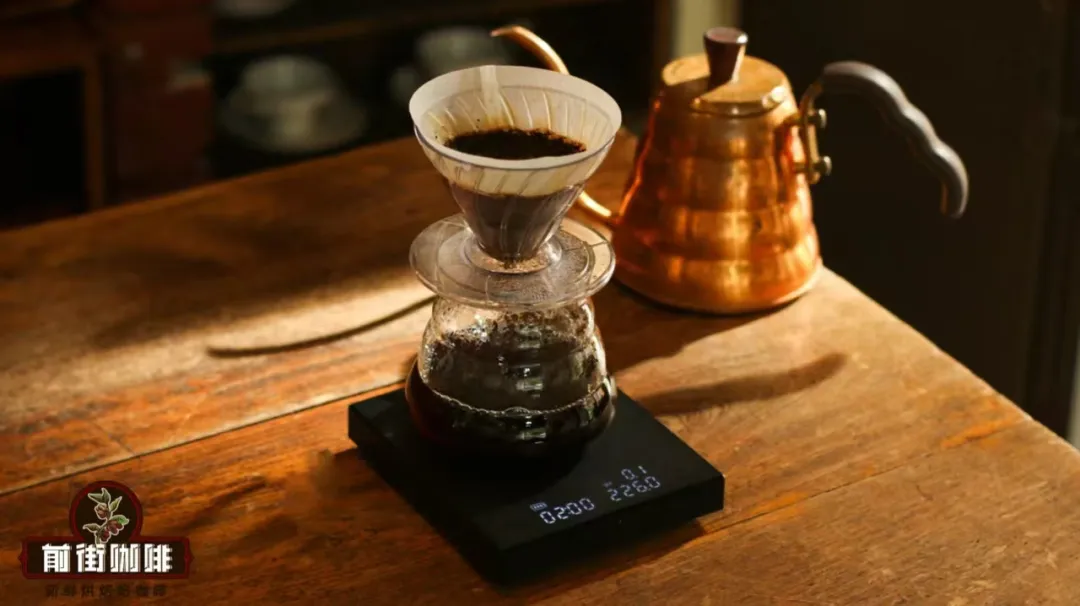
Additionally, observations regarding water temperature and pouring speed are also quite informative. The experiment found that the pouring speed was nearly identical between the two groups, with no change in the flow rate during the second and third stages of pouring due to differing bloom times—indicating that the amount of carbon dioxide released did not significantly affect water flow. As for water temperature, both brews started at 92.6°C, and by the second stage of pouring, the 30-second bloom group measured 91.4°C, while the 90-second bloom group was at 90.9°C—just a 0.5°C difference, which has minimal impact on overall extraction.
Combining the above experimental results, we can conclude that under normal pour over conditions, extending the bloom time from 30 seconds to 90 seconds not only doesn’t lead to under-extraction, but may slightly improve extraction yield thanks to more thorough carbon dioxide release. However, this doesn’t mean the longer the bloom, the better. In certain extreme cases—such as blooming for over 1 minute 30 seconds, low ambient temperatures, or poor heat retention of the pour over kettle—it could cause the water temperature to drop too much, affecting extraction efficiency and resulting in an extraction yield below the ideal level.
Even so, the extraction yield difference in such cases is usually not significant enough to constitute “under-extraction,” unless the original extraction parameters were subpar to begin with. Therefore, the setting of bloom time should still be adjusted based on the beans’ freshness, roast level, water temperature stability, and personal preference. For most users, a 30- to 60-second bloom can already deliver stable extraction results, but if you want to explore further, try extending it to 90 seconds and observe the subtle changes in flavor and extraction yield.
The above content is compiled by CoffeeHunters, a coffee news website.


