







Introduction:When Heytea introduced a uterus-shaped "Little Uterus Plush Toy" as a merchandise item for its "Five Red Tonic Slow-Nourish Bottle," it immediately sparked a heated discussion on social media. This inverted pear-shaped design, with intricate details including fallopian tubes and ovaries, and featuring a dual-color scheme inspired by the menstrual cycle, ignited intense debate among consumers about the appropriateness of using human organ themes in beverage-related settings. This article will analyze the consumer psychology and brand marketing strategies behind the controversy, and explore the varying levels of market acceptance for similar medical-themed merchandise.
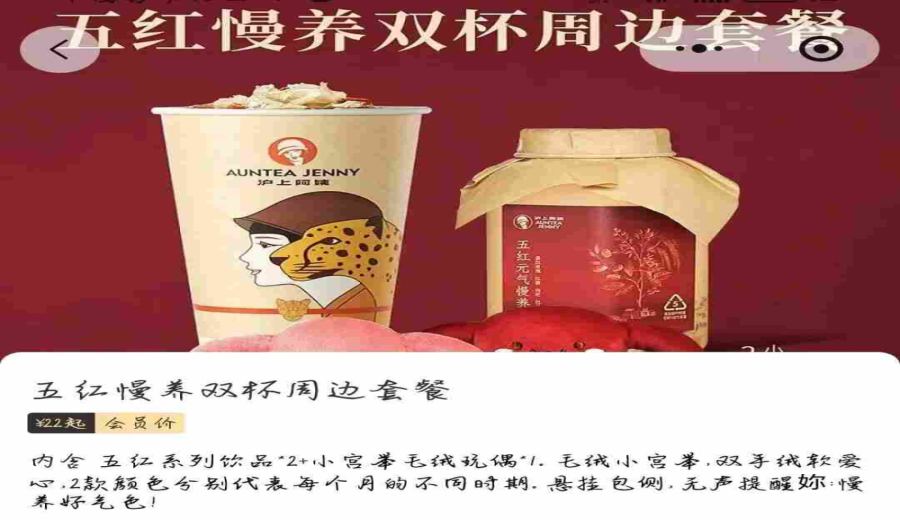
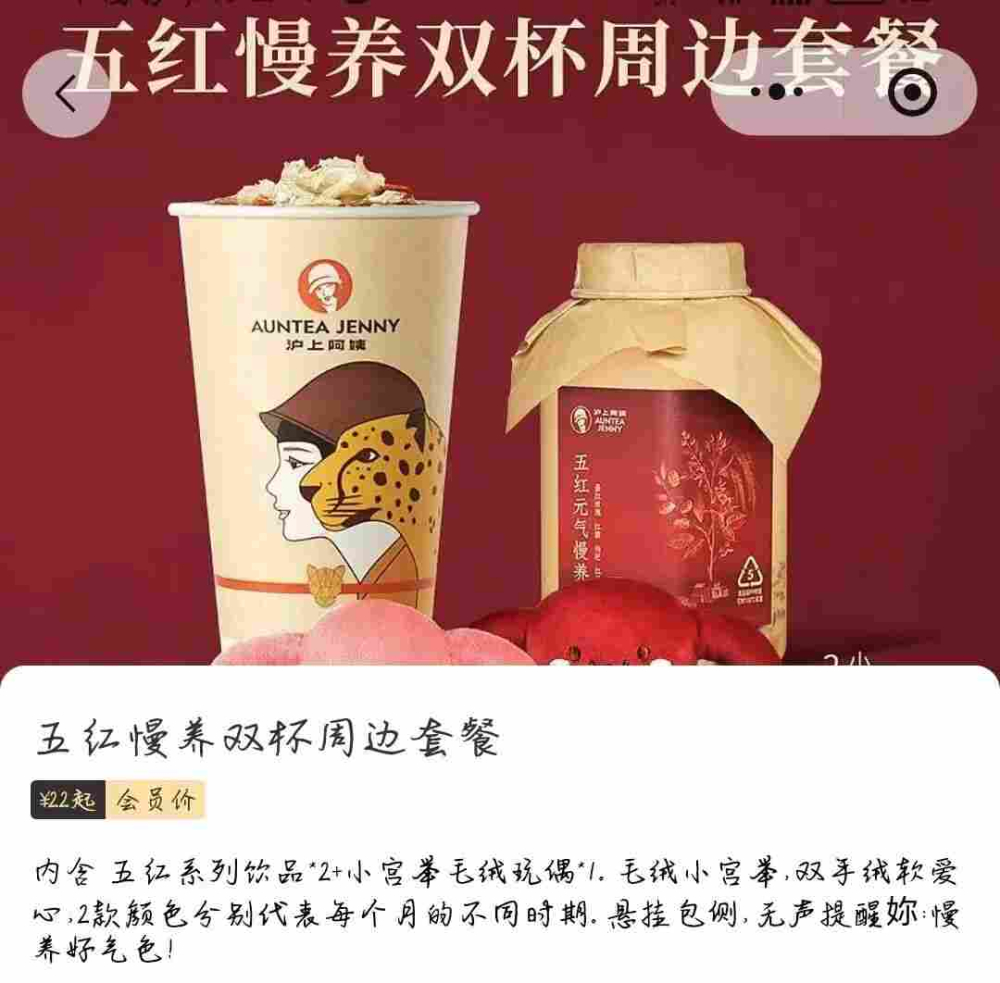
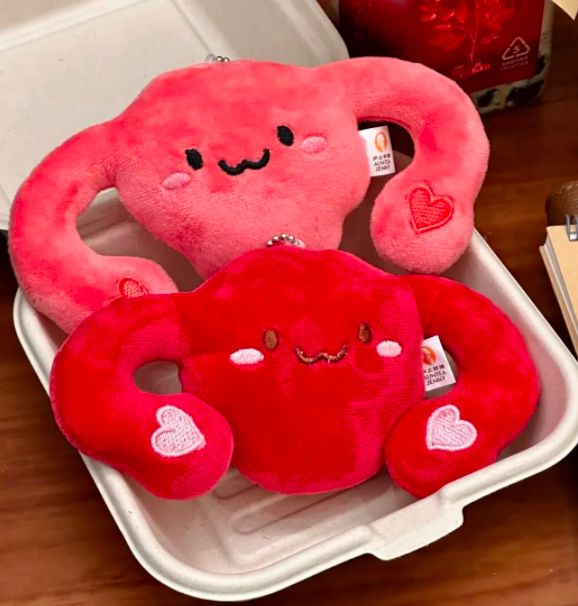
Heytea recently launched a new product in the health-focused tea beverage category. Its featured offering, the "Five Red Tonic Slow-Nourish Bottle," comes with a plush toy named "Little Uterus" when purchased as part of a two-cup set. This highly controversial merchandise takes inspiration primarily from the female reproductive system’s uterus, presenting a distinctive inverted pear-like structure and meticulously replicating connected organs such as the fallopian tubes and ovaries.
According to official brand information, the plush toy features two main color schemes, each corresponding to different phases of the female menstrual cycle. While transforming physiological characteristics into visual elements is not without precedent in medical education, this approach’s first appearance in a tea beverage consumption context unexpectedly triggered public sensitivity around “scene appropriateness.”
Market observations reveal that consumer feedback is distinctly polarized. Some netizens have publicly stated that seeing a uterus-shaped plush toy placed next to a milk tea cup caused them strong physical discomfort, arguing that turning internal human organs into portable toys goes against conventional aesthetic expectations for consumer products. Some comments even questioned: “Could this kind of design lead children to form incorrect perceptions?”
Supporters, on the other hand, offer a different perspective rooted in feminism. They argue that as a beverage series specifically developed for women—the “Five-Color Slow-Nourish Series”—it is logically coherent to choose the uterus as the theme for the merchandise. Consumers with a biology background pointed out that the clearly recognizable fallopian tube pathways and ovarian positions on the toy actually provide an opportunity for basic human anatomy education, and that this kind of “soft science communication” approach is more approachable than traditional teaching materials.
Notably, there are successful precedents for similar medical-themed merchandise at the Hong Kong Museum of Medical Sciences. According to visitor feedback, plush organ-shaped keychains—such as those modeled after the brain and digestive tract—have consistently ranked high on the bestseller lists, with uterus-themed items frequently selling out due to their exquisite designs. These cases demonstrate that when such products are presented within an educational or guided tour context, public acceptance of organ-themed items significantly increases.
In response to the public outcry, Heytea’s official channels stated that the original intention behind this cross-industry collaboration was to convey values of “self-love, confidence, and freedom.” Market analysts pointed out that this strategy reflects a broader trend among new tea beverage brands seeking differentiated competition—in a market where raw ingredients are highly homogenized, building brand identity through emotional value marketing has become an important tactic.
From a product perspective, the "Five Red Tonic Slow-Nourish Bottle," as the third installment in the Five-Color Slow-Nourish Series, continues the formula logic of using traditional health ingredients like red dates and goji berries, and clearly targets urban women aged 25–35 who are conscious about health management. This precise positioning explains why the brand felt bold enough to adopt a relatively daring peripheral design language, but it also raised the bar for consumer expectations.
Ultimately, this controversy reveals a key market phenomenon: when product design crosses the boundaries of conventional perception, brands need to more carefully assess the psychological acceptance curve of their target audience. Regardless of whether the “Little Uterus” plush toy will eventually adjust its design or marketing messaging, this discussion has provided the industry with a valuable sample of consumer feedback.
The above content is compiled by CoffeeHunters, a coffee news website.


