







Introduction:Choosing the right grind size is key to brewing great coffee. This article provides detailed guidance on the appropriate coffee grind ranges for six common brewing methods—pour over, cold brew (including ice drip), French press, clever dripper, moka pot, and espresso machine—and uses the Chinese standard No. 20 sieve passing rate for precise reference. Whether you’re a beginner or a seasoned enthusiast, you’ll learn scientific adjustment techniques, avoid common mistakes, and extract richer, more balanced coffee flavors.
Grind size is one of the most critical factors affecting coffee extraction. However, coffee grind coarseness or fineness is hard to describe with simple numbers, so “sieve passing rate” has become a more precise way for the industry to communicate this. This article explains the suitable grind ranges for different brewing methods—including pour over, cold brew (covering both cold steeping and ice drip), French press, clever dripper, moka pot, and espresso machine—and provides corresponding Chinese standard No. 20 sieve passing rate references. Whether you’re new to coffee or looking to refine your grind settings, you’ll find practical parameter adjustment advice here.
Additionally, the article discusses the differences between light-to-medium and medium-to-dark roasts for pour over, explains why ice pour over requires adjustments in grind size and brew ratio, and points out the potential downsides of grinding too fine for cold brew—helping you avoid common pitfalls and achieve coffee with more layers and fuller flavor.
It’s worth noting that not all soluble substances in coffee beans contribute pleasant flavors. While the extraction process brings out aroma and sweetness, it may also extract undesirable off-flavors. Therefore, mastering how to use appropriate extraction parameters—especially grind size—to promote desirable flavor release while suppressing less desirable components is a skill every coffee lover should have. Many people complain about their poor brewing results, but often the issue lies in choosing the wrong grind size, and this applies to all brewing methods.
Recently, we’ve received many questions about grind size across various brewing methods including cold brew, pour over, and moka pot. That’s why we’ve compiled this guide to deeply analyze the ideal grind coarseness for each method and explain how to express and adjust using the more objective “sieve passing rate.” Before diving into the specifics of each method, let’s clarify an important concept first...
Unlike water temperature or volume, grind size lacks fixed numerical standards. When people discuss it, they often use analogies like “fine sugar,” “white sugar,” or “flour,” but these comparisons vary from person to person and lack consistency. Different individuals perceive the same particle size very differently, and even with the same brewing conditions, subjective judgment can lead to vastly different results. Moreover, since the scale designs of different grinder brands vary, sharing grind settings by scale alone makes accurate communication difficult.
Therefore, it’s recommended to use sieve passing rate as the basis for communication. All the grind size information mentioned in this article is presented using this standard to ensure the parameters are more reliable.
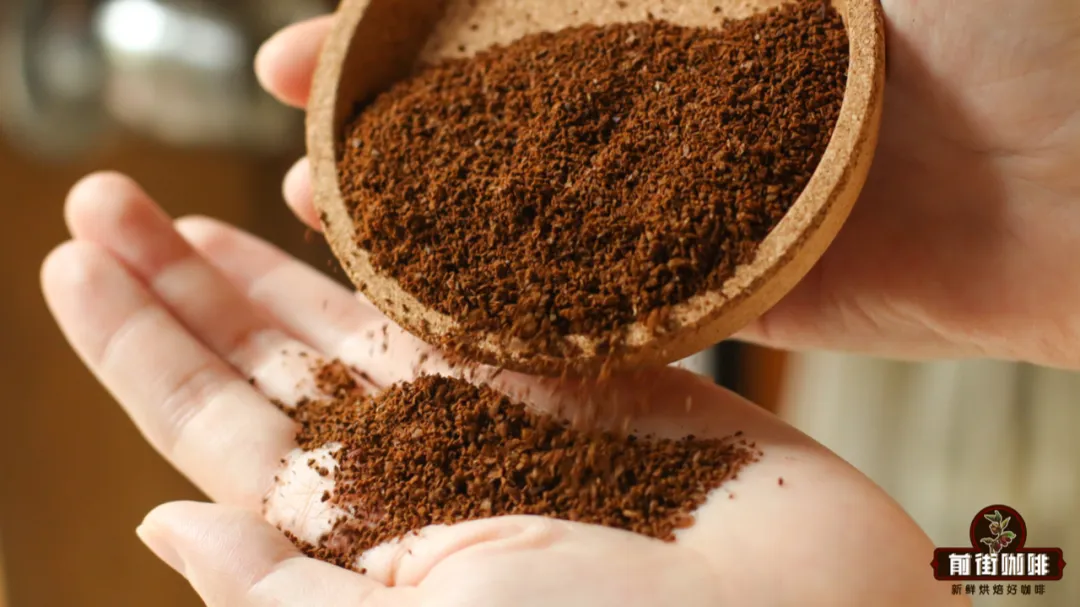
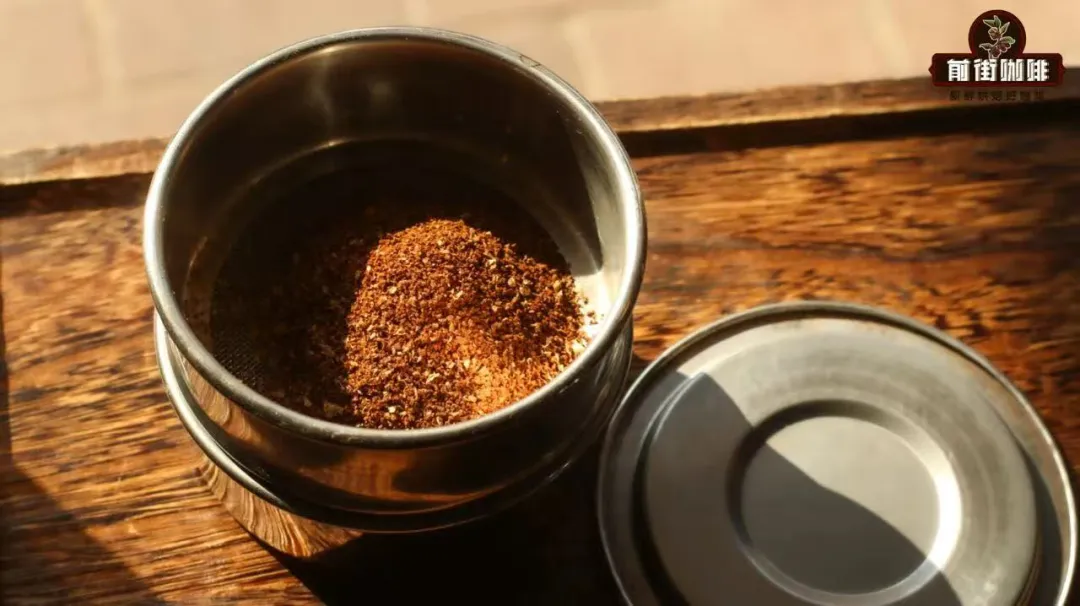
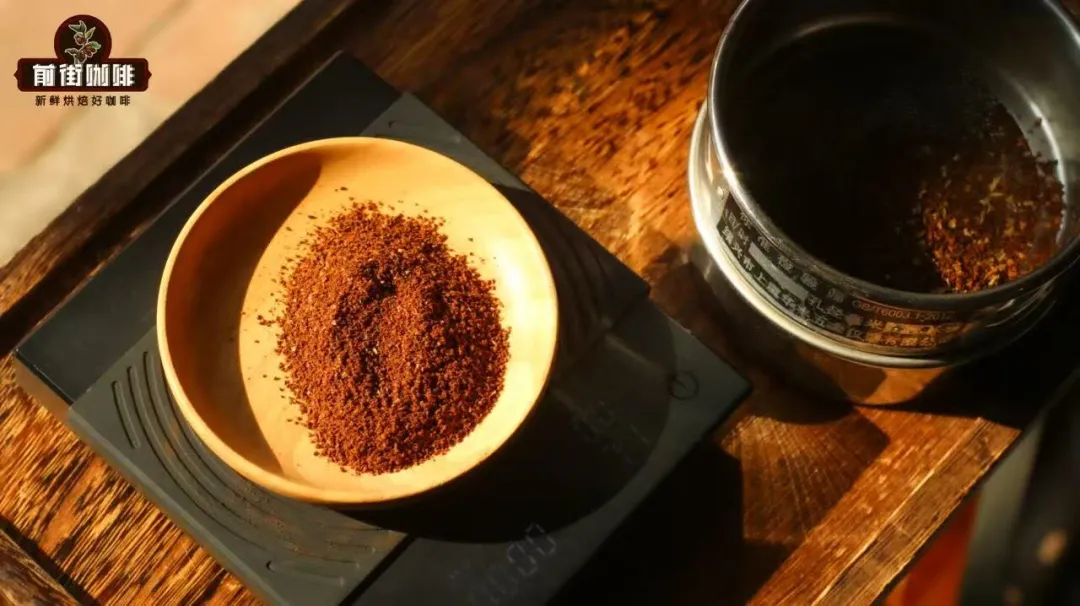
The so-called No. 20 sieve refers to a sieve with a Chinese standard aperture of 0.85 millimeters, commonly used in industrial-grade particle material grading and testing, and it can also help calibrate the coarseness of coffee grinds. The actual operation is very simple: pour the ground coffee into the sieve, shake it evenly until no more particles fall through, then weigh the fine powder that passed through the sieve to calculate the passing rate, which further helps estimate the coarseness of the grind.
For example, if you take 10 grams of coffee grounds and 2.9 grams remain in the sieve after sieving, meaning 7.1 grams passed through, then the passing rate is 71%. The higher the passing rate, the finer the grind; conversely, the lower the rate, the coarser the grind. Once you understand this calculation logic, you’ll be able to more intuitively grasp the coarseness of the various grind sizes recommended later.
I. Grind Size for Pour Over Coffee
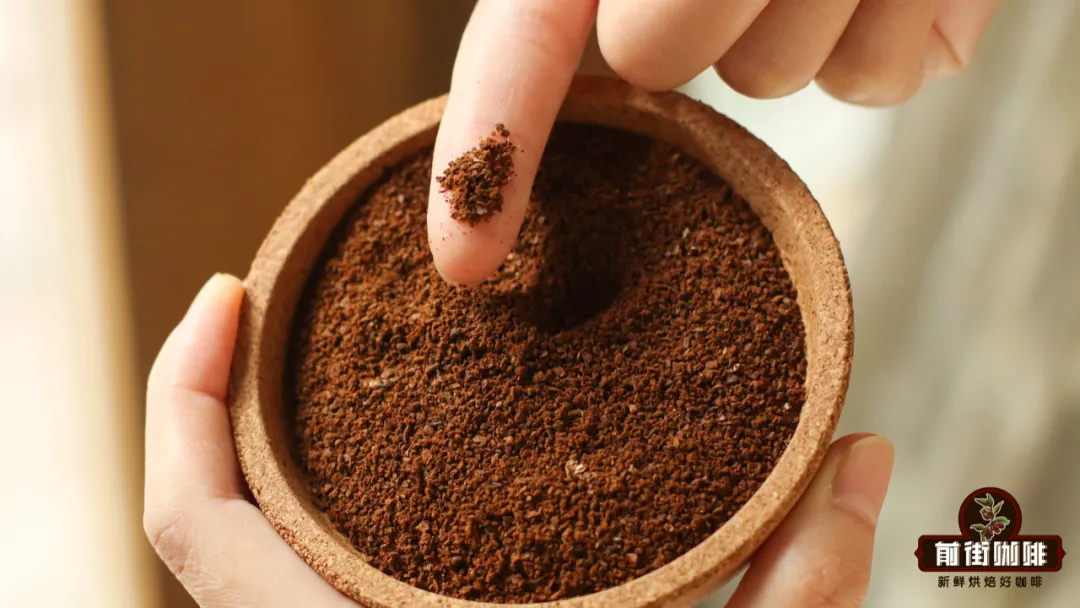
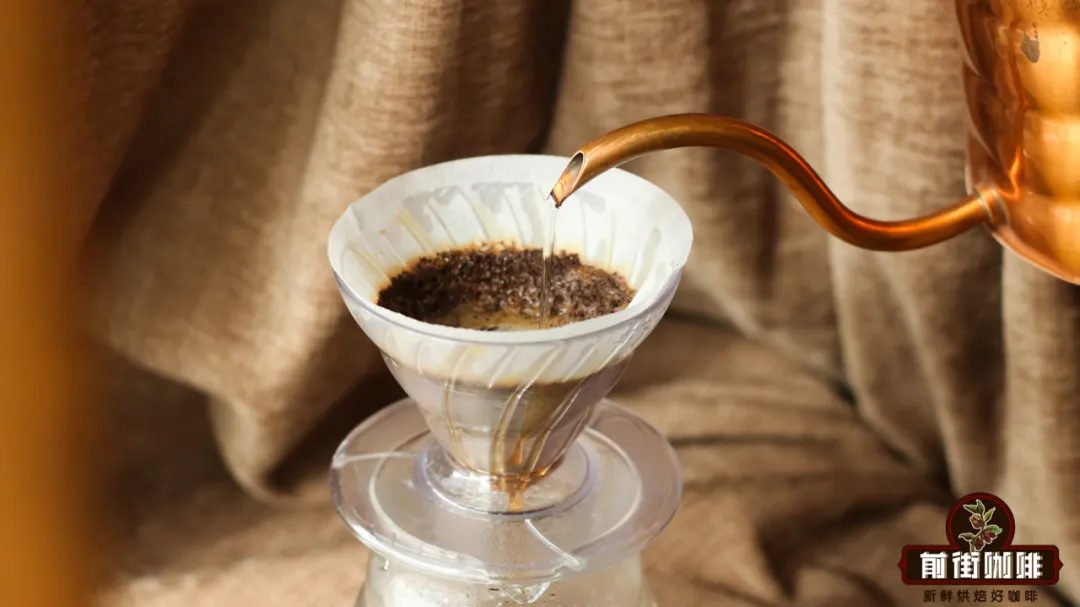
Pour over is a type of drip filtration extraction that relies on manually pouring water to let it pass through the coffee grounds layer, extracting rich flavors in a short time. The typical extraction time is around 1 minute 30 seconds to 2 minutes 30 seconds (based on 15 grams of coffee), so a relatively fine grind is needed to effectively improve extraction efficiency.
However, depending on the roast level of the coffee beans, the recommended grind size also varies. It can generally be divided into two categories: light-to-medium roast and medium-to-dark roast:
For light-to-medium roasted coffee beans, it’s recommended to use a finer grind, such as setting the Ek43 grinder to scale 10, with a No. 20 sieve passing rate of about 75% to 80%. The suggested water temperature is 90–93°C, with a brew ratio of 1:15, and the total extraction time should be controlled around 2 minutes.
For medium-to-dark roasted beans, it’s recommended to grind slightly coarser, such as setting the Ek43 to scale 11, with a No. 20 sieve passing rate of about 70% to 75%, the water temperature suggested is 86–89°C, also using a 1:15 brew ratio, with the extraction time maintained around 2 minutes.
If you want to try ice pour over, it’s recommended to grind one notch finer than your regular hot pour over grind, and adjust the brew ratio to a “brew-to-ice ratio” of 1:10:5 to 1:10:6 (depending on the proportion of ice to water). Water temperature and time can remain similar to regular pour over without major changes.
II. Grind Size for Cold Brew Coffee (Including Cold Steep and Ice Drip)
Cold brew methods mainly include cold steep and ice drip, both of which use cold water for extraction. The main difference is that cold steep is immersion-based, while ice drip is filtration-based.
Because cold water has weaker penetration and lower extraction efficiency, it’s recommended to use a finer grind than for pour over, generally with a No. 20 sieve passing rate between 80% and 85%, and a brew ratio of 1:10 (for ice drip, the ratio is calculated by liquid volume). The extraction time is about 8 to 12 hours (for ice drip, it’s recommended to drip at a rate of 7 drops per 10 seconds).
It’s important to note that colder brew doesn’t mean the finer the better. Coffee grounds that are too fine or too dense can absorb water and sink during immersion, reducing extraction uniformity and overall performance. If you find the resulting coffee flavor is too weak or flat, consider grinding slightly coarser or using a tea bag to hold the coffee grounds during immersion, which can help improve extraction rate and mouthfeel fullness.
III. Grind Size for French Press and Clever Dripper
Both the French press and clever dripper use immersion brewing. Because the coffee grounds are in contact with water for a long time and there’s no additional agitation, they have a high margin for error, so a coarser grind can be used, and a longer immersion time will still yield balanced extraction.
Taking the French press as an example, it’s recommended to use a grind with a No. 20 sieve passing rate of about 70%, water temperature at 94°C, brew ratio of 1:16, and immersion time of about 8 to 9 minutes.
If you want to shorten the immersion time, you can consider grinding finer or stirring moderately—for example, mimicking cupping by using a grind similar to pour over, reducing the immersion time to 4 minutes, then removing the foam or filtering out the grounds, and you can still get a coffee with decent flavor.
IV. Grind Size for Moka Pot and Espresso
Finally, for pressure-brewed methods like the moka pot and espresso machine. Since these methods have extremely short extraction times, a very fine grind is required. However, because the particles are so small, the sieve passing rate alone cannot accurately describe them—it mainly relies on actual extraction performance and coffee taste for adjustment.
Generally, it’s recommended to aim for “20 grams of coffee extracted into 40 milliliters of coffee in 28 to 35 seconds” as a benchmark, adjusting the grind size to bring the extraction time within this range, then evaluating whether further fine-tuning is needed based on taste.
The grind size for the moka pot is similar to espresso but requires slightly less fineness—roughly close to the texture of flour—though it still needs to be flexibly adjusted according to actual extraction results.
The above content is compiled by CoffeeHunters, a coffee news website.


