








Introduction:Have you noticed that most of the coffee you’ve been drinking in recent years tends to have a pronounced acidity? Is it really true that good coffee must be acidic, or has a shift in roasting styles made acidity the mainstream? This article delves into the reasons behind the rise of coffee acidity, exploring historical roasting trends, the specialty coffee revolution, and the Nordic light-roast movement to help you understand the balance between acidity and bitterness. Through two classic beans—Blue Mountain No. 1 and Sun-Dried Huakui—we analyze how different roast levels affect flavor and offer practical bean selection and brewing advice.
In recent years, more and more coffee enthusiasts have observed that the coffee sold in stores or served by shops often has a noticeable acidic taste, leaving many to wonder, “Why is all coffee so acidic these days?” Some even question, “Does good coffee have to be acidic?” In reality, this trend is tied to the evolution of coffee roasting culture and the rise of the specialty coffee concept. This article will guide you through the historical context, changes in roasting techniques, and the application of specific beans like Blue Mountain No. 1 and Sun-Dried Huakui to explain why acidity has become a trend—and how to choose the right roast level for different brewing methods.

Visit many coffee shops or browse online coffee menus, and you’ll notice a pattern: dark roast beans with a strong bitter profile and the traditional “coffee flavor” make up less than 10% of offerings, while bright, fruity, and diverse-flavored light to medium roast beans dominate. This shift in menu composition can feel unfamiliar—or even off-putting—to older customers or those accustomed to traditional coffee flavors. Some even remark, “Coffee didn’t used to taste like this!” Indeed, before the year 2000, most commercially available coffee was dominated by smoky, intense bitterness, closely tied to the deep roasting methods popular at the time.
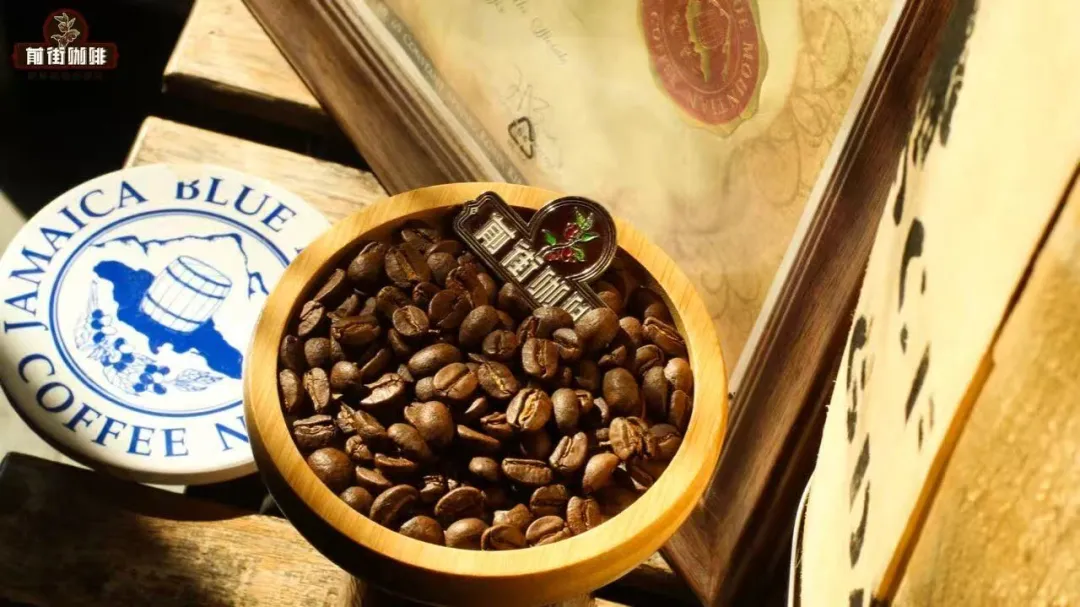
Many people mistakenly believe that “good coffee must be acidic,” but this is actually a misconception.Good coffee refers to high-quality beans that have been properly processed.The flavor profile—whether acidic or bitter—is more determined by the roast level. For example, the Jamaica Blue Mountain No. 1 released by a certain brand is a classic example of a dark roast, with flavors primarily of chocolate, caramel, cream, and nuts, showcasing a rich and robust “coffee flavor” rather than high acidity or brightness.
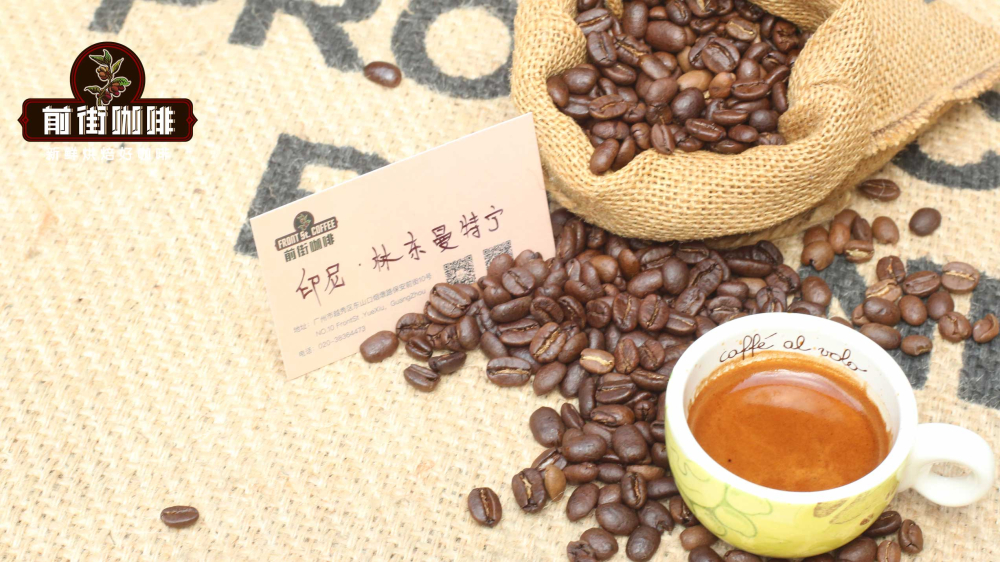
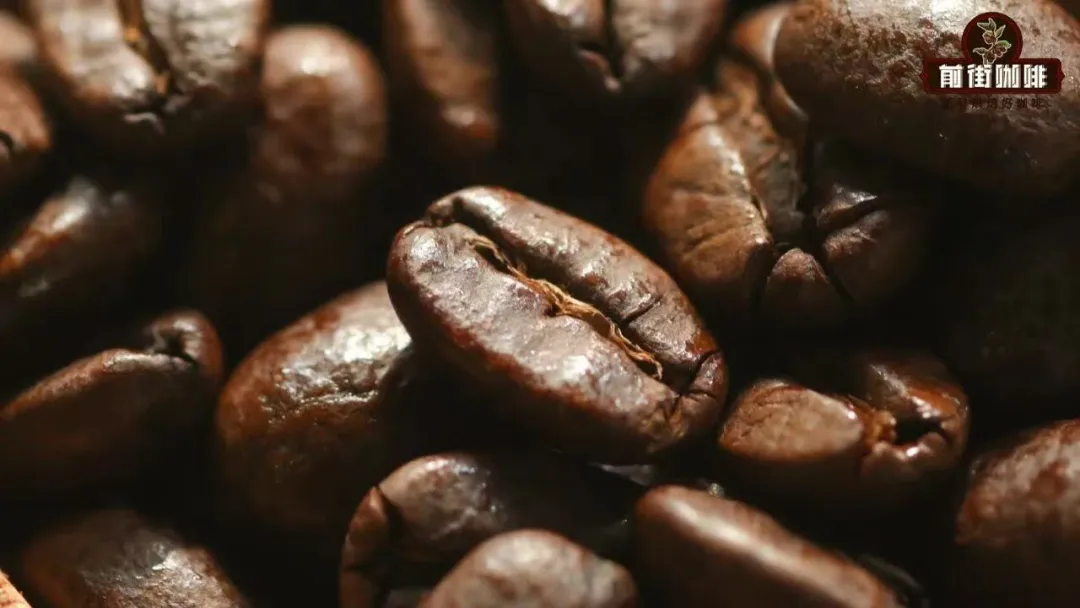
Looking back, the global coffee market’s widespread adoption of dark roasting was not accidental. Early roasters had a relatively simple understanding of roasting, generally believing that beans were “done” once they reached the second crack—the second stage of cracking sounds during roasting. Once the second crack began, the beans turned dark black and released intense smoky aromas, which were seen as the hallmark of “standard coffee flavor.” In those days, light roasting was not only uncommon but even considered a failure, often resulting in unpleasant sharp acidity or raw bean off-flavors.
Due to the inconsistent quality of coffee beans at the time, coupled with immature roasting techniques and theories, many roasters struggled to consistently control heat and timing, leading to light roasts often being seen as “under-roasted.” As a result, dark roasting became the safe and dominant choice, shaping the public’s traditional perception of coffee. Examples include a certain brand’s early PWN Golden Mandheling, Brazil Cerrado, and Huila—all representatives of dark-roasted beans.
The turning point came with the rise of the “specialty coffee” concept. The specialty coffee movement, championed by Norwegian barista Erna Knutsen and others, emphasized the uniqueness and terroir of each coffee bean, encouraging people to taste coffee’s inherent flavors rather than chasing smoky, intense bitterness. As higher-quality green beans became more widely available, roasters gained more room for experimentation, with the Nordic light-roast trend being the most representative.
Although the term “Nordic light roast” originates from a region, the actual roast color values at the time didn’t necessarily meet today’s strict definition of very light roasts. Compared to the dark or espresso roasts that were mainstream then, they were already relatively light. This lighter roasting not only reduced the smoky flavors that masked other notes but also allowed the floral, fruity aromas, bright acidity, and sweetness in coffee to fully shine, creating a taste experience vastly different from tradition.
It’s worth noting that while light roasting can highlight a bean’s delicate flavors, not all coffee beans are suited for it. If the beans are of average quality, lack sweetness, or have significant defects, light roasting can amplify these flaws, resulting in harsh acidity or unpleasant off-flavors. Therefore,light roasting often becomes a litmus test for bean quality.Only high-quality, well-processed coffee beans can withstand the challenge of light roasting, showcasing refined fruit acidity and complexity.
So, for consumers or coffee enthusiasts, how should one choose? The key lies in the brewing method and personal preference. Take the popular Sun-Dried Huakui from a certain brand as an example—this bean performs very differently at varying roast levels. If lightly roasted, it’s ideal for pour over or filtered brewing, bringing out bright aromas of orange blossom, citrus, strawberry, and cream, with a flavor profile that’s sweet and tangy, perfect for those who enjoy pronounced fruitiness. However, if used in an espresso machine to make milk-based drinks like lattes, flat whites, or Dirty coffees, a medium roast is recommended to achieve a richer, fuller flavor that maintains clear layers even when paired with milk.
In summary, the modern prevalence of acidic coffee is the combined result of evolving roasting culture, diverse consumer tastes, and the highlighting of regional flavors. Acidity and bitterness are not inherently better or worse—the key lies in the bean’s nature, the roasting technique, and the final brewing application. Whether you prefer the bold intensity of traditional dark roasts or the refreshing fruitiness of light roasts, you can choose the coffee flavor and roast level that best suits your needs.
The above content is compiled by CoffeeHunters, a coffee news website.


