







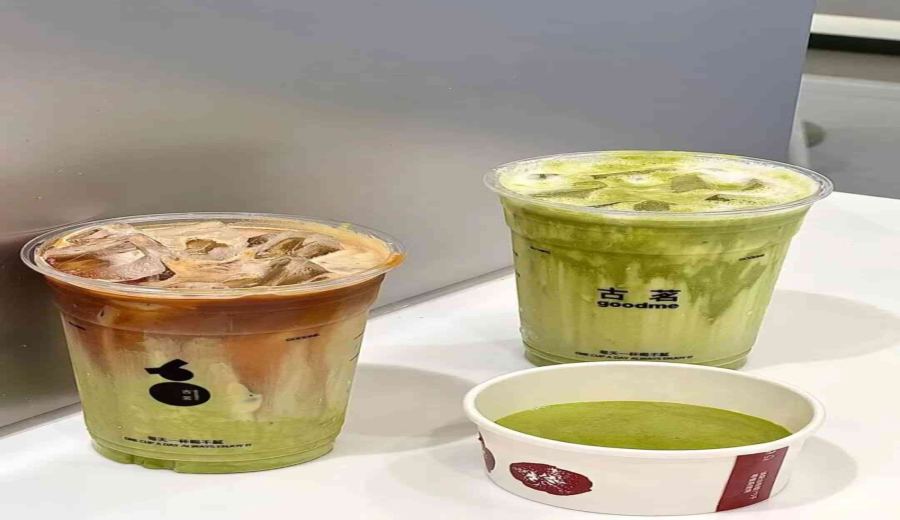
Introduction:Although the pistachio milk cap drink launched by GuMing in September received positive feedback from customers, it put significant pressure on employees. Its unique aroma may attract consumers, but the production process—where the pistachio paste is thick and hard to pour, and whipping takes over 10 minutes, especially during morning rush orders—has become a “nightmare” for staff. This article delves into the practical difficulties reported by employees and offers practical preparation suggestions and precautions to help understand the challenges behind making tea drinks.
During holidays, the order volume at tea beverage outlets often increases significantly, especially for stores located in popular commercial areas, which frequently face the pressure of sudden order surges. In such high-pressure situations, if a key ingredient of a drink—such as the milk cap—needs to be prepared on-site and involves a complicated process, it becomes an undeniable burden for the staff. The pistachio milk cap series recently introduced by GuMing has sparked widespread discussion among employees.
In early September this year, GuMing launched its “Pistachio Series” drinks, among which the pistachio milk cap quickly gained favor among some consumers due to its uniquely rich aroma, with many listing it as a regular order. However, in stark contrast to customer enthusiasm, frontline employees have voiced considerable frustration with the process of making this milk cap.
According to multiple staff members, the steps to make the pistachio milk cap may seem simple: just mix the pistachio paste, cheese, and light cream in the correct proportions, then whip them with an electric mixer until they turn a light green. However, in practice, even just pouring the pistachio paste out of the sealed jar proves to be quite challenging.
Some employees pointed out that the pistachio paste provided by the brand is unusually thick, greasy, and semi-solid, making it extremely difficult to pour. Even when the jar appears almost empty, a large amount of paste still clings to the bottom and inner walls, leading to noticeable waste of ingredients. To avoid waste, staff often need to use spoons or scrapers to carefully dig out and scrape the remaining paste into the mixing bowl. This step is time-consuming and labor-intensive, far more cumbersome than handling other standard toppings.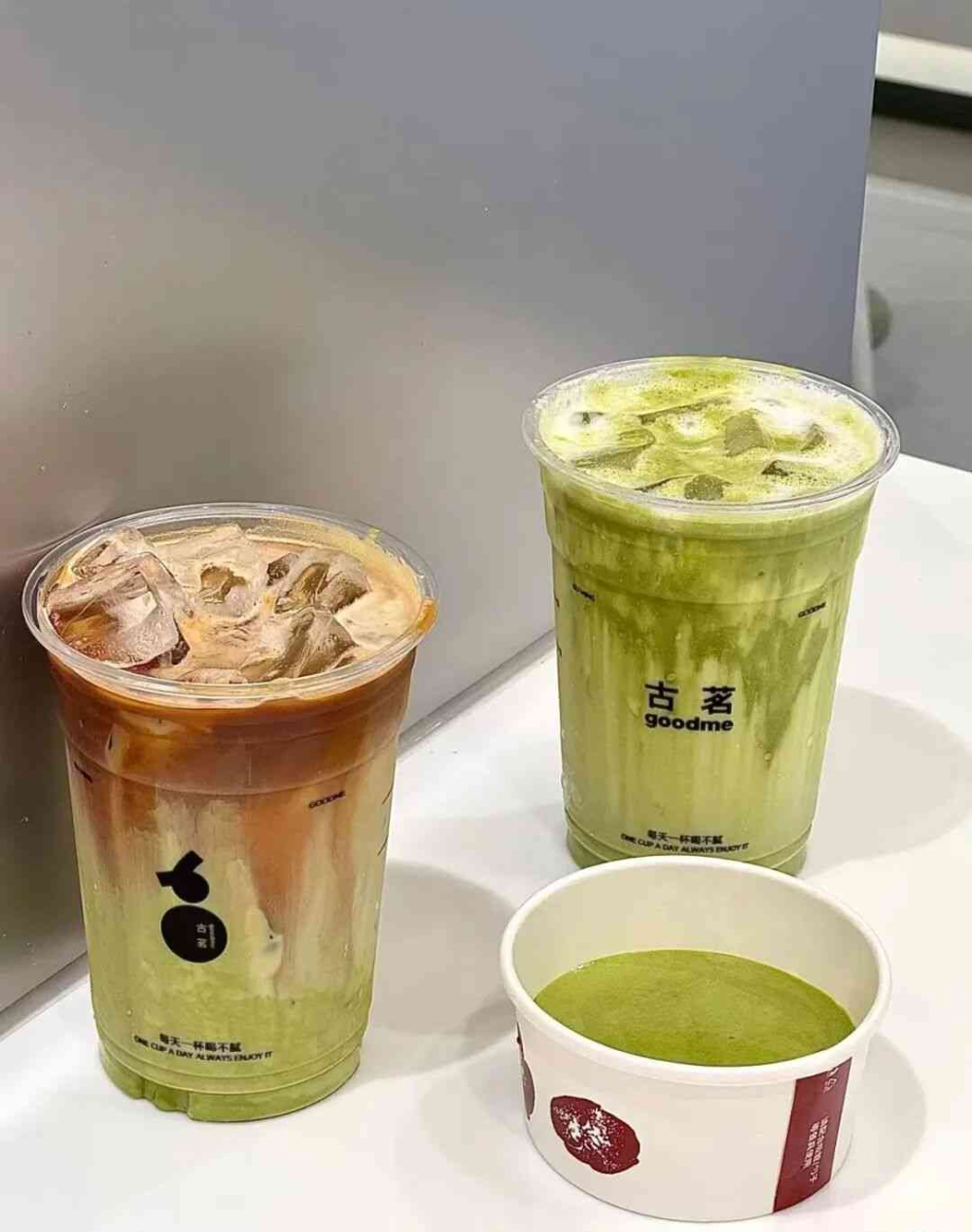
Once all the ingredients are gathered, the next step is to whip them using an electric mixer. Based on actual measurements by several employees, it takes approximately 8 minutes to whip the pistachio milk cap, followed by about 1 minute of resting to eliminate bubbles and ensure a smooth and fine surface. Overall, the process of making a single serving of the milk cap often exceeds 10 minutes, and for less experienced new staff, it can take even longer.
On regular days when order volumes are stable, such preparation time might be acceptable, but during peak hours, when the milk cap runs out and needs to be prepared on the spot, staff under time pressure can easily develop strong frustration, even describing it as a “morning shift nightmare.” Some employees even said outright that if not for customer demand, they would sincerely hope the brand would consider temporarily removing the series to reduce the workload.
Industry insiders point out that the physical characteristics of ingredients greatly affect operational efficiency in tea beverage preparation. Ingredients like pistachio paste, which are highly viscous and high in fat content, can indeed lead to difficulties in on-site preparation if not properly pre-treated or if their packaging design is not improved. For tea beverage shops, in addition to focusing on consumer taste preferences, employee operational convenience should also be considered to maintain overall service quality.
For coffee enthusiasts who want to try a similar flavor at home, it is recommended to use high-quality pistachio paste paired with dark roast espresso beans to prepare a pistachio latte with a rich nutty aroma, offering a mellow and layered taste—a good entry-level option.
The above content is compiled by CoffeeHunters, a coffee news website.


