








Introduction:Sun-dried and washed are two of the most common coffee processing methods, and they significantly influence the aroma, acidity, and flavor profile of coffee beans. Taking Emerald Estate’s Diamond Mountain as an example, this article delves into the step-by-step differences between the two processing methods, drying times, fermentation levels, and through practical brewing comparisons, helps you understand the rich layers of sun-dried coffee and the clean brightness of washed coffee—assisting you in finding your preferred coffee flavor based on taste preference.
In the world of specialty coffee, processing is one of the key factors that shape a coffee’s flavor. Sun-dried and washed, as two mainstream processing methods, each impart distinctly different personalities to the beans. This article uses Emerald Estate’s Diamond Mountain coffee as an example, starting from technical aspects such as processing flow, drying time, and fermentation level, and combines actual brewing experiences to compare in detail the differences in aroma, acidity, and mouthfeel between the two—giving you a deeper understanding of the fundamental distinctions between these two processing methods.

Many coffee enthusiasts often wonder why coffee beans from the same estate can taste so different between the sun-dried and washed versions. To find the answer, we purchased both the sun-dried and washed versions of Emerald Estate’s Diamond Mountain, and broke down their differences step by step, starting with the processing steps. First, let’s look at how these two processing methods differ in their technical procedures.
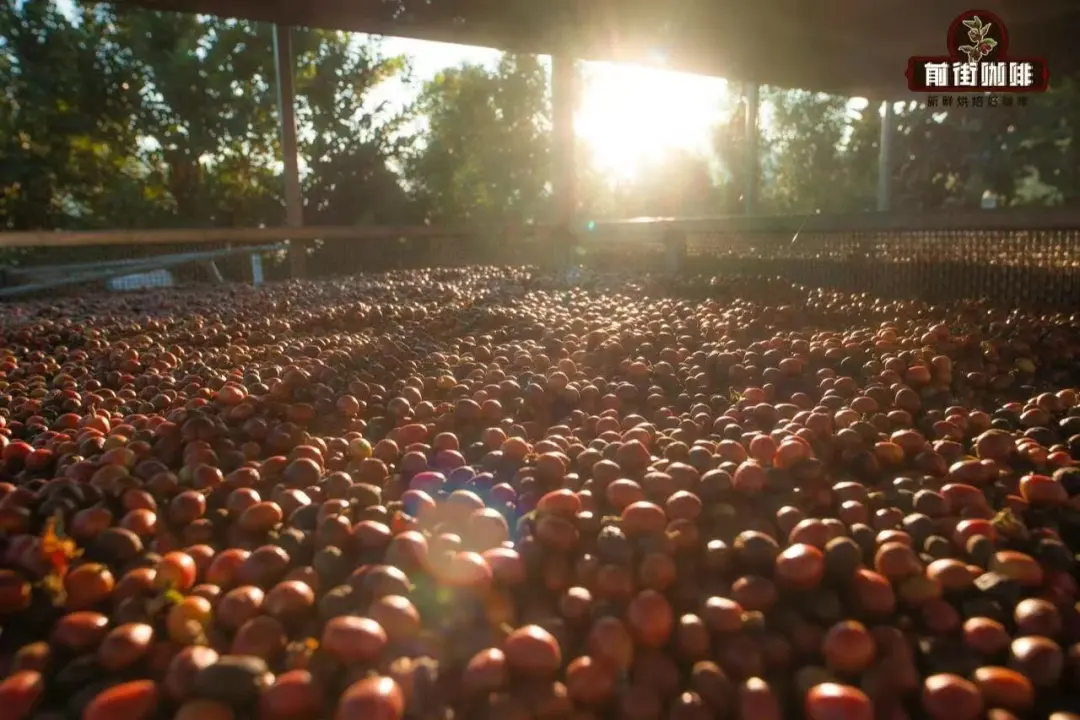
The sun-dried process is relatively simple and straightforward, similar in principle to drying fruit. After harvest, the coffee cherries are transported directly to the drying area and spread out on drying beds or the ground, where sunlight slowly dries the entire fruit (including pulp, mucilage, and coffee bean) together. This process usually takes several weeks until the moisture content drops to a safe range, after which a hulling machine is used to remove the outer parchment layer, completing the process. Since the entire fruit is dried together, the sugars in the pulp undergo sun fermentation, imparting a richer and more complex flavor to the coffee.
In contrast, the washed process involves many more steps. First, the harvested coffee cherries go through flotation, using water buoyancy to remove unripe or defective beans. Next, a pulper is used to remove the skin and pulp, leaving the coffee beans covered with mucilage, which are then soaked in water to allow the mucilage to break down naturally. Afterward, manual stirring is used to remove any remaining mucilage, and only the beans with just the parchment layer left proceed to the drying stage. Because the excess pulp and mucilage have been removed, the drying time for washed beans is significantly shorter, and the fermentation level is also lower, resulting in flavors that are typically cleaner and brighter.
From the above processes, it’s not hard to see that the biggest difference between sun-dried and washed lies in whether the pulp and mucilage are retained, as well as the length of the drying period. These factors directly affect the final flavor of the coffee. Next, we’ll use actual brewing results to compare the sensory differences between the sun-dried and washed versions of Emerald Estate’s Diamond Mountain.

For this brewing session, the same batch of Emerald Estate Diamond Mountain sun-dried and washed beans were used, both roasted to a medium-light level to maintain clarity of flavor. Brewing parameters are as follows: 15g of coffee, grind size at EK43 scale 10 (approximately 80% through a #20 sieve, equivalent to the fineness of fine sugar), using a V60 filter, brew ratio 1:15, water temperature 92°C, with classic three-pour method, total brew time around 2 minutes. Below is the actual tasting record.
Emerald Estate Diamond Mountain Sun-Dried: The first sip reveals distinct citrus, persimmon, and berry fruit aromas, with a honey-like, thick mouthfeel and rich sweetness. The mid-palate features well-defined flavor layers, while the finish carries hints of cocoa and mild fermentation. As the temperature drops, the sweetness becomes even more pronounced, with an overall full and balanced flavor—a uniquely characterful coffee with rich layers.
Emerald Estate Diamond Mountain Washed: The first impression is a refreshing acidity of grapefruit and lemon, accompanied by soft floral notes, with a clean and smooth mouthfeel that is noticeably clearer than the sun-dried version. The finish has subtle undertones of green tea and cocoa, giving an overall fresh and bright style—like sipping a fruity green tea rich in fruitiness, ideal for those who prefer a clean and refreshing cup.

Overall, the Diamond Mountain sun-dried version showcases richer layers and complex fruit tones, with more pronounced sweetness and body; while the washed version excels in bright acidity, clean texture, and elegant floral notes, offering a more direct and refreshing flavor. Both have their strengths, depending on personal preference.
So, why do sun-dried and washed methods produce such different flavor profiles? The key lies in the fermentation level and drying method during processing. The sun-dried process retains the whole fruit and mucilage, and dries them in the sun for an extended period. The sugars in the mucilage ferment, producing more complex aromatic compounds, resulting in a richer and more layered coffee flavor. Additionally, the longer drying time allows for more thorough fermentation, further enhancing flavor depth.
On the other hand, the washed process removes the pulp and mucilage early on, drying only the parchment layer, which greatly shortens both fermentation and drying time. As a result, the coffee flavor is closer to the bean’s inherent characteristics, presenting a cleaner and more refreshing tone with relatively brighter acidity. This is also why many people believe washed coffee better reflects the terroir of its origin.

Additionally, some consumers have noticed that the washed version seems to have more pronounced acidity. In fact, the intensity of acidity is not only related to the processing method but also significantly influenced by roast level. Although both beans are medium-light roasted, the washed version is roasted slightly lighter to highlight its fruity and floral notes. Generally speaking, the lighter the roast, the more noticeable the acidity; the darker the roast, the more the acidity is masked by caramelization and roast flavors. Moreover, since sun-dried beans retain more surface sugars, the caramelization reaction during roasting is more pronounced, which may also lead to less prominent acidity. Therefore, the interaction between processing method and roast level jointly shapes the final flavor profile of the coffee.
In summary, the sun-dried and washed processing methods each have their unique charm. Whether you prefer the richly layered, sweet sun-dried coffee or the fresh, bright, and clean washed flavor, you can find corresponding expressions in Emerald Estate’s Diamond Mountain. The choice ultimately depends on your personal taste preference. So, which one do you prefer?
The above content is compiled by CoffeeHunters, a coffee news website.


