







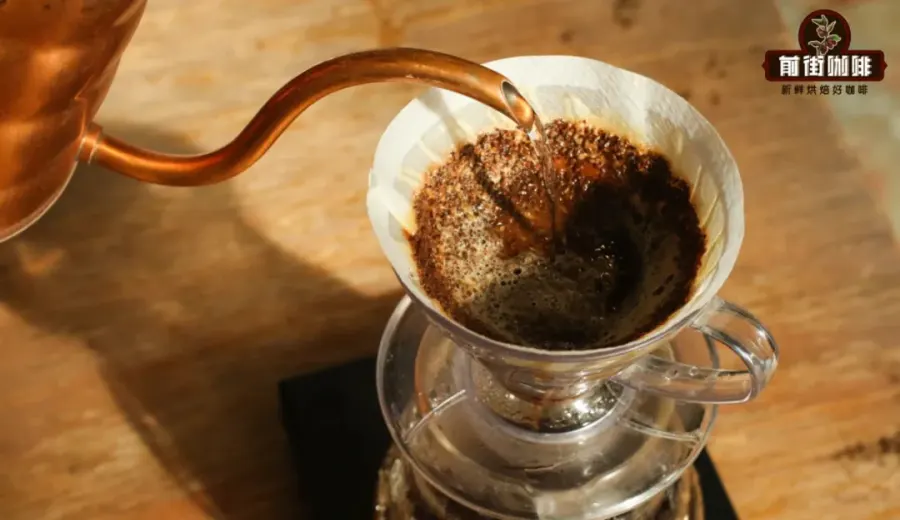
Introduction:A freshly brewed pour over coffee changes subtly in flavor from the first sip to the last drop, as time and temperature work their quiet magic. This article presents a detailed tasting analysis of a dark-roasted Golden Mandheling and a light-roasted Gu Ding Ding, recording shifts in aroma, sweetness-acidity balance, and mouthfeel across various time points and temperatures — all to pinpoint the optimal drinking window at room temperature. It also answers common questions, such as whether reheating can restore lost flavors and how using a lid or insulated container might prolong aroma, helping you savor every cup at its prime.
Every freshly ground and brewed pour over coffee has its own ideal moment to be enjoyed. Like coffee beans, the aromatic compounds in brewed coffee are highly volatile and dissipate quickly over time. Combined with the fact that temperature continuously influences our taste buds' sensitivity to acidity, sweetness, and bitterness, the overall flavor of coffee evolves constantly from the moment it’s brewed. Using a dark-roasted Indonesian Golden Mandheling and a light-roasted Ethiopian Gu Ding Ding as examples, this article records the changes in aroma, mouthfeel, and overall flavor at different times and temperatures through real-world tasting notes, aiming to help you find the most ideal time to enjoy your coffee.
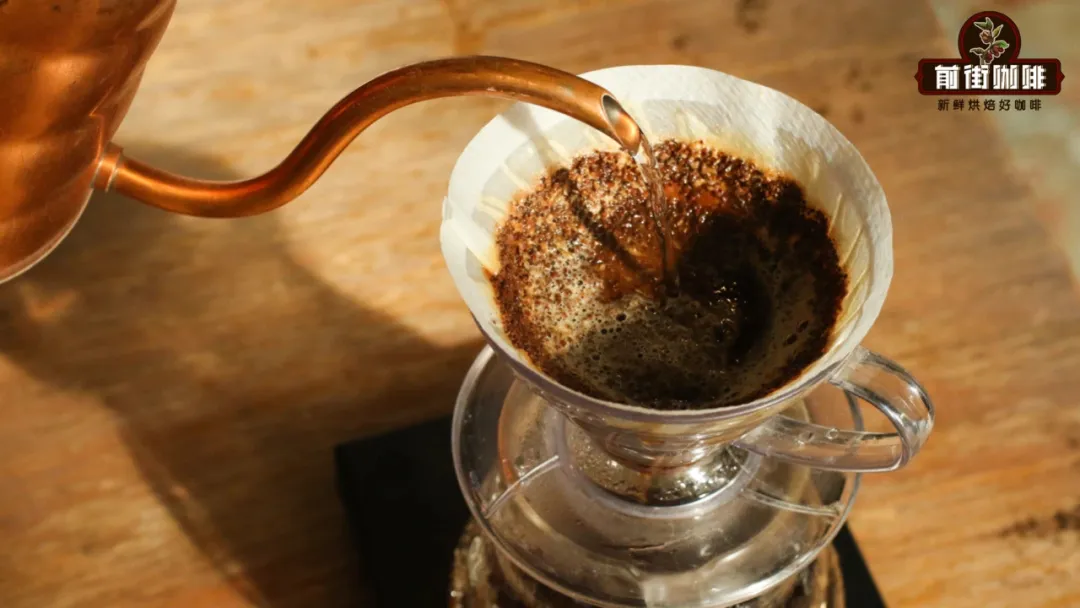
Many people know that coffee beans have an optimal freshness window, but few realize that freshly brewed coffee also has its own “golden moment.” Coffee aromas are highly volatile — if not enjoyed during their peak activity, you can easily miss out on the richest sensory experience. Temperature is another crucial factor. Based on past experience and research, our taste perception varies at different temperatures, especially when it comes to sensitivity to acidity and sweetness, both of which tend to weaken as the coffee cools, affecting the overall balance of flavors. Therefore, it’s recommended to enjoy coffee while it’s hot or at least within an appropriate temperature range to get the fullest flavor experience.
In reality, though, we rarely finish a cup of coffee in one go, which leads many to wonder: “What’s the ideal time frame to drink a pour over coffee after brewing?” To answer that, we conducted a series of practical tasting experiments to observe how coffee performs over time and at varying temperatures — helping you understand the limits of coffee’s flavor window.
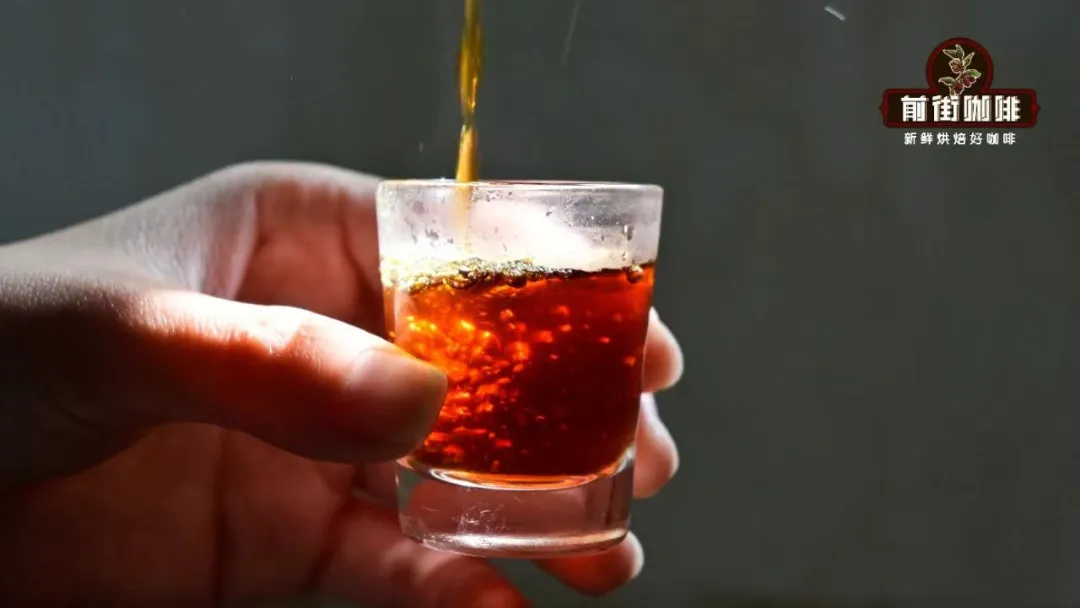
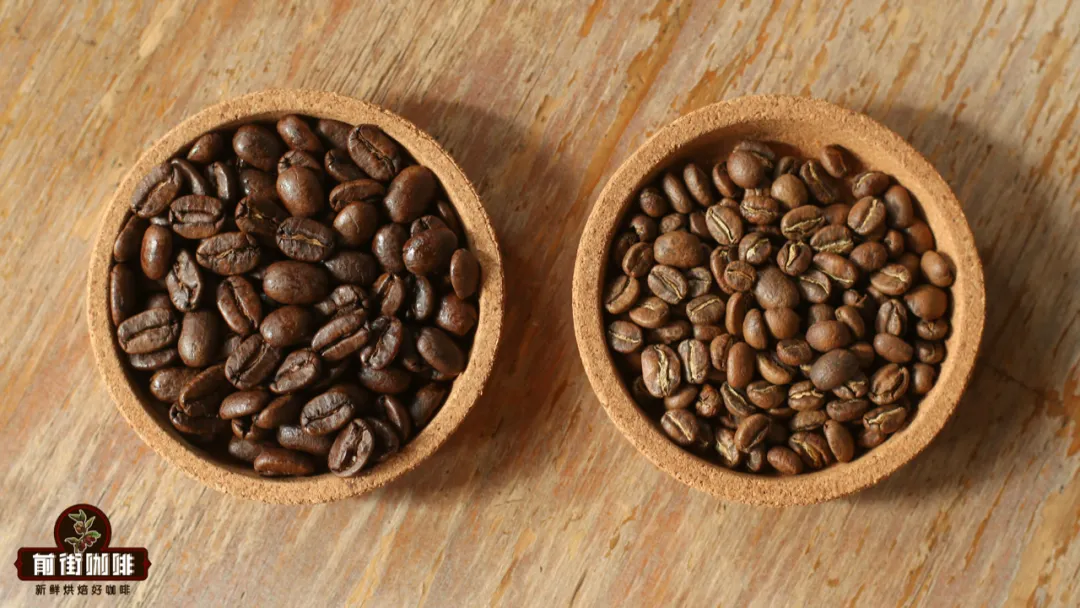
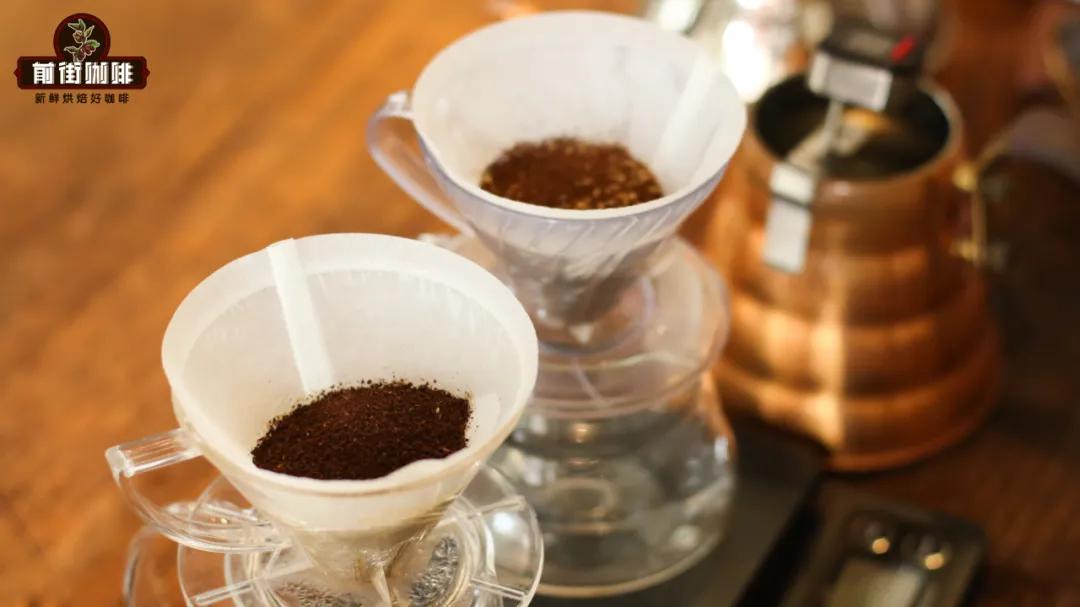
For this experiment, we selected two coffees with distinctly different roast levels: a dark-roasted Golden Mandheling from Sumatra, Indonesia, and a light-roasted Gu Ding Ding from Yirgacheffe, Ethiopia. The brewing parameters were standardized as follows: 15 grams of coffee, a grind size passing 75%–80% through a #20 sieve, a brew ratio of 1:15, and a three-stage pour (30 ml, 120 ml, and 75 ml), with a total brew time controlled around 2 minutes. The light-roasted Gu Ding Ding was brewed at 92°C, while the dark-roasted Golden Mandheling was brewed at 88°C, reflecting the respective optimal extraction conditions for each.
Right after brewing, when the coffee is around 60–65°C, the Gu Ding Ding exhibits very vibrant floral and citrus aromas, with particularly prominent lemon notes. On the palate, it shows good balance, smooth texture, followed by white floral tones, lemon, apricot, berries, and an oolong tea-like finish. The Golden Mandheling, meanwhile, offers rich, bold aromas with distinct notes of chocolate, nuts, and caramel, paired with a soft creamy sweetness and a hint of spicy undertones. Its mouthfeel is equally full-bodied and layered.
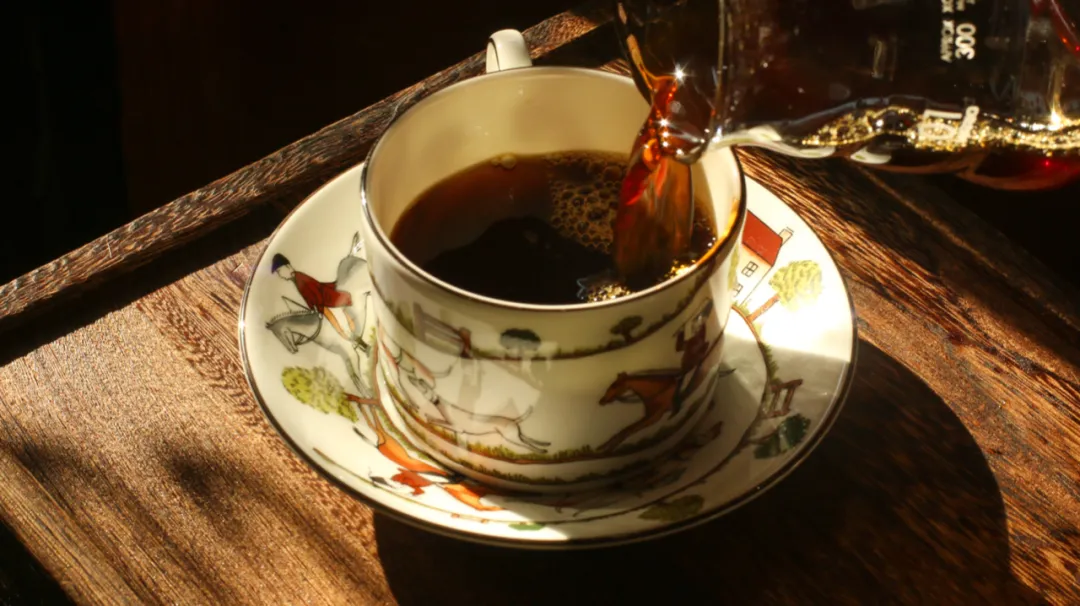
About 10 minutes later, when the temperature drops to 50–55°C, both coffees maintain reasonably good aroma and flavor, although the acidity in the Gu Ding Ding starts to become slightly more pronounced, though it remains smooth overall. By the 20-minute mark, when the temperature falls further to 45–50°C, the coffee’s aroma visibly diminishes, and slight oil beading may even appear on the surface. The mouthfeel is no longer as smooth, and while core flavors remain, overall clarity and complexity have decreased, with much less aromatic vibrancy.
At the 30-minute point, when the coffee is around 40–45°C, changes become more noticeable in both flavor and taste perception. The Gu Ding Ding’s acidity becomes more prominent, the earlier floral notes fade, giving way to more noticeable sour-sweet fruit tones like lemon, apricot, and berries. The Golden Mandheling sees the emergence of bitterness, with main flavors shifting toward dark chocolate, nuts, creamy sweetness, and caramel, along with a slight spicy finish. While still drinkable, this stage lacks the vibrancy of freshly brewed coffee.
By the 40-minute mark, when the temperature stabilizes around 37–40°C, the aroma has nearly disappeared, and the mouthfeel becomes noticeably thinner, losing its previous smoothness. Acidity and bitterness don’t intensify further, but overall flavor expressiveness has significantly declined. At 50 minutes, even though the temperature doesn’t drop much more, the coffee’s aroma, mouthfeel, and overall flavor offer little to write home about — it’s not undrinkable, but far from what one would call “good.” Based on the experiment, we conclude:Under normal room temperature conditions, the optimal drinking window for a pour over coffee is within 50 minutes after brewing..
At this point, some may wonder: if coffee tastes worse when it cools down, can reheating bring back the original flavors? The answer is no. Based on multiple experiments and observations, while reheating may slightly improve flavor balance, most volatile aromas have already dissipated during cooling and cannot be restored by heat. As a result, reheated coffee often retains only basic taste elements, having lost the stunning complexity and aroma it had when freshly brewed.
To extend the retention of aroma and enhance the overall coffee drinking experience, consider simple yet effective methods, such ascovering the coffee immediately after brewingto reduce aroma evaporation, or pouring it into a thermos to slow down temperature loss. These methods won’t completely halt flavor changes, but they can effectively extend the coffee’s “flavor window,” allowing you to enjoy a more complete and satisfying cup.
The above content is compiled by CoffeeHunters, a coffee news website.


