







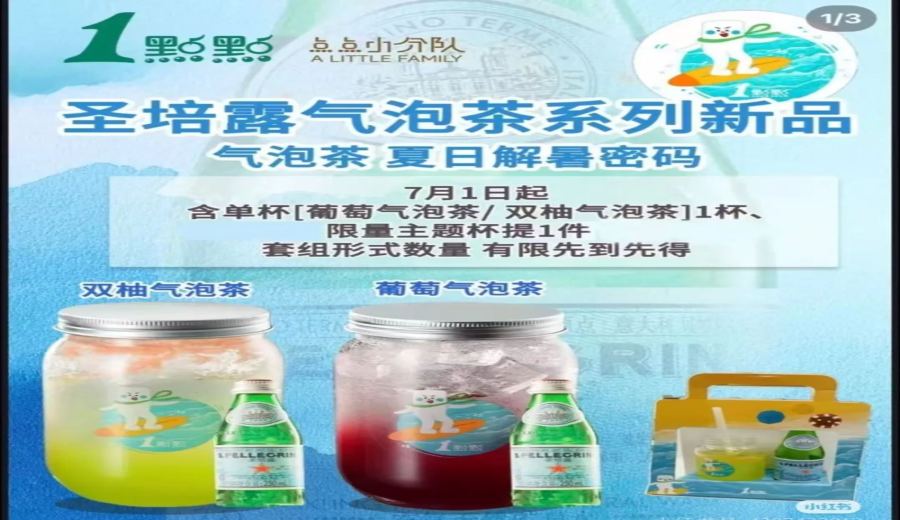
Introduction:The combo pack of "Grape Sparkling Tea" and "Double Grapefruit Sparkling Tea" jointly launched by 1-Point-Tea and San Pellegrino has sparked consumer concerns over hygiene and delivery safety due to issues such as pre-opened bottles and insufficient liquid volume in the complimentary San Pellegrino sparkling water. This article delves into the full story of the incident, explores the impact of opened sparkling water on taste, and provides details and advice consumers should be aware of to fully understand the actual situation of this collaboration.
Recently, the well-known Taiwanese tea drink brand 1-Point-Tea partnered with the Italian premium mineral water brand San Pellegrino to release two limited-edition seasonal sparkling teas — "Grape Sparkling Tea" and "Double Grapefruit Sparkling Tea." Sold as a combo package, customers could not only purchase a freshly made sparkling tea but also receive a bottle of San Pellegrino sparkling water along with exclusive co-branded packaging. However, shortly after the product launch, many customers reported that the complimentary sparkling water they received had been opened and clearly contained less liquid than the standard amount, raising concerns about product hygiene and the delivery process.
Some users who ordered via delivery platforms even stated that they only received the sparkling tea and did not get the advertised San Pellegrino sparkling water or limited-edition packaging, which was noticeably different from the official promotional images and descriptions, resulting in a gap in consumer experience. In response to consumer doubts, some netizens explained that these complimentary sparkling waters were actually leftover materials from making the sparkling teas, a common practice in some tea shops. However, this explanation did not fully resolve the controversy.
Experts pointed out,that once opened, sparkling water gradually loses its carbon dioxide, especially during long periods of delivery or handling, which can easily lead to a noticeable decline in fizziness and affect the overall drinking experience. Many sparkling water enthusiasts expressed that they had expected to enjoy a refreshing, carbonated beverage, but instead received something akin to plain water with a flat taste, leaving them greatly disappointed. The visible signs of the bottle being opened and the reduced liquid volume further led many consumers to question whether the bottle had been previously opened or consumed by someone else.
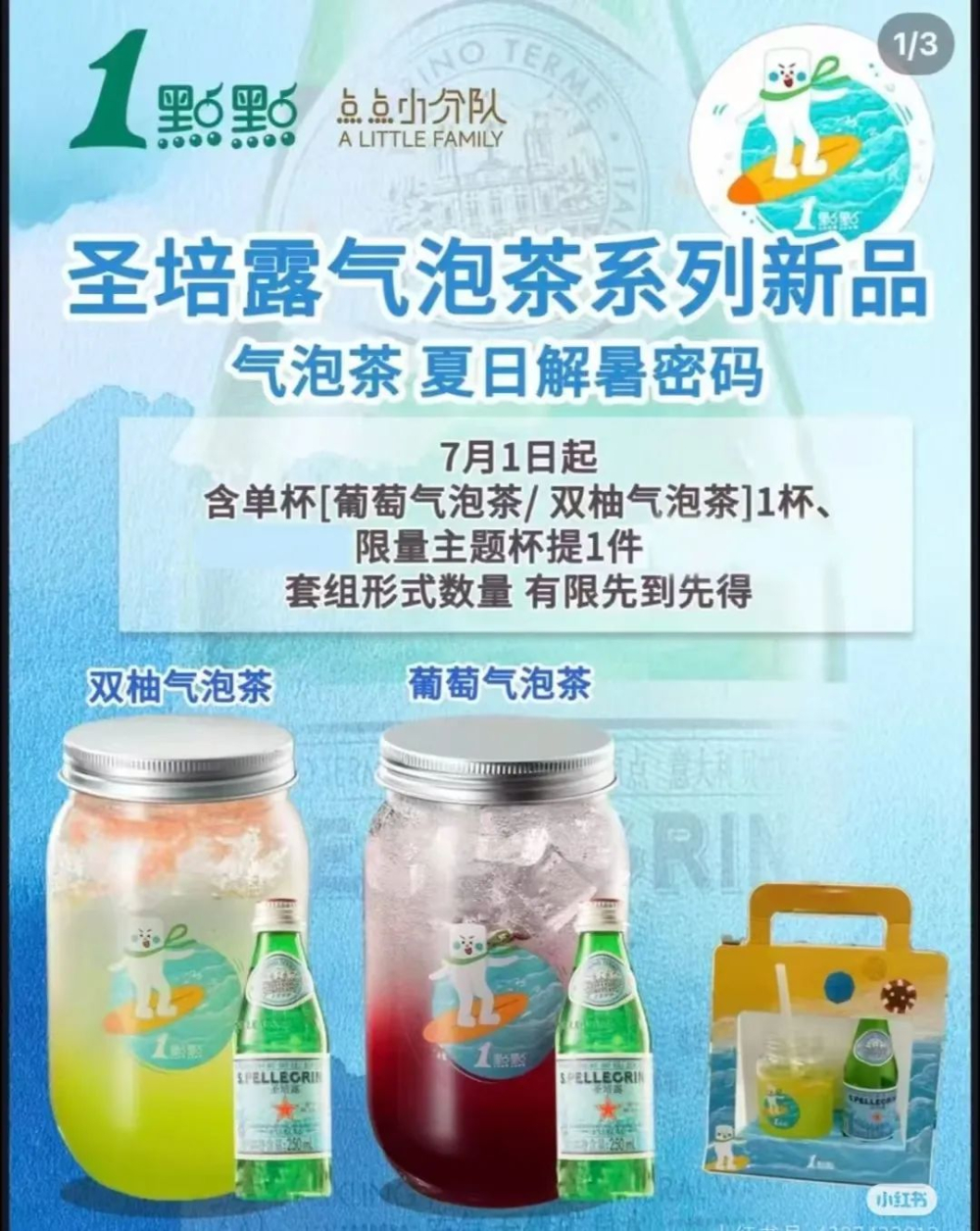
Regarding this incident, industry insiders revealed that some tea shops might indeed retain leftover sparkling water when preparing specialty drinks and provide it to customers along with the bottle, allowing them to adjust the flavor to their preference. However, such practices should normally be based on ensuring the product is intact and unopened, and customers should be clearly informed to avoid misunderstandings.
Many netizens suggested that if brands continue to launch similar collaborative activities in the future, they should consider providing unopened San Pellegrino sparkling water directly, allowing customers to decide for themselves whether to add the bubbles. This would not only ensure the original taste of the beverage but also avoid quality degradation issues caused by delivering pre-opened products. Additionally, this approach could prevent unexpected issues such as bottle caps bursting due to shaking during delivery or consumers wrongly assuming the sparkling water had been tampered with.
In summary, although the collaboration between 1-Point-Tea and San Pellegrino was successful in capturing attention through marketing, it sparked considerable controversy in actual execution due to the condition of the complimentary items. For consumers, understanding the impact of opened sparkling water on flavor and how to assess the quality of delivered beverages are key points to consider when purchasing similar combo products in the future.
The above content is compiled by CoffeeHunters, a coffee news website.


