







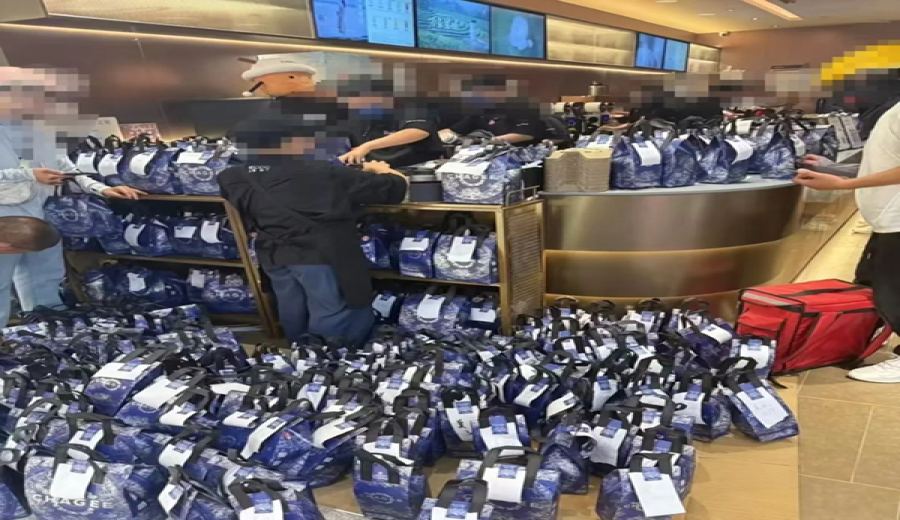
Introduction:The "first cup of milk tea in autumn" marketing campaign triggered by the Start of Autumn solar term, fueled by large-scale subsidies from food delivery platforms, saw order volumes this year skyrocket to their highest level on record. This article takes an in-depth look at how tea beverage chain stores were driven to operational paralysis by the surge in orders—from dispatcher malfunctions to system crashes—and reveals the risk management strategies behind businesses’ temporary closures, offering key insights for both consumers and industry professionals.
With the arrival of the Start of Autumn, the annual "first cup of milk tea in autumn" promotion in Chinese markets once again ignited a wave of consumer enthusiasm. This year, unprecedented tea drink vouchers and high-value discount coupons launched by platforms such as Meituan, Ele.me, and JD.com, combined with each brand’s own marketing initiatives, led to explosive growth in overall order volumes, far surpassing records from previous years.
However, this unprecedented flood of orders quickly exposed the operational limits of tea beverage outlets. From the very first hour of opening, store cash registers continuously spat out towering stacks of order receipts, while beverage label printers ran at full speed. Staff, barely finished with their morning preparations, were immediately thrown into intense production processes, shaking hundreds of tea and coffee drinks with shakers in hand. The number of pending beverages, which systems initially estimated at one or two hundred cups, soared within a short time to nearly a thousand.
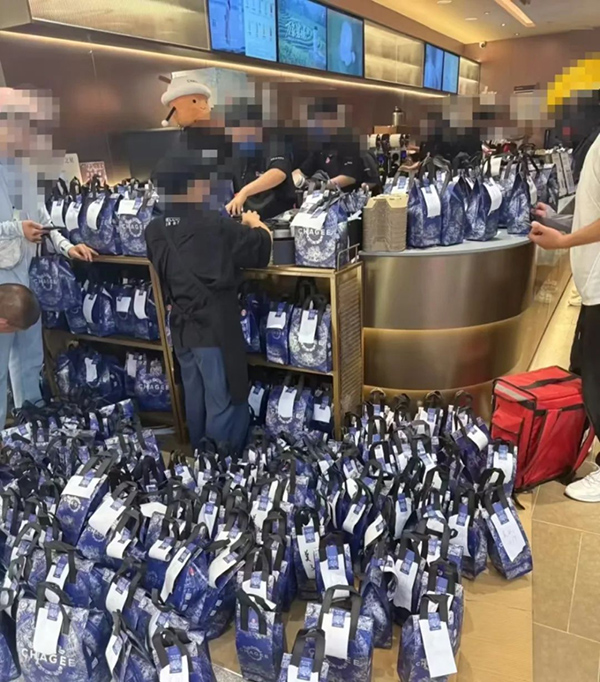
Although brand headquarters had issued preparatory notices days in advance, instructing all stores to stock up on ingredients and promotional gifts, and to schedule full staffing to handle the rush, the actual surge—three to five times the usual order volume—still plunged on-site workers into chaos. Staff admitted that when the screen showed over seven hundred drinks pending, the backlog of printed orders had piled up into a "ticket mountain" over ten centimeters high, with manpower scheduling and equipment capacity clearly unable to keep up with demand.
Even more severe challenges came from the delivery side. With the concentration of online orders, the supply of riders in various regions was severely insufficient, leading to numerous instances of delayed deliveries and incorrect dispatches. Store customer service systems were nearly overwhelmed by customer complaints, with common issues including waits exceeding two hours without receiving orders and delays in refund processes via third-party platforms. Some consumers described what was supposed to be an anticipated autumn special drink as ultimately turning into a disappointing shopping experience.
Feedback from social media platforms showed that major brands such as Starbucks, Luckin Coffee, HEYTEA, and Chagee all commonly experienced abnormal order processing and a surge in customer complaints. Many netizens shared experiences of receiving the wrong items or facing long delays, only to encounter further delays when applying for refunds through platforms, which exacerbated consumer dissatisfaction.
Faced with overwhelming order pressure, several chain brands opted for emergency measures. Some outlets temporarily closed or suspended delivery services to prevent complete system breakdowns, leaving customers unable to place orders even with valid coupons during peak hours. While these moves provided short-term relief from operational strain, they also sparked doubts among some customers regarding service consistency.
Industry insiders pointed out that this incident highlights structural weaknesses in real-time delivery systems under peak traffic conditions. From ingredient stocking and staffing to dispatching delivery networks, existing business models still show clear bottlenecks under extreme demand scenarios. In the future, brands may need to reassess the alignment between promotional strategies and operational capacity to build more resilient response mechanisms.
Notably, despite some outlets ending business early to control the flow of orders, the overall promotion continued. Frontline staff, after enduring continuous high-pressure work, could only adapt mentally to meet the challenges of the remaining hours, hoping that as the Start of Autumn moment passed, this unprecedented storm of orders would gradually subside.
The above content is compiled by CoffeeHunters, a coffee news website.


