








Introduction:Facing a dazzling array of coffee beans, do you feel at a loss when it comes to choosing? This article will take you through the key points of selecting espresso beans in detail—from the differences between Arabica and Robusta, the choice between blends and single-origin beans, the impact of roast levels, to the importance of roast date and resting period. It also combines actual products to offer specific flavor descriptions and purchasing advice, helping you easily find the beans that suit you.
When you’re just getting into coffee, seeing all the different names and categories on the shelf can be a bit overwhelming. From “Arabica” and “Robusta” to “blend” and “single-origin,” as well as “SOE,” “roast level,” and “resting,” these terms may sound technical, but once you grasp a few key concepts, you can quickly clarify your thoughts and find the coffee beans that best match your taste. This article will take you in-depth into these common questions and, by combining real products such as Ethiopia Huila HuipIng, Brazil Queen Estate, and Indonesia Golden Mandheling, provide specific flavor profiles and practical suggestions to help you avoid detours in your journey of selecting espresso beans.

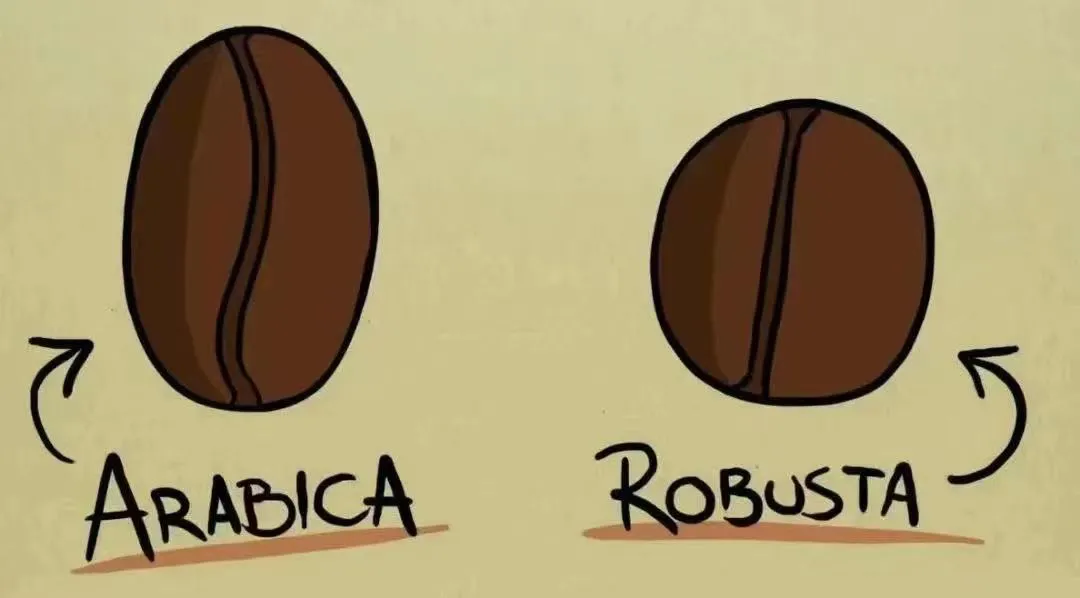
First, the most fundamental question is: should you choose Arabica or Robusta? These two types of coffee beans are the mainstream in the market today, but they differ significantly in flavor, price, and use. Arabica is regarded as the representative of high-quality coffee, with delicate aromas and layered flavors, and relatively low caffeine content. Common varieties include Typica, Geisha, and Bourbon. If you’re looking for a smooth and aromatic cup of coffee, choosing pure Arabica beans is usually a safe bet. In contrast, Robusta, also known as Canephora or commonly referred to as “Robusta beans,” has a simpler flavor profile, but higher caffeine content and a stronger taste. It’s often used in instant or canned coffee. However, it has its advantages too—namely, it can produce rich crema, so a small amount of Robusta is often added to many blend recipes to enhance the thickness of the espresso crema layer, making the coffee taste richer and better balanced with milk. For example, some classic blends achieve a more solid overall taste through a clever adjustment of the Robusta ratio, maintaining a distinct coffee aroma even when a large amount of milk is added.
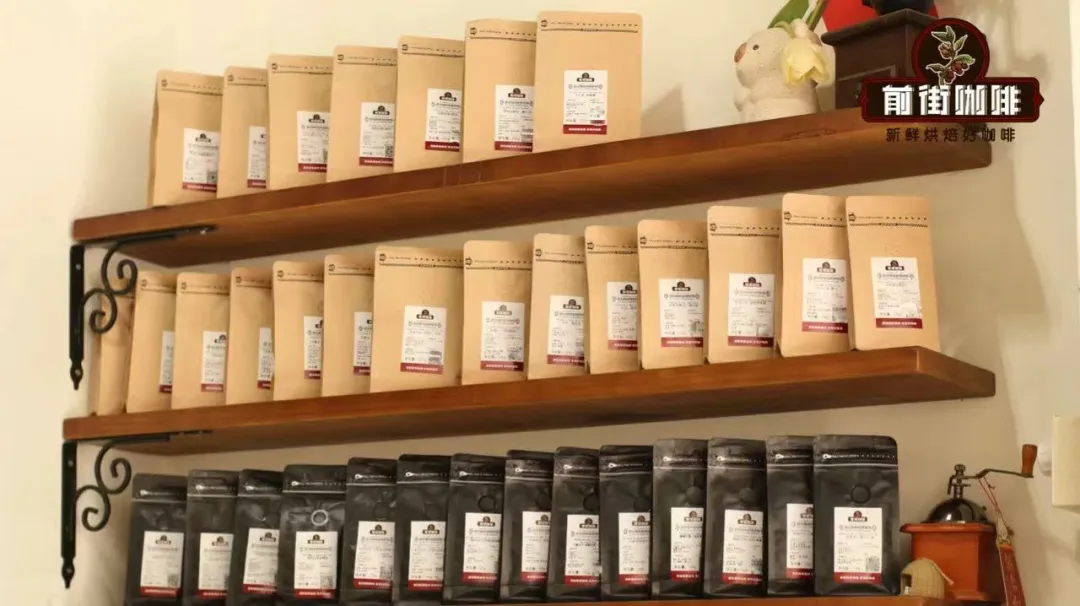
Next, when selecting espresso beans, you might often hesitate between “blends” and “single-origin beans (including SOE).” Single-origin coffee beans refer to beans from a single region or farm, showcasing the unique terroir and processing characteristics of that area, and are commonly seen in the pour over scene. Espresso made from single-origin beans is often called SOE (Single Origin Espresso). To suit espresso extraction, it’s usually roasted darker than hand pour single-origin beans, to reduce excessive acidity and highlight flavor concentration. Many cafés offer single-origin beans roasted to various levels—for example, Ethiopia Huila HuipIng comes in a light roast version suitable for pour over, and a dark roast option suitable for espresso. As for blends, they combine beans from different regions and with different flavor profiles in certain proportions, aiming to balance stability, cost-effectiveness, and complexity, resulting in a more comprehensive and rich overall coffee experience. Simply put, if you want to taste the native characteristics of a particular origin, single-origin beans are your best choice; if you prefer an all-rounded performance and great value, blends might better meet your needs.
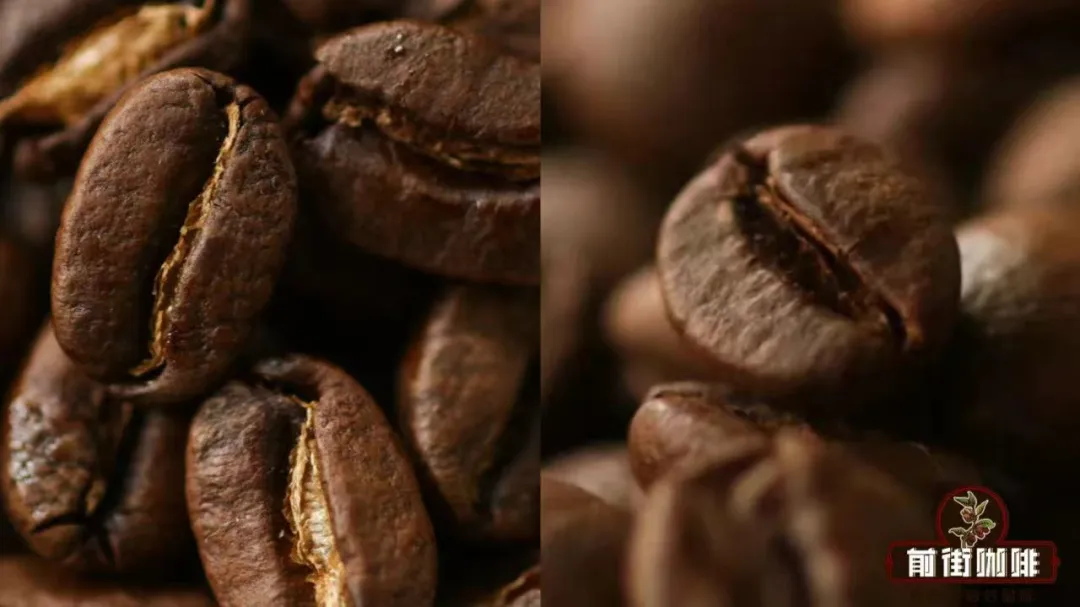
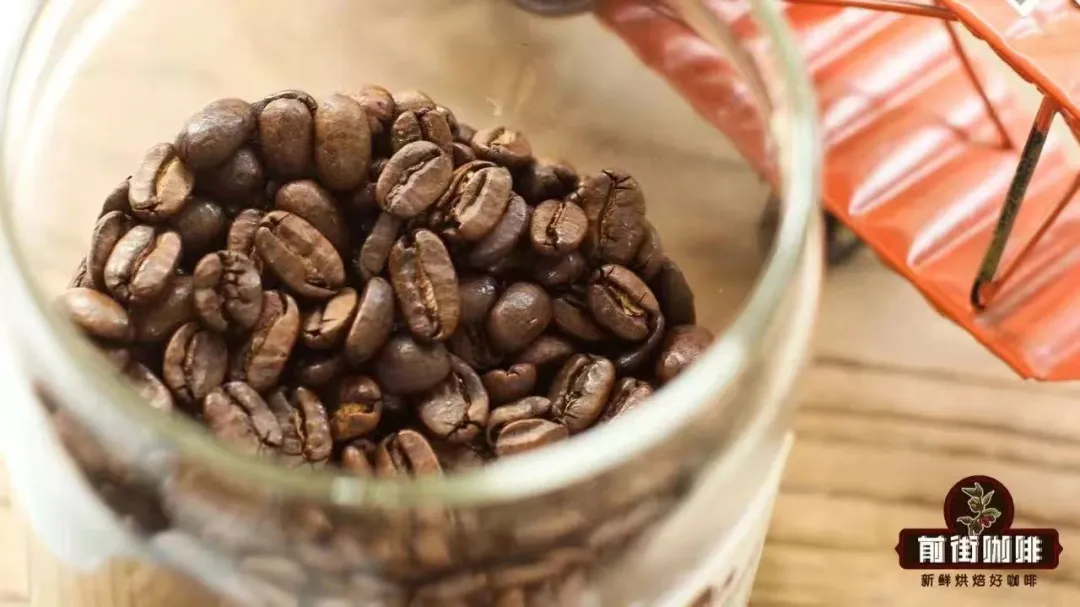
Roast level is also an important consideration when choosing beans. The difference between dark and light roasts is mainly reflected in flavor direction. Light roasts typically end early in the Maillard reaction and caramelization process, thus preserving more organic acids. The flavor tends to be fresh, such as citrus, floral, and fruity notes, with lower bitterness, making it suitable for those who enjoy sweet and sour profiles—commonly found in American-style or pour over coffee. For example, Ethiopia Huila HuipIng, when processed with a light roast, exhibits soft acidity and prominent citrus aroma, along with buttery and floral tonalities. On the other hand, dark roasts undergo more thorough reactions, releasing abundant chocolate, caramel, and nutty aromas, with a rich taste and noticeable bitterness, while acidity is relatively less pronounced. These beans are suitable for those who prefer bold, sweet-aftertaste-rich, and aromatic cups. For instance, Brazil Queen Estate and Indonesia Golden Mandheling, after dark roasting, showcase characteristics of nutty creamy chocolate and piney spice chocolate, respectively, with outstanding sweetness. Additionally, it’s worth mentioning that if you value crema performance, dark roasts generally produce thicker and more persistent crema layers, especially when extraction pressure is sufficient.
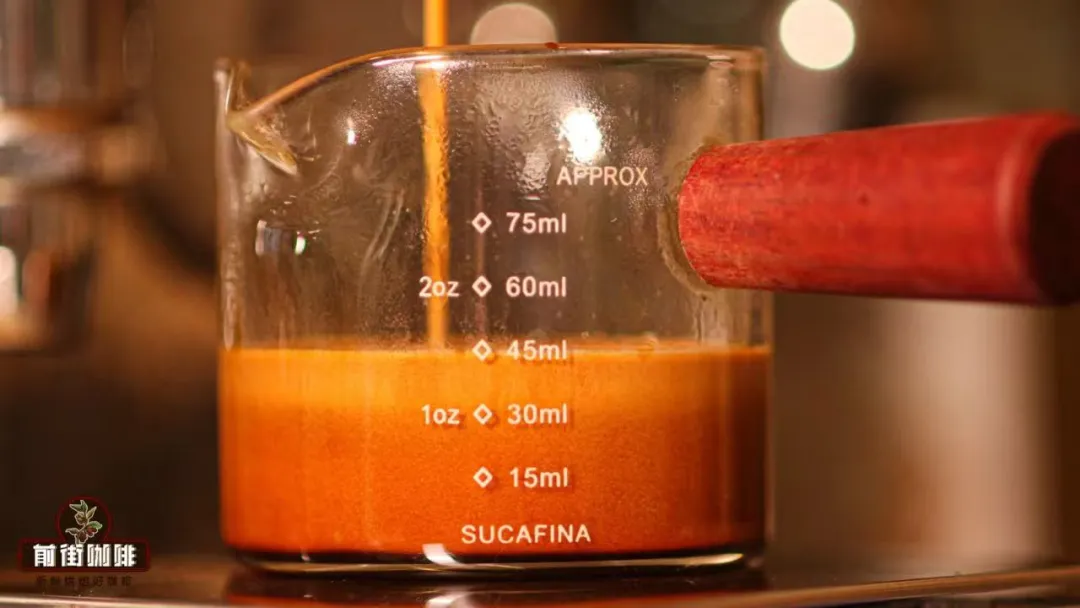
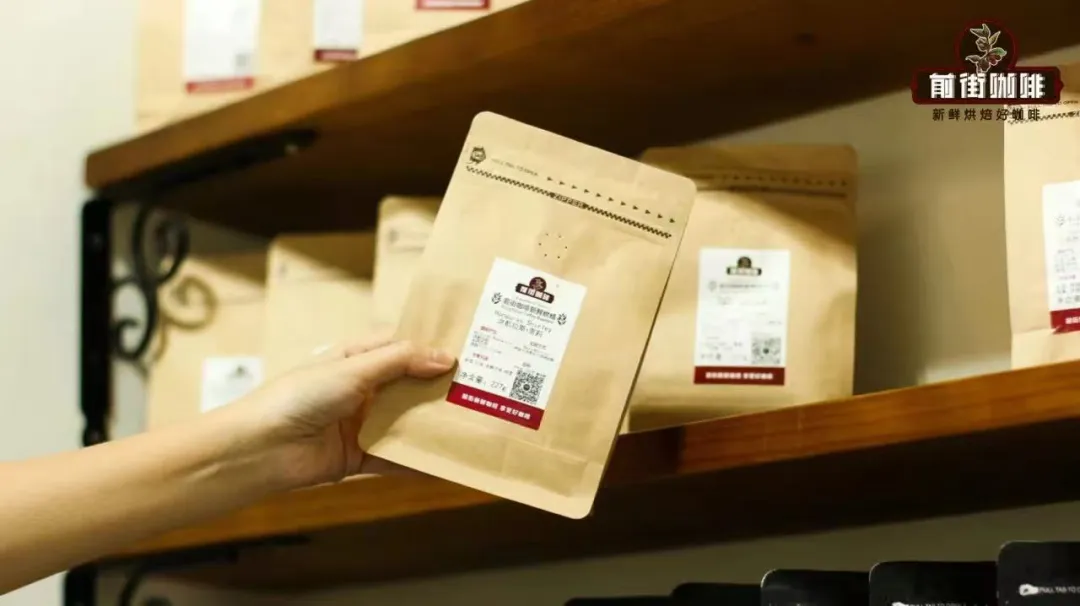
When buying coffee beans, the “roast date” is an information you shouldn’t overlook. It’s recommended to choose freshly roasted beans, as the aroma and flavor of coffee gradually diminish over time. However, freshly roasted beans usually require a “resting period.” Freshly roasted beans contain a lot of carbon dioxide, which can interfere with the extraction process, leading to uneven extraction, affecting the final taste, and even giving the coffee an unpleasant burnt sensation—especially noticeable when making espresso. Therefore, it’s advised to let freshly roasted coffee beans rest for 4–7 days before brewing. The specific resting time can be adjusted according to roast depth; the darker the roast, the longer the carbon dioxide release time typically is, and the longer the resting period required.
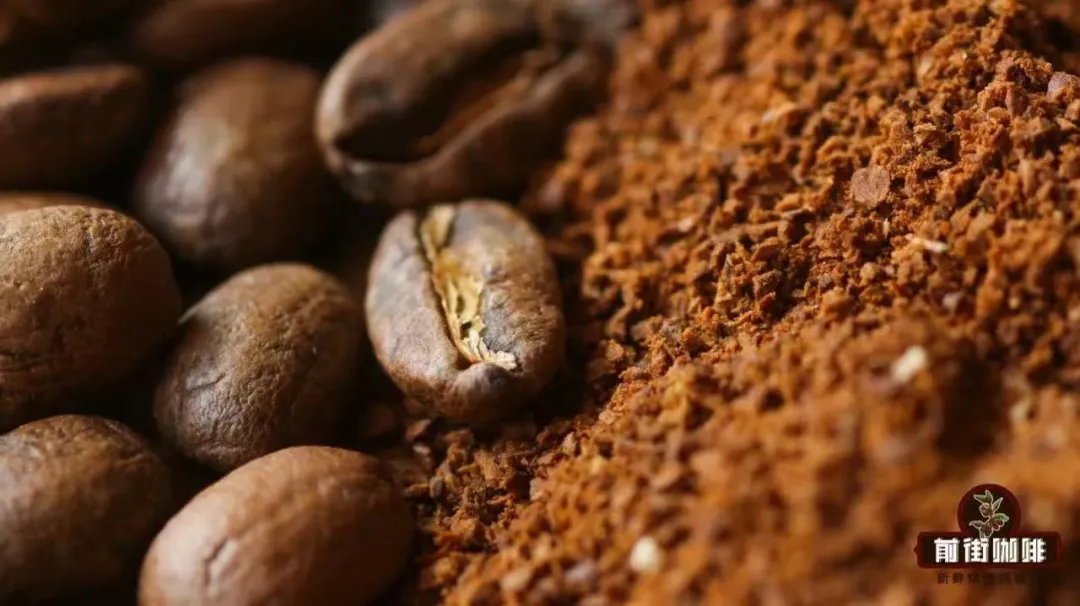
Finally, regarding whether you need pre-ground coffee, the answer is usually: grind fresh when possible. Once coffee beans are ground, their surface area increases significantly, and the rate of aroma evaporation accelerates markedly. So unless you don’t have a grinder or are traveling, it’s recommended to grind the beans just before brewing to achieve the best flavor. Grinding fresh not only preserves more aroma, but also allows you to adjust the grind size according to different brewing methods, further enhancing extraction quality.
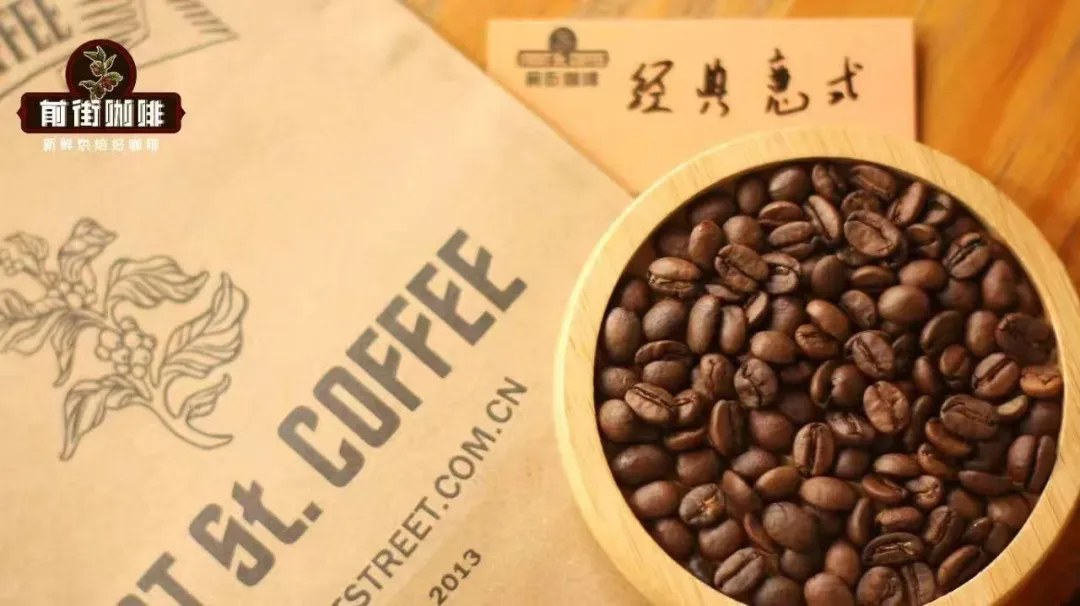
In summary, when selecting espresso beans, you can start with the following key points: understand the differences between Arabica and Robusta, be clear on the characteristics and suitable scenarios of blends and single-origin beans, choose an appropriate roast level based on personal taste, pay attention to roast date and proper resting, and try to grind fresh to preserve aroma. Also, avoid buying too much at once, and store the beans properly in a dry, light-proof, and airtight environment to extend their shelf life and enjoy the best flavor experience. Once you’ve mastered these basics, you can further explore details such as origin, processing method, and variety, gradually establishing your own coffee bean selection criteria.
The above content is compiled by CoffeeHunters, a coffee news website.


