








Introduction:When extracting espresso, if the portafilter is suddenly ejected by pressure, it not only dirties the workstation but may also cause burns or machine damage. This phenomenon is commonly known as "exploding basket." This article delves into the three main causes of portafilter detachment, including improper locking, worn gaskets, and insufficient pressure release, and provides practical prevention and troubleshooting tips to help coffee enthusiasts enjoy stable extractions with peace of mind.
Have you ever experienced the portafilter suddenly "flying off" during or just after espresso extraction on a semi-automatic espresso machine, as if ejected by internal pressure, causing coffee grounds to scatter everywhere, and possibly leading to burns or machine damage? This situation is commonly referred to as "exploding basket," which not only disrupts the brewing process but also poses potential safety risks. This article will detail the common causes of accidental portafilter detachment, including incomplete locking, worn parts, and improper pressure release, and offer clear and easy-to-understand solutions and preventive advice so you can brew with confidence from now on.

Many users have reported experiencing the sudden ejection of the portafilter while extracting espresso, especially at the moment just after extraction or when attempting to remove the portafilter. The portafilter seems to be "catapulted" out by internal pressure, causing coffee grounds to spill all over the place. Not only does this take time to clean up, but it also carries certain risks. In fact, such incidents are mostly related to handling methods, machine conditions, or pressure management. With the right knowledge, they can be effectively avoided.
In summary, the common causes of "exploding basket" can be divided into three categories: the portafilter not being fully locked, the sealing gasket being worn out or ineffective, and insufficient pressure release after extraction. Below, we will break down these issues one by one and provide specific handling suggestions and operational details to help you create a safer brewing environment.
I. Portafilter Not Fully Locked
A common misconception among beginners using an espresso machine is the fear that "applying too much force might damage the machine." As a result, they stop turning the portafilter as soon as they feel slight resistance, without ensuring that it is fully seated against the group head. However, this incompletely locked state can cause the portafilter to shift under high-pressure extraction and eventually be forced out by internal pressure, resulting in an exploding basket.
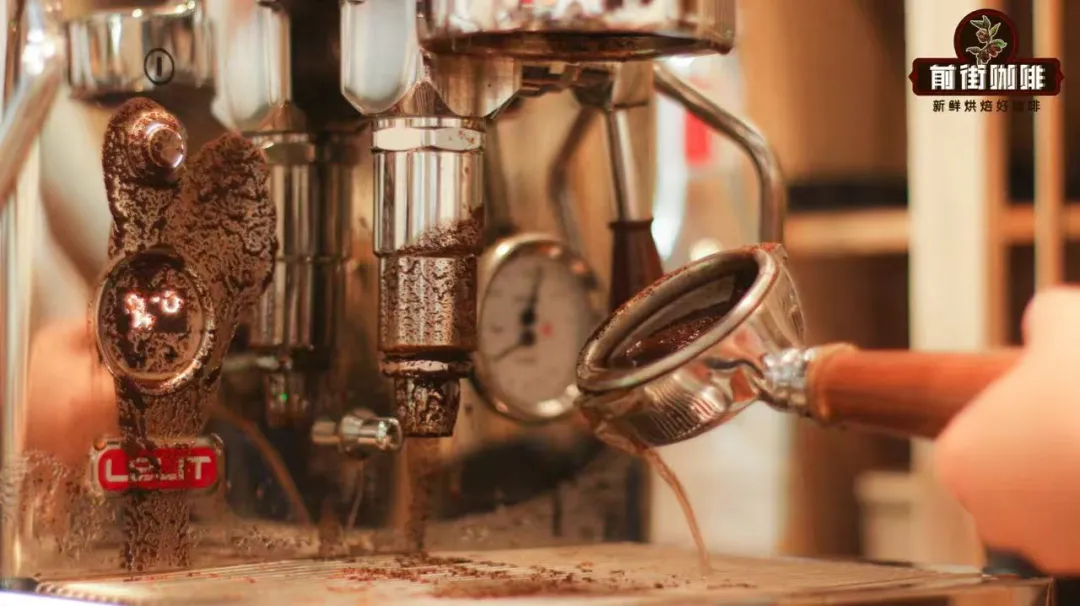
To avoid this, it is recommended to continue rotating the portafilter until you clearly feel increased resistance and it can no longer turn, even if a bit of force is required. Espresso machines are designed to withstand normal operating pressures, and as long as you do not use excessive force to twist it, properly locking it is completely safe. Ensuring there is no looseness between the portafilter and the group head is the first step in preventing an exploding basket.
II. Gasket Aging or Wear
Another common cause of portafilter loosening or even ejection is the aging of the critical sealing gasket (usually located inside the group head) over time or with frequent use. This gasket is responsible not only for sealing but also for helping to secure the position of the portafilter. Once the gasket becomes hard and loses elasticity, it may not only lead to dripping during extraction but also cause the portafilter to lock insecurely, requiring more effort to fix, and is prone to dislodging under high pressure.
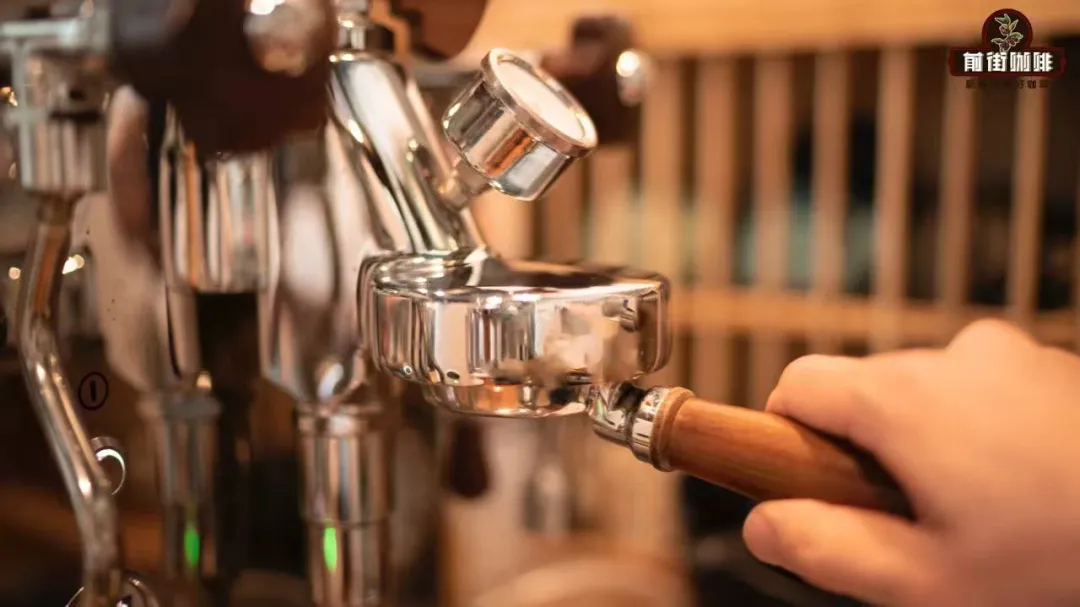
If you notice dripping during extraction, the portafilter needing to be turned to a specific position to lock, or if you’ve recently experienced frequent portafilter looseness, it is recommended to first check and replace the gasket. Generally, gaskets have a lifespan of about one year, but actual longevity may vary depending on usage frequency and maintenance. You can purchase replacements from regular suppliers and follow the included replacement instructions to install them yourself. Additionally, although less common, wear on the group head groove and the portafilter itself may also affect locking performance, so it’s advisable to regularly inspect the overall condition.
III. Insufficient Pressure Release
Most semi-automatic espresso machines are equipped with an overpressure relief valve, which is used to release accumulated steam and hot water inside the machine when extraction ends or pressure gets too high, thereby reducing system pressure. However, this pressure release process takes some time. If you attempt to remove the portafilter before the pressure has fully dissipated, the residual pressure can easily "eject" the portafilter, causing an exploding basket.
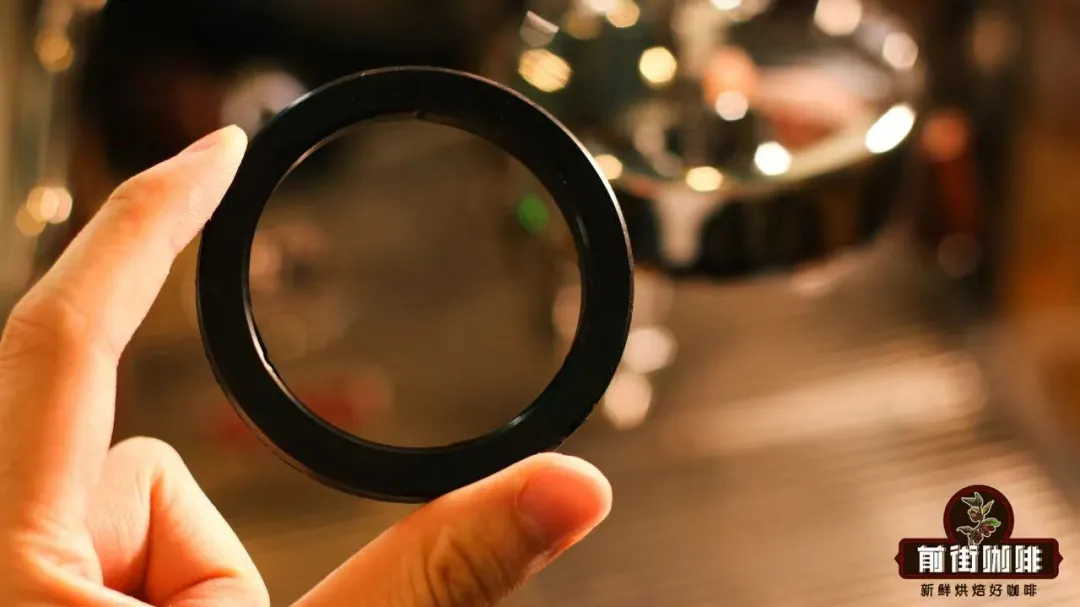
This is especially true when using a finer grind that results in higher puck resistance or when performing long backflushes with a blind basket, as the internal pressure may build up even more. In such cases, extra attention should be paid to the pressure release time. It is recommended to wait a little after extraction until you see hot water naturally flowing out of the spout, confirming that the pressure has been released, before removing the portafilter. Also, avoid excessively prolonging high-pressure extraction time. If you notice abnormally slow flow rates, you should first check the grind size or coffee dose settings, and if necessary, stop the extraction, readjust, and then continue.
In summary, to prevent the portafilter from exploding on an espresso machine, the key lies in proper operational habits, regular maintenance of parts, and mastering the timing of pressure release. By ensuring the portafilter is fully locked, replacing aging gaskets in a timely manner, and following the correct pressure release procedure, you can significantly reduce the likelihood of unexpected incidents and enjoy a smoother and safer coffee-making experience.
The above content is compiled by CoffeeHunters, a coffee news website.


