







Introduction:When a popular national tea brand collaborates with a highly anticipated fantasy game, what should be a win-win cross-industry partnership instead sparks criticism from the gaming community due to quality control issues. This article puts the luggage tag from the Namaste x “Return to the Future: 1999” collaboration to the test for printing ghosting problems, analyzes the technical reasons behind collectible card sticking caused by condensation on the themed cup, and provides consumer guidance for safeguarding their rights—helping you avoid common pitfalls in collaborative merchandise.
Namaste’s recent collaboration with the hit fantasy game “Return to the Future: 1999” was initially expected to generate buzz with limited-edition drinks and game character merchandise. However, quality control oversights led to customer dissatisfaction. Practical testing revealed that the official “high-quality printed luggage tags” exhibit noticeable image ghosting, where the outlines of game characters appear doubled under light—like a “soul leaving the body” effect—that detracts from visual appeal.
The issue is concentrated in the central character illustration area of the luggage tag,with the ghosting effect becoming particularly obvious when the viewing angle exceeds 30 degrees.Some users sharing real photos on the Xiaohongshu platform show that the ghosting causes residual images in character hair strands and clothing lines, severely impacting collectible value. The in-store exchange process also presents hurdles, with staff often citing “no returns or exchanges after product leaves the counter” as a reason to deny requests—even when replacements are offered, the same quality issues frequently recur.
Another point of contention lies in the collectible cards included with the themed cups. These paper-based cups feature a tear-away card slot, which, according to official descriptions, should allow for the intact removal of a PVC mini-card featuring game characters. In practice, however, due to condensation on the exterior of the cup caused by chilled fruit teas,the problem of cup exterior wall condensationleads to moisture absorption in the paper slot, causing it to stick to the mini-card. Attempting to peel them apart often results in pattern damage or layer separation.
From a professional perspective, this issue involves three key factors: first, the choice of paper cup material did not account for the condensation effect of cold beverages; second, the adhesive used in the card slot becomes more tacky in humid environments; and third, the surface of the PVC mini-cards lacks anti-stick treatment.It is recommended that consumers immediately invert and air-dry the cup upon openingand complete the card extraction within five minutes to minimize the risk of damage.
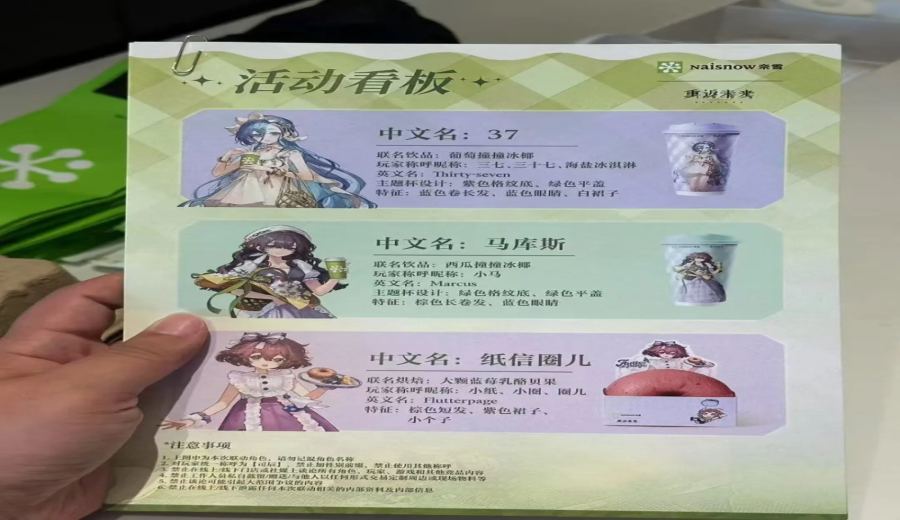
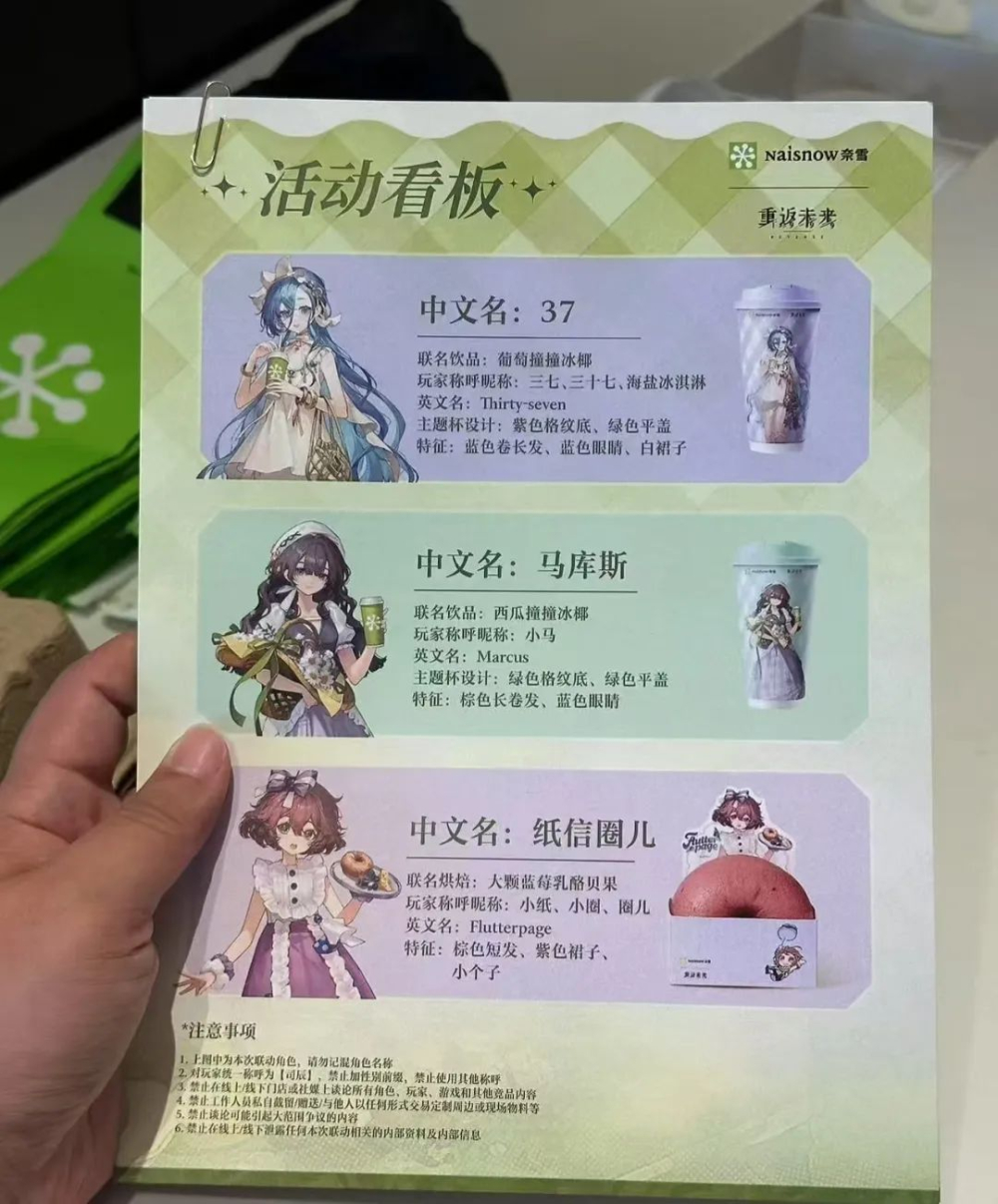
Notably, Namaste’s pre-collaboration preparations actually demonstrated a professional approach—internal training materials show that the brand compiled a nickname reference sheet for game characters for staff to study and created detailed product story cards. This common IP collaboration tactic of “experience priming” ultimately fell flat due to quality control oversights during execution, eroding consumer expectations.
From an industry standpoint, beverage brands collaborating with game IPs must pay special attention to:the selection of materials for merchandise must match real-world usage scenarios,such as using smudge-resistant printing technology for items used in high-humidity environments and subjecting interactive components to temperature variation tests. In this case, the insufficient UV print layer thickness on the luggage tag and the lack of moisture-proofing in the themed cup’s card slot were both preventable manufacturing flaws.
For consumers who have already purchased collaborative products and encounter noticeable quality issues, it is advised to first submit photos of the physical item through the official app and retain purchase receipts. Based on past cases, brands often activate special exchange channels during periods of heightened public concern—but it is important to note the72-hour feedback windowlimit.
The above content is compiled by CoffeeHunters, a coffee news website.


