







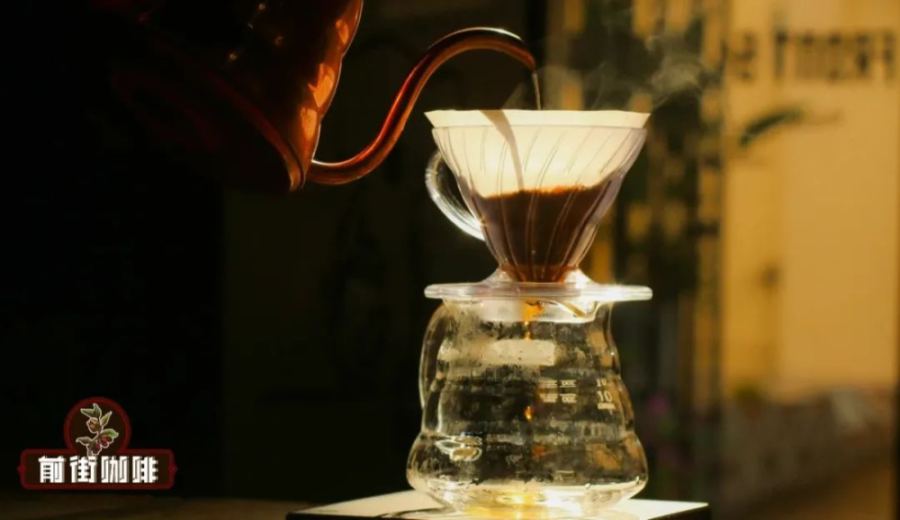
Introduction:When brewing coffee, water makes up the vast majority of the recipe, and its composition directly affects extraction efficiency and the final flavor profile. Faced with the wide variety of bottled water available on the market, consumers often wonder whether more expensive water means better coffee. This article uses Nongfu Spring as a baseline, selecting two distinctly priced bottled waters—Kunlun Mountain Snow Mountain Mineral Water and Dinghu Mountain Spring—and conducting a blind tasting with two coffee beans, Yirgacheffe Red Cherry and Diamond Mountain, to deeply analyze how water quality impacts coffee extraction and flavor presentation from dimensions such as TDS, hardness, and pH, helping you choose the best water for pour over.
Over ninety percent of coffee is water. Water is not only the medium that carries flavor but also a key player in the extraction process. The mineral composition, acidity, and softness or hardness of different water sources can significantly alter the efficiency of coffee extraction and the layers of flavor, ultimately determining whether a cup of coffee ends up rich and full-bodied or thin and sharp.
The variety of bottled water on the market is dazzling, with prices ranging widely—from affordable everyday drinking options to premium mineral waters that cost dozens of yuan. Many coffee enthusiasts ask: “Does more expensive water make better-tasting coffee?” There’s no absolute answer to this question because whether it’s “suitable” depends on whether the chemical properties of the water match those of the coffee beans.
To find the answer, this test specifically used commonly available bottled water rather than expensive bottled water, in order to avoid interference from special mineralization components in judgment. Based on sales volume and price filtered from e-commerce platforms, we ultimately selected the lower-priced Dinghu Mountain Spring Drinking Natural Water (about 6.9 yuan/5 liters) and the higher-priced Kunlun Mountain Snow Mountain Mineral Water (about 19.9 yuan/5 liters) as comparison samples, and also included the widely available Nongfu Spring, commonly stocked by most coffee shops, as a control group for dual evaluation of flavor and parameters.
In the test, two coffee beans with very different profiles were used: one with bright fruity acidity and floral-fruit aromas, Yirgacheffe Red Cherry, and another known for its nutty and cocoa tones, Diamond Mountain. Brewing was conducted with 15 grams of coffee, a 1:15 coffee-to-water ratio, water temperatures of 93°C and 91°C, and EK43s grind setting at 10 for fine grinding, using a three-stage pouring method (30g-90g-105g), with flavor performance under different water qualities observed through blind tasting.
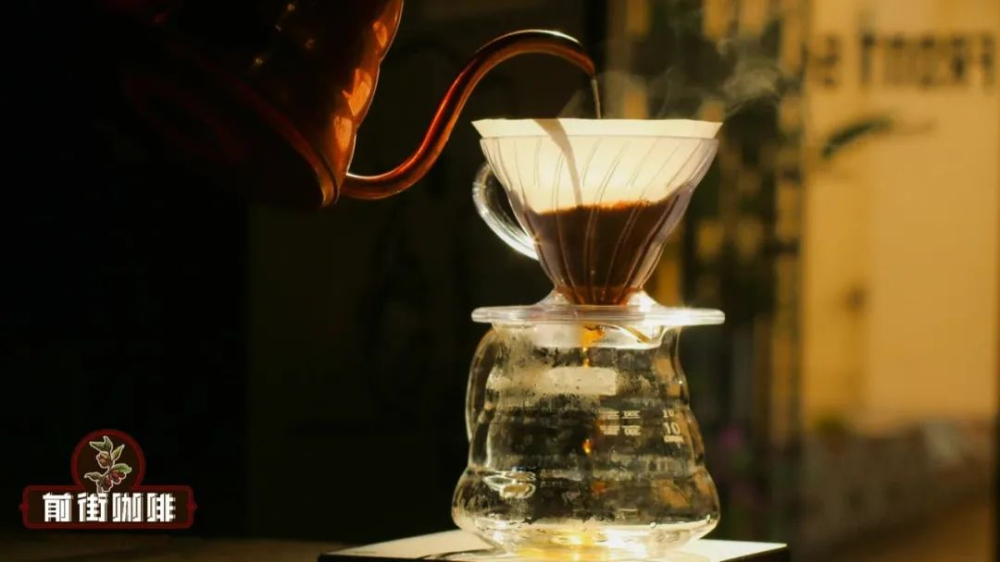
In the first round of testing, Yirgacheffe Red Cherry was used for brewing. The coffee brewed with Dinghu Mountain Spring featured aromas of lemon, grapefruit, and berries, with bright and lively acidity, but a slightly short aftertaste and overall rather light aroma; the Nongfu Spring version showcased citrus and black tea tones, with a more balanced acidity and sweetness, and revealed layers of berry acidity at lower temperatures; while the coffee brewed with Kunlun Mountain water had a noticeably heavier mouthfeel, with caramel and orange flavors, but also came with significant bitterness and strong tea-like notes, with the aftertaste lingering on the tongue for a longer time, affecting overall harmony.
The second round switched to the more mellow Diamond Mountain beans. The coffee brewed with Kunlun Mountain water focused on caramel and chocolate notes in the front, with weak flavors in the middle and back, and almost no aftertaste; Dinghu Mountain Spring released dark berry acidity such as plum and yangmei, along with cocoa sweetness, with a light mouthfeel but slightly sharp at lower temperatures; Nongfu Spring performed the most balanced, with clear nut and cocoa aromas, and at lower temperatures, dark berry acidity and fermented sweetness could still be felt, with a long and layered aftertaste.
From the actual tasting results, it’s clear that higher price does not equate to better brewing performance. Although Dinghu Mountain Spring is low-cost, it performs excellently in acidity and is suitable for drinkers who prefer a fresh profile; Nongfu Spring is generally balanced and broadly applicable; while Kunlun Mountain water, though rich in minerals, tends to suppress aroma and bring about unpleasant bitterness.
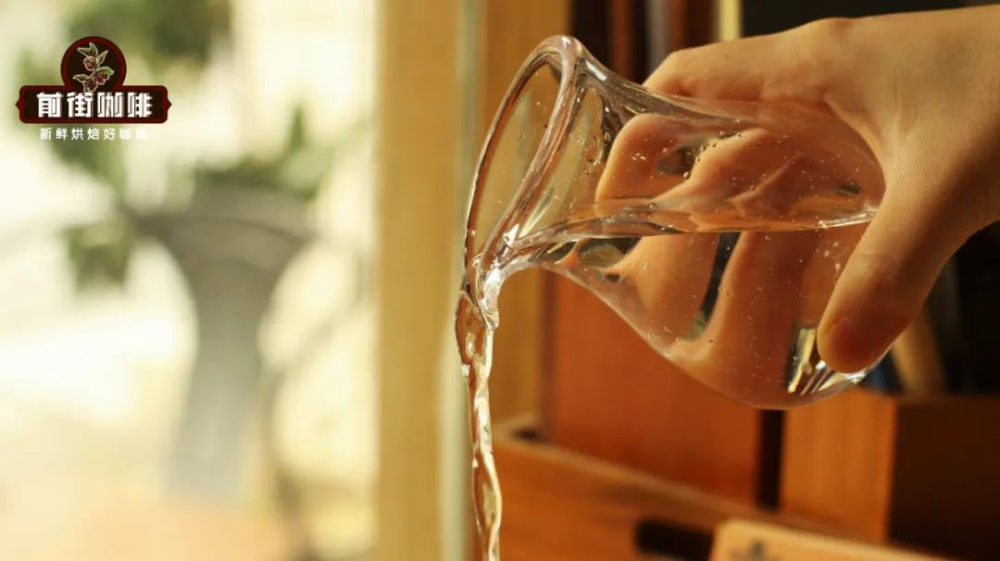
So, what characteristics of water affect coffee extraction? First, the pH level (acidity or alkalinity) of the water is an important indicator. Generally, coffee has a pH between 5 and 6, making it a weakly acidic beverage. Using water that is more alkaline will neutralize some of the acidic substances in coffee, reducing acidity and thus affecting the overall balance of flavors. Experiments show that Nongfu Spring has a pH of 7.3±0.5, Dinghu Mountain Spring ranges between 6.5 and 7.3, both mostly neutral; Kunlun Mountain water ranges from 7.0 to 8.5, considered weakly alkaline, which may be unfavorable for extracting acidity.
Secondly, the softness or hardness of water is equally critical. The hardness of water is primarily determined by the content of calcium and magnesium ions. These two types of minerals have different effects on coffee flavor extraction: an appropriate amount of calcium helps to bring out acidity, while magnesium can enhance sweetness and aroma release. According to World Health Organization standards, water below 200ppm is considered soft, and above 200ppm is hard. The Specialty Coffee Association (SCA) recommends a hardness range of 75 to 250ppm for brewing water, with an ideal value around 150ppm, and in practice, water with TDS (total dissolved solids) below 100ppm often tends to bring out richer flavors.
Measured with a TDS testing pen, Dinghu Mountain Spring has a TDS of only 25ppm, indicating extremely low calcium and magnesium ion content; Nongfu Spring is at 37ppm, within a moderate range; while Kunlun Mountain water reaches as high as 322ppm, classifying it as highly mineralized water, which during brewing can easily affect the extraction curve, altering the balance of acidity, sweetness, and bitterness, and even suppressing aroma release.
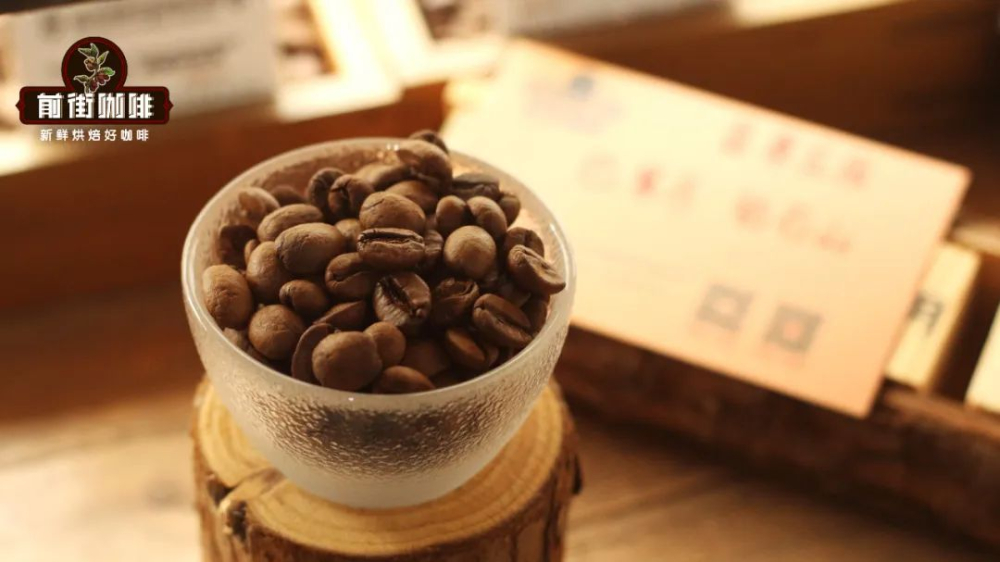
In summary, choosing the right water for pour over coffee is not about going for the most expensive option, but rather considering TDS value, hardness, and pH level comprehensively. For beginners, it’s recommended to start with neutral, low-hardness, and moderately TDS water sources, such as Nongfu Spring or similar low-mineralization bottled water, to help stabilize extraction and flavor performance. If you’re pursuing more pronounced fruit acidity or complex layers, you can further experiment with adjusting water parameters to find your own optimal flavor match.
The above content is compiled by CoffeeHunters, a coffee news website.


