







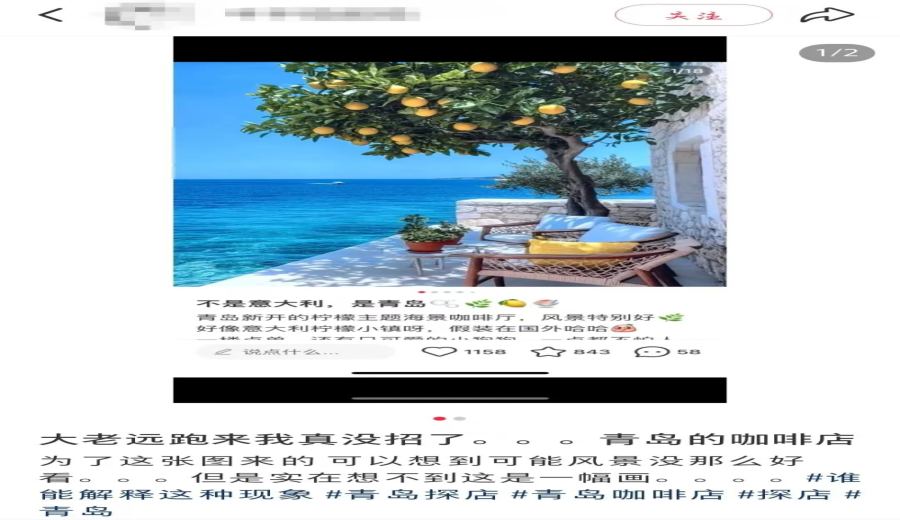
Introduction:A seaside coffee shop in Qingdao sparked heated discussion online after a photo shared by a netizen showcasing “a lemon tree by the window with a sea view” went viral. Many customers flocked to the shop after seeing the image, only to discover that the so-called sea view was actually a painting hung on the wall. This incident not only highlights the issue of authenticity in social media-based café reviews but also raises questions about whether the business was involved in creating misleading visuals. This article will delve into the details of the event, explore the differing accounts from the shop owner and netizens, and offer on-site visiting advice to help readers avoid similar consumer pitfalls.
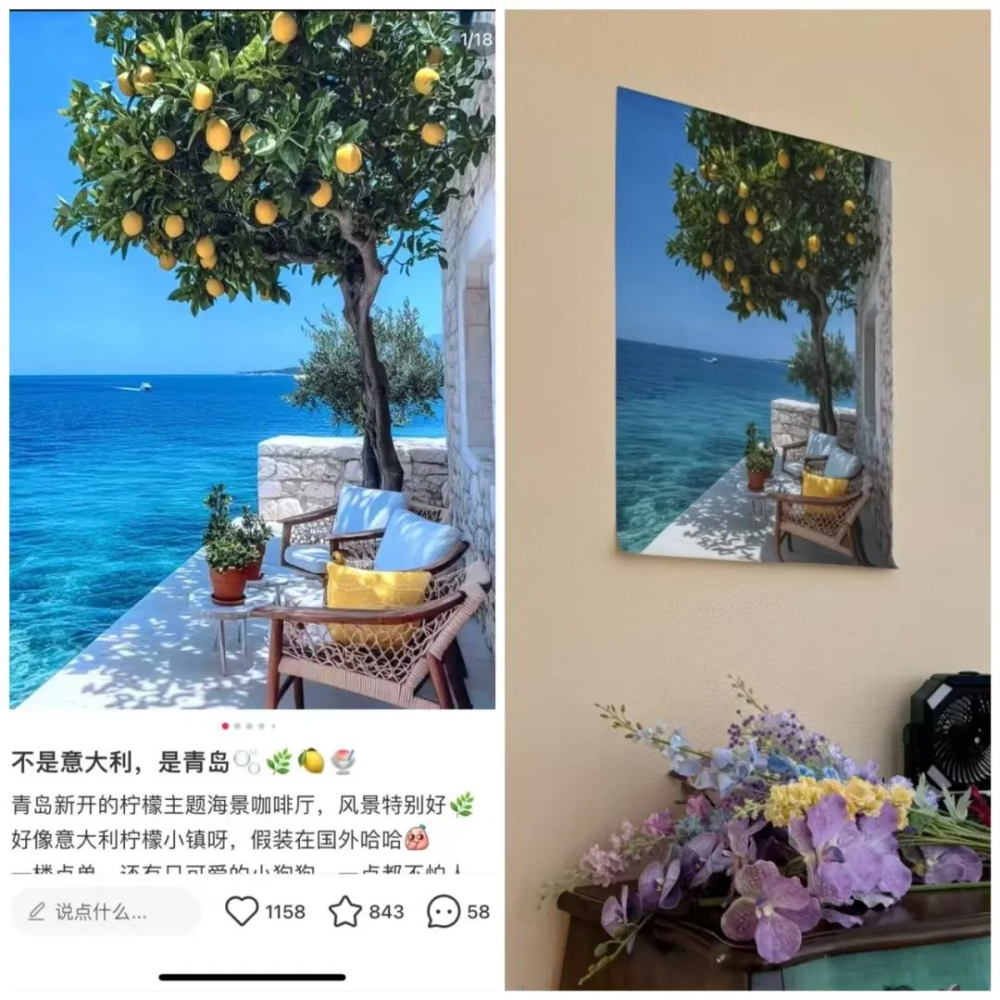
Recently, a newly opened seaside coffee shop in Qingdao caused an uproar online due to a recommended image showing “a lemon tree outside the window with a blue ocean.” Following the photo, several netizens visited the location based on the image, only to find that the lemon tree laden with fruit and the stunning seascape were actually just an ordinary decorative wall painting inside the café, leaving many disappointed and feeling deceived.
It is understood that the controversial recommended image first appeared on a social media platform, depicting a leisurely scene with a fruit-laden lemon tree outside the window and several chairs underneath, set against a backdrop of blue skies, white clouds, and the sea—highly appealing. However, customers who actually visited the shop found that the so-called “scenic view from the window” was merely a landscape painting hanging on the wall, not the real outdoor scenery shown in the photo.
The first netizen to visit the shop stated that although they had expected some difference between the actual scene and the photo, they were not prepared for such a huge disparity. Not only did the recommended image fail to clarify that it was taken of a painting, but it was also accompanied by captions like “a lemon-themed seaside coffee shop,” which easily misled people into believing it was genuine. The post quickly sparked discussion online, with many netizens exclaiming about the stark mismatch between the image and reality. Some expressed relief at having seen the real feedback beforehand and thus avoiding a wasted trip.
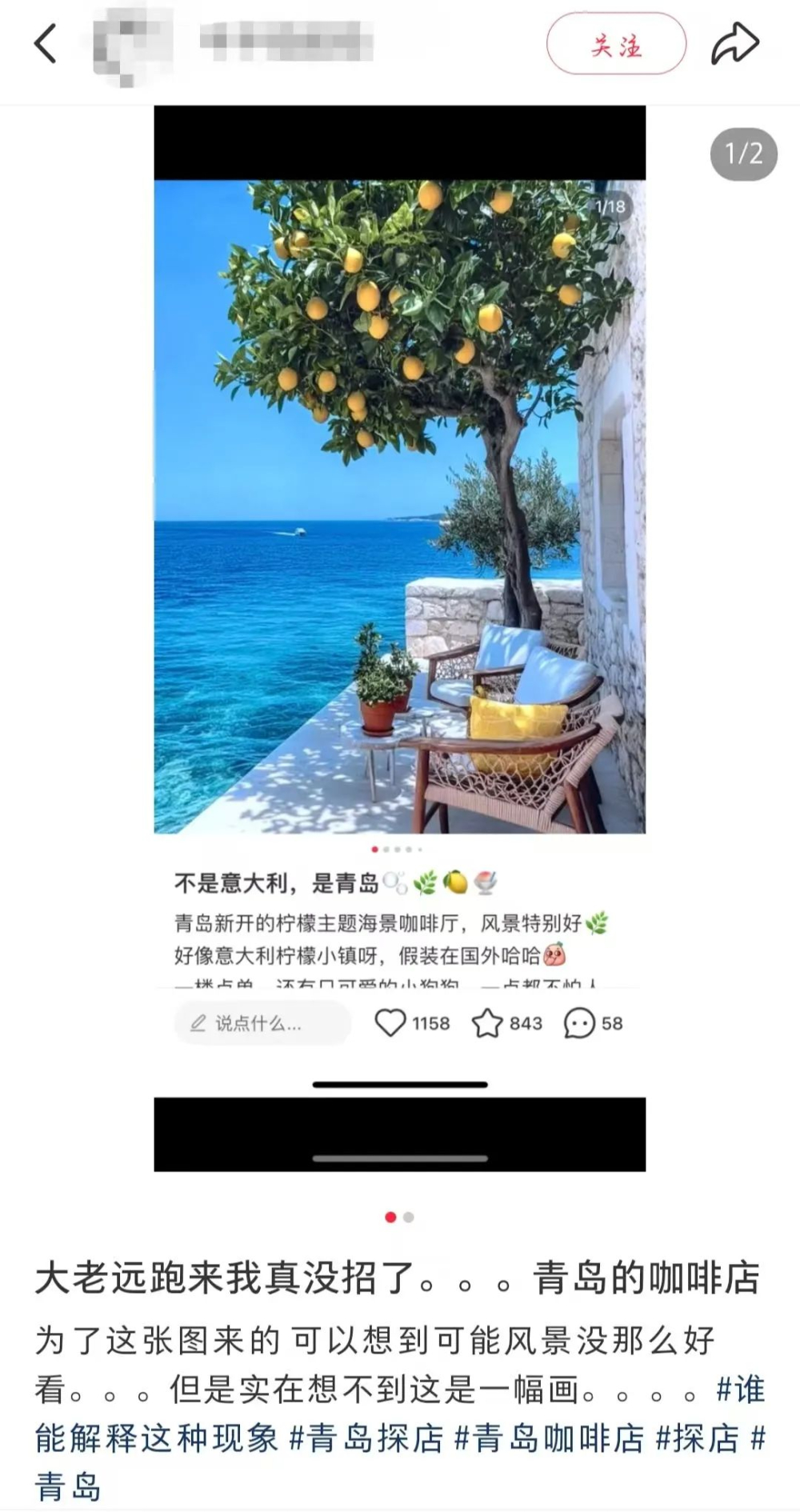
Others even questioned whether the image might have been AI-generated, and noticed that multiple social media accounts used the same or similar images and text to promote the coffee shop. This further fueled suspicions that the shop might have staged the whole thing, deliberately using fake images to attract customers for “check-ins.” As the controversy grew, the original poster deleted the post and set their personal profile to private.
Under public pressure and scrutiny from netizens, the coffee shop owner responded in an interview, stating that the controversial image was uploaded by customers on their own initiative and was not published with the shop’s authorization. He pointed out that the image in question was a scenic poster purchased online and used purely as ordinary décor. The shop had never authorized or encouraged anyone to use it as a background for promotional photos.
The owner further explained that the coffee shop had only been open for two weeks, and the post initially received just ten likes. They had neither paid for promotion nor had any control over the content and images posted by customers. In addition, when some customers were misled by the painting and visited the shop, the staff had apologized on the spot and offered complimentary drinks as compensation.
Notably, the owner emphasized that all in-store images posted on the coffee shop’s official account were unedited, showing the true, filter-free appearance of the premises. Due to the escalating situation and the resulting anonymous online harassment, the shop has decided to report the matter to the police.
Legal experts pointed out that according to relevant regulations, businesses must ensure that the information they provide about products or services is truthful and comprehensive, and must not engage in false or misleading promotions. If evidence shows that the shop or its agents deliberately used the painting photo as a real scenic promotional image to attract customers, it could constitute false advertising, leading to civil compensation and administrative liability.
However, if the image was solely posted by a customer on their own initiative, and the shop was not involved nor used the image for promotional purposes through official channels, it generally does not constitute an illegal act. This incident has also sparked reflection on the authenticity and boundaries of café review information on social media platforms, reminding consumers to maintain rational judgment when referring to online reviews and images.
For consumers planning to visit this shop or similar specialty cafés, it is recommended to check real photos from multiple platforms in advance, pay attention to whether the business provides any unedited images, and cross-validate information from various sources to avoid having your actual experience negatively affected by a single promotional image or post.
The above content is compiled by CoffeeHunters, a coffee news website.


