







Introduction:Tims recently launched a "light lunch box" aimed at tapping into the healthy meal market, but it sparked controversy due to the gap between its actual quality and promotional claims, as well as operational difficulties faced by staff. This article delves into the discrepancy between the product’s marketing and real-world experience, explores how pre-prepared ingredients affect service efficiency, and offers practical insights valuable to both consumers and industry professionals.
In recent years, with the rise of healthy eating trends, light meal products have gradually become a new favorite in the market, and chain coffee brands have also joined this race. Tims recently introduced the light lunch box, aiming to attract health-conscious consumers during lunch hours. This new product highlights a combination of "warm meals + coffee," offers multiple pairing options, and displays calorie information on the packaging to help customers monitor their caloric intake.
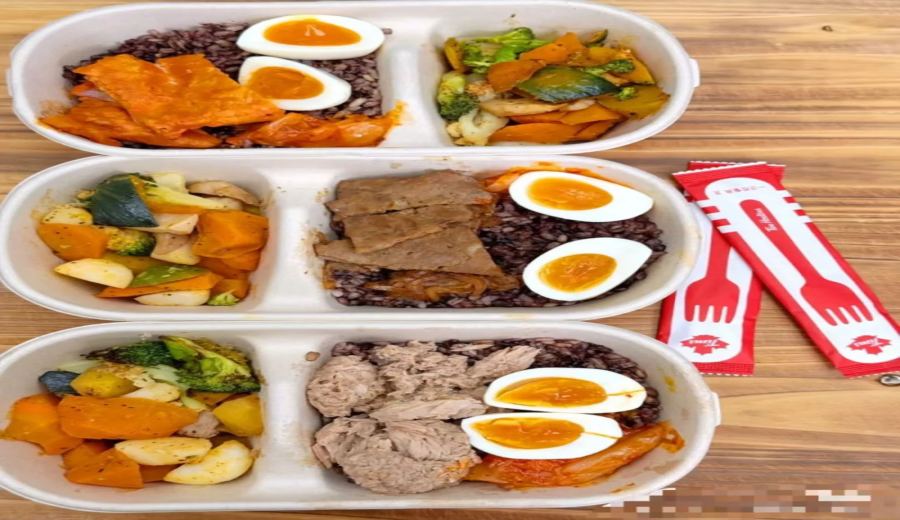
However, this highly anticipated light lunch box has faced considerable skepticism since its launch. Many customers reported that the actual meal boxes received differed significantly from the official website images—not only did the portion sizes appear smaller, but the overall presentation was also rather ordinary, failing to whet the appetite. Additionally, the taste did not receive positive feedback, with some customers describing it as "mediocre and far from delicious."
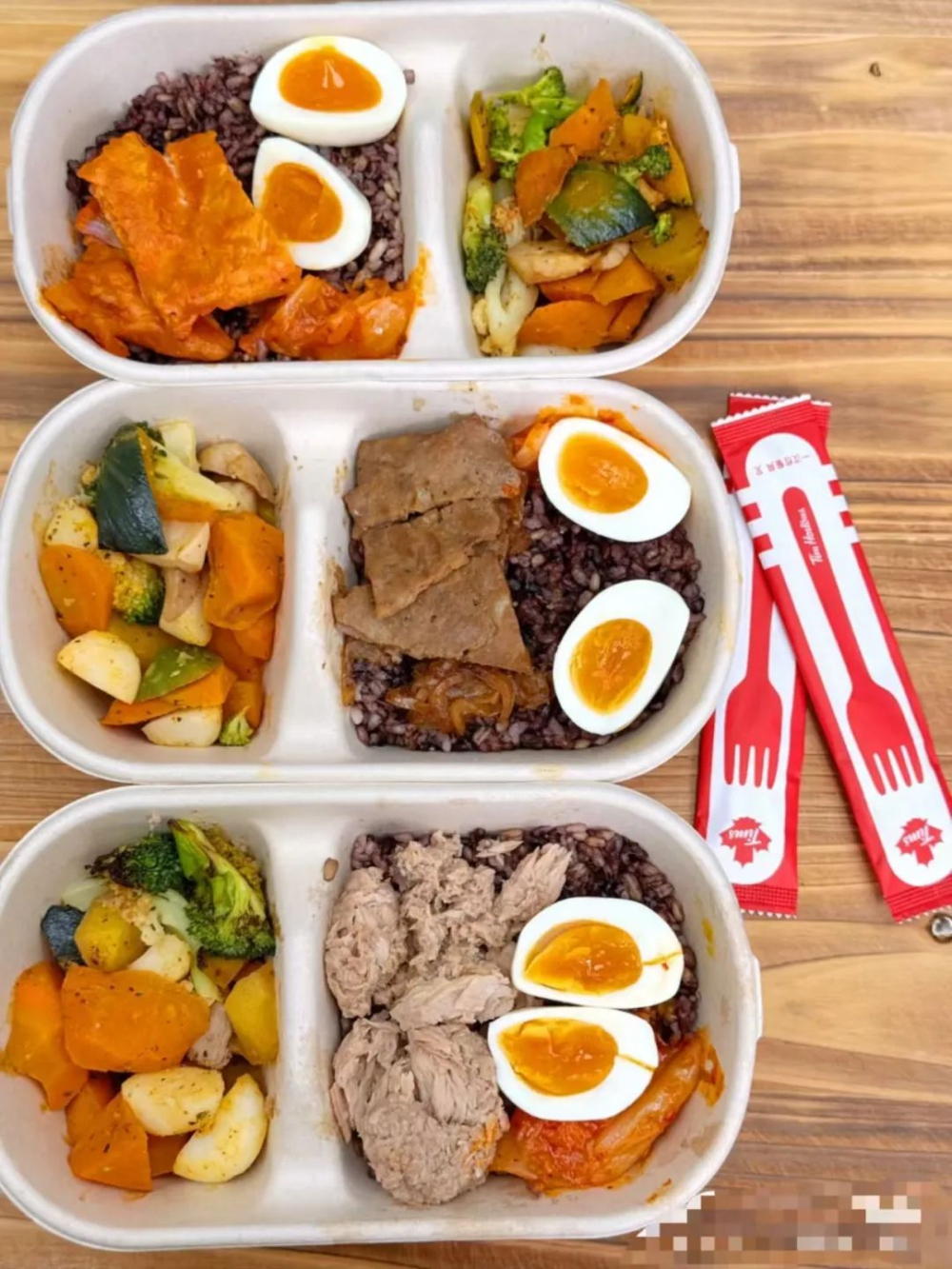
Tims employees revealed privately that most of these lunch boxes use pre-prepared ingredients. Although the preparation process may seem simple—taking the pre-made items from the fridge, heating them in the oven, and then boxing them up—it becomes a burden during peak hours. The afternoon is usually the busiest time for cafés, and staff must handle a large volume of coffee and baked goods orders while also managing demand for the light lunch boxes, leading to even greater work pressure.
Many store employees admitted that whenever a lunch box order pops up in the system, their stress levels rise, with some half-jokingly saying, "Seeing the order just gives me a headache." Under intense work pressure, some employees also reported an increase in friction with delivery personnel due to serving pressures, which has affected overall store operational efficiency.
From the consumer experience perspective, although pre-prepared ingredients can improve service speed, they can also make meals feel less "freshly made" in terms of warmth and taste—especially in today’s environment where diners are increasingly particular about food quality. Such a gap can more easily lead to dissatisfaction. For Tims, balancing supply efficiency while maintaining product quality and minimizing staff workload will be key to whether this light lunch box can sustainably succeed in the market.
Industry insiders pointed out that while pre-prepared ingredients are common in modern catering, achieving a balance between convenience and customer expectations in venues like coffee shops—where the "third space" and quality experience are emphasized—requires more refined operational processes and quality control management. For consumers, if they have high expectations for the light lunch box, it is advisable to refer to actual user reviews or opt for other freshly prepared meals to enjoy a better dining experience.
In summary, the launch of Tims’ light lunch box was originally an attempt to target the healthy eating market, but in practice, it faces multiple challenges ranging from product design and staff operations to customer satisfaction. Future adjustments to the recipe, improvements in the supply chain, or a repositioning of the product will all influence its performance in the market.
The above content is compiled by CoffeeHunters, a coffee news website.


