








Introduction:Want to buy coffee beans that suit your taste but can't tell the difference between natural and washed processing? This article takes you through the full breakdown of these two common processing methods—from processing steps, raw and roasted bean appearance, to actual brewing flavor profiles. Includes real-world examples and brewing parameters to help you easily identify beans by sight and taste, and choose your ideal coffee with precision.
Walking into a café or specialty coffee shop, you'll often find both natural and washed beans on the shelves, which can be confusing for beginners. What’s the real difference between these two processing methods? In fact, once you understand the key distinctions—such as the color of raw beans, the state of the silver skin on roasted beans, and the flavor after brewing—you’ll be able to tell them apart at a glance, and even predict how they’ll taste.

Judging between natural and washed beans is actually simpler than you might think. You don’t need years of experience. Just understand the processing methods, observe the beans’ appearance and taste, and you can quickly establish a basis for judgment. This article will start from the principles of processing, deeply analyze the differences between natural and washed methods in raw beans, roasted beans, and final flavor profiles, supplemented with practical examples, to help guide your selection and brewing decisions.
First, let’s get familiar with the basic processes of these two methods. The core of coffee processing is to properly dry the coffee beans for storage and subsequent roasting. Various early processing methods evolved for this very purpose.
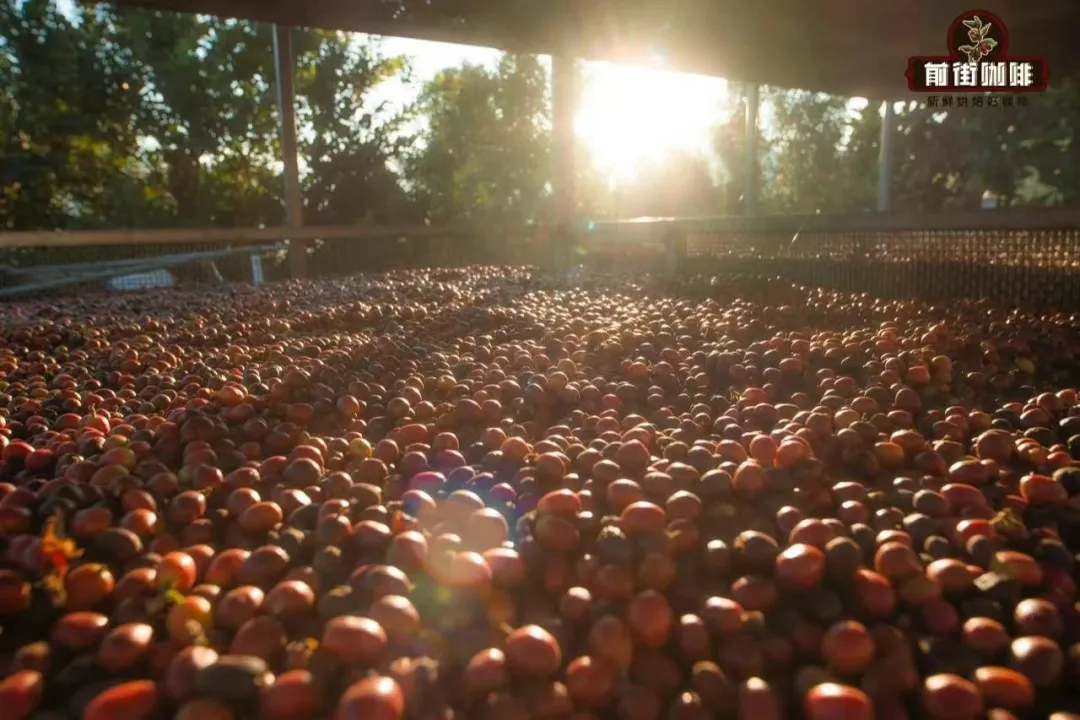
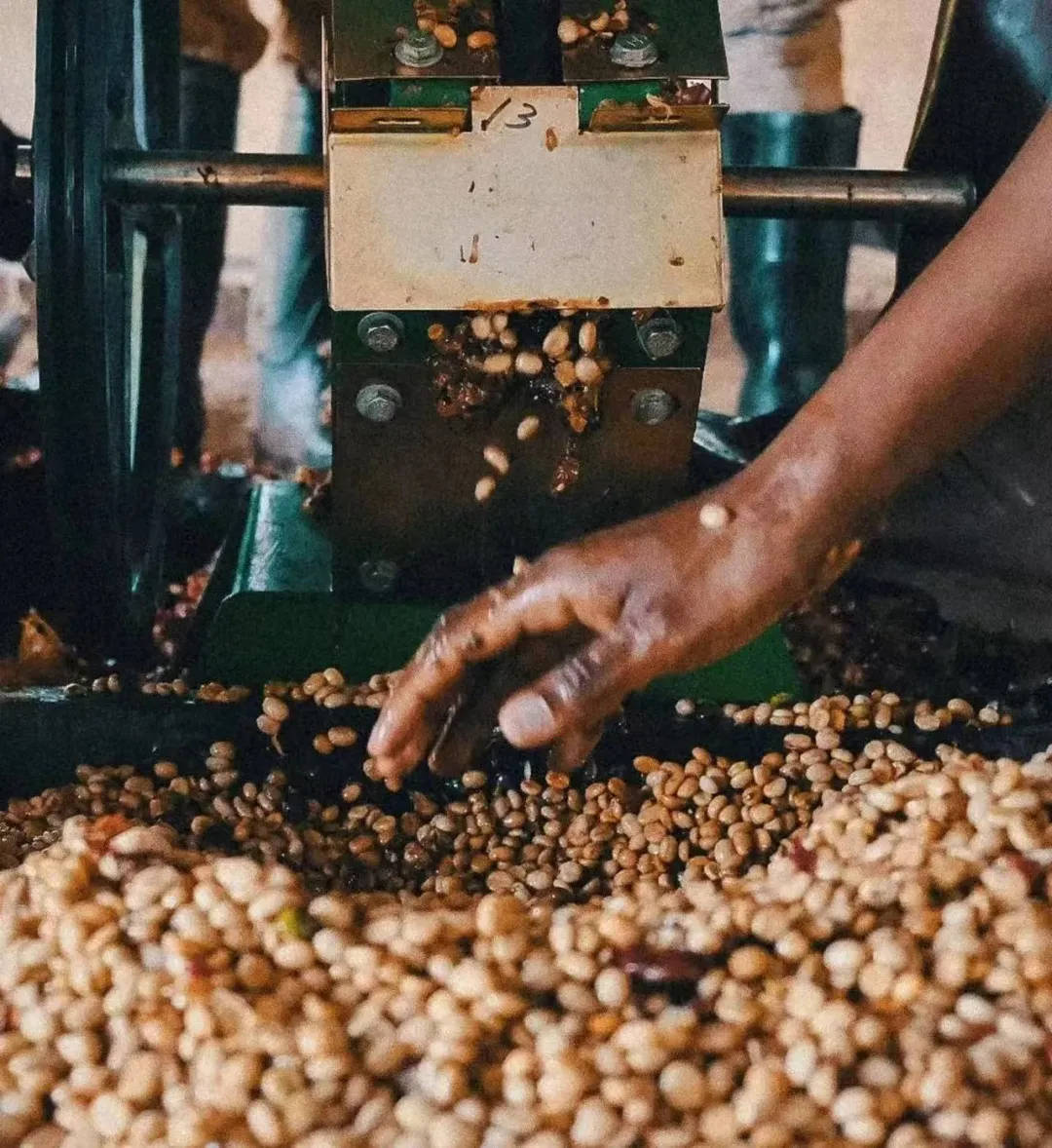
The natural process (also called dry process) is the oldest method of coffee processing, literally translated as “natural processing.” For a long time in the Arab world, it was the only technique available. In this method, freshly harvested whole coffee cherries are spread out to dry in the sun until fully dried. Only then are the fruit skin, pulp, mucilage, and parchment layers removed to reveal the inner coffee bean. This method relies on stable, dry weather, dries slowly, but allows sugars to penetrate the bean's surface, leading to Maillard and caramelization reactions that create richer, more intense flavors.

However, the natural process has high climate requirements, making it difficult to use in humid or rainy regions. As a result, other methods, such as the washed process, were developed.
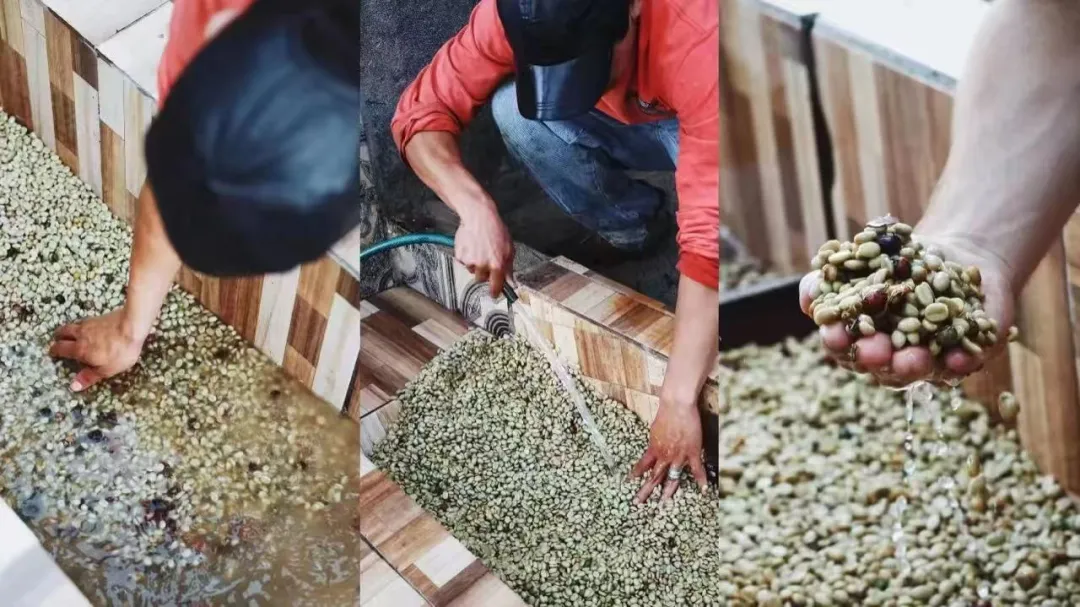
The washed process (wet process), on the other hand, requires a lot of water and involves more complex steps. First, the harvested coffee cherries are placed in water tanks for floatation to remove unripe and defective beans. Then, the skin and pulp are removed, leaving beans covered with mucilage and parchment. These are soaked in water tanks to ferment, breaking down the mucilage. Afterward, any remaining mucilage is washed off, leaving just the beans wrapped in parchment and silver skin. These are then sun-dried until they reach a certain moisture level, after which the outer hard shell is removed to obtain the final coffee beans.
With an understanding of the processing steps, we can distinguish between natural and washed beans from multiple perspectives.
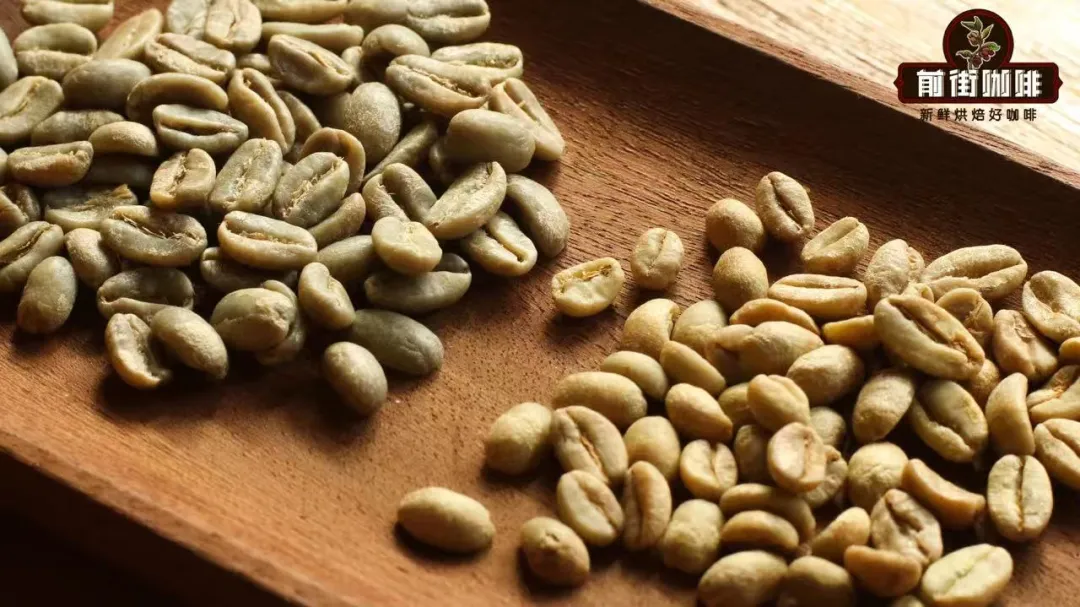
Let’s start with raw bean appearance: Since natural beans are dried with the entire fruit intact, sugars penetrate the bean surface and undergo chemical reactions, so the beans typically appear a shiny golden yellow (as shown on the right). Washed beans, however, have their pulp, skin, and mucilage removed before drying. Without sugar penetration and with faster direct sunlight drying, they retain their original color, often showing a bright, clear green (as shown on the left).
Next, look at the roasted beans: This is one of the most straightforward ways to differentiate them. Pay attention to the coffee bean’s center cut. If the silver skin is abundant and appears whitish, it’s usually a washed bean. Conversely, if there’s less silver skin and it’s darker in color, it’s likely a natural bean. During the natural process, sugars penetrate the silver skin, and during roasting, the silver skin undergoes caramelization and changes color—it no longer remains snow white, and may even darken to nearly the same color as the bean body. In contrast, the silver skin of washed beans isn’t affected by sugars, so unless deeply roasted, it remains noticeably white, creating a strong contrast with the dark brown bean.
Finally, there’s the flavor difference. Natural processing involves fermenting the coffee beans together with the pulp and mucilage for a longer period, resulting in a richer flavor profile, often featuring fruity, berry, floral notes, and even wine-like aftertastes. Depending on fermentation levels, different degrees of fermentation character may also come through. Washed beans, with fewer fermentation substances and shorter drying times, typically exhibit cleaner, brighter acidity, with clearer, softer flavors that preserve more of the beans’ inherent characteristics.
As a real-world example, Yirgacheffe beans from the same region but processed differently can show dramatically distinct profiles. Take the natural-processed “Red Cherry,” which offers citrus, berry, and yellow peach fruitiness with jasmine floral notes, followed by dried fruit and red wine aromas in the aftertaste—a full-bodied and layered cup. On the other hand, the washed-processed “Fruity Ding Ding” leads with jasmine floral notes, followed by bright acidity from lemon, grapefruit, and berries, paired with honey sweetness and an oolong-tea-like finish. It’s clean, crisp, soft, and smooth on the palate.
For reference, tested brewing parameters: 15g coffee, 1:15 brew ratio, 92°C water temperature, fine-to-medium grind (75% passing through a #20 sieve), total extraction time about 2 minutes.
Also, it’s often said that “natural beans are sweeter, washed beans are more acidic,” which is closely related to the processing methods. Natural beans, due to sufficient fermentation and retained sugars, often maintain noticeable sweetness even with slightly darker roasts. Washed beans, on the other hand, tend to highlight brighter acidity, and are generally perceived as having more pronounced acidity, but with an overall cleaner and crisper flavor profile. You can choose based on personal taste preferences and pair with suitable brewing techniques to enjoy the unique flavor experiences brought by each processing method.
In summary, from the color of raw beans, the state of the silver skin on roasted beans, to the actual flavor performance, all are key to distinguishing between natural and washed coffee beans. Once you master these points—and gain some hands-on brewing experience—you’ll be able to easily recognize and select the coffee beans that best suit your taste, starting a more precise journey into coffee appreciation.
The above content is compiled by CoffeeHunters, a coffee news website.


