







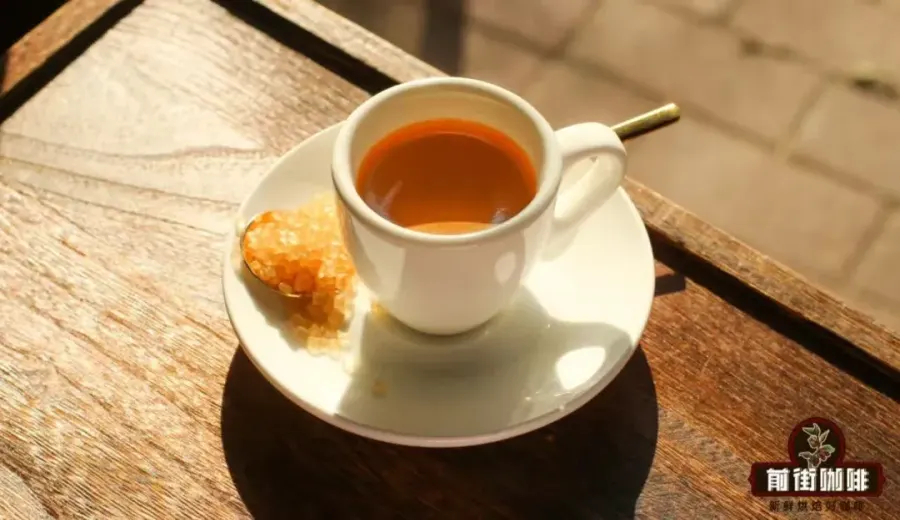
Introduction:Many coffee enthusiasts wonder if it’s possible to directly add ingredients like sugar or butter during espresso extraction to release their flavors alongside the coffee. However, under high-pressure extraction conditions, this practice can easily disrupt the puck structure, leading to channeling — where some parts of the coffee are over-extracted while others are under-extracted — severely compromising taste. This article will delve into the relationship between extraction pressure, puck density, and channel formation, explain why flavoring after extraction is recommended, and how to steadily add personal flair to your coffee.
During the coffee-making process, some may think: since traditional immersion or manual stirring methods take more time, why not simply add sugar, salt, or other flavoring ingredients into the coffee grounds during extraction so they can be released together with hot water? For brewing methods like drip or French press, this is indeed a good way to streamline the process and enhance flavor integration. But applying the same logic to espresso extraction, which involves pressures as high as 9 bar, often yields less-than-desirable results.
Image location: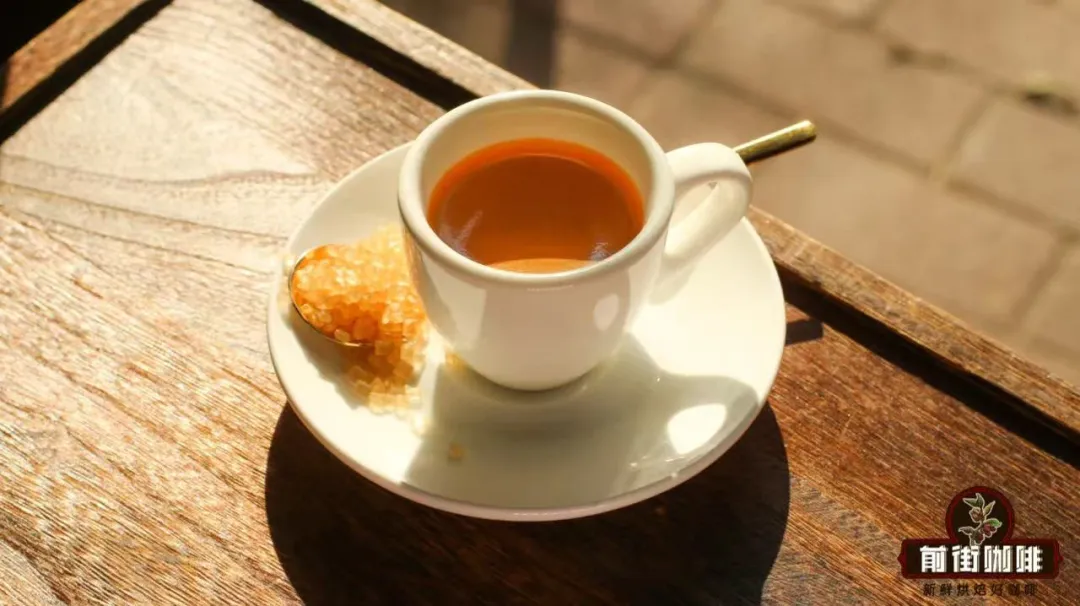
Why isn’t it advisable to add other materials during espresso extraction? Many might assume that just throwing ingredients into the portafilter along with the coffee grounds will infuse the coffee with extra aroma and texture. In reality, this approach is not only hard to control but also highly likely to result in uneven extraction, adversely affecting overall flavor. Especially under high pressure, once the puck structure is disturbed by foreign substances, the entire cup of coffee may be ruined.
In a standard espresso extraction setup, the extraction pressure is generally maintained at 9bar approximately, 240 kilograms of pressure — almost equivalent to the weight of three adults pressing down on the same puck. Under such high-pressure extraction conditions, water rushes through an extremely fine layer of coffee grounds at very high speed, quickly extracting flavor compounds.
Image location: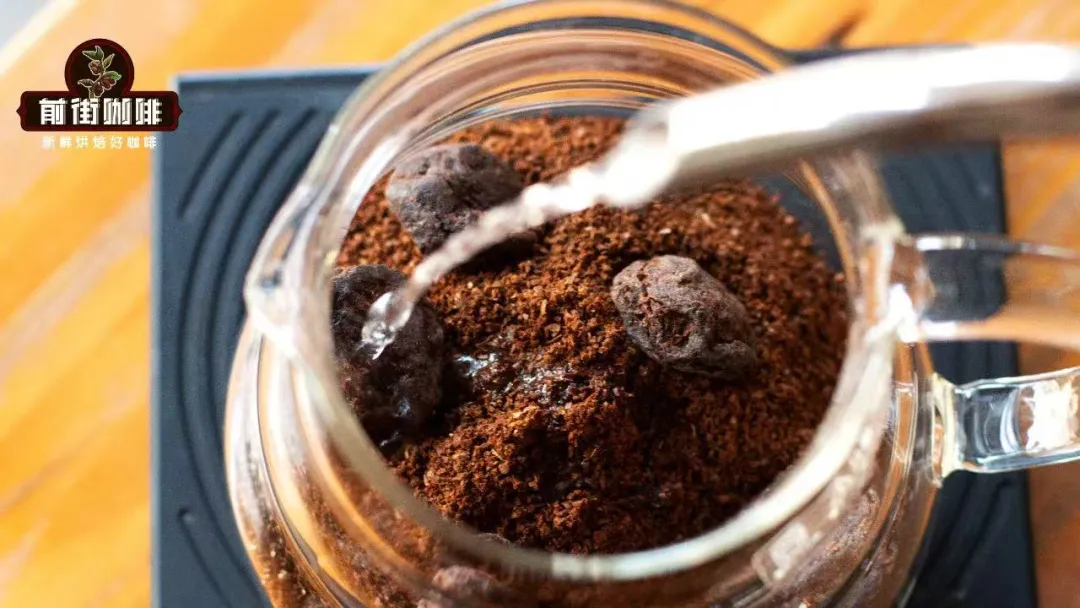
However, this high-pressure and high-efficiency extraction process demands extremely uniform puck density. Water has an "inertial" nature — it always seeks the path of least resistance. If the puck’s density or distribution is uneven, or if its structure is altered by added materials, the hot water will preferentially flow through the areas of least resistance, creating what is known as achanneling effect.
Once channeling occurs, water concentrates in these "shortcuts," extracting only a small portion of the coffee grounds. This leads to over-extraction in those localized areas, releasing excessive bitterness and impurities. Meanwhile, the rest of the coffee grounds untouched by water are barely extracted, resulting in weak flavors and an imbalanced overall taste. This is precisely why professional baristas place such emphasis on the flatness and evenness when tamping the puck.
Image location: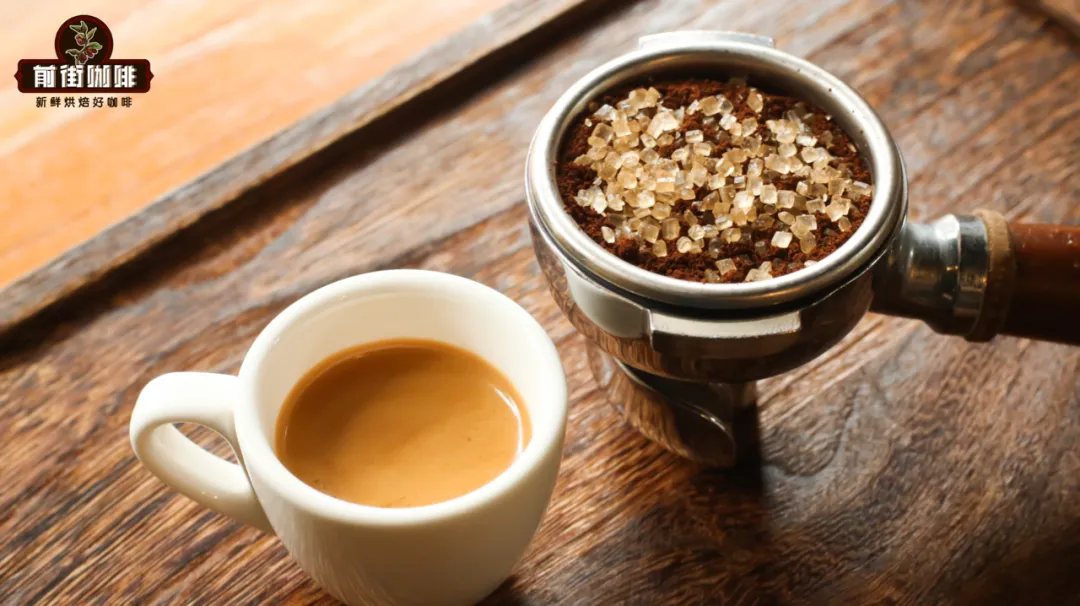
To understand why channels form, we need to look at Fick’s Law. This scientific principle states that the rate of diffusion of a substance is proportional to its contact surface area. In coffee extraction, we grind coffee beans finely to increase the contact area between the grounds and water, thereby accelerating the release of flavor compounds. However, the finer the grind, the smaller the pores between coffee particles become, requiring higher pressure for water to penetrate the bed — which is one reason why espresso machines must generate sufficient pressure.
When coffee grounds are evenly distributed and tamped, they should form a dense puck with consistent resistance. But if you introduce foreign substances such as sugar, salt, or even butter into this bed, even if the initial distribution and tamping are done perfectly, the presence of these materials can still alter the puck structure under high-pressure extraction. This causes localized uneven density or cracks, giving water opportunities to find “shortcuts,” thus forming channels.
Image location: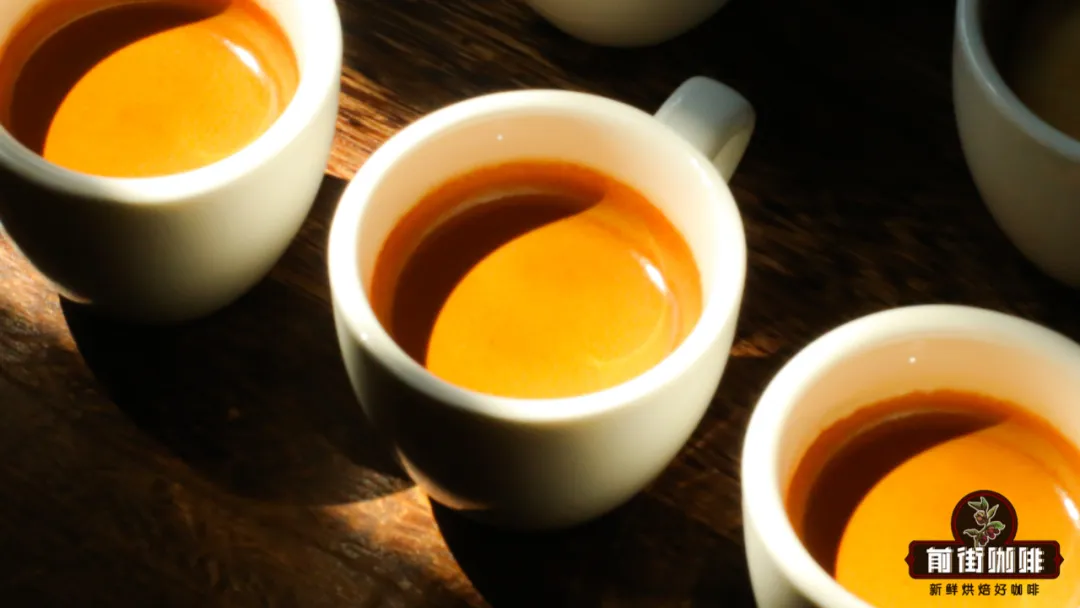
An actual experiment tested the effects of adding 5 grams of sugar along with the coffee grounds during extraction. Not only were multiple instances of liquid splashing observed during the process, but the final cup of coffee also had an extremely unbalanced taste — some areas were noticeably over-extracted, while others were under-extracted. Worse yet, the sugar did not integrate well with the coffee flavors, resulting in an overall disjointed and unpleasant drinking experience. This extraction failure is a typical consequence of channeling.
Adding even more challenging ingredients, such as butter, can be even trickier. Butter contains fats that easily adhere to the internal components of the machine. Especially during tamping and extraction, if it interacts with the high-pressure water stream, it not only disrupts extraction stability but also makes post-brew cleaning much more difficult. Some coffee enthusiasts have tried placing butter at the bottom of the portafilter, hoping to create a so-called "buttery pulled coffee," but instead of achieving the desired delicious outcome, they ended up spending a great deal of time cleaning the machine — a loss far greater than any gain.
Image location: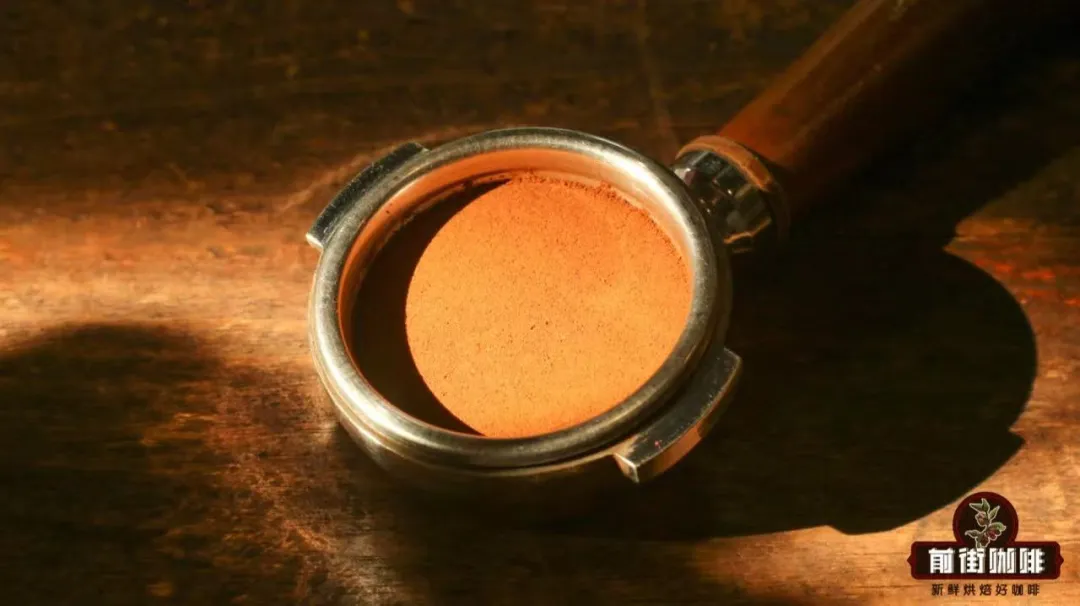
In summary, directly adding extra ingredients like sugar, salt, or butter into the espresso puck for extraction might seem like a convenient way to flavor your coffee, but it actually carries many risks. It can easily damage the puck structure, cause channeling, and lead to uneven extraction, severely affecting the coffee’s overall flavor. More importantly, such attempts often result in bad-tasting coffee and can even add to machine maintenance headaches.
If you truly wish to add unique flavors to your espresso, it is recommended to mix sugar, milk, spices, or other seasonings with the extracted coffee liquid after brewing. This allows for more precise control over flavor balance and avoids uncontrollable variables during the high-pressure extraction process, ensuring that each cup of coffee maintains a stable and high-quality profile.
The above content is compiled by CoffeeHunters, a coffee news website.


