







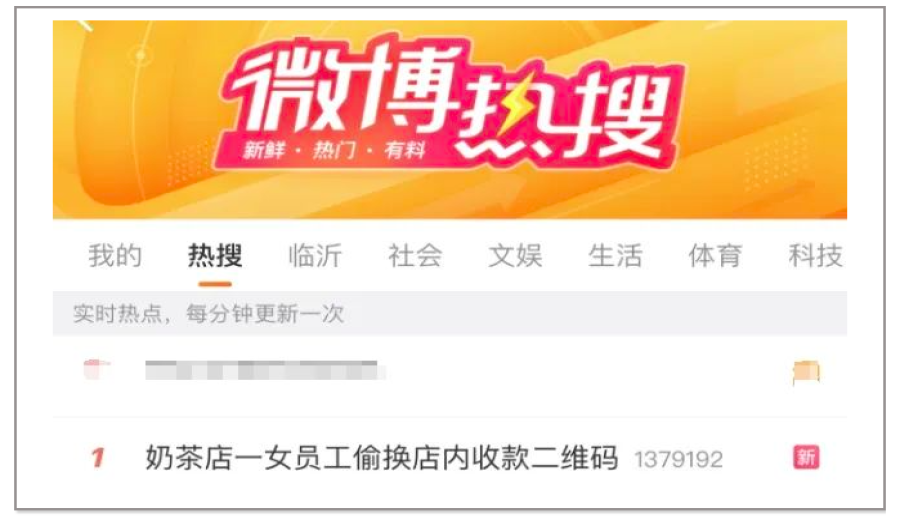
Introduction:A bubble tea shop employee took advantage of being on duty alone to induce customers to scan their personal payment QR code under the pretext of "equipment malfunction," thereby embezzling business revenue over an extended period. This case exposes common payment vulnerabilities and staff integrity risks in the food and beverage industry. This article details key points in monitoring and evidence collection, preventive measures, and offers practical anti-fraud advice to help shop owners strengthen cash flow security management.
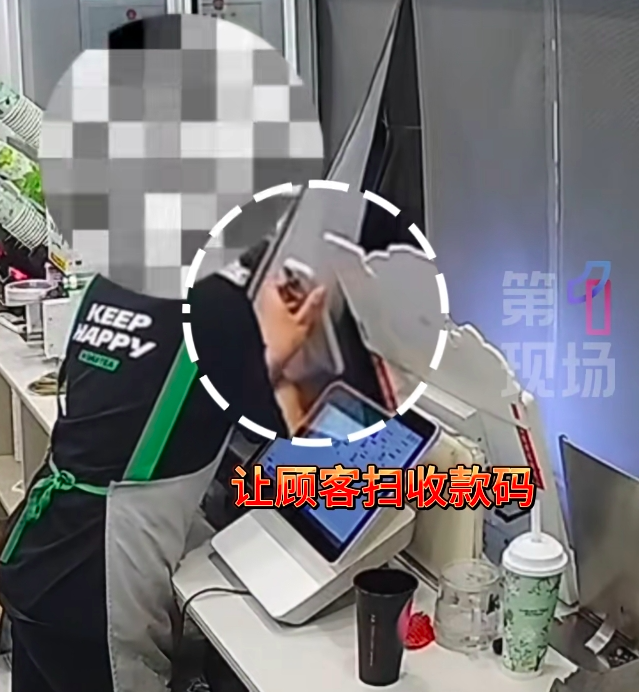
Recently, a case involving a bubble tea shop employee stealing payment QR codes has drawn attention. The employee, taking advantage of being on duty alone, showed customers their personal mobile payment QR code and falsely claimed that the "cash register system was malfunctioning" to guide consumers into scanning and paying, thereby embezzling the shop’s operating income over time. The shop owner discovered the anomaly through surveillance footage and has since collected complete evidence, preparing to report the case to the police.
According to reports, when settling payments for customers, the employee directly showed their private payment QR code and asked for a scan. On multiple occasions, they deliberately claimed that the cash register system or QR code scanner was “malfunctioning” to intentionally disrupt the normal payment process, causing customers to mistakenly believe the transaction had failed and to switch to alternative payment methods. The shop owner pointed out that daily account reconciliations are conducted at the store, and abnormalities in transaction records had been noticed earlier, but the employee did not mend their ways, continuing to exploit management loopholes for personal gain.
The shop owner further explained that the publicly available surveillance clips are only two of the pieces of evidence in their possession, and that they have actually retained complete records of the employee’s multiple offenses. He noted that the first time the employee attempted to collect payments via their personal QR code, it went unnoticed, possibly leading the employee to assume that the in-store surveillance was merely decorative and that management did not regularly review the footage—thus emboldening them to repeatedly carry out the embezzlement.Currently, the shop has compiled all relevant surveillance evidence and will file a report with the police.
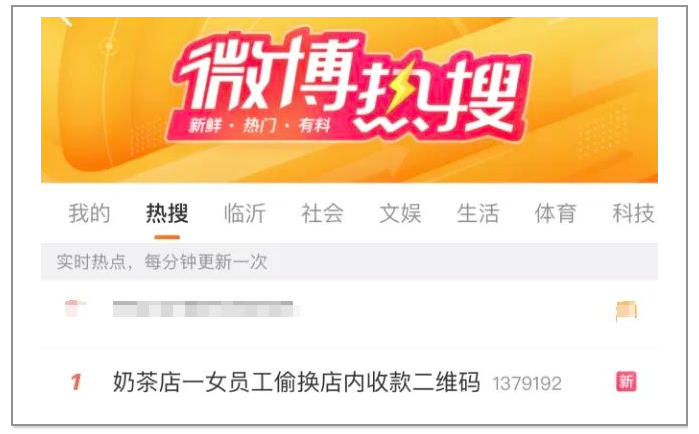
In addition, the shop owner recalled that during the employee’s tenure, although wages were paid as stipulated, there were frequent instances of tardiness, and the employee often took sick leave during holidays. Each month brought various excuses for absence. An employee who spoke to the press revealed that the individual involved had already been dismissed before the surveillance video was made public, and no one had noticed their unauthorized use of a personal QR code for payment, as they always chose to do so when on duty alone, avoiding the attention of colleagues.
According to staff on-site, the shop operates on a shift system, with one employee assigned to the morning and evening shifts respectively, and some overlap in shift times so that there are usually two or more staff members present during certain periods. However, the employee in question specifically chose times when no one else was around to show customers their personal payment code, preventing colleagues from noticing the issue in a timely manner. As for the specific financial losses incurred by the store during the employee’s tenure, and whether the owner had reported the incident to the police to recover the funds, staff stated that management had not yet disclosed those details, so they were unaware of the actual extent of the loss or subsequent handling plans.
Regarding this incident, industry experts remind F&B business operators to establish strict payment management mechanisms—for example, regularly updating cash register system passwords, implementing a dual-accounting verification system, and strengthening random surveillance checks outside peak hours. They also suggest that shop owners post visible reminders such as “Please confirm your payment recipient” and provide integrity training for new employees to reduce the likelihood of similar risks occurring.
This case also highlights the importance of surveillance systems. Shop owners should ensure that recording equipment is functioning properly and regularly review footage from key time periods to detect abnormal behavior early. If suspicious actions by employees are discovered, investigations should be initiated immediately to prevent long-term losses from escalating. Through comprehensive management systems and technological support tools, payment security can be effectively enhanced, safeguarding business revenue from illegal misappropriation.
The above content is compiled by CoffeeHunters, a coffee news website.


