







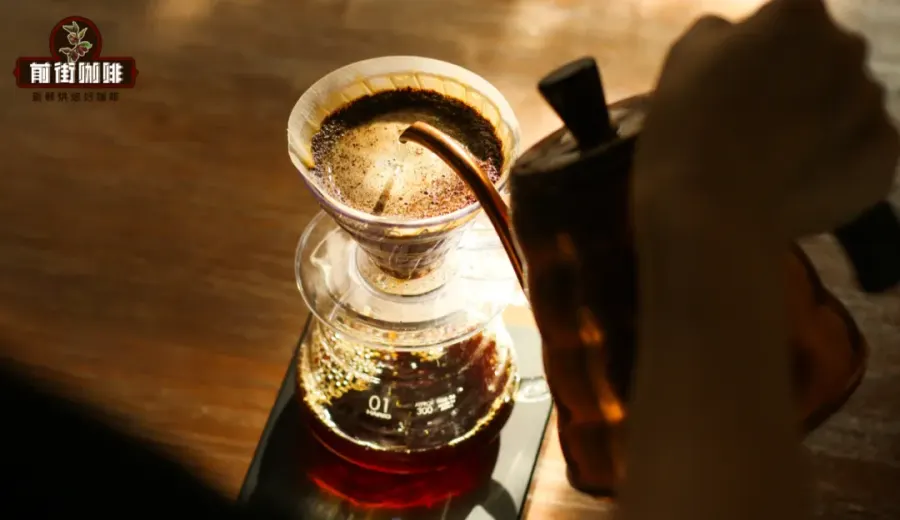
Introduction:During the pour over extraction process, the changes in the coffee bed inside the filter can reveal many key insights. From the size of the bloom puff, whether the coffee bed lifts, to the color shift of the foam and the speed of water drainage, these details can help you assess the coffee bean’s freshness, roast level, and grind compatibility. This article will delve into these often-overlooked visual cues and provide practical adjustment directions, allowing you to optimize your pour over parameters and flavor performance by observing the state of the coffee bed.
In the process of brewing pour over coffee, the coffee bed in the filter actually conveys a lot of important information. From the extent to which the coffee bed rises during the bloom phase, how well the water locks in, to whether the coffee bed can be lifted, the gradient changes in foam color, and the speed of water drainage—these phenomena are not only natural reactions during extraction but also serve as indicators for evaluating the condition of the coffee beans and grind settings. Mastering these visual clues enables you to adjust your parameters with more direction, further improving extraction consistency and flavor expression.

First, observe the size of the puff that forms when the coffee bed blooms. The primary purpose of this stage is to release carbon dioxide trapped within the coffee grounds, paving the way for subsequent hot water to extract flavor compounds. When CO₂ is enveloped by water, it forms bubbles that push the coffee bed upward, creating a mound-like rise. Notably, the height and stability of the bloom puff are closely related to the freshness of the coffee beans and the degree of roast. Fresh coffee beans, which retain more CO₂ released during roasting, tend to produce fuller blooms during the bloom phase, with slower water penetration and longer-lasting moisture retention in the coffee bed. In contrast, older beans that have lost much of their CO₂ will exhibit flatter and quickly collapsing blooms.
Additionally, dark roasted coffee beans, due to producing more gases during roasting and having a higher expansion rate, often form more pronounced blooms compared to lighter roasts. This difference not only reflects the roast level but also affects the extraction efficiency during subsequent water pouring.

Another point worth paying attention to is the coffee bed’s ability to lift. This technique is commonly used to control the pouring speed. By momentarily allowing the pouring rate to exceed the drainage rate, the water level rises and uniformly lifts the coffee bed, helping to reduce channeling (water bypassing proper extraction and flowing through too quickly), thereby improving overall extraction uniformity. However, whether the coffee bed can be successfully lifted is directly related to the density of the coffee grounds. Generally speaking, lighter roasts or denser coffee beans, due to their tighter structure and greater weight, are less likely to be lifted by water flow; whereas medium-dark roasts or less dense beans are relatively easier to lift. If you find that the coffee bed does not lift effectively, it is recommended to adjust the pouring speed, reduce the water flow intensity, and ensure that hot water penetrates the coffee bed evenly to avoid under-extraction and flat flavors caused by excessive channeling.

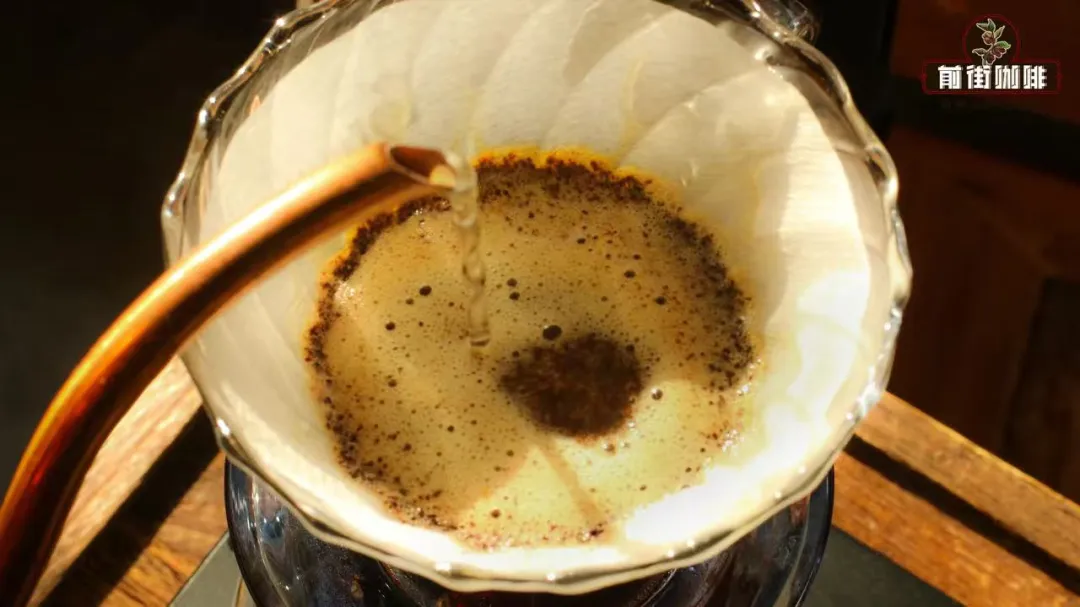
The foam that emerges during brewing is also an important signal. This foam is mainly formed by carbon dioxide bubbles released during pouring, which carry tiny coffee particles. Its color gradually shifts from deep brown to golden, light yellow, and may eventually turn white as the pouring path and time progress. Carefully observing the color changes in the foam can help you determine whether the water is being poured too heavily in certain areas. When the foam color noticeably lightens or turns white, it usually indicates that area has received more concentrated pouring, causing fine particles to be washed away from the foam layer and resulting in faded color. With this observation, you can adjust your pouring technique to ensure more even water distribution, avoiding localized over-extraction or uneven extraction.

The speed of water drainage also contains rich information. Generally, the drainage speed is influenced by multiple factors such as grind size, coffee bed density, and filter design, among which grind coarseness and coffee bed density are the most critical variables. When the drainage speed is fast, it usually means the grind is coarser, the gaps between coffee particles are larger, and the flow resistance is smaller. Conversely, if the drainage is slow, it may be due to too fine a grind, high bed density, or excessive fine particles causing partial blockage of the filter holes, which restricts water flow. It's important to note that judging coffee quality solely based on drainage speed is not accurate; you should also consider the overall brewing time and final flavor profile. When necessary, combine this with TDS (Total Dissolved Solids) measurements to further verify extraction efficiency.

Finally, let’s talk about the coffee bed “pit” shape, which many beginners pay attention to. Many people mistakenly believe that a deep pit formed in the center of the filter at the end of brewing is a direct indicator of great flavor. In fact, the depth and symmetry of the pit mainly reflect pouring technique, not the intrinsic quality of the coffee itself. For example, using a pouring method that lifts the coffee bed often results in a more noticeable deep pit; if the pouring process is even and the water flow is steady, it may result in a shallower and flatter coffee bed. Moreover, different pouring strategies can also produce various pit shapes, such as fault pits (caused by overly concentrated pouring at the edges), flat-bottom pits (from low and stable water flow), and more. These variations mostly reveal the operator’s technique rather than being directly linked to flavor quality. If you want to understand the causes of different types of pits in more detail, you can explore relevant specialized materials.
The above content is compiled by CoffeeHunters, a coffee news website.


