







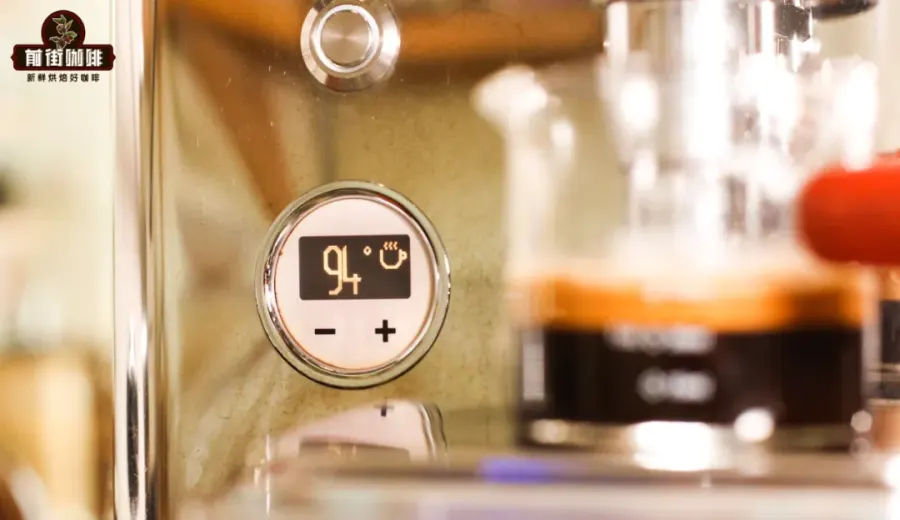
Introduction:When extracting espresso, water temperature is one of the key factors that influence flavor expression. This article delves into how water temperature affects extraction efficiency, flow rate, and the texture of the crema layer, while also explaining why Italian-style and American-style espressos favor different temperature ranges. Practical adjustment tips are also provided—such as fine-tuning grind size and shot weight to compensate for temperature limitations—to help you pull more consistently balanced and aromatic shots.
During the espresso extraction process, setting the right water temperature is crucial, as it directly impacts extraction efficiency and significantly affects both the flow rate of the coffee and the texture of the crema. So what is the ideal water temperature for pulling a well-balanced, layered shot? This article takes a hands-on approach to analyzing the specific effects of temperature on various extraction parameters and offers immediately applicable adjustment strategies.
Many coffee enthusiasts believe that water temperature alone determines the success or failure of an extraction. In reality, making espresso is a multi-parameter collaboration. In addition to water temperature, factors such as grind size, coffee-to-water ratio, and extraction time all work together to shape the final flavor profile. As a result, consistent extractions often come from the overall balance of these parameters, rather than extreme adjustments to just one.
Generally speaking, the higher the water temperature, the greater the extraction efficiency—meaning aromatic compounds, acidity, and sweetness dissolve into the water more readily. However, excessively high temperatures can lead to over-extraction, releasing too much bitterness and impurities that disrupt overall flavor balance. Conversely, if the water is too cool, under-extraction may occur, resulting in a flat, one-dimensional cup with potential roughness or woody notes.
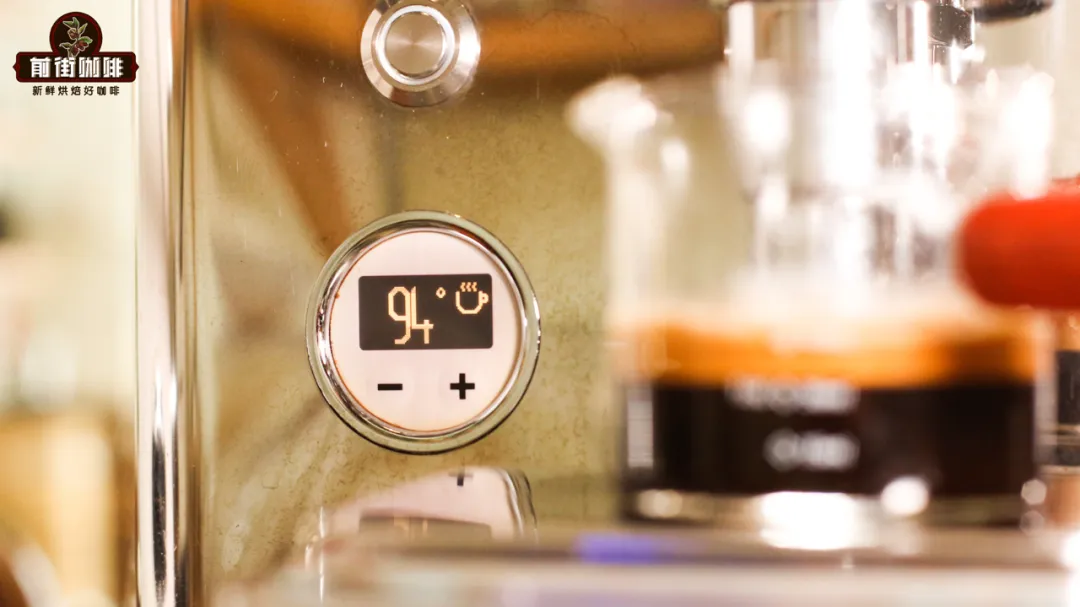
Besides influencing extraction efficiency, water temperature also has a clear effect on the flow rate of the espresso. All else being equal, higher temperatures tend to slow down the flow, while lower temperatures speed it up. This phenomenon mainly stems from the impact of temperature on puck structure. Higher temperatures cause the coffee grounds to expand more quickly and release carbon dioxide gas, which becomes trapped in the coffee oils as bubbles. These bubbles increase the density of the puck and impede water flow, thereby slowing it down.
For example, when you first start your coffee machine in the morning, the boiler water temperature hasn’t yet fully risen. At this point, the brewing temperature might be only around 60°C. In such a low-temperature environment, the coffee grounds expand and degas poorly, often leading to fast flow and under-extraction. This is also something many baristas pay special attention to during daily machine startup.
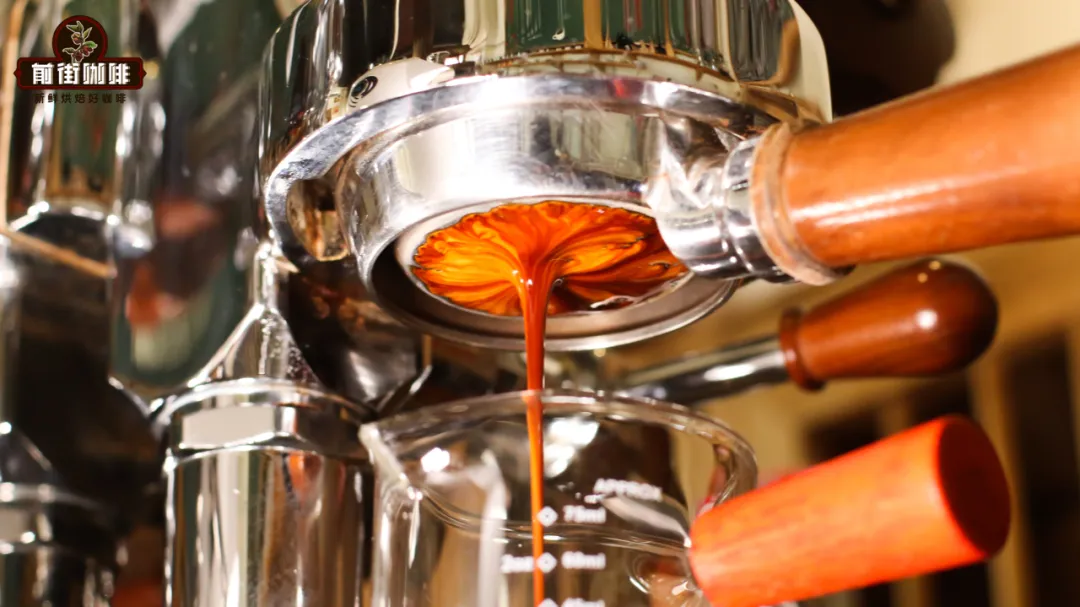
Another element directly affected by water temperature is the texture and thickness of the crema on the surface of the espresso. Since crema formation is closely related to the release of carbon dioxide from the coffee—and water temperature governs the speed of that release—higher temperatures typically promote a richer and more long-lasting crema. Conversely, lower temperatures tend to produce thinner, less vibrant crema.
So what is the ideal water temperature for extracting espresso? In truth, there’s no universally fixed answer—it depends on a combination of factors including your coffee-to-water ratio, grind size, and extraction time. According to common industry references, Italian-style espresso typically uses about 7 grams of coffee to extract roughly 30 milliliters, with water temperatures usually ranging between 85–91°C. American-style espresso, on the other hand, tends to use 18–21 grams of coffee, aiming for a target yield of around 30–40 milliliters, and the water temperature is generally set between 92–96°C.
These differences reflect adjustments made based on varying ratios and extraction styles. The important thing is that even if you can’t adjust the machine’s water temperature setting, you can still achieve the desired extraction results by altering grind size and adjusting the final shot weight.
Most commercial espresso machines are pre-set to a water temperature of around 92–96°C, which is a relatively safe and moderate range suitable for most standard espresso extraction scenarios. If your machine operates within this range, frequent adjustments usually aren’t necessary. Instead, it’s better to focus on stabilizing other variables—such as using a consistent grind and weighing process—to ensure uniform quality across each shot.
Also worth noting is that the "water temperature" we set on the machine’s panel usually refers to the internal temperature of the boiler—not the actual temperature of the water as it flows through the shower screen during extraction. Due to heat loss as hot water travels through pipes and metal components, the real extraction temperature may be about 2–3°C lower than the set value. Especially after long intervals between extractions, the cooling effect in the pipes becomes more pronounced, and pulling a shot without warming up could lead to uneven extraction due to insufficient water temperature.
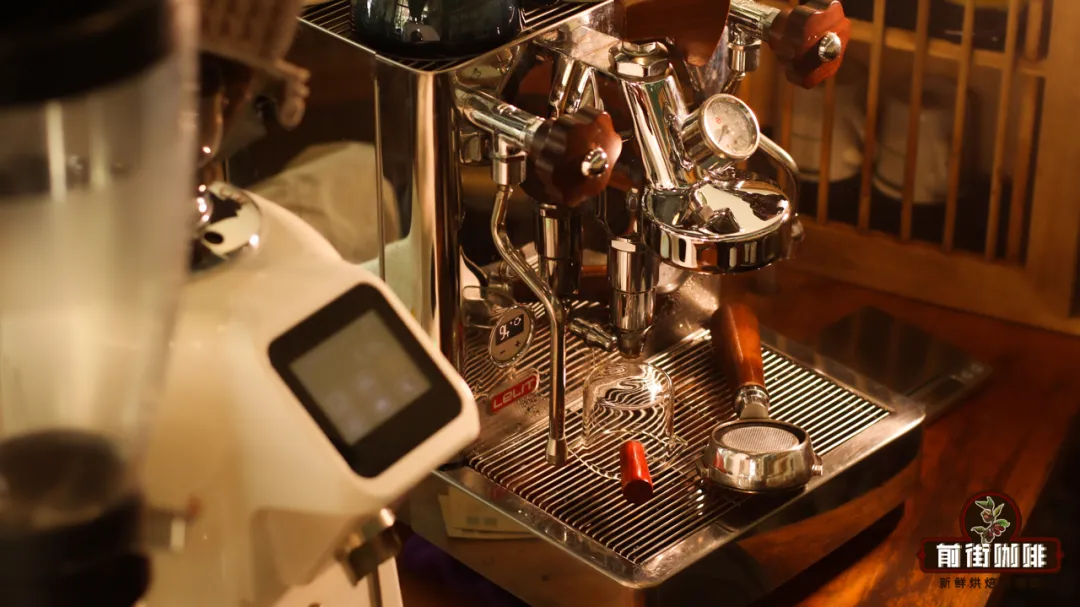
To avoid this issue, it’s recommended to run a blank shot of hot water after long idle periods. This not only helps bring the system back up to temperature but also clears any accumulated coffee residue from the shower screen—ensuring cleaner and more stable extractions. This simple step holds practical value that shouldn’t be overlooked when it comes to maintaining extraction quality and flavor consistency.
The above content is compiled by CoffeeHunters, a coffee news website.


