







Introduction:The 2024 new-season Hua Kui coffee has already hit the market, but many coffee enthusiasts have noticed that the familiar "Hua Kui 9.0" did not make its expected appearance. In fact, this latest batch of beans has been given a new name — "Hua Kui X." This article delves into the evolution background of the Hua Kui series, the logic behind its naming, and explores why this year the version is labeled "X." It also brings a practical brewing review of the new-season Hua Kui by a certain coffee brand, helping readers grasp the brewing essentials and true flavor profile of this classic Ethiopian natural-processed bean.
Walk into a café and flip through the menu, and many coffee lovers will be surprised to find that the once-common "Hua Kui 9.0" is nowhere to be seen. Even a certain coffee brand, known for quickly sharing bean information, has not released any related reviews. Does this mean there is no new-generation Hua Kui in 2024? Actually, no — the new-season Hua Kui is already on the market, and this brand has also listed this freshly arrived batch. It’s just that this time, the naming breaks with convention — it’s not called Hua Kui 9.0, but has been given an entirely new title: "Hua Kui X." Next, we’ll start from the origins of Hua Kui and step by step analyze how this classic Ethiopian natural-processed bean went from competition champion to market favorite, uncover the little secret behind this year’s naming, and see whether the new-season Hua Kui still retains that unforgettable "Hua Kui flavor."
You may have already noticed that recently, whether on online forums or in physical cafés, the "Hua Kui 9.0" is almost nowhere to be seen. Not only that, but a certain coffee brand, which is usually the first to share review information, has also not released any news regarding the 9.0 version. This naturally raises the question: does Hua Kui 9.0 still exist in 2024? The answer is actually a bit nuanced — yes and no. Because the new-season Hua Kui has indeed hit the market, and what this brand is selling is this very latest batch of beans. It’s just that, according to past naming logic, it should have been Hua Kui 9.0, but this year it has been changed to "Hua Kui X," and the reason behind this is worth exploring in depth.
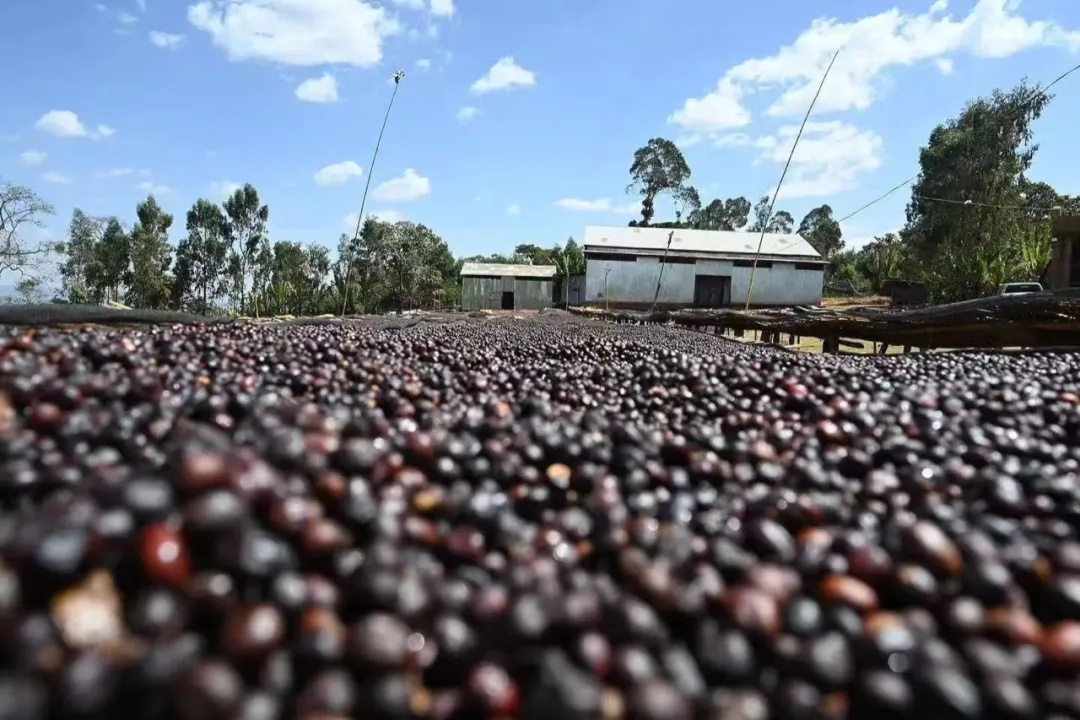
When it comes to the name "Hua Kui," many people might not think much of it, but in fact, it wasn’t always called this. Long before becoming a market favorite, this bean was originally named "Hambella," or "罕贝拉" in Chinese, named directly after its origin. Hambella is a sub-region within Ethiopia’s Guji zone, and more precisely, this bean comes from the town of Dimtu in the Guji Hambella area, produced by the local Buku Abel processing station as a natural-processed G1 grade coffee.
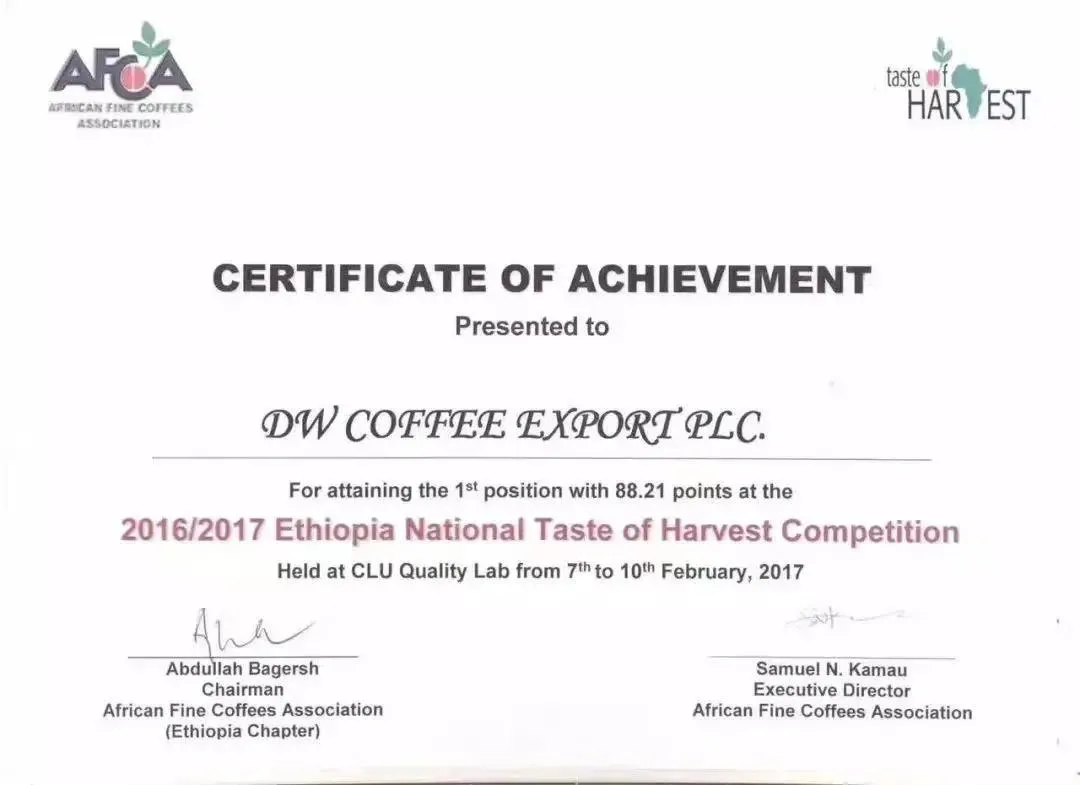
In February 2017, Ethiopia’s DW Coffee Company entered this natural-processed coffee from the Buku Abel processing station into the TOH (Ethiopia National Taste of Harvest competition), an annual green coffee competition hosted by the African Fine Coffees Association. As a result, this bean, with its intense berry aroma and creamy-smooth mouthfeel, managed to defeat numerous competitors and take home the championship title.

Subsequently, this champion bean was purchased by a Beijing-based green coffee trader, who, based on its outstanding flavor performance, gave it an elegant name full of Eastern charm — "Hua Kui," meaning "the foremost among flowers, outshining all others." From then on, this natural-processed bean, which had originally stood out in a regional competition, officially stepped onto the international market stage. It’s worth mentioning that this bean later also became one of the competition beans used in China’s Barista Brewing Championships. Thanks to its outstanding aroma and the baristas’ excellent techniques, it took second place and garnered widespread attention for "defeating multiple Geisha varieties," becoming a focal point in the coffee world in 2017.
The reason Hua Kui rose to fame so quickly was not only due to its outstanding flavor, but also its affordable price. As more and more consumers experienced its charm in physical stores, Hua Kui’s popularity soared. With demand surging, it’s understood that in that year, DW’s production of Hua Kui reached several thousand tons. To meet market demand, DW gradually expanded its production scale. They not only continued to source coffee from Buku Abel, but also included beans from four surrounding villages — Buku Saysay, Haro Soresa, Tirtiro Goye, and Seke Bokosa — ensuring a stable supply of this beloved natural-processed G1 bean.
But like all agricultural products, the flavor of coffee can fluctuate from year to year due to climate, weather conditions, and processing variables. Even when sourced from the same region and processing station, each year’s Hua Kui shows slight differences in detail. In fact, the 2018 Hua Kui had subtle distinctions compared to the championship year — while the overall direction was similar, its taste and aftertaste were slightly less impressive.
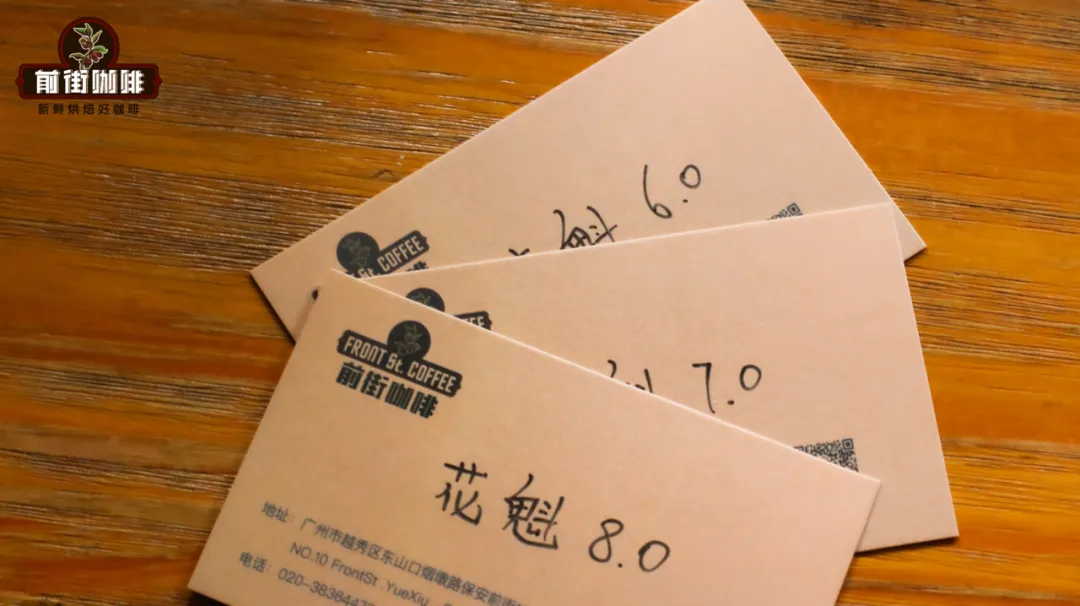
To help consumers better distinguish Hua Kui from different years, domestic green coffee traders began adding "version numbers" to each new-season batch. Starting in 2018, Hua Kui received suffixes: 2018 was "Hua Kui 2.0," 2019 was "Hua Kui 3.0," 2020 was "Hua Kui 4.0," and so on. In short, just by looking at the version number, you can deduce which year the product is from and quickly identify whether it’s the latest batch.
Following this pattern, the 2024 Hua Kui should logically have been "Hua Kui 9.0." However, the reality turned out to be surprising. Last year, when introducing Hua Kui 8.0, a certain coffee brand humorously likened this naming method to Apple’s iPhone, sparking a lot of discussion. Unexpectedly, this year, domestic green coffee traders made a similar decision — in a nod to Apple’s co-founder Steve Jobs, this year’s version number skipped 9 and directly adopted "X," which is the "Hua Kui X" now before you.
Despite the change in name, the essence of Hua Kui X remains unchanged: it is still a natural-processed G1 coffee bean from the Buku Abel processing station in Dimtu town, Guji Hambella region. It is grown at an altitude of about 2250–2350 meters, using local heirloom varieties, and processed using traditional natural methods. In other words, those who worry that the name change might affect the coffee’s essence can rest assured — you can still enjoy that representative Ethiopian natural-processed flavor.
So, does the 2024 Hua Kui X still retain the familiar "Hua Kui flavor"? The answer is yes. According to the actual brewing and tasting experience of a certain coffee brand, the new-season Hua Kui emits rich aromas of strawberry, orange, lemon, and jasmine in the dry scent stage, and after brewing, it releases sweet notes of chocolate, cream, and berries.
During sipping, you can clearly perceive the distinct layers of fruits such as orange, yellow peach, mango, and pineapple, with a juicy mouthfeel and a round, full-bodied texture. With careful tasting, you can even catch delicate floral notes reminiscent of orange blossom. As the temperature drops slightly, the sweetness becomes even more pronounced, even taking on playful variations akin to fruit gummies. After swallowing, a tea-like, robust body lingers in the mouth, with the overall profile being layered, balanced, and memorable. If you’re used to brewing via pour over, it is recommended to use medium-light roast parameters, with a water temperature of around 90–92°C and a brew ratio of 1:15 to 1:16, to fully showcase its fruity character and sweetness.
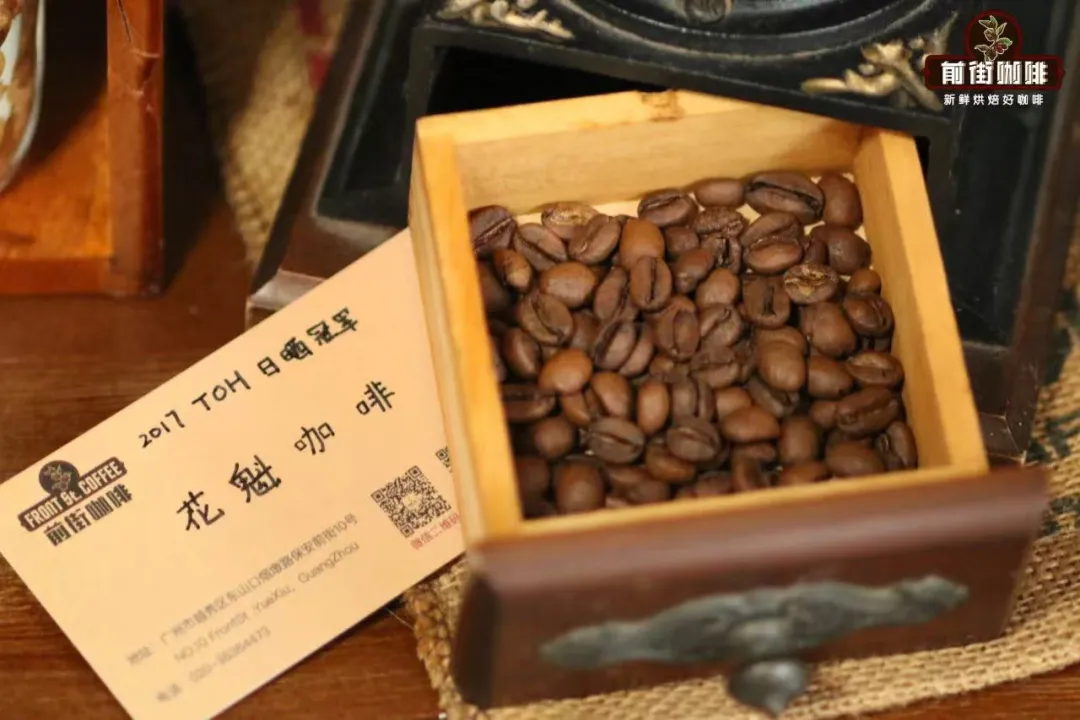
In summary, although the 2024 Hua Kui did not continue with the "9.0" naming and instead debuted as "Hua Kui X," it is still that classic natural-processed G1 bean from Ethiopia’s Guji Hambella. It not only retains the bold berry and citrus notes but also presents multi-layered aromas and flavors after brewing. Whether you’re a coffee novice or a seasoned enthusiast, do give this new-season Hua Kui X a try and experience its unique "Hua Kui flavor."
The above content is compiled by CoffeeHunters, a coffee news website.


