







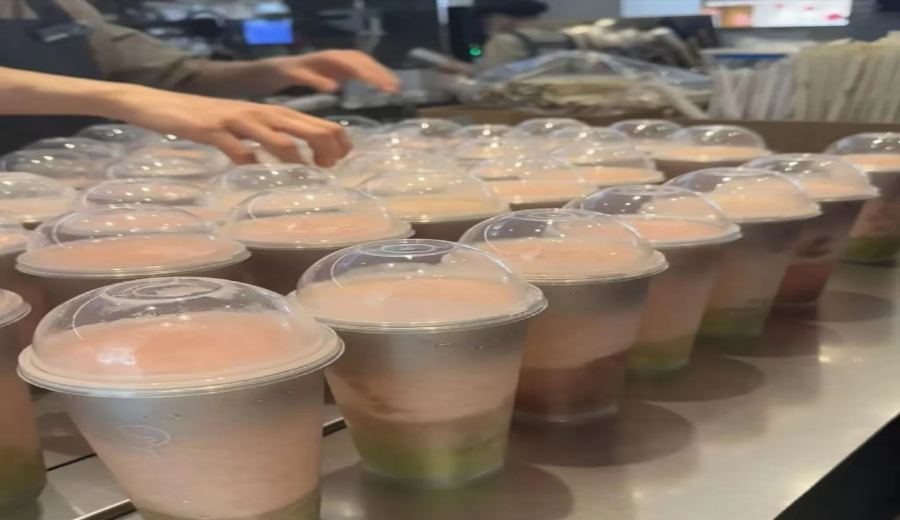
Introduction:After Heytea recently switched to an imported grape variety, employees faced difficulties in peeling them, resulting in severe hand strain. The new variety has firm flesh, making manual peeling inefficient, yet peeling machines have not been widely adopted. This article delves into the behind-the-scenes operations of the tea beverage industry, examining the challenges of peeling and equipment limitations, while offering practical preparation suggestions to help readers understand the hidden difficulties in drink production.
The just-concluded May Day holiday brought a peak in orders for tea beverage outlets. With fierce competition on delivery platforms, some Heytea drinks were even discounted to single-digit prices, attracting a large number of consumers. However, for back-of-house staff, this became a tough test—especially when handling the newly switched imported grape variety "Sweet Globe," which significantly increased the difficulty of peeling, leaving employees overwhelmed.
Previously, Heytea used domestically grown grapes, which employees peeled by hand to preserve the original flavor and texture of the drinks. But they recently switched to the imported variety "Sweet Globe." Though this grape may look ordinary, it is sweet with firm flesh, which can enhance the complexity of the drinks but also makes peeling harder, reducing preparation efficiency.
Employees reported that their gloves often get punctured while peeling these grapes, leading to finger injuries, with some having their right hands covered in medicated plasters.. Even when trying to use a peeler or small round spoon to assist, the peeling speed still couldn’t keep up with order demand, leading to increased work pressure.
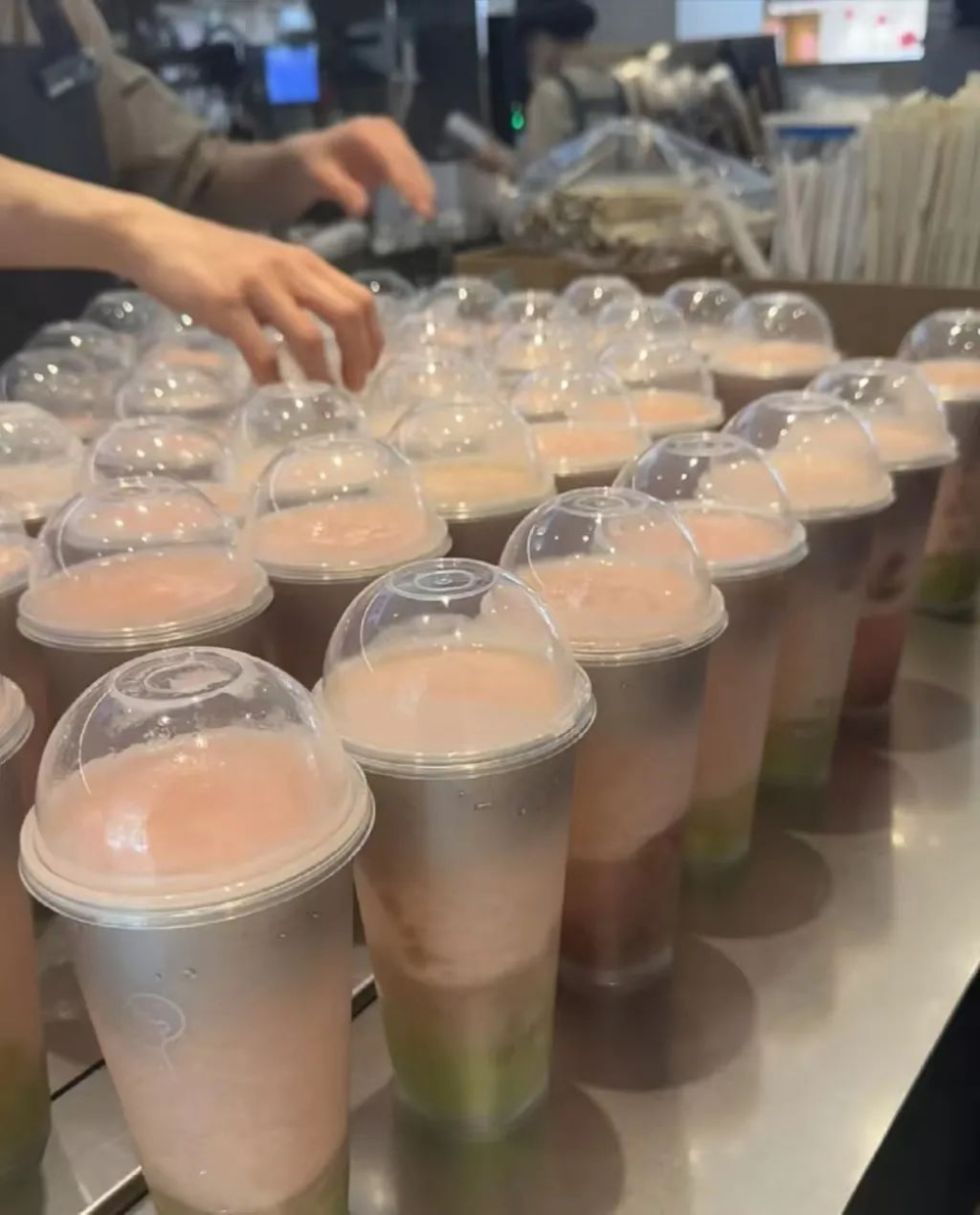
Some employees complained on social platforms that the new grapes are "as hard as a rock," making the peeling process almost unbearable. While hand-peeling ensures the fruit remains intact, the tedious process has left staff complaining, especially under high-intensity workloads, where hand strain has become a common issue.
To improve efficiency, some employees switched to using a peeler or cutting the grapes in half and scooping out the flesh with a small spoon—but these methods still didn’t solve the speed problem.It takes only ten minutes to marinate, but half an hour to peel, leaving employees overwhelmed by the imbalance in pre- and post-processing steps, with some even saying they now feel nauseous at the sight of fruits with skin.
The outside world wonders: why not equip peeling machines to ease the burden on employees? According to on-site staff, although peeling machines can handle the task automatically,they have a higher wastage rate and are difficult to clean. They require immediate and thorough cleaning after use, otherwise, unpleasant odors can develop inside the machine, affecting subsequent use.
Additionally, the peeling effect of the machines isn’t as precise as manual peeling, potentially leaving behind grape skin fragments that can affect the taste of the drinks. As a result, many employees prefer to peel by hand rather than use the machines.The tedious process of cleaning the peeling machines is even described as more painful than peeling the grapes themselves.
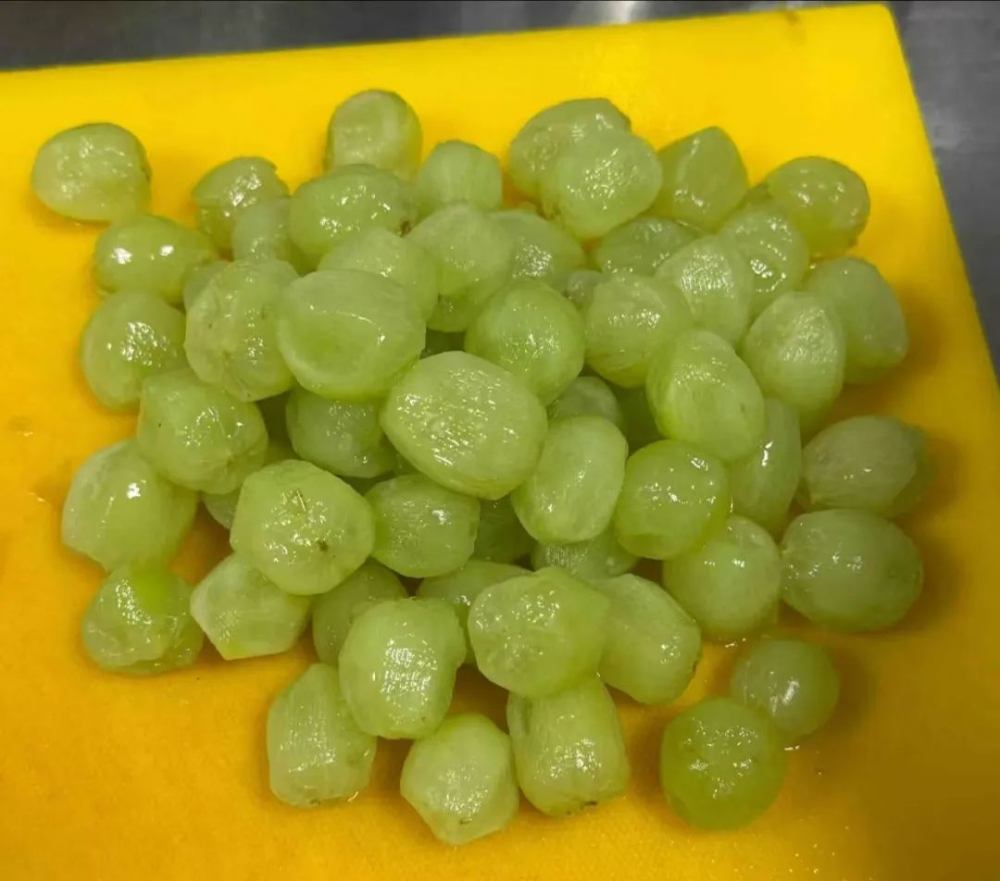
Overall, Heytea’s grape peeling dilemma reflects the real challenges in the back-of-house operations of the tea beverage industry. While new fruit varieties can enhance flavor, failing to consider preparation efficiency and employee workload may backfire. How to balance quality, efficiency, and labor costs will be an ongoing discussion in the industry.
The above content is compiled by CoffeeHunters, a coffee news website.


