








Introduction:Have you ever wondered why professional coffee shops adjust their espresso extraction parameters every day? Even when the dose, water temperature, and grind size seem fixed, the flavor can still fluctuate due to weather, bean condition, or equipment wear. This article delves into the sensitivity of espresso extraction, analyzing how carbon dioxide affects crema and flavor, why adjustments are harder on rainy days, and common issues with grind size changes—helping you understand the necessity of daily calibration to improve extraction stability.
Many coffee enthusiasts are puzzled by the practice of adjusting espresso extraction parameters daily in coffee shops, believing that as long as the dose, water temperature, yield, and grind size are controlled, each cup’s flavor should remain consistent. However, the reality is not so simple. Espresso is extracted under high pressure (typically 9 bar), a method highly sensitive to various variables. Factors such as the degassing state of the coffee beans, ambient humidity, and even the wear on the grinder burrs can directly impact the final extraction results and flavor profile.
Especially in terms of crema presentation and flavor release, many factors contribute to daily variations in extraction results. This article will thoroughly examine how carbon dioxide interferes with extraction and crema quality, the challenges of adjusting espresso on rainy days, and the reasons behind grind size changes—taking you through why “daily calibration” is an indispensable step in maintaining stable espresso flavors.

Many beginner coffee drinkers or hobbyists often assume that as long as extraction parameters like dose, water temperature, yield, and grind setting are fixed, the flavor of each shot of espresso should be similar. But in reality, even within the same day, as time passes, the condition of the coffee beans continues to change, leading to differences in flavor even when using the same parameters. This is why adjusting espresso extraction parameters becomes a daily routine in professional coffee shops.
The reason espresso extraction is so meticulous lies in the extreme combination of high pressure, high temperature, and extremely fine grinding. Under 9 bar of pressure, water rapidly penetrates a layer of very fine coffee grounds, releasing a large amount of flavor compounds in a very short extraction time. But it is precisely because of this high pressure and highly concentrated extraction that any minor environmental or bean condition changes can lead to noticeable flavor differences.
First and foremost, the most direct influence comes from the changing state of the coffee beans themselves. After roasting, coffee beans continue to release a significant amount of carbon dioxide, especially in the first few days post-roast. Generally speaking, the darker the roast, the more carbon dioxide is produced. These gases can interfere with the contact between water and flavor compounds during extraction, thereby affecting extraction efficiency and the final taste of the coffee.
When using freshly roasted coffee beans to make espresso, the high carbon dioxide content in the beans may result in crema that looks thick but actually delivers a thin, aroma-lacking flavor. Additionally, the bubbles formed by these gases can hinder water from penetrating the coffee bed, causing slower flow rates and even making the crema clump and harden quickly. Therefore, even if the parameters remain unchanged, adjustments to grind size and tamper pressure may be needed over time to maintain stable extraction performance as the beans degas.This is also one of the key points of extraction variation illustrated in Figure .
Beyond the impact of carbon dioxide, changes in weather and environment are also significant factors contributing to unstable espresso extraction, particularly on rainy days. High humidity environments cause coffee beans to absorb moisture more easily, leading to clumping in the coffee grounds. This directly affects the evenness of puck tamping. If clumps form in the puck, water during extraction tends to create “channeling effects,” where water flows through looser areas, resulting in over-extraction in some parts and under-extraction in others—ultimately leading to uneven flavors, bitterness, and sourness.As shown in Figure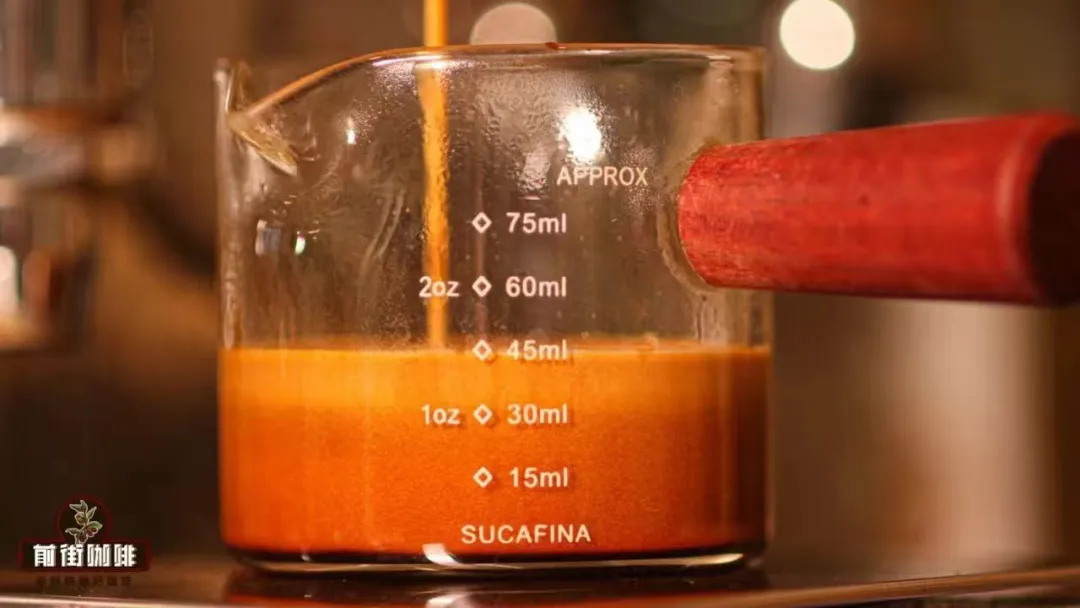 , this kind of uneven extraction often stems from the physical breakdown of the coffee bed structure.
Additionally, atmospheric pressure is typically lower on rainy days, which affects the performance of the espresso machine’s pressure and further disrupts extraction stability. In such conditions, even if the grind size is adjusted, the expected extraction results may not be achieved due to environmental pressure changes. Therefore, when the weather shifts, baristas usually need to fine-tune parameters more frequently to ensure consistent flavor across every shot of espresso.
Finally, the wear and tear on grinder burrs is another factor that cannot be ignored. Even when using the same grinder and the same grind setting, over time, the gap between burrs increases due to wear, resulting in coarser coffee grounds. This is why many grinders’ grind settings, after some use, are found to be “no longer accurate,” requiring constant adjustments to maintain the desired particle fineness.
Moreover, when switching to different batches of coffee beans, as each batch may vary in density, moisture content, and hardness, the grind size settings must be re-evaluated to match the characteristics of the current beans. While these variables may have small individual impacts, their cumulative effect can alter the overall extraction performance—making them details that also need to be considered during daily calibration.Figure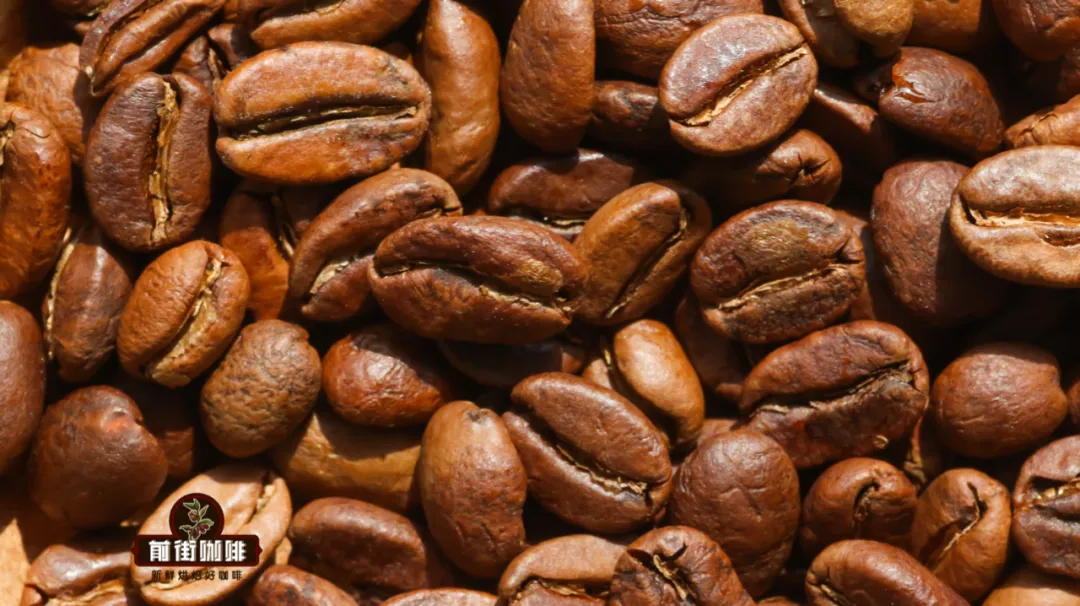 clearly demonstrates the impact of bubble release on flow rate.
Taking all these factors into account—from the degassing state of the coffee beans, changes in weather conditions, to grinder wear and bean varietal differences—each can influence the outcome of espresso extraction. Therefore, to ensure customers enjoy consistently flavored espresso every day, professional coffee shops treat “daily calibration” as a standard procedure, often making ongoing micro-adjustments during service to respond to real-time changes in beans and environment. This is not only a display of skill but also a commitment to coffee quality.
The above content is compiled by CoffeeHunters, a coffee news website.


