







Introduction:Want to enjoy cold brew but find the wait too long? This article delves into the science behind speeding up cold brew extraction, analyzes the practical effects and limitations of high-pressure short-term extraction, and offers practical alternatives—such as fine-tuning water temperature—to effectively shorten brewing time. It also answers common questions: Can an espresso machine be used for cold brew? How long can cold steeped coffee be stored? Helping you enjoy cold brew flavors more wisely.
The traditional method of making cold brew usually requires steeping coffee grounds in cold water for at least eight hours, or even longer, followed by a maturation period before the flavors fully develop. If you suddenly want a cup but haven’t prepared it in advance, you’re often left waiting impatiently. As a result, many coffee enthusiasts are looking for ways to shorten the brewing time.
Some have proposed using high-pressure extraction methods—such as a hand-operated coffee press or an espresso machine that supports cold water extraction—to complete brewing in a short time under nine bars of pressure. It’s claimed that this can produce a “high-sweetness cold brew” in just one minute. These methods have gained widespread attention on social media, sparking curiosity: is it really possible to achieve a cold brew comparable to long-steeped versions in such a short time?
In fact, the main reason cold brew takes so long is the low water temperature. Because the kinetic energy of cold water molecules is lower, they cannot dissolve flavor compounds from coffee as quickly or effectively as hot water. Therefore, if you want to shorten the extraction time, one viable approach is to moderately increase the initial steeping water temperature. This boosts the activity of water molecules, thereby improving extraction efficiency and reducing overall brewing time.
However, many users seeking efficiency are not satisfied with just adjusting the water temperature. They turn to high-pressure equipment, attempting to quickly extract cold brew in a way similar to espresso. In practice, you simply add ice water to a hand-operated press or an espresso machine that supports cold water extraction, and perform short-term extraction under nine bars of high pressure. Visually, within just a few minutes, you can get a cup of cold brew coffee with a clear color and appealing appearance.

But this kind of “quick cold brew” often turns out disappointing in taste. Although the appearance is similar to regular cold brew, the mouthfeel feels thin, the concentration noticeably insufficient, and the flavor extremely flat—almost like water with just a hint of coffee taste. Even attempts to adjust the grind size finer, increase the coffee-to-water ratio (e.g., raising it to 1:2 for hot brew, or 1:10 for cold brew), or extend the extraction time (e.g., 30 seconds for hot, 3 minutes for cold) still struggle to extract rich and balanced flavors through high pressure and cold water.
The key issue lies in the fact that not only does cold water lack sufficient kinetic energy, it also cannot soften coffee fibers as quickly as hot water does, which limits the release of soluble substances and results in a relatively lower concentration saturation point. Even under nine bars of pressure, it’s difficult to break through these physical constraints, leading to significantly reduced extraction efficiency. This explains why, despite decent appearance, the taste is far less rich and layered compared to traditionally long-steeped cold brew.
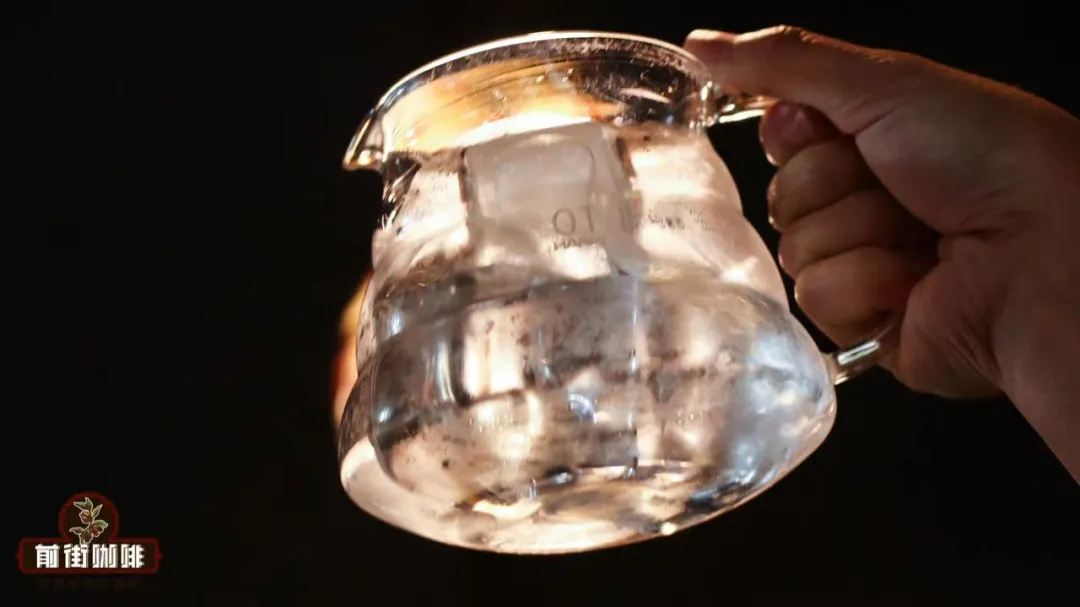
Therefore, while altering the extraction method—such as using high pressure and coarser coffee grounds—can shorten brewing time to some extent, the final drink often only resembles cold brew in form, losing the rich mouthfeel and full flavor that cold brew should deliver. If you truly wish to reduce the wait time, it’s recommended to consider slightly increasing the initial steeping water temperature. This not only effectively improves extraction efficiency, but also shortens overall brewing time without sacrificing too much flavor.
That said, if you already have an espresso machine, another simple way to quickly enjoy a cold coffee drink is to directly brew a shot of espresso and then add ice cubes to make iced coffee. This method can also more reliably deliver a strong coffee flavor.
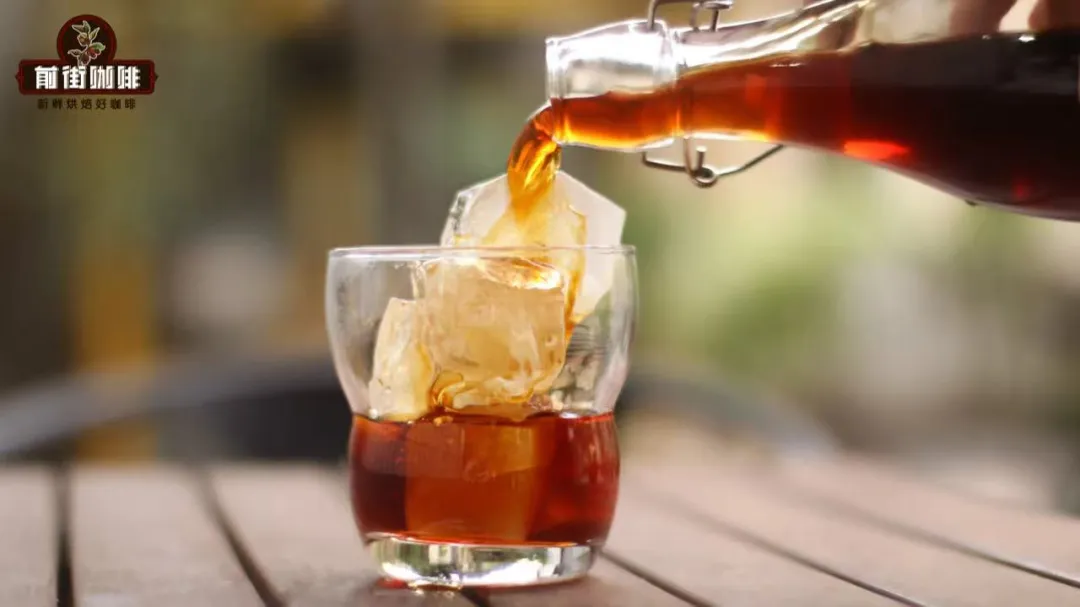
Additionally, many readers often ask: “How long can cold brew coffee be stored?” Generally speaking, once brewed and refrigerated, cold brew coffee is best consumed within three to seven days when kept in a sealed container to ensure optimal flavor and beverage safety. The colder and darker the storage environment, the better the flavor preservation. If you notice any off smells, sourness, or a significant increase in sediment, it’s advisable not to continue drinking it.
The above content is compiled by CoffeeHunters, a coffee news website.


