








Introduction:Cold brew coffee, with its low bitterness, mild acidity, and unique fermented aroma, has become one of the most popular brewing methods in summer. However, not every coffee bean is suitable for cold brew—different origins, processing methods, and roast levels can result in vastly different flavors after cold extraction. This guide will take you through the bean selection logic for five major cold brew styles, including rich fruity, fresh floral-fruit, deep and mellow, and wine-like profiles. It also provides practical advice on popular beans like Hua Kui and Geisha to help you choose the right beans and brew your ideal-flavored cold brew.
The reason cold brew coffee stands out in the hot summer isn’t just its low bitterness and gentle acidity—it’s also the delicate fermented aromas brought by low-temperature, long-duration extraction, which add a unique depth to the coffee. However, selecting the right coffee beans is key to making a great cold brew. Different regions, processing methods, and roast styles can make the same beans show a flavor profile completely different from hot brewing when used for cold brew. This article will explain the bean selection strategies for five mainstream cold brew styles in an easy-to-understand way, guiding you from fruity bursts to subtly intoxicating wine-like notes, and helping you master the tricks to creating your own personalized cold brew flavors.
The extraction logic of cold brew is fundamentally different from traditional hot brewing—it emphasizes prolonged steeping rather than high-temperature rapid extraction. Therefore, it’s more suitable to use coffee beans that are naturally well-balanced in flavor, have mild acidity, and are capable of expressing their characteristics fully. Such beans not only reduce unwanted astringency but also release softer, rounder aromas in a low-temperature environment. For readers trying cold brew at home for the first time, understanding how to choose the right beans based on flavor preferences is the first step to success.

Rich fruity cold brew is a favorite for many during the hot summer months. This type of cold brew excels in bright acidity and abundant fruitiness, effectively refreshing the palate without introducing bitterness. If you want to brew a juice-like cold brew, it’s recommended to prioritize sun-dried or honey-processed beans from Ethiopia, Colombia, or Panama. These processing methods deepen the inherent fruity tones of the coffee, making the cold brew exhibit rich tropical fruit flavors such as mango, citrus, or pineapple. For example, cold brew made with Yirgacheffe ALO or Hua Kui often features rounded citrus acidity, ripe mango notes, and a hint of pineapple fermentation; meanwhile, Ethiopian Yirgacheffe can showcase a vibrant mix of lychee, blueberry, and mango.
If you prefer a lighter, naturally floral cold brew, consider water-processed beans or well-known floral varieties like Geisha (T2722). Water processing reduces fermentation levels, helping to clearly present the bean’s original fresh fruit notes, especially those from Ethiopia and Panama, which are known for their transparent fruitiness. The T2722 variety of Geisha is particularly praised for its unique floral profile. Water-processed beans like Yirgacheffe Gedeb G1 often emit a refreshing scent of lemon, white flowers, and green tea after cold brew; while Washed Gesha from Boquete and washed Flower Butterfly offer a soft combination of white floral, citrus, and honey. It’s worth noting that white floral notes can sometimes be mistaken for herbal flavors—adjusting the coffee concentration slightly and fine-tuning the water ratio can help balance the flavors.

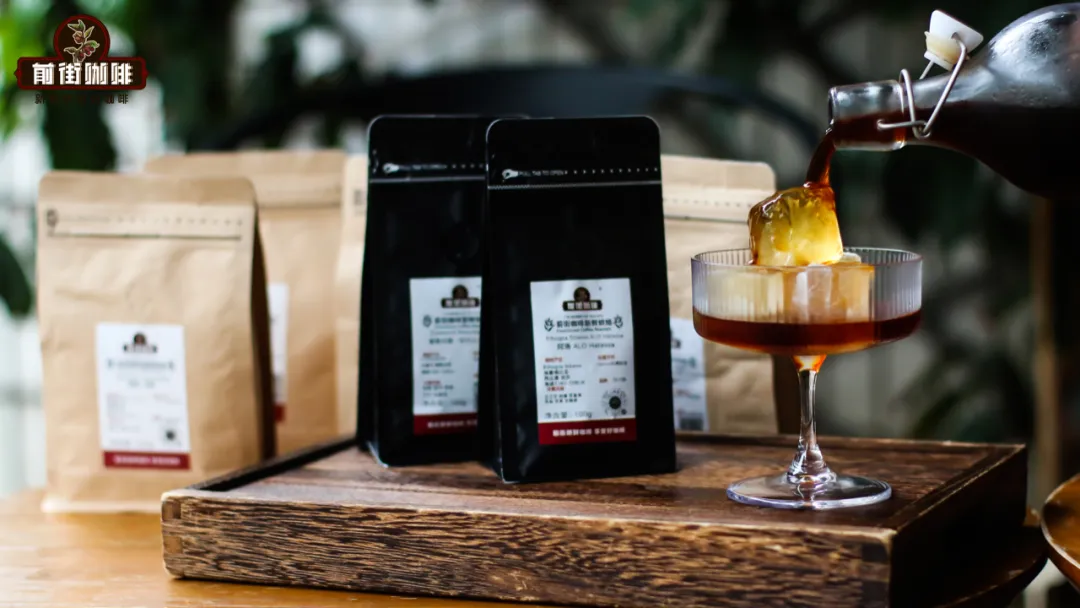
For those who love the bold, rich taste of dark roasts, dark roasted beans are also suitable for cold brew. Dark roast beans often carry intense chocolate, caramel, and heavy body flavors, which can still present a rich texture even under low-temperature extraction. Beans like Jamaican Blue Mountain and Indonesian Golden Mandheling are classic choices for a deep-style cold brew. The cold brew made from these beans often features strong chocolate notes, caramel sweetness, and a smooth, thick mouthfeel—perfect for consumers who enjoy a more robust flavor.
Wine-like cold brew has gained significant attention in recent years, with its unique fermented sensation reminiscent of sipping fine liquor, making it very popular. To create a cold brew full of wine character, anaerobic processed beans are the top choice. The anaerobic environment encourages deeper fermentation in the coffee beans, resulting in noticeable fermentation notes and wine aromas. For example, Honduran Sherry beans, using medium roast and anaerobic processing, produce very low acidity after cold brew, replaced instead by sweet vanilla and creamy tones, along with a strong whiskey-like wine aroma. Additionally, Costa Rican Strawberry Sugar and Mozart, with their raisin honey processing, impart intense berry and raisin fermentation aromas. Their sweetness is further enhanced after cold brew, transforming into an intoxicating fruit wine-like flavor—with Mozart even adding a hint of violet floral notes for added complexity.

In summary, choosing the right coffee beans is the core of crafting your ideal cold brew flavor. Whether you prefer a refreshing fruity profile, delicate floral notes, a rich dark roast, or a unique wine-like character, as long as you understand the characteristics of various processing methods and roast levels—and adjust the bean variety and ratio according to your personal taste—you can easily brew your own personalized cold brew. We hope the bean selection insights and practical tips in this article will help you enjoy an exceptionally flavorful cold brew this summer.
The above content is compiled by CoffeeHunters, a coffee news website.


