







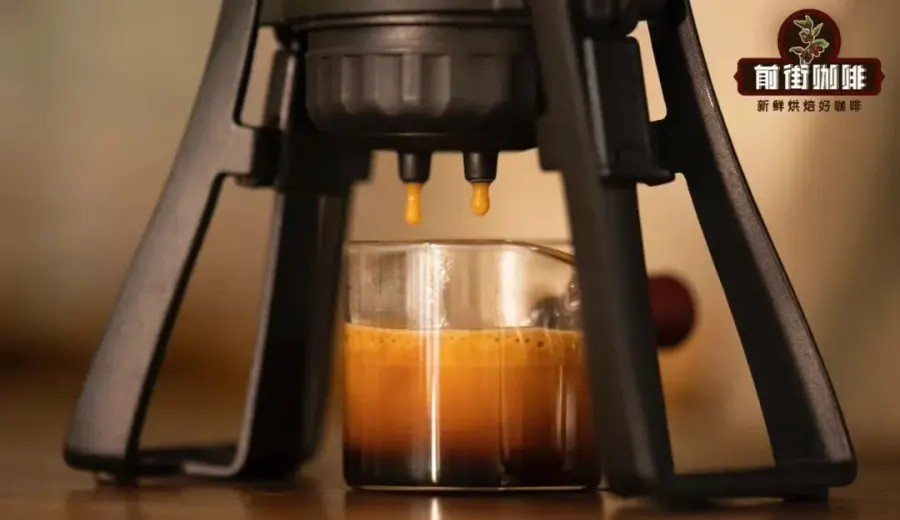
Introduction:The price of a hand-operated coffee maker is only one-tenth or even less than that of a semi-automatic machine, but does the espresso it extracts really differ that much? This article compares the Xingli San hand press with the Lelit V3 semi-automatic machine, using the same coffee beans, grind size, and extraction conditions. We measured the concentration, extraction yield, and flavor performance in real tests, and shared key parameters for using a hand press as well as tips to avoid common mistakes to help you find the extraction tool that suits you best.
The price gap between hand-operated coffee makers and semi-automatic machines often reaches ten to twenty times, but does such a price difference really mean an equally huge gap in extraction quality? To answer this common question, we conducted an actual comparative test, using a now-discontinued Xingli San hand press and the Lelit V3 semi-automatic machine used in daily shop service. We extracted three shots of espresso each, measured their concentration and extraction yield in detail, and compared the flavor and mouthfeel differences through sensory evaluation.
Throughout this experiment, we used the store’s go-to blend — Warm Sun Blend. The coffee dose was fixed at 19.5 grams, using the Galileo Q18 grinder set to 1.0 on the grind setting, with a target output weight of 38 milliliters. All operational conditions were kept identical, with the only variable being the type of machine, ensuring fair and comparable results.
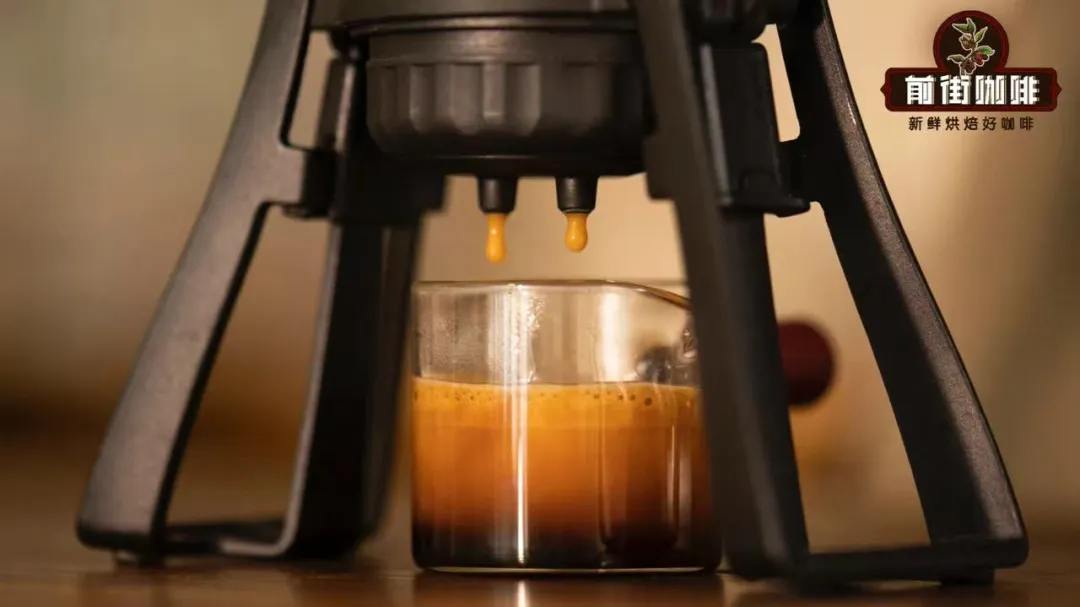
Many coffee enthusiasts have wondered: do hand-operated and semi-automatic machines, which vary greatly in price, really produce espresso that differs so much? To find the answer, we specially arranged this straightforward comparative test, with no brand partnerships involved — relying solely on actual data and sensory experience.
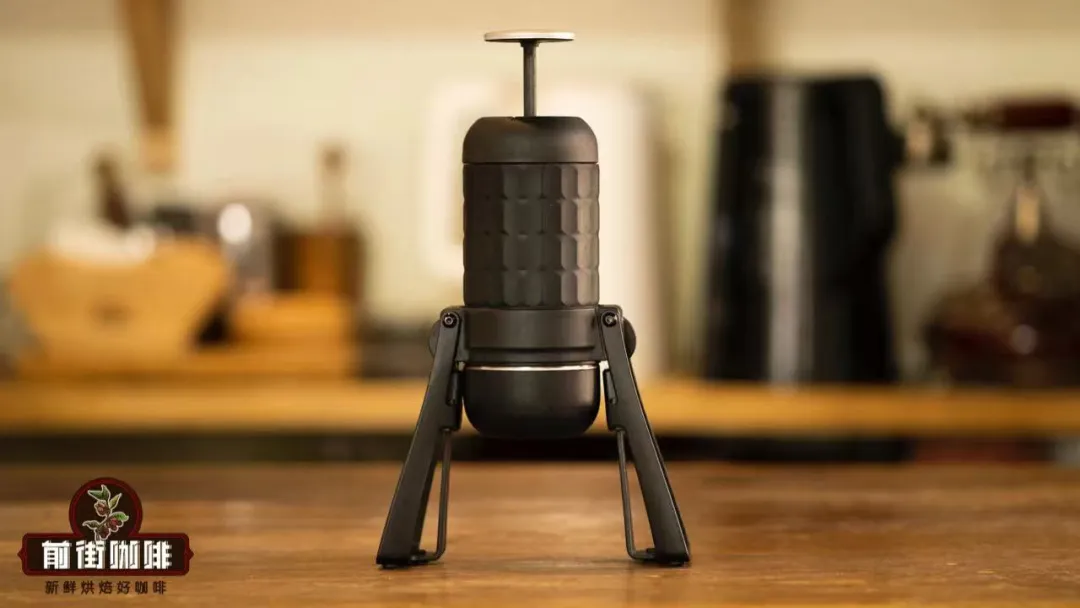
The hand-operated machine used in the test is a Xingli San purchased in 2022, which is no longer available on the market; the semi-automatic machine is the Lelit V3 used in the store for daily espresso production. The extraction conditions were exactly the same for both, with three shots made on each, and the concentration and extraction yield of each shot recorded. Averages were then calculated for comparison, supplemented by tasting to assess the flavor performance.

During the testing process, we strictly controlled variables, using only the type of machine as the distinguishing factor. Immediately after extraction, we tasted each cup and measured its concentration and extraction yield, finally taking the average of the results. It turned out that the Xingli San hand press produced espresso with an average concentration of 10.04% and an average extraction yield of 20.27%; while the Lelit V3 semi-automatic machine produced an average concentration of 10.60% and an average extraction yield of 21.41%.
Judging from these figures, the difference between the two is actually not very significant, with both falling within reasonable and ideal extraction ranges. In terms of flavor, both produced clear notes of whiskey, buttery cookies, and berries, with good overall balance — neither overly sour nor noticeably burnt or bitter. Although the espresso from the Xingli San had a slightly thinner mouthfeel, the overall performance was still surprisingly good.
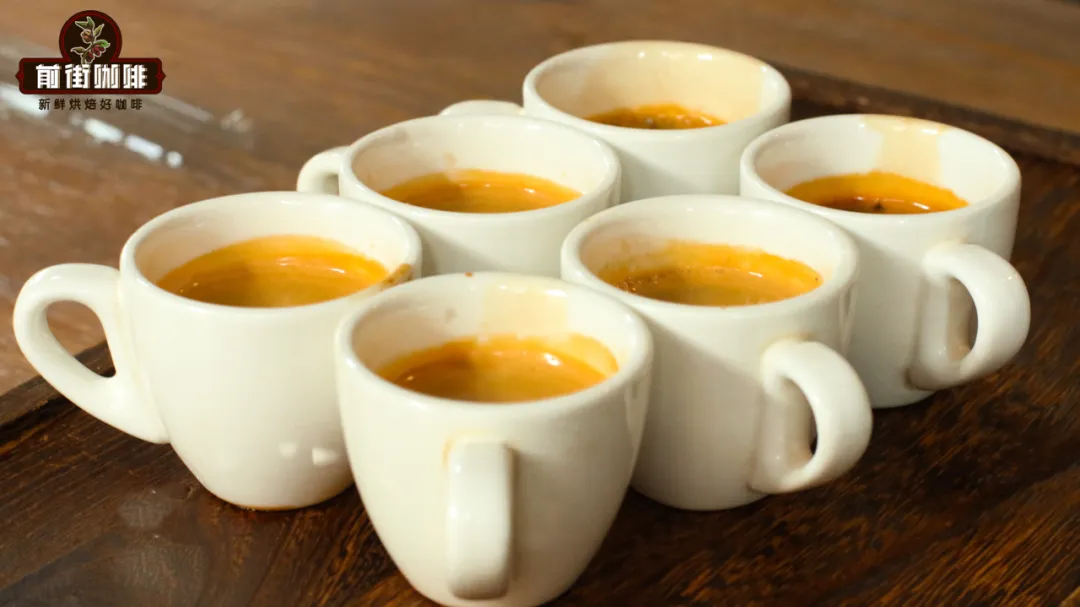
Observing the crema was even more surprising. The hand press was also able to extract rich and fine crema, which was almost indistinguishable from that of the semi-automatic machine. Readers, why not guess — in the following photo, which cup was extracted by the hand press, and which came from the semi-automatic machine? The answer is: the right side is the work of the semi-automatic machine, while the left is from the hand press. Did you guess correctly?
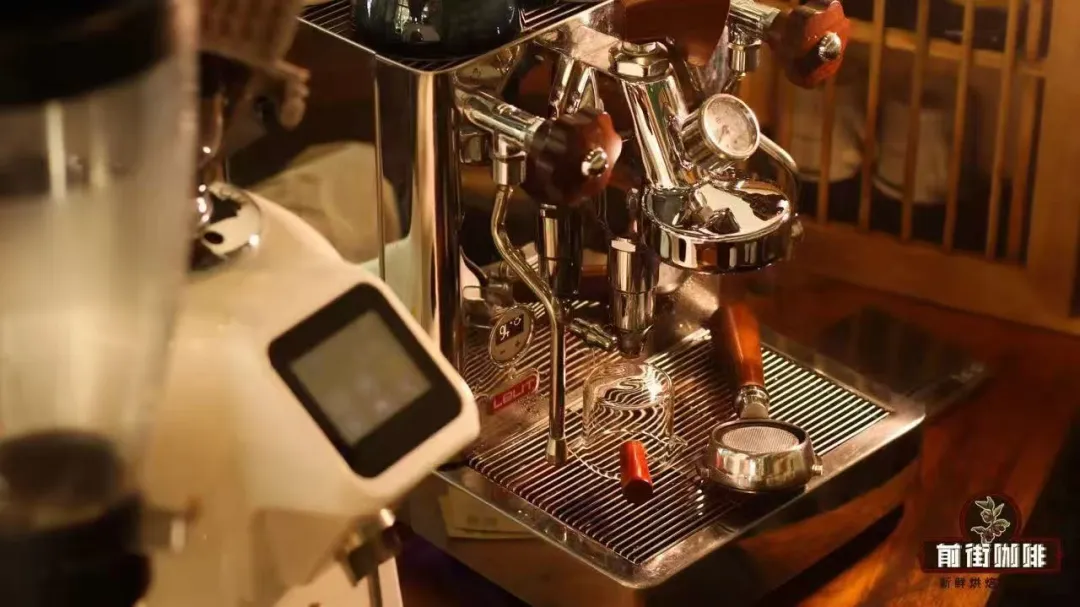
Based on the combined data and sensory evaluation, if we disregard other additional features, simply considering the quality of the extracted coffee, a budget-friendly hand press can indeed serve as a cost-effective alternative to a semi-automatic machine to some extent, especially suitable for users with low daily consumption who are seeking good value.
Of course, there are still significant differences in functionality and stability between hand presses and semi-automatic machines. Semi-automatic machines offer more precise pressure control, water temperature stability, and automated processes, whereas hand presses rely on the user’s operational experience and parameter adjustments, resulting in relatively lower stability. But if you’re just occasionally brewing at home, or want to try espresso on a low budget, a high-quality hand press is definitely worth considering.
However, many online users who try budget hand presses often encounter issues such as insufficient extraction concentration, rough crema, or even failure to form any crema. These problems mostly stem from improper settings of key parameters, including water temperature, grind size, pressure control, water volume, and coffee dose. Any misstep in these areas can affect the final result.
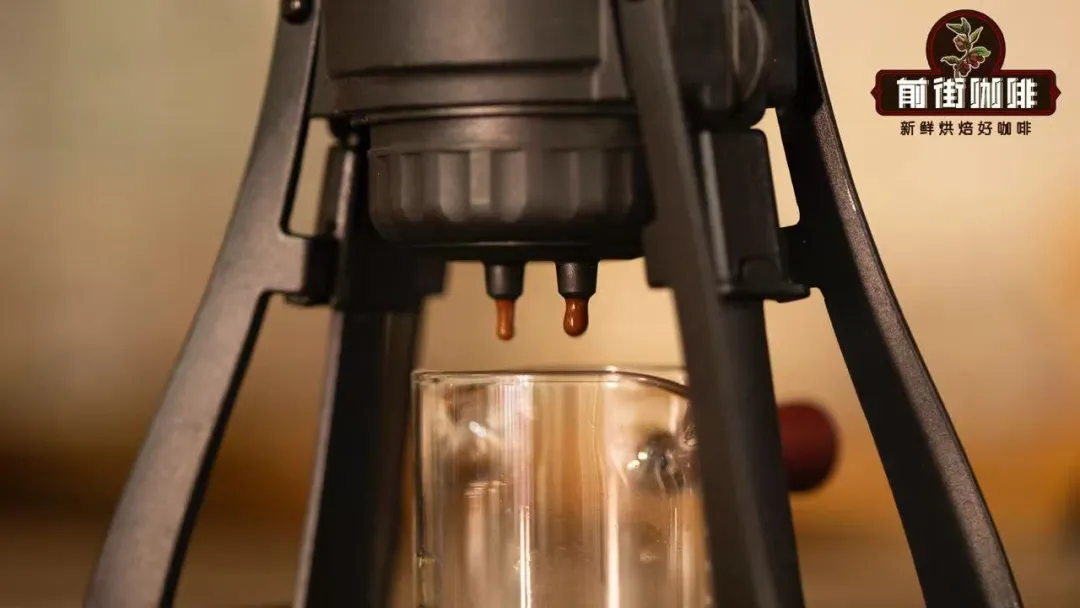
To extract high-quality espresso with a hand press, you first need to understand the difference in pressure mechanisms compared to semi-automatic machines. Most hand presses are not equipped with a stable pressure system, so the pressure output is not as constant as that of professional machines, meaning other variables need to be precisely adjusted.
It is recommended to use a higher water temperature, such as 95°C, which helps enhance the hot water’s ability to dissolve the coffee grounds and release more flavor compounds. In addition, since hand presses require manual heating and pouring, it is advisable to preheat the water tank with hot water beforehand to reduce heat loss during pouring and ensure stable water temperature throughout the extraction process.
Regarding grind size, it is suggested to use a fine grind similar to that of a semi-automatic machine to increase puck resistance, thereby enhancing the extraction pressure when pressing. After filling the coffee, make sure to distribute the grounds evenly and tamp them appropriately to avoid channeling, which can affect extraction uniformity.
Some hand presses come with adjustable pressure valves, such as the Xingli San, which adjusts pressure via a dial at the bottom. It is recommended to set it to the maximum to achieve optimal extraction pressure. In addition, water volume control is also key. The common coffee-to-water ratio for espresso is 1:2. If you want to achieve a similar concentration with a hand press, you can refer to a coffee-to-water ratio of around 1:3.5 to 1:4, precisely controlling the output weight of the extraction, which helps improve the overall espresso performance.
In summary, although hand-operated coffee makers may not match the semi-automatic machines in terms of functionality and stability, under the right parameter settings and with proper operation techniques, they can still produce espresso with full flavor and fine crema, making them a cost-effective choice for coffee lovers on a budget or those who brew occasionally. As long as you master key elements such as water temperature, grind size, pressure, and water volume, you can effectively avoid common extraction mistakes and enjoy the pleasure of manual brewing.
The above content is compiled by CoffeeHunters, a coffee news website.


