







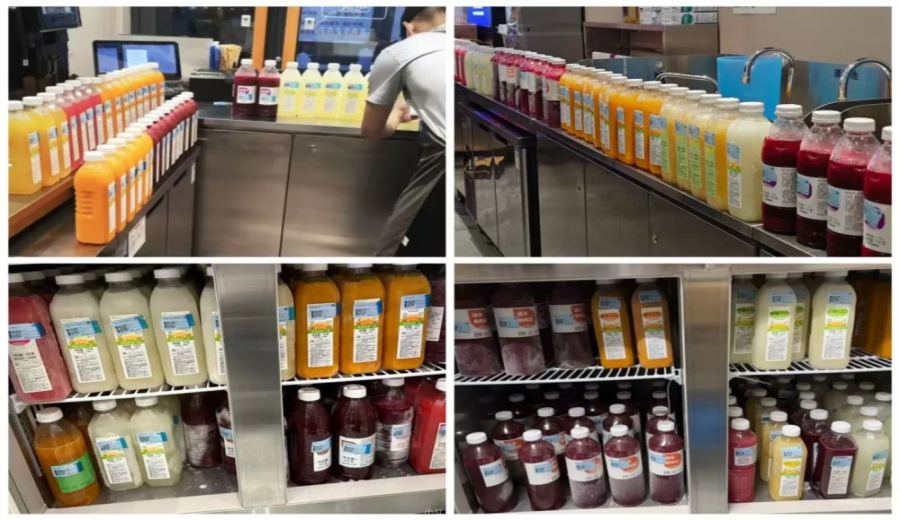
Introduction:During the May Day holiday, Luckin Coffee stores experienced an overwhelming surge in orders, with particularly intense challenges such as ingredient shortages and equipment overload at scenic spots and commercial area outlets. This article takes an in-depth look at the real working conditions of staff under high-intensity pressure, explores how bestsellers like the Yangmei Rinacream affect production pacing, and shares operational details on ice supply and the system’s automatic order limiting – helping readers understand the practical realities behind the peak-season operations of coffee stores.
During every national holiday, food and beverage businesses always face a tough battle, and coffee shops are often the first to bear the brunt. This year during the May Day holiday, Luckin Coffee outlets across the country saw explosive growth in order volumes, especially at branches located in scenic areas, transportation hubs, and popular commercial districts. Even with large quantities of ingredients such as fruit jam, juice, and thick milk prepared in advance, they struggled to keep up with the non-stop flow of orders.
Well before the holiday arrived, many stores had begun preparations by thawing commonly used materials such as tea bases, cold brew liquids, and dairy products ahead of time, filling their bar fridges to capacity. However, on the first day of the short holiday, orders poured in like a tide, with printers continuously spitting out receipts, leaving the staff overwhelmed — many frankly admitting that “there was simply no way to finish it all.”
Notably, the Yangmei Rinacream, recently relisted by the brand, unexpectedly became a bestseller due to rising temperatures. This slush drink, which usually sees average sales, experienced a sudden surge in demand during the holiday, resulting in the store's slush machines running almost non-stop without any downtime.
Faced with the overwhelming influx of orders, staff working alone in stores often encountered sudden issues amid the busyness, such as running out of tea base or cold brew liquid, or even accidentally knocking over milk or spilling ingredients. Under pressure from both customers and delivery riders, employees not only had to quickly clean up the mess but also push themselves to speed up the preparation of drinks.
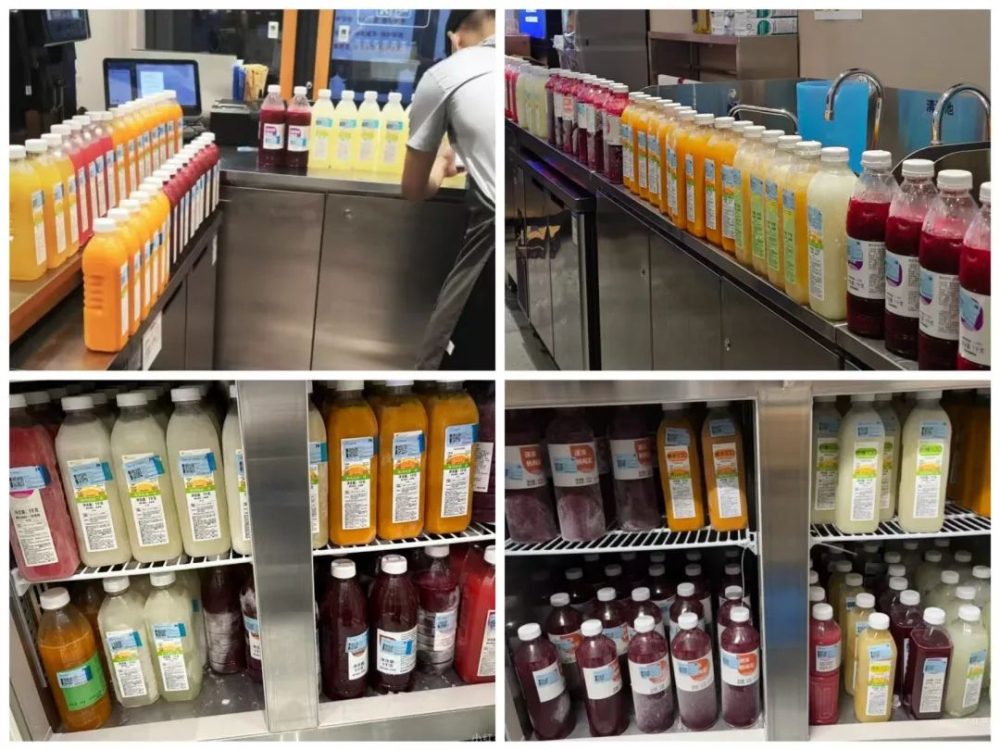
Many staff shared their feelings on social media platforms: “Just loop it around and hang it inside the counter, I’m tired — there’s no way to finish all the Rinacreams,” “After three people get off work, we can’t even lift our arms,” “My back is about to break,” vividly depicting the exhaustion from continuous high-intensity work. Some also posted photos of the “battlefield” inside the store — workstations piled high with drinks, sinks overflowing with packaging boxes, and several-meter-long rolls of label paper, joking that working on Labor Day really gave them a firsthand taste of what “Labor Day” truly means.
Interestingly, when the store’s ice machine runs out of ice cubes and the ice storage bin is empty, staff actually get a brief moment of respite. It turns out that when ice drink ingredients run low, the system automatically limits the ordering of related beverages, causing the store’s order volume to drop sharply. Staff then only need to focus on preparing hot drinks, significantly easing the pace of work. Some stores were even able to close earlier due to ice supply shortages, allowing exhausted workers to head home for rest sooner.
However, such moments of relief are often very short-lived. Once the ice storage bin is refilled, staff must immediately return to their posts, continuing to make various ice drinks until the store closes, completes cleaning tasks, and prepares the necessary materials for the next day’s early shift — only then can they finally end the day’s hard work and allow their sore bodies to get proper rest.
The above content is compiled by CoffeeHunters, a coffee news website.


