








Introduction:In humid environments, coffee grounds are prone to clumping, which can affect the channeling effect and flavor expression during espresso extraction. Many coffee enthusiasts wonder whether toothpicks can replace professional distribution needles. This article presents a comparative espresso extraction test to analyze the differences between toothpicks and distribution needles in terms of clump dispersion, dose evenness, and extraction stability. It explains why toothpicks are not suitable as substitutes and offers suggestions for selecting distribution needles to help you maintain stable extraction quality.
During the humid season, especially in environments with consecutive rainy or thunderstorm days, coffee grounds are more likely to clump during grinding. If these small coffee clumps are not properly addressed, they can cause channeling during espresso extraction, leading to uneven water flow and ultimately affecting the overall flavor balance and mouthfeel.
To improve this situation, the key lies in evenly dispersing the clumps within the coffee grounds so that hot water can uniformly pass through the entire coffee bed.WDT Distribution Technique (Weiss Distribution Technique, also known as the Weiss Method)is a commonly used and effective technique, which involves using multiple fine needles to agitate the coffee grounds, break up clumps, and enhance extraction uniformity.

The common tool for WDT is the distribution needle, which features multiple fine metal needles at the front. During use, it is inserted into the portafilter basket and gently stirred to effectively break up coffee clumps while maintaining the natural distribution of the coffee bed. This technique was popularized by industry professional John Weiss, and has since become one of the standard procedures for many professional baristas to handle clumped coffee.
However, not all home or amateur coffee enthusiasts own professional distribution needles, especially in regions where humidity is not a frequent issue. As a result, some have begun to wonder: since distribution needles rely on fine needles, could everyday items like toothpicks serve as a temporary substitute? To test this idea, we conducted a set of real-world extraction comparison tests.
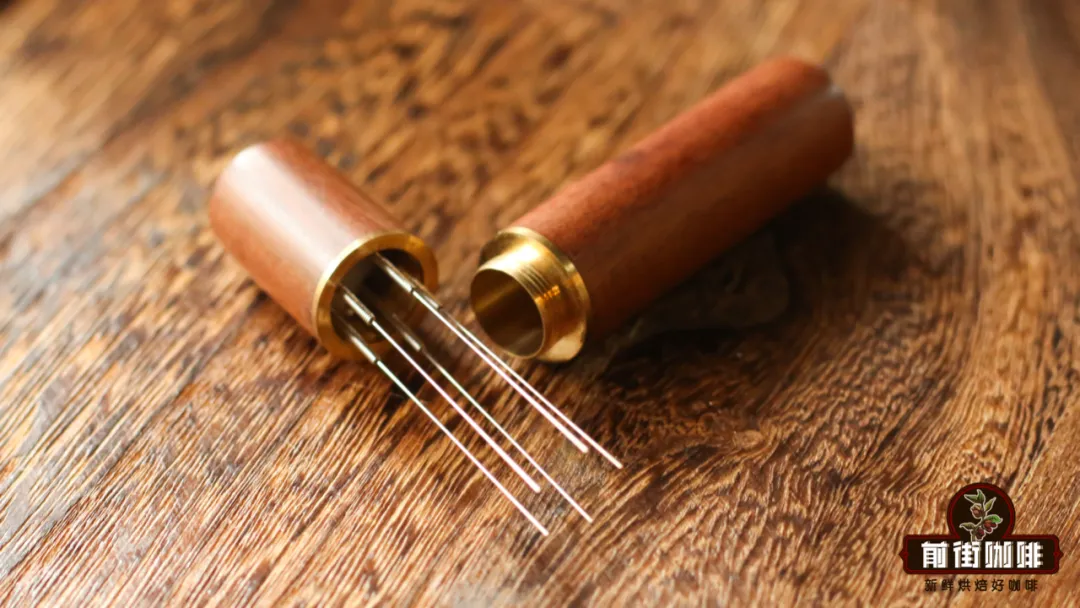
In the experiment, we chose the most readily available and frequently mentioned household item that could potentially replace a distribution needle—toothpicks. To simulate real usage conditions, we followed standard espresso extraction parameters: using20 grams of coffee grounds, with a brew ratio of 1:2 (yielding 40 milliliters of espresso),and an average extraction time of 30±2 seconds as the benchmark for stable extraction (this value is based on our previous results using a distribution needle for three extractions).
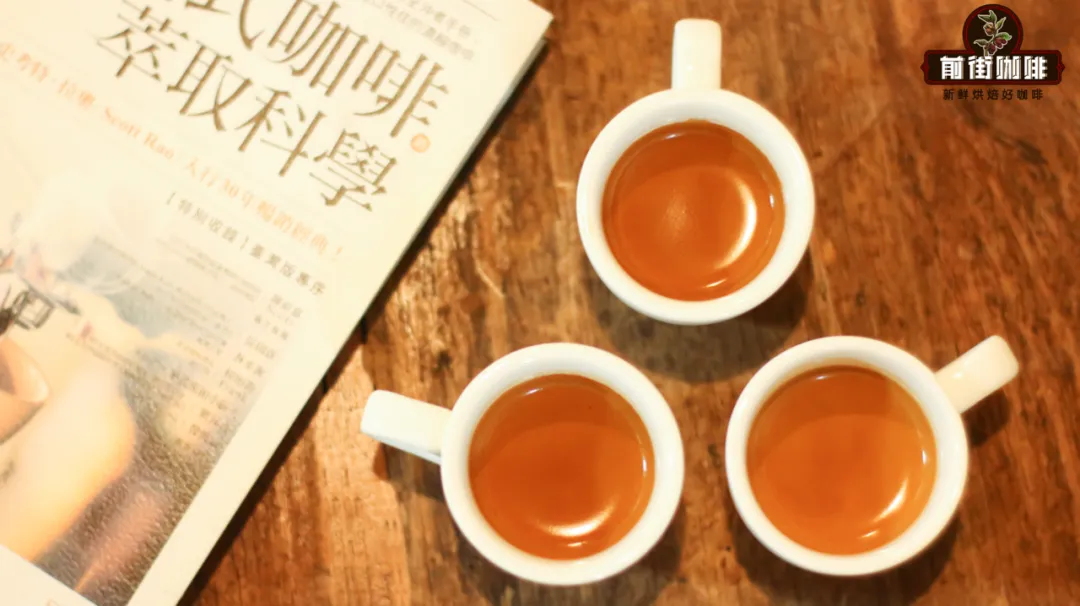
First, the extraction results using the distribution needle under normal operation showed that all three shots had smooth flow rates, no splattering, and clear flavor layers with a rich and balanced mouthfeel—this is the familiar ideal state we aim for.
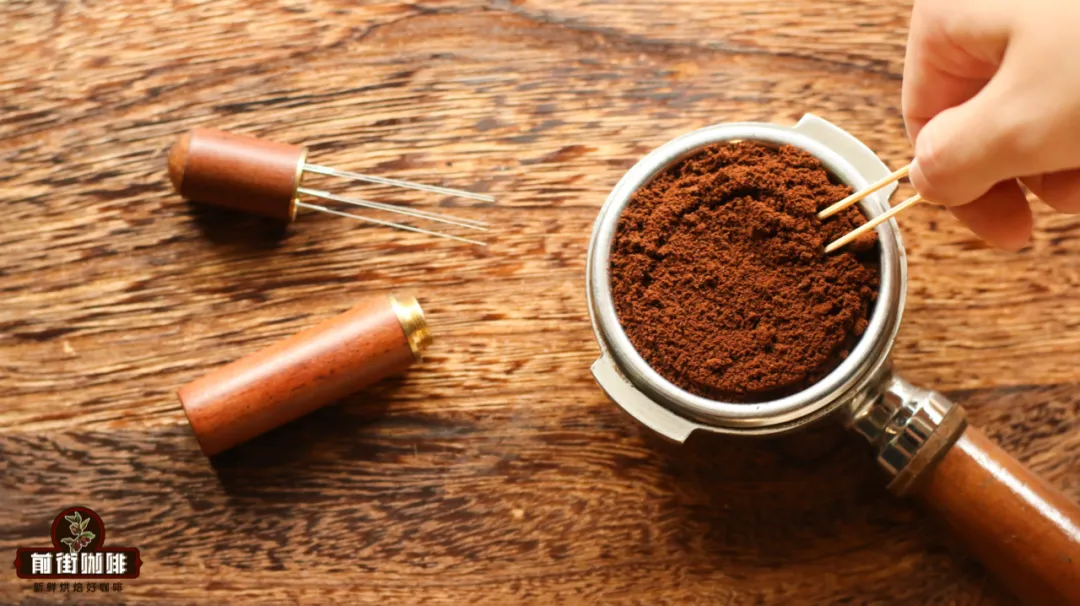
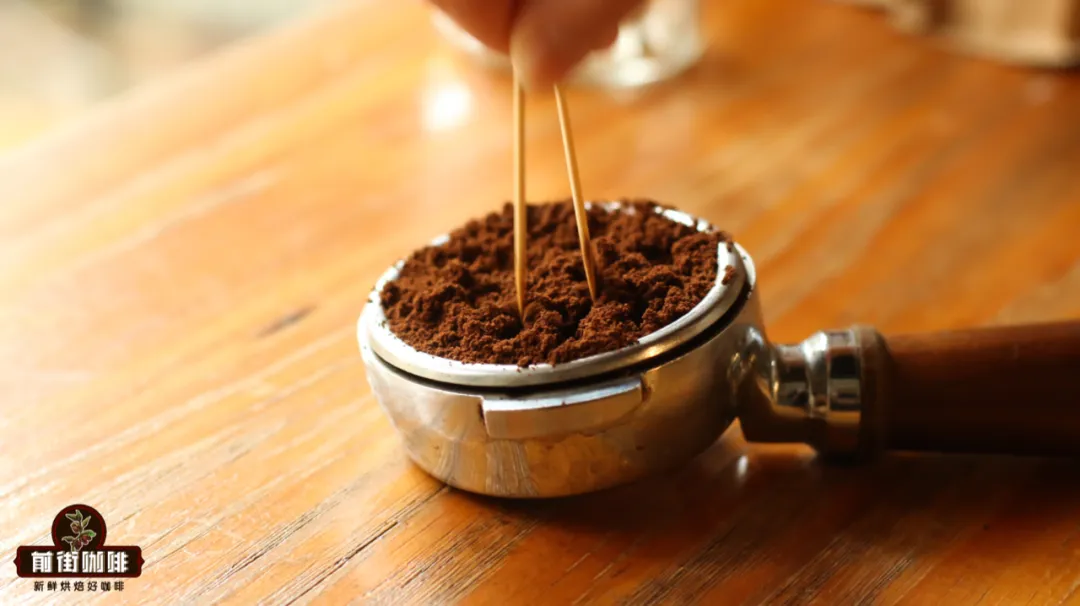
Next, we substituted with toothpicks. The steps were as follows: first, the ground coffee was placed into the portafilter basket, then two toothpicks were inserted into the coffee bed in a staggered manner and stirred; after stirring, the coffee was tamped, and extraction began.
After multiple tests, we found that using toothpicks generally resulted in splattering during extraction, and the flow rate of the coffee was unstable. In terms of taste, although the flavor defects were not severe, subtle signs of uneven extraction could still be detected. This contrasted sharply with the stable performance when using a distribution needle.
Upon deeper analysis, there are mainly two reasons:First, the diameter of a toothpick is too thick. Compared to the fine, closely spaced needles of a distribution needle, toothpicks tend to push surrounding coffee grounds outward during stirring. This not only fails to precisely break up clumps but may also disrupt the original distribution of the coffee bed, and even push some coffee grounds out of the portafilter.
Second, it’s difficult to manipulate multiple toothpicks simultaneously. Using just one or two toothpicks cannot achieve the multi-point even stirring effect of a distribution needle. Even if you manage to use several toothpicks, there’s no stable way to hold them in place, making the actual process cumbersome and negatively impacting the clump dispersion effect.
Based on the comprehensive experimental results, we conclude that toothpicks or other similarly thick items are not suitable as long-term or formal substitutes for distribution needles. If you have certain requirements for the stability and flavor expression of coffee extraction—especially during humid or dry (static-prone) seasons—investing in a professional distribution needle remains the most reliable choice.
Currently, distribution needles on the market vary widely in price, ranging from single-digit to four-digit figures depending on material and design. We recommend choosing based on your frequency of use and needs. There’s no need to overly pursue high-end models, but make sure the needle tips are sufficiently fine and the tool is easy to handle to effectively improve the consistency of each extraction.
The above content is compiled by CoffeeHunters, a coffee news website.


