








Introduction:Caffè Marocchino is a unique and niche coffee specialty from Italy, often mistaken for mocha coffee, but in reality, it differs greatly in both flavor and preparation. This coffee combines espresso, milk foam, and cocoa powder, featuring an elegant appearance and a richly layered taste. This article delves into its origin background, differences from mocha, and provides detailed preparation steps and tasting insights to help you easily master the home-brewing secrets of this Italian classic coffee.
In the world of Italian coffee, aside from common choices like espresso, cappuccino, and latte, there is also a uniquely distinctive niche coffee—Caffè Marocchino. It is often phonetically translated into Chinese as "玛罗奇诺咖啡" (Mǎluòqínòu Kāfēi), while a literal translation would be "Moroccan Coffee." Although its name might suggest a connection to the North African country, it actually originated in Italy and is frequently featured on café menus, beloved by local consumers. The composition of this coffee may seem simple: a double shot of espresso, fine milk foam, and a layer of cocoa powder. Though superficially similar to mocha, its actual flavor and mouthfeel present significant differences.
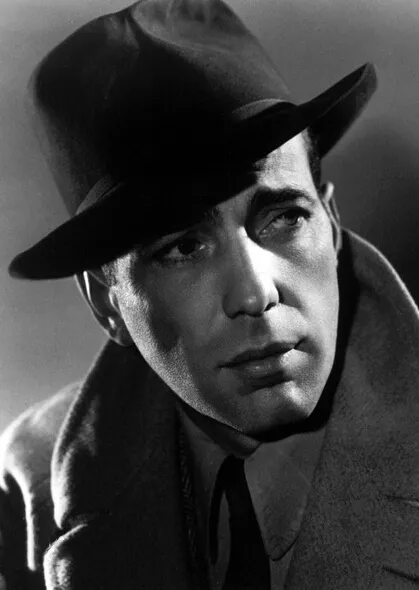
Caffè Marocchino The name “Marocchino” in Italian means “Moroccan,” hence its direct translation as “Moroccan Coffee.” However, to avoid confusion with the spice-infused coffee native to Morocco, many people prefer the phonetic translation, “玛罗奇诺咖啡” (Mǎluòqínòu Kāfēi). The origin of this name is said to be related to Borsalino, a renowned Italian hat brand. Famous for crafting high-quality fedoras, some of their hat styles feature sewn-on brown leather trim, known as “Moroccan trim.” Legend has it that when this coffee is served, the layer of cocoa powder on top resembles the color of that leather trim, hence the name.

The history of Caffè Marocchino dates back to the mid-20th century. It is believed that this drink was first created by a café named Bar Carpano in the Alessandria province of Italy. Located near a Borsalino factory, the café often served workers from the plant. To accommodate customers who found the intense bitterness of straight espresso too strong, the barista had a clever idea: add cocoa powder to the coffee along with milk foam, resulting in a beverage with reduced bitterness, a smoother flavor, and more complex layers. Because the final sprinkle of cocoa powder resembled the color of the Moroccan trim on Borsalino hats, the coffee earned its name.
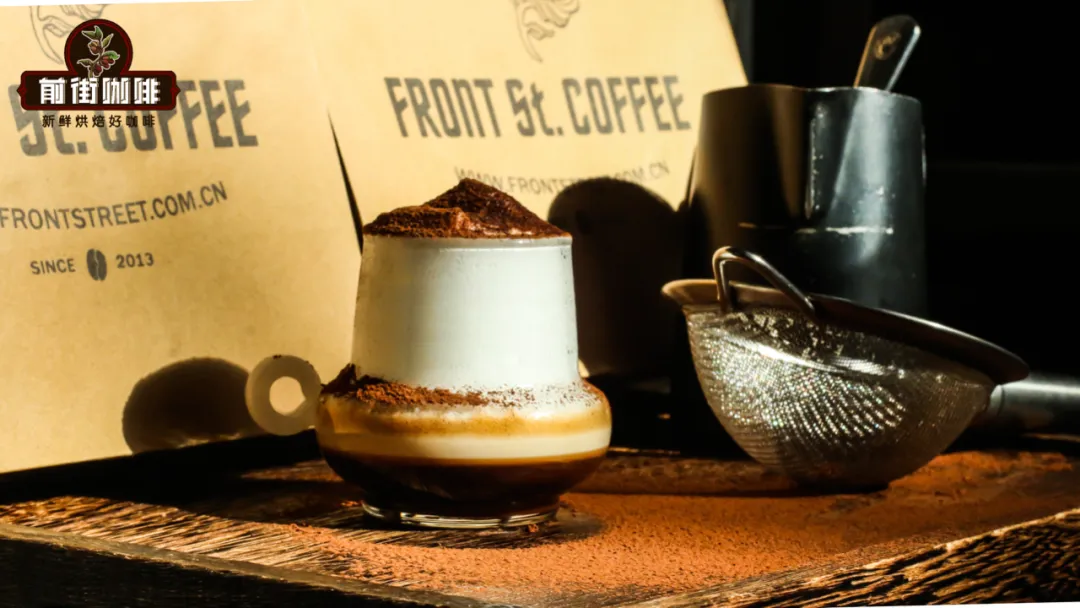
Although Caffè Marocchino and mocha coffee both use elements such as espresso, chocolate, and milk foam, their ingredient ratios and final presentations are vastly different. Typically, a mocha is served in a larger cup, about 200–300 ml, and apart from an espresso base, it includes a significant amount of milk and chocolate syrup, resulting in an overall sweeter taste with less prominent bitterness—more like a dessert with coffee flavor. In contrast,Caffè Marocchino is typically served in a cup with only about 60 ml capacity, making it a small and refined beverage. Its main components include a double shot of espresso, a layer of fine milk foam, and a final dusting of cocoa powder, offering a richer and more layered flavor with relatively stronger bitterness.
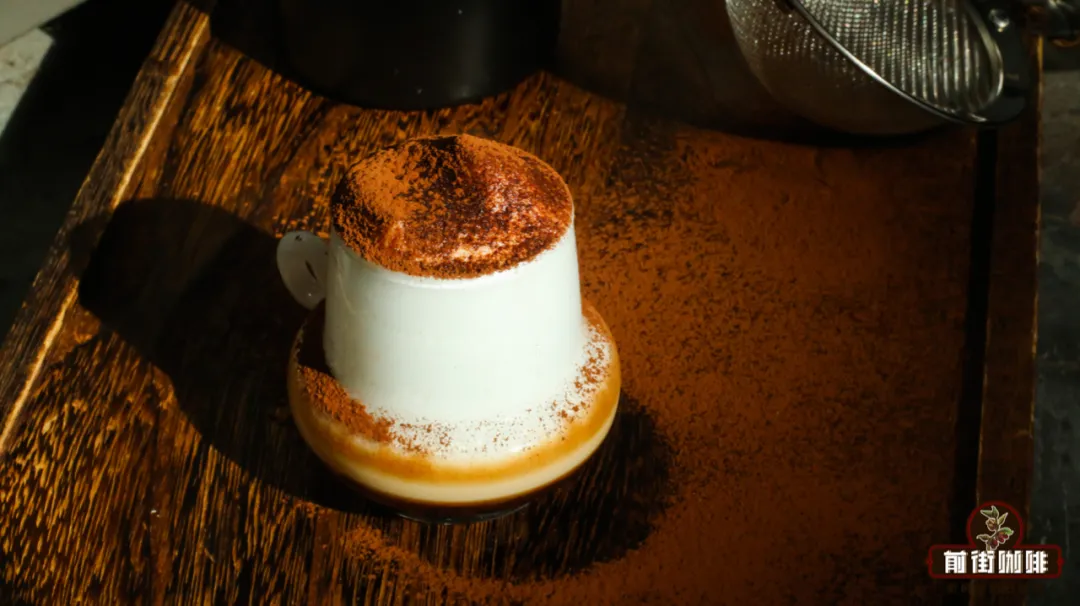
Next, let’s take a look at how to make an authentic Caffè Marocchino at home. The required ingredients are very simple: a double shot of espresso, freshly whipped milk foam, unsweetened or sweetened cocoa powder (if using unsweetened cocoa powder, it’s recommended to add a bit of sugar to balance the bitterness), and a small cup with a capacity of about 60 ml.
First, evenly sprinkle a layer of cocoa powder into a clean small cup. This will form the first visual and flavor layer of the final presentation. If you’re using unsweetened cocoa powder, consider adding a small amount of sugar at this stage to help reduce the overall bitterness later on.
Next, use an espresso machine to extract a double shot of espresso. It is recommended to use about 20 grams of coffee grounds, extracted at 9–10 bar pressure for approximately 30 seconds, yielding about 40 ml of espresso. While extracting the espresso, you can also use a milk frother or pitcher to whip fresh milk into fine and dense foam—the thicker the foam, the creamier and smoother the final texture will be.
Once the espresso has been extracted, immediately pour it into the small cup that already has the cocoa powder sprinkled at the bottom. Then, using a small spoon, carefully scoop the whipped milk foam and gently layer it on top of the espresso until the cup is nearly full. Be sure not to use an overly large cup, as an improper milk foam-to-coffee ratio can affect the overall flavor concentration.
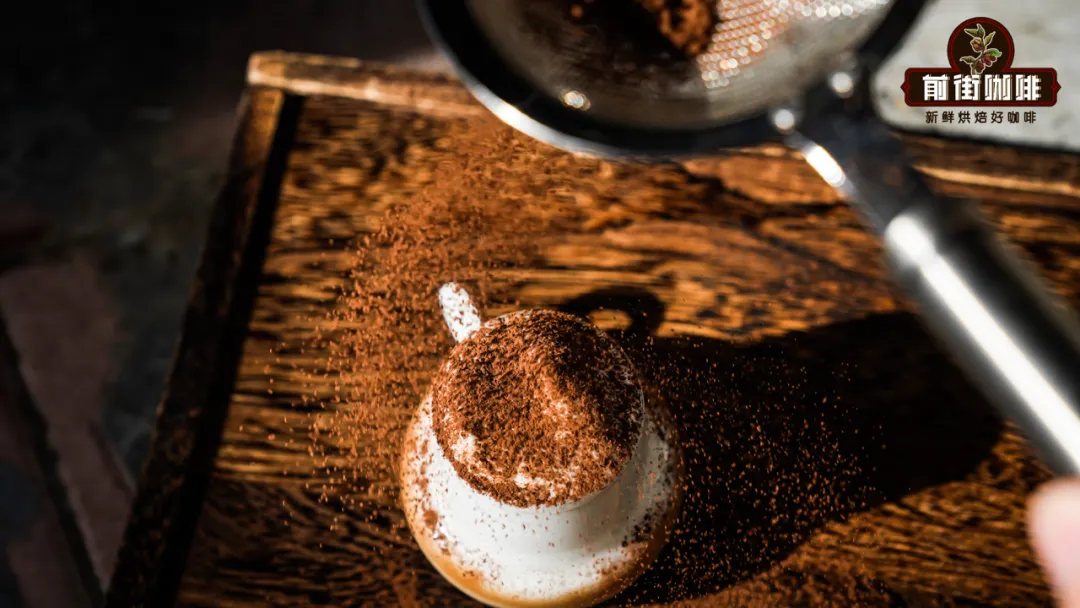
The final step is to evenly sprinkle another layer of cocoa powder on top of the milk foam. This not only adds extra flavor but also enhances the coffee’s visual appeal and sense of ceremony. And just like that, a classic Caffè Marocchino is complete.
When tasting, you’ll first notice the slight bitterness and aroma of the cocoa powder, followed by the smooth sensation of the milk foam, and finally, the rich, bold, and slightly roasted flavors of the espresso. If using the commonly used Sunshine Blend beans found in cafés, you might even detect hints of whiskey, chocolate, buttery cookies, or even a touch of berry in the aftertaste—offering a highly layered flavor profile. However, if you’re more sensitive to bitterness, you might consider adding more sugar, replacing the cocoa powder with chocolate syrup, or even using whipped cream instead of milk foam, all of which can make the overall flavor more mild and palatable.
In summary, Caffè Marocchino is an Italian niche coffee that combines visual elegance with a nuanced taste. Though it shares some ingredients with mocha, it is a completely different beverage. With the right proportions and steps, you can easily recreate this classic Italian-style coffee at home.
The above content is compiled by CoffeeHunters, a coffee news website.


