







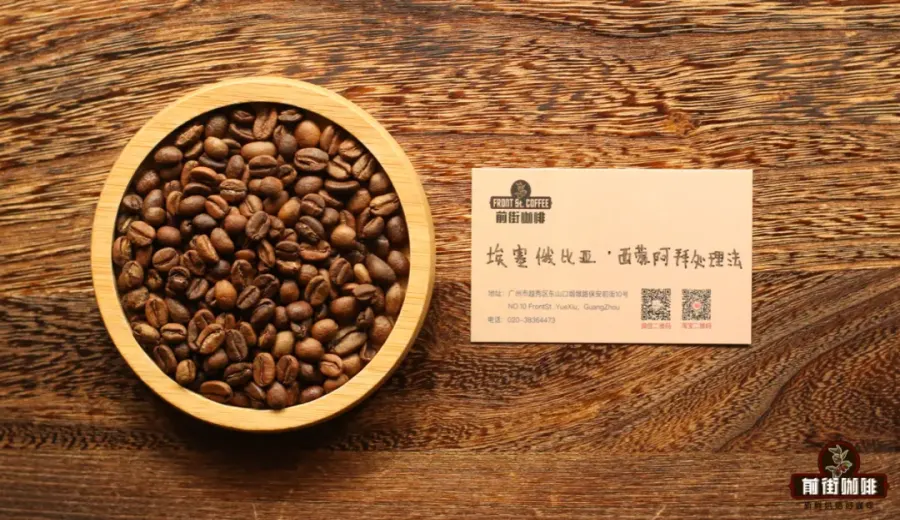
Introduction:The Simon Special Process, also known as the bag fermentation method, is an innovative processing technique that has emerged in the specialty coffee scene in recent years. By fermenting coffee under anaerobic conditions, it highlights the fruitiness and layered spice notes of the beans. This article delves into the principles and steps of this processing method, and uses real coffee examples to illustrate how it shapes a unique flavor profile—offering valuable insights for both purchasing and brewing.
In the world of specialty coffee, the processing method is one of the key factors that determine a coffee’s flavor profile. Among these, the Simon Special Process (also commonly referred to as the bag fermentation method) is an innovative technique that combines anaerobic fermentation with controlled sealed-environment processing. This method has gradually gained attention in producing regions such as Ethiopia, and is capable of imparting distinct fruity tones and delicate spicy notes to the coffee beans.
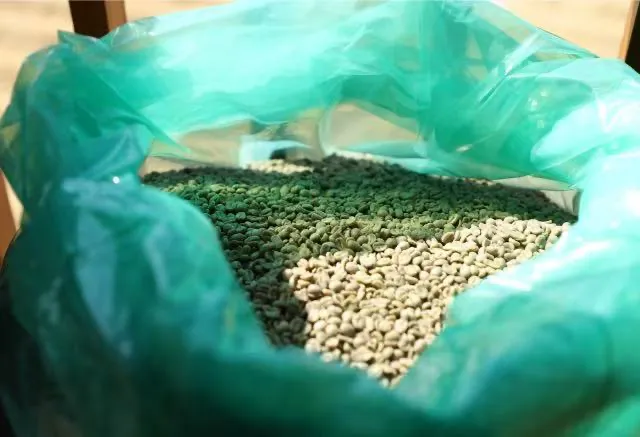
The core of this processing method lies in placing harvested coffee cherries into sealed bags or containers and fermenting them in an oxygen-controlled environment. Through anaerobic conditions, microbial activity produces various metabolic byproducts, which in turn influence the final flavor expression of the coffee. Compared to traditional washed or natural processing methods, bag fermentation allows for more precise control over temperature, humidity, and time during fermentation, thereby bringing out richer aromatic layers.
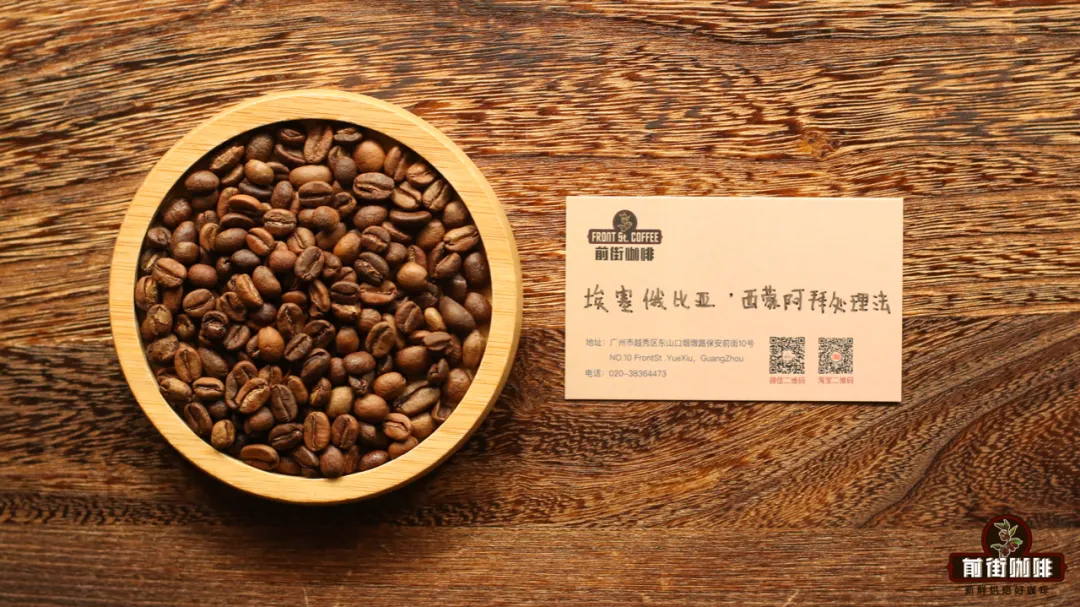
Take, for example, the Simon-processed Ethiopian Guji heirloom variety. These beans are grown at an altitude of approximately2000 metersabove sea level and belong to a unique local landrace variety. After being processed using the Simon Special Process, the coffee develops pronounced flavors of tropical fruits such as lemon, watermelon, and guava due to the influence of the sealed fermentation environment, along with a bright acidity reminiscent of sweet orange and subtle spicy undertones.
The operational procedure of this processing method typically includes the following key steps: first, freshly harvested coffee cherries are carefully sorted to remove unripe or damaged beans; next, the coffee beans, still with their mucilage, are placed into specialized sealed bags and the internal environment is maintained in a low-oxygen state; then, the sealed bags are placed in a temperature- and humidity-controlled environment for fermentation, which may last anywhere from several dozen hours to a few days depending on the desired flavor profile; finally, the fermented beans undergo washing and drying to stabilize their moisture content and flavor characteristics.
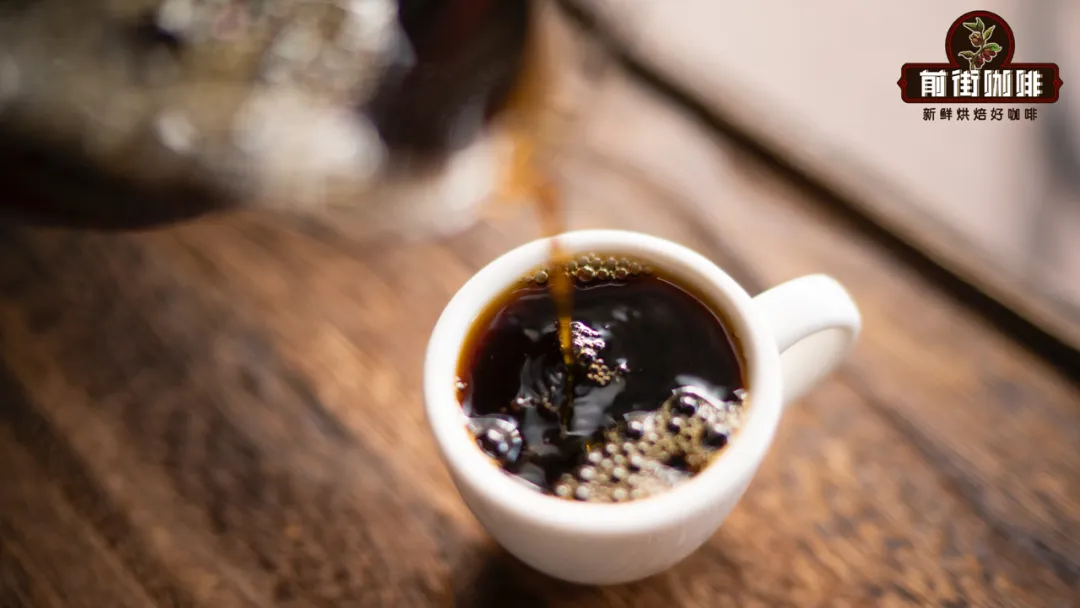
It is worth noting that the success of the bag fermentation method largely depends on precise control over the fermentation environment. Excessively high temperatures may lead to over-fermentation and undesirable odors, while insufficient fermentation time may fail to fully release the intended flavor compounds. Therefore, processing facilities often monitor the fermentation process by measuring the gas composition, temperature changes, and pH levels inside the bags.
For coffee enthusiasts, understanding this processing method can aid in selecting beans based on personal taste preferences. Those who enjoy bright acidity and fresh aromas might pay special attention to beans that have undergone similar anaerobic or bag fermentation processes. During brewing, adjusting grind size and water temperature appropriately can further highlight the unique flavor layers of such coffees.
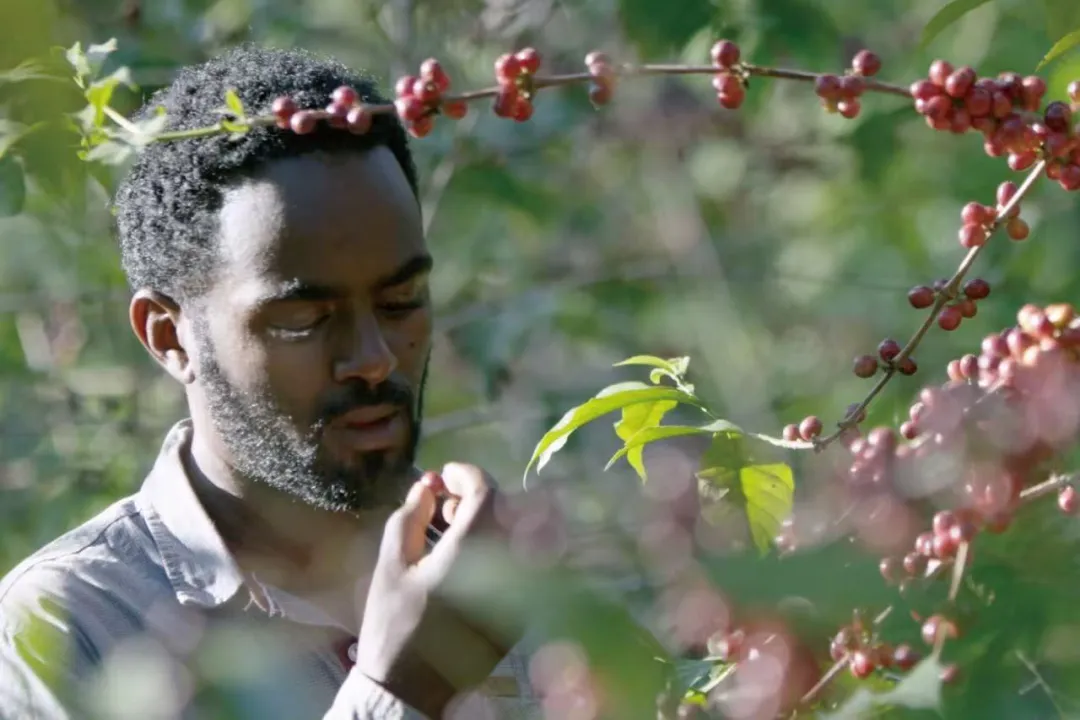
In terms of actual tasting experience, the Simon-processed Guji heirloom variety is often described as having a “juicy burst” character. The lemon and watermelon flavors are clear and distinct upon entry, followed by the rich, pulpy sensation of guava in the mid-palate, while the sweet orange and spicy notes in the finish add a touch of complexity. This flavor combination makes it perform exceptionally well when brewed via pour over or other filter methods.
Additionally, this processing method also places certain demands on the storage and roasting stages of the coffee. Since the flavor compounds produced during fermentation are relatively delicate, it is important to avoid excessive heat during roasting in order to prevent the loss of these volatile aromatic substances. Roasters are advised to maintain moderate heat control during the development phase to preserve the original flavor characteristics of the coffee.

Overall, the Simon Special Process, through its sealed bag fermentation technique, introduces new flavor possibilities to specialty coffee. Whether you are a coffee professional or enthusiast, understanding the principles and practical manifestations of this process can lead to deeper insight and a more rewarding experience when selecting, brewing, and evaluating coffee.
If you are interested in coffees with pronounced fruitiness and rich aromatic layers, consider trying beans that have undergone similar anaerobic or bag fermentation processes. By comparing the flavor differences across various processing methods, you’ll be able to more fully appreciate the diversity and potential of coffee.

Looking ahead, as processing techniques continue to evolve, innovative methods like the Simon Special Process may bring even more surprises to the world of specialty coffee. From controlling the fermentation environment to pairing specific varieties and growing regions, each detail can influence the final flavor profile presented in the cup.
In summary, the Simon Special Process is not only a technological innovation but also an important step forward in the exploration of specialty coffee flavors. By understanding its principles, processes, and actual flavor characteristics, you will be able to discover more nuanced details and delightful surprises in the world of coffee.

The above content is compiled by CoffeeHunters, a coffee news website.


