







Introduction:As the birthplace of the honey processing method, Costa Rica is renowned for its coffee beans that boast unique sweetness and delicate aromas. This article delves into the origins, steps, and the three main types (Yellow Honey, Red Honey, Black Honey) of honey processing, and also explores the actual flavor profiles of Costa Rica's Musician Series coffee beans. Additionally, it provides professional pour over parameters to help you extract the best taste.
When it comes to honey-processed coffee beans, Costa Rica is undoubtedly one of the top performers. As the birthplace of the honey processing method, Costa Rican coffee farmers have successfully overcome the challenges of steep mountainous terrain, limited transportation options, and restricted sales channels through this technique. The honey process not only preserves the sweetness of the coffee beans but also imparts unique flavor characteristics, making it a favorite among many coffee enthusiasts.
The origin of the honey processing method stems from the practical needs of Costa Rican mountain coffee farmers. Due to the rugged terrain, transporting coffee cherries to pulping stations in the valley often led to damage and yield loss. Moreover, the lack of reliable green bean merchants and sales channels made farmers distrustful of exploitative pricing by external buyers. As a result, they developed the honey process as a self-sufficient approach to increase profits. Today, this technique has become a benchmark in Central American coffee regions and has inspired various specialty processing methods, such as raisin honey processing and anaerobic honey processing.
What is the honey processing method?
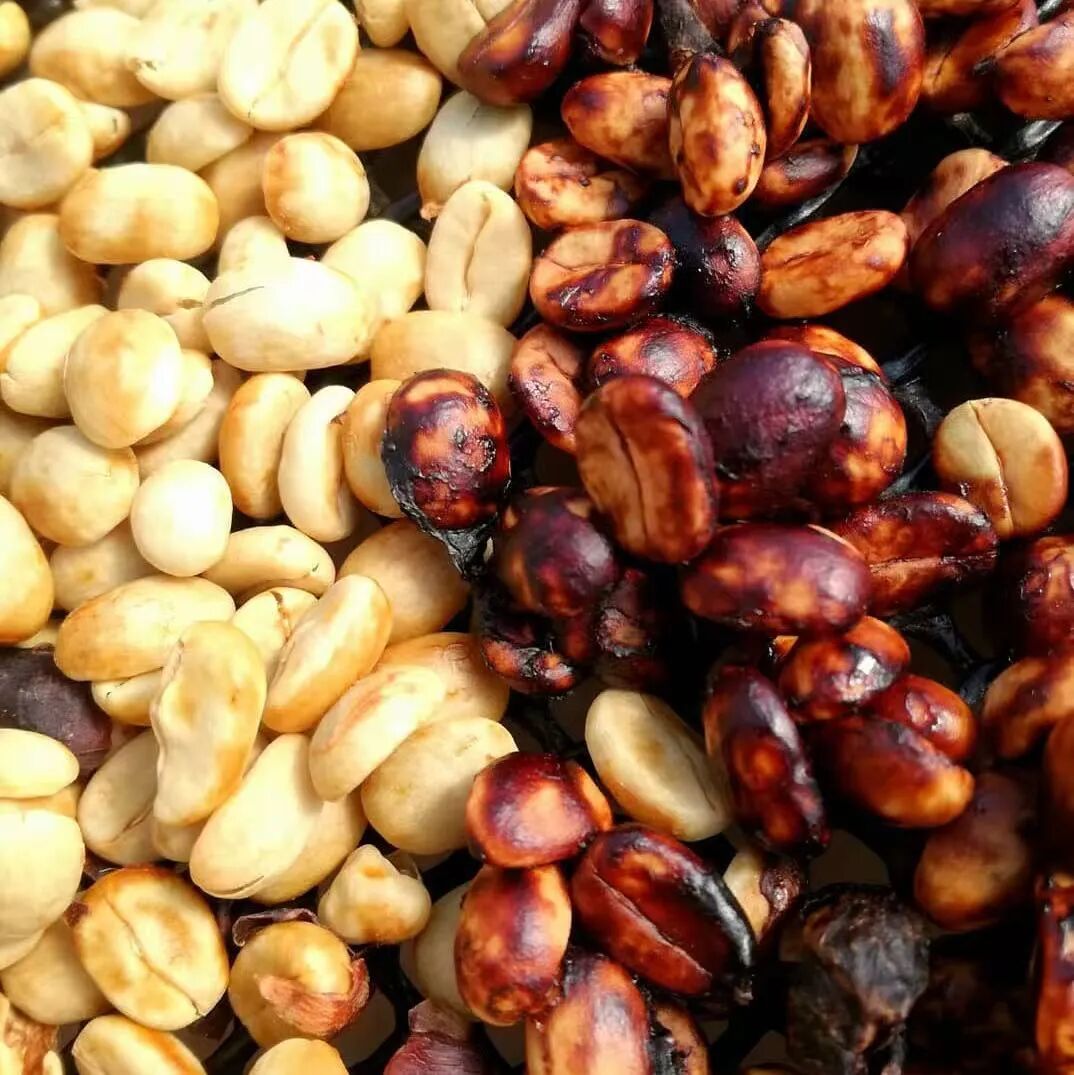
The honey processing method (Honey Process or Miel Process) is a technique that falls between washed and natural (sun-dried) processing. Its core step involves removing the coffee pulp but retaining part of the mucilage (inner skin) during drying. Many people mistakenly believe that honey processing involves adding honey directly, but the name actually comes from the honey-like viscous texture that the mucilage develops as it dries due to moisture evaporation.
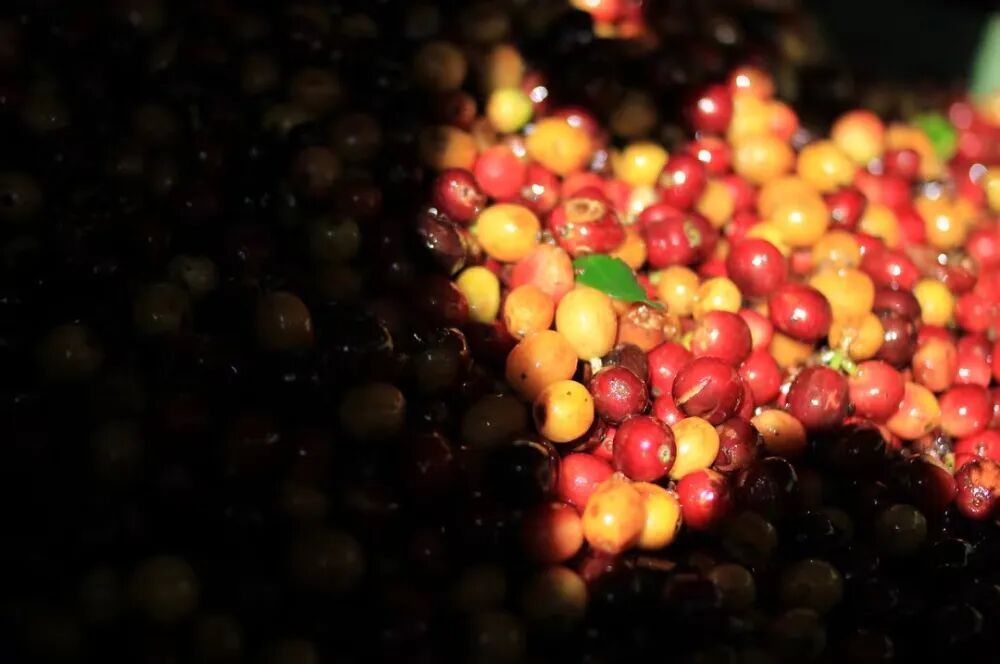
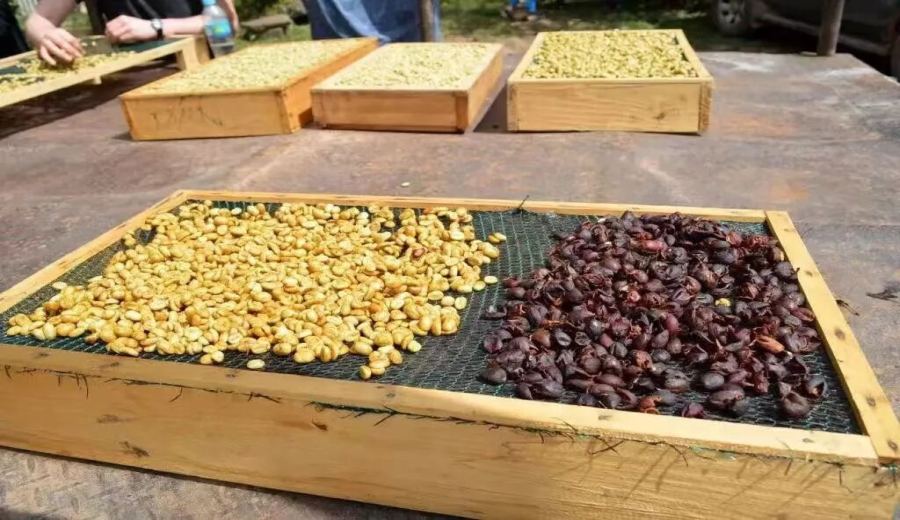
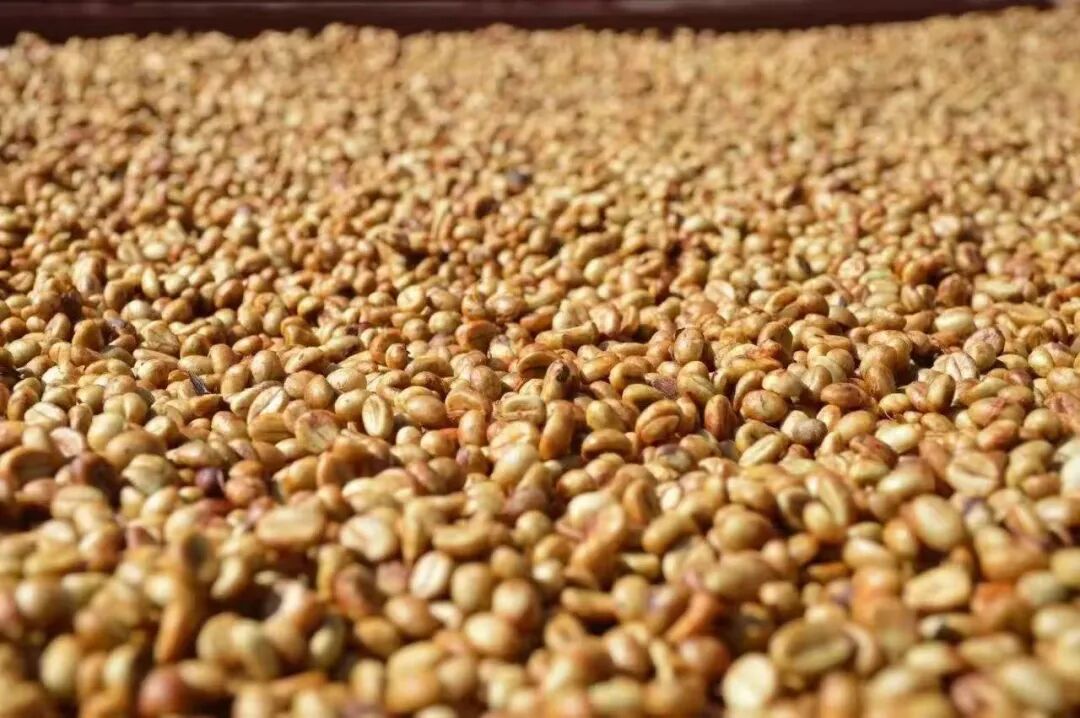
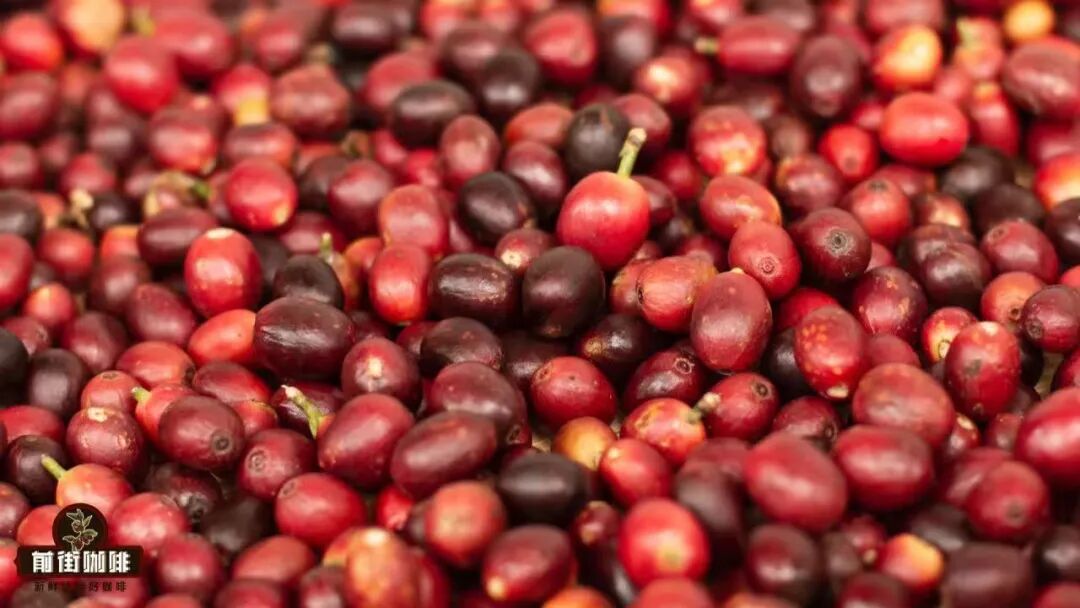
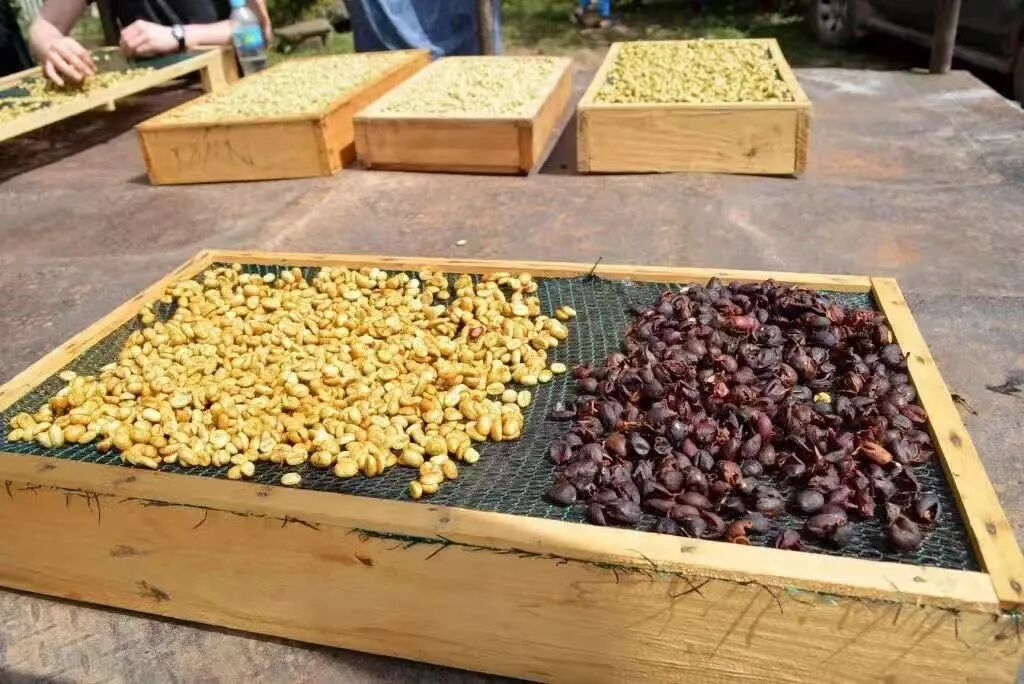
The honey processing method can be divided into four main stages:First,the coffee cherries are placed in water to remove floaters and defective beans;Next,the screened cherries are spread on raised beds to dry for at least three days, reducing the moisture content to around 20%;Then,a pulper is used to remove the skin and pulp, leaving only the sugar-rich mucilage;Finally,the mucilage-covered coffee beans are continuously dried until their moisture content drops to 11%, at which point they can be stored. It’s worth noting that the honey process is categorized based on the proportion of mucilage retained:Yellow Honey (around 40% of mucilage removed),,Red Honey (around 25% of mucilage removed),andBlack Honey (100% of mucilage retained),each affecting the final flavor profile differently.
During the drying process, honey-processed beans need to be frequently turned to prevent mold and over-fermentation.Advantagesinclude lower risk of mold and water conservation,while disadvantagesare the complicated steps and labor-intensive nature. If done correctly, the honey process can impart rich sweetness and delicate aromas to the coffee beans; otherwise, it may result in vinegar-like, earthy, or off-flavors.
Differences Between Yellow Honey, Red Honey, and Black Honey
Black Honeyretains almost all of the mucilage, requires the longest drying time (over 14 days), and is often shaded from intense sunlight to promote sugar conversion, resulting in the most intense flavors.Red Honeyremoves about 25% of the mucilage, dries for about 12 days, occasionally uses shade cloths, and has a lower frequency of turning.Yellow Honeyremoves about 40% of the mucilage, is exposed to the most sunlight (around 8 days), and is turned every hour, yielding relatively brighter flavors. Generally, Black Honey is considered the most flavorful option due to its full retention of the inner skin.
Costa Rica’s honey-processed coffee beans are widely popular for their sweetness and diversity, especially appealing to beginners aiming to break the stereotype that "coffee is bitter." Moreover, the honey process has also inspired a variety of innovative techniques that further enhance the flavor potential of coffee.
Take the Costa Rica Musician Series as an example,Mozart Coffee Beans(from the Tarrazú region, 1800 meters altitude, H1 variety, raisin honey processed) exhibit lavender-like floral notes paired with layers of dark berries, raisins, and plum acidity, while maintaining sweetness even when cooled.Bach Coffee Beans(from the same region, 1950 meters altitude, raisin honey processed) offer dry aromas of strawberry, blackberry, and raisins, with a fusion of fruity flavors and a slight wine-like taste upon brewing, followed by a finish reminiscent of candied fruit and plum wine. Both beans come from the Canet Estate, named after the owner’s passion for music.
Pour Over Brewing Recommendations
Use a Hario V60#01 filter, 15g of coffee, a 1:15 coffee-to-water ratio, 92°C water temperature, and a grind size equivalent to 10 on the Ek43 grinder (fine sugar level, 75% passing rate on a #20 sieve or 24–26 on the C40). Use a three-stage pouring method:First stage:pour 30ml of water for a 30-second bloom;Second stage:use medium-fine water flow to pour up to 125ml by 55 seconds;Third stage:switch to a finer stream to complete the remaining 70ml by 1 minute and 55 seconds. The Bach beans at higher temperatures present grape-like acidity and wine notes, transitioning to a berry juice feel and rose aroma as they cool; the Mozart beans emphasize variations of berry, fermentation, and osmanthus aromas.







The above content is compiled by CoffeeHunters, a coffee news website.

