







Introduction:As an important coffee-producing region in Asia, Indonesia’s Sumatran Mandheling is renowned for its unique herbal characteristics. However, recent shifts in its flavor profile have sparked discussion. This article delves into the distribution of Indonesia’s major coffee-growing regions, explores the causes behind Mandheling’s herbal notes, and analyzes how the wet-hulling process influences its flavor. Finally, it provides brewing recommendations for Golden Mandheling to help readers fully understand the secrets of this classic bean variety.
When it comes to Mandheling coffee, many people first think of its rich body and deep roasted aroma, but what leaves a more unforgettable impression is its distinctive “herbal flavor”—a complex aroma that includes herbal, earthy, and woody notes. This flavor makes Mandheling a polarizing coffee: loved by enthusiasts, yet difficult for others to appreciate.
In recent years, some consumers have noticed that the herbal notes in Mandheling have noticeably faded, prompting exploration into the reasons behind this flavor evolution. In fact, this characteristic stems from the interplay of variety, growing environment, and processing methods.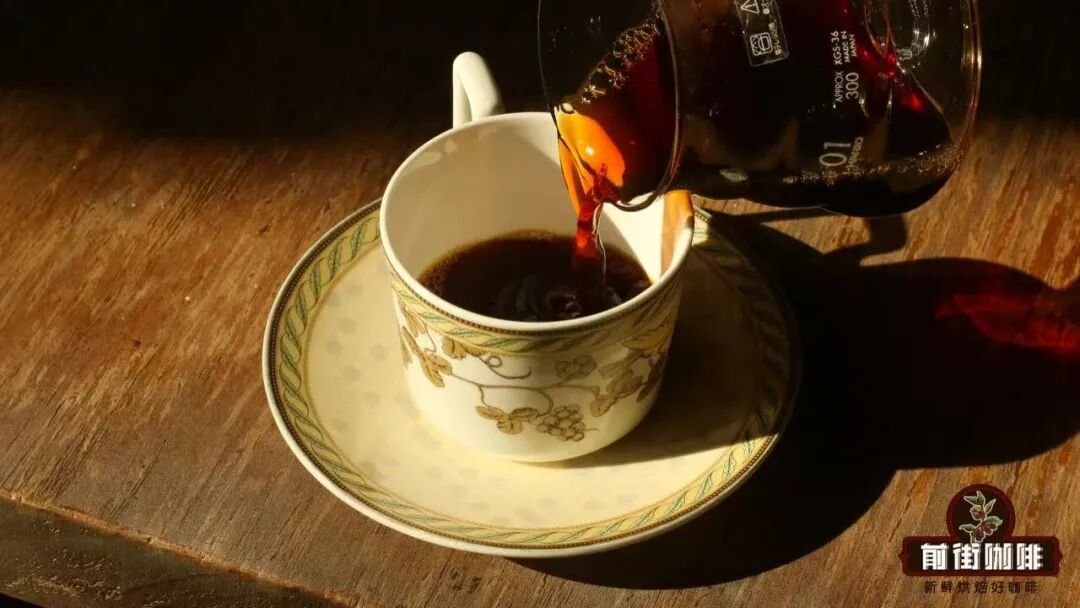
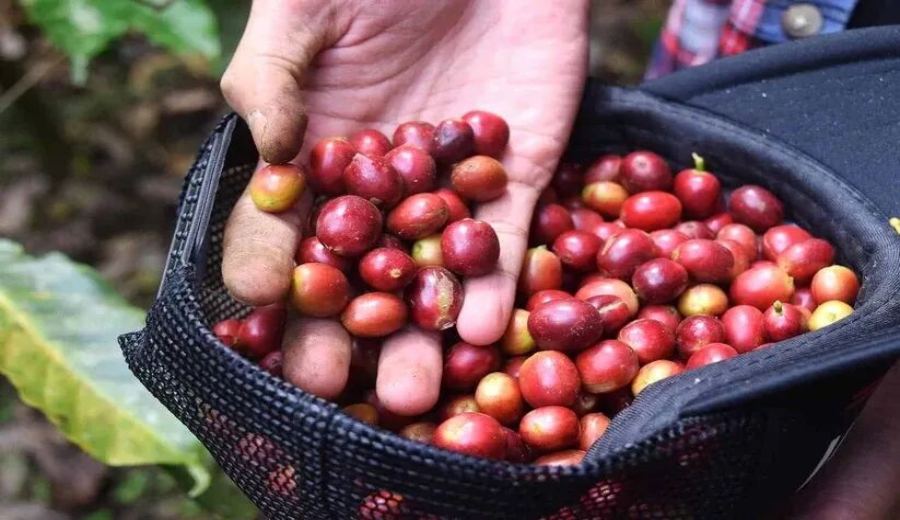
Mandheling is not a specific coffee variety but rather a general term for Arabica coffee from Sumatra. Due to a historical misunderstanding, coffee from this island was sold under the name “Mandheling” and gained immense popularity, eventually becoming synonymous with the region’s product.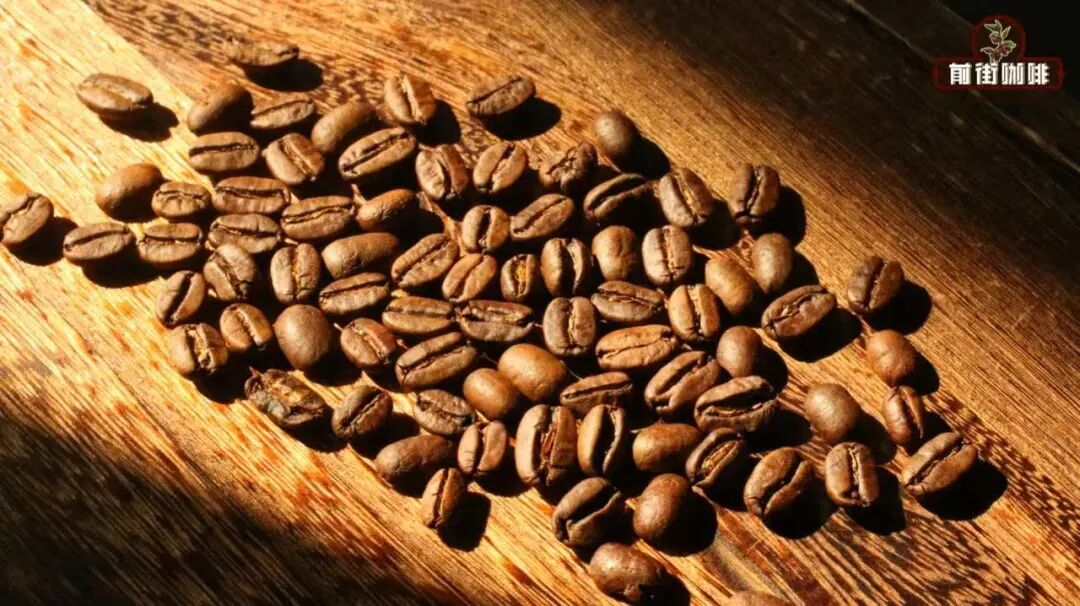 Coffee cultivation in Sumatra dates back to the 18th-century Dutch colonial period, primarily concentrated around Lake Toba (the Lintong region) and Lake Tawar (the Gayo Mountains region) at altitudes of 1,100–1,600 meters. These areas are the source of both local-grade Mandheling and Golden Mandheling.
Early Dutch settlers introduced traditional varieties such as Typica and Bourbon, but after widespread coffee leaf rust outbreaks, they switched to more disease-resistant hybrid varieties. Today, the island commonly grows Ateng (Indonesian Catimor) and TimTim (Indonesian Timor), which contain Robusta genes and naturally exhibit herbal and woody tones, forming the foundational flavor profile of Mandheling.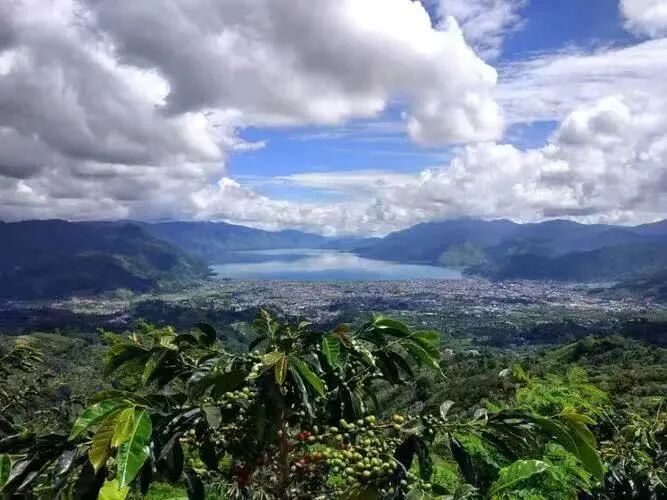
The key turning point lies in Indonesia’s uniquewet-hulling process: First, the fruit skin and pulp are removed and washed, then the mucilage-covered beans are sun-dried to a moisture content of 30–40% (over about 3–4 days). Next, a hulling machine removes the semi-hard parchment layer, and the beans are dried to a final moisture content of 12–13%.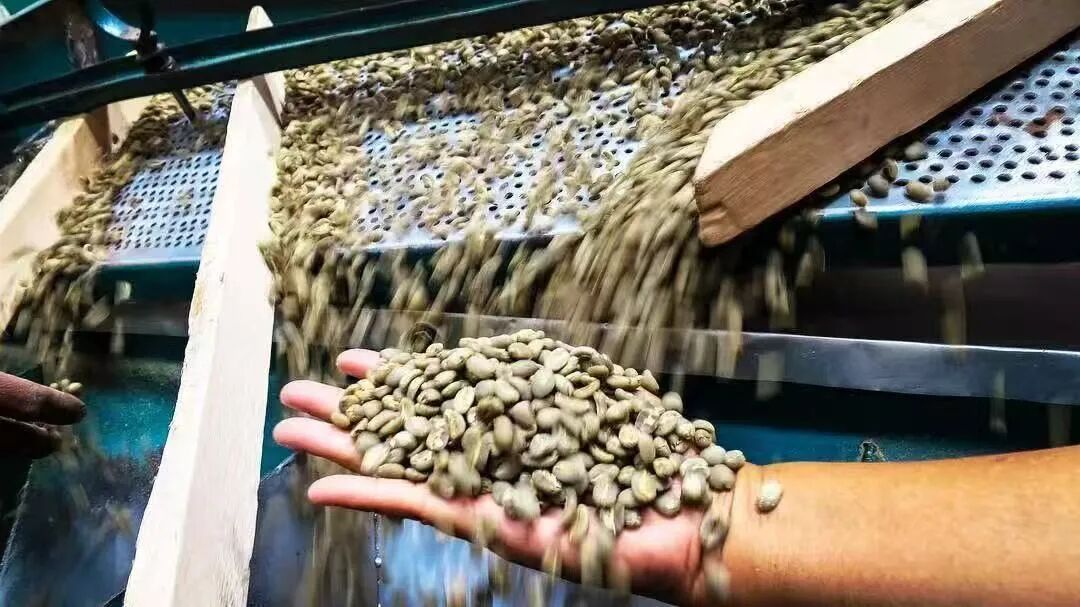 This method shortens the drying time to suit the humid climate, but operational flaws can intensify herbal flavors—semi-hard beans are prone to cracking during mechanical hulling, and sun-drying on cement floors leads to dust contamination. These factors collectively contribute to a strong herbal character.
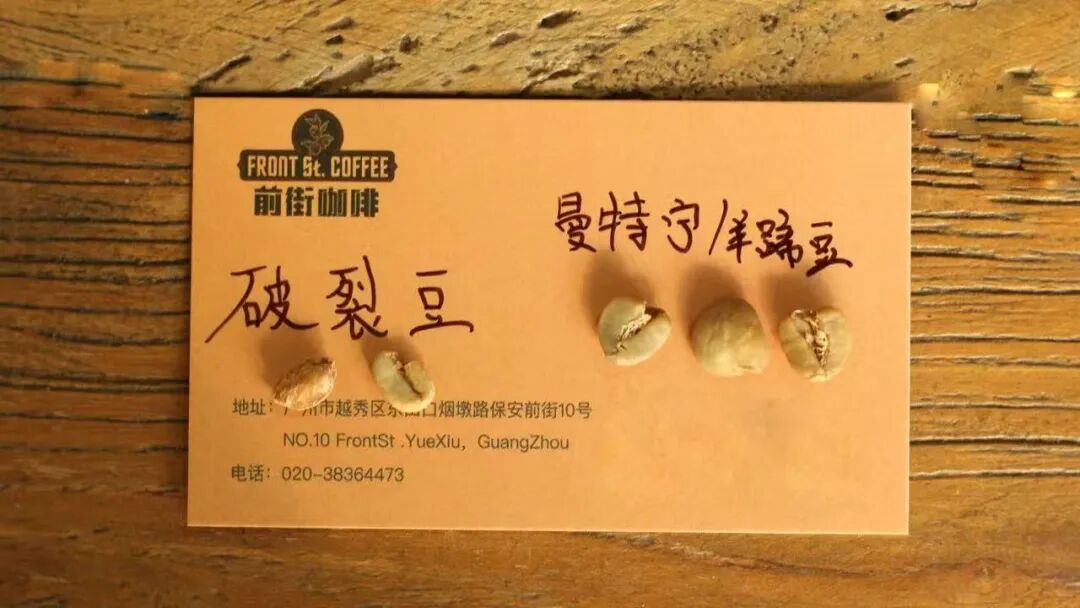
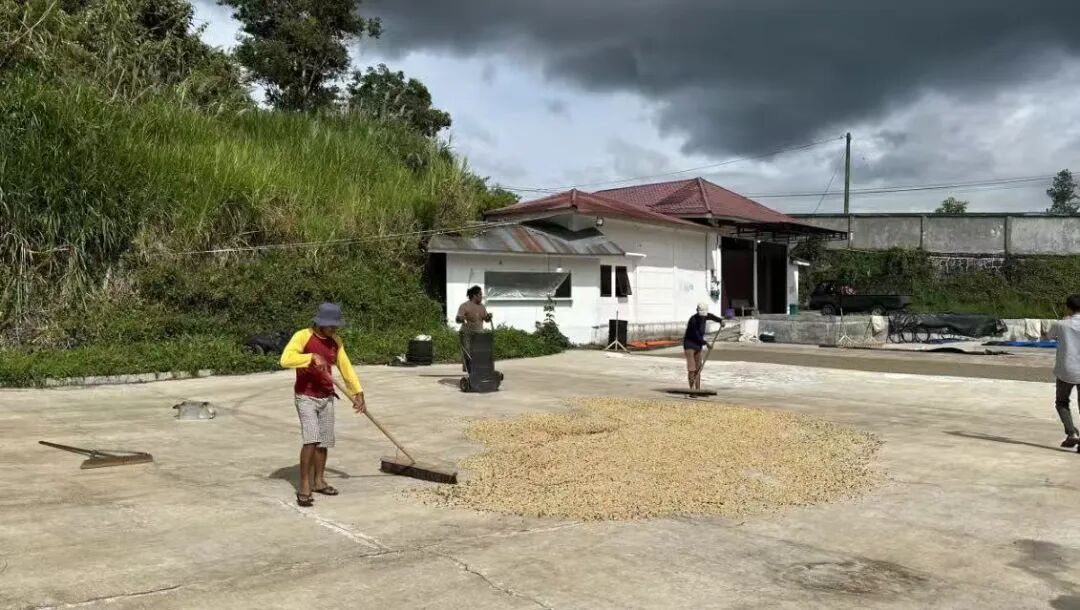
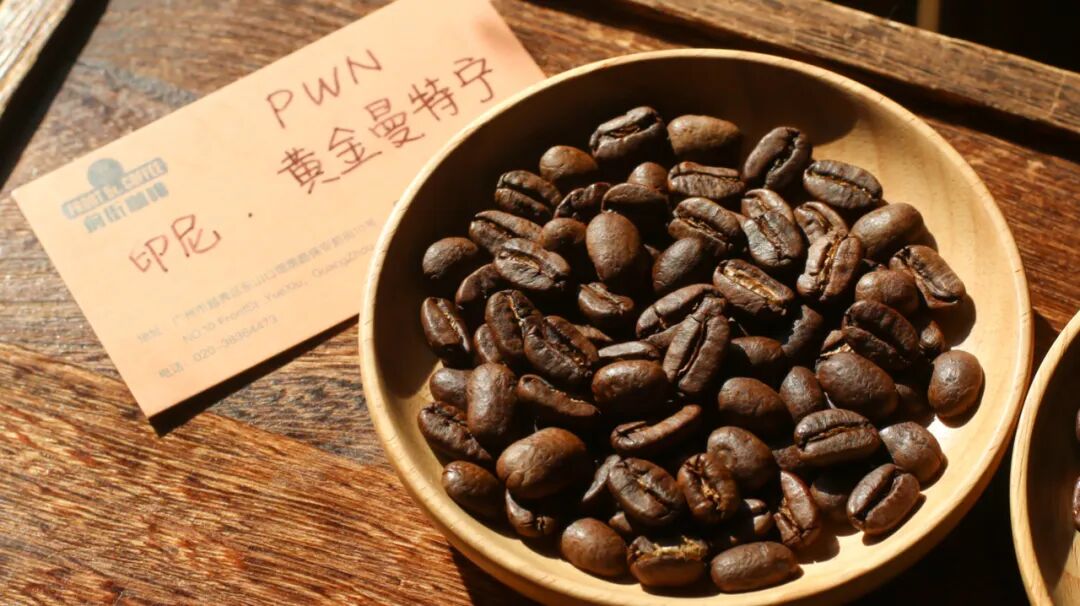
Recent changes in flavor are due to advancements in processing techniques: increasing the drying height to avoid ground contamination, regularly turning the beans for even drying, and strictly removing defective beans. These measures significantly reduce impurity interference.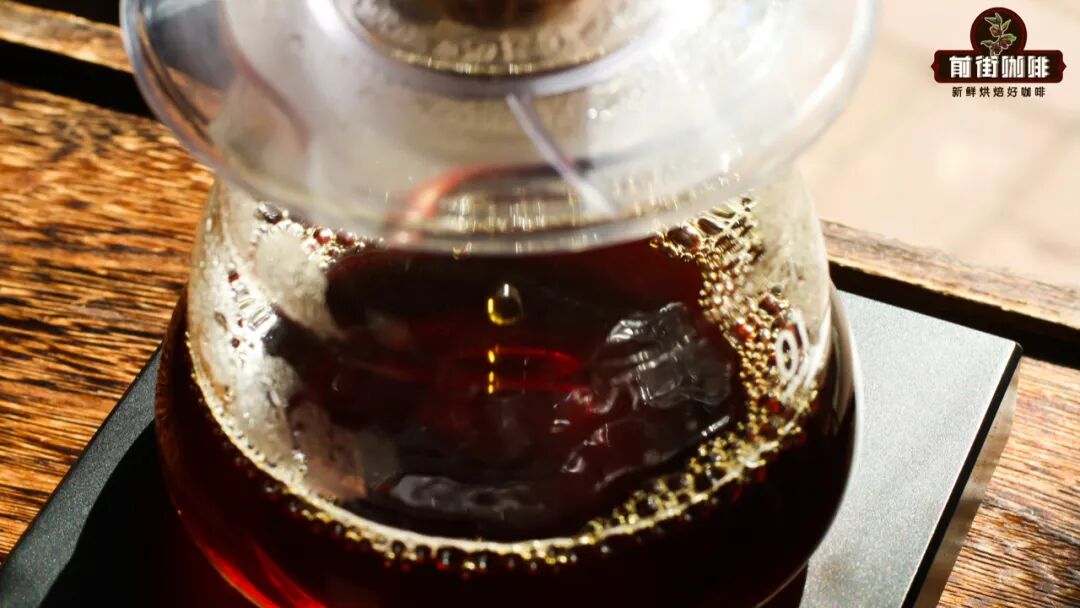 Take PWN Golden Mandheling as an example: it uses the Ateng variety, which has less Robusta heritage, and undergoes three rounds of manual sorting to eliminate defective beans, resulting in a clean, muted aroma and chocolatey notes, with almost no traditional herbal taste.
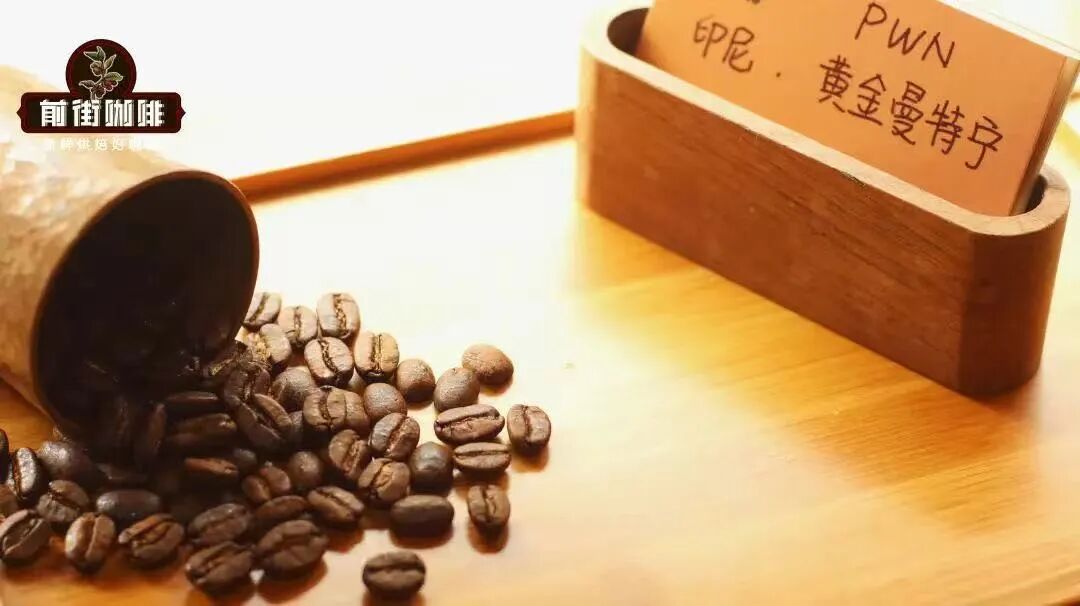
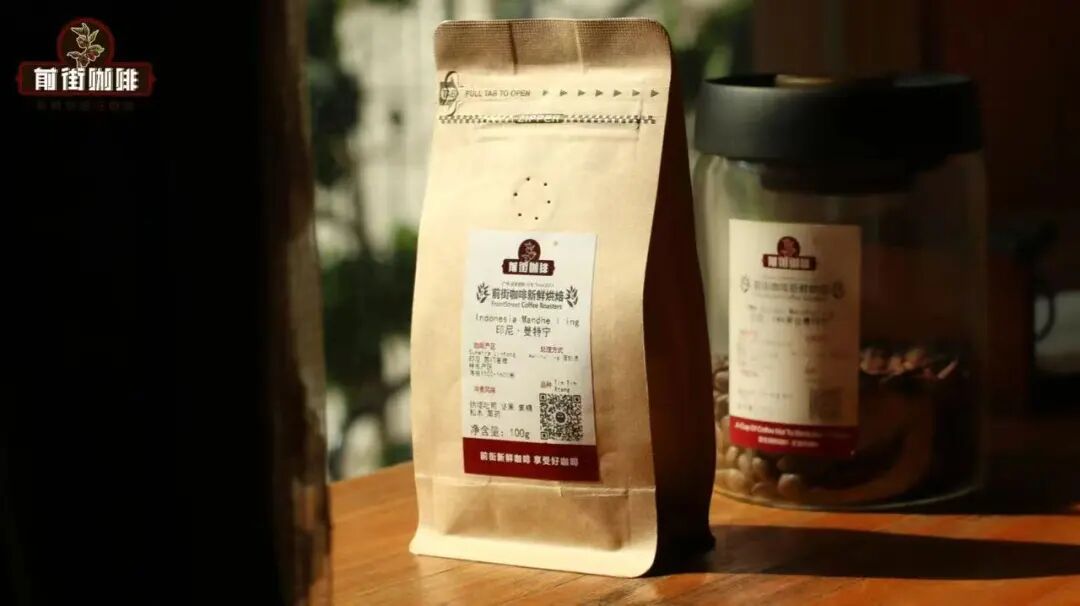
There are many variations of “Golden Mandheling” on the market, but only the authentic product from PWN holds a trademark certification from 2003. When purchasing, you can request to see the jute sack and certificate bearing the PWN logo for verification. High-quality batches should exhibit low herbal notes and high body.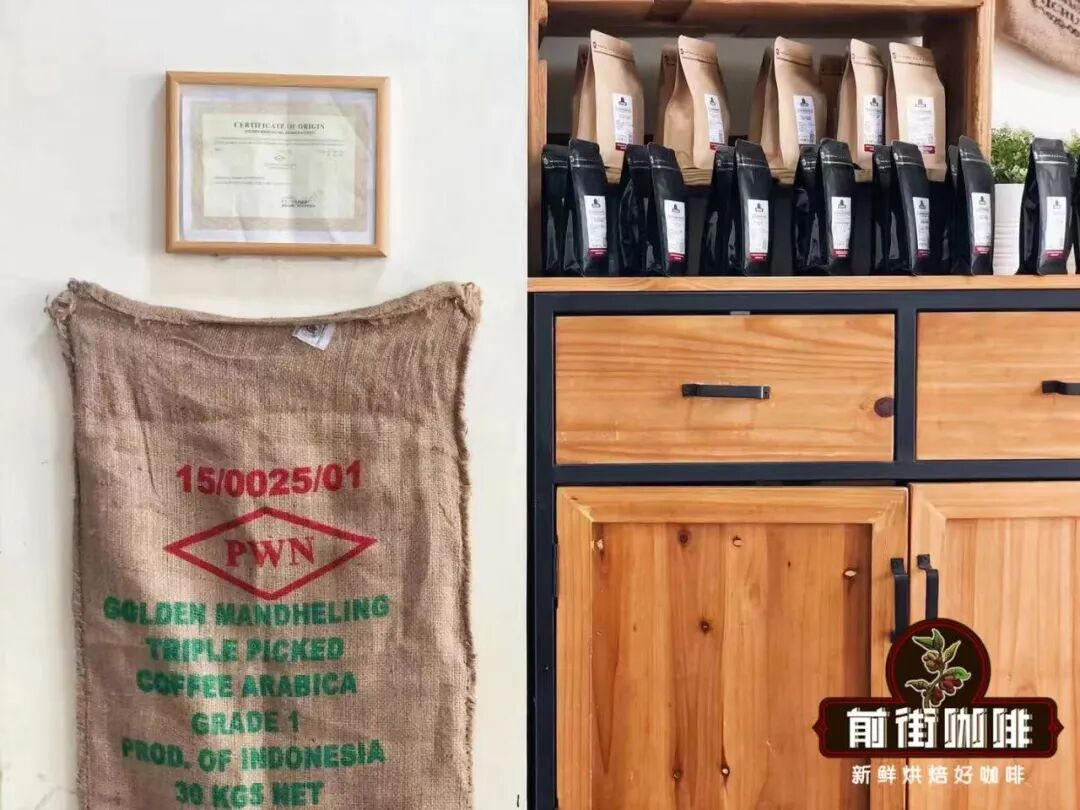
The above content is compiled by CoffeeHunters, a coffee news website.

