







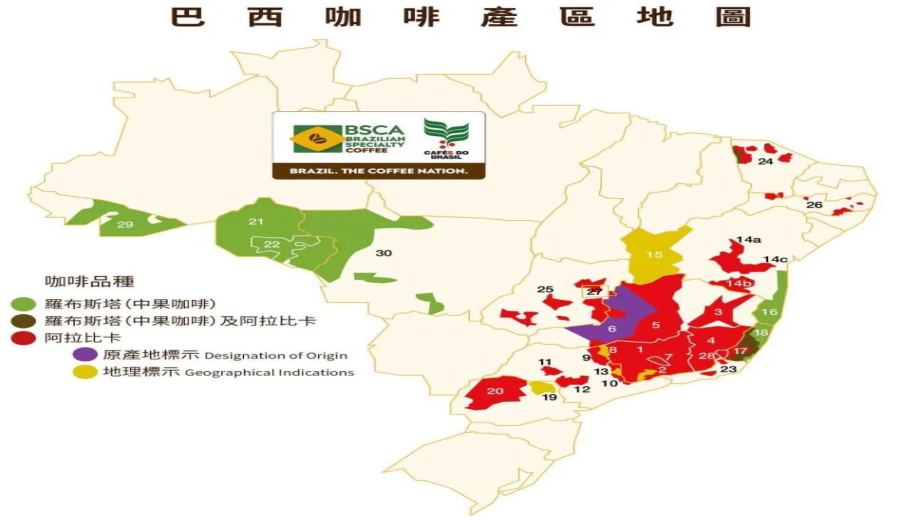
Introduction:Delve into the unique characteristics of Brazil—the world’s largest coffee-producing country—its regional profiles, grading system, and flavor wheel. From large-scale cultivation on the plains to high-altitude specialty zones, explore the distinctive charm of Brazilian coffee beans and master the ideal brewing methods and parameter settings.
As the global coffee production champion for many consecutive years, Brazilian coffee is known for its full body, low acidity, and exceptional balance, making it the preferred base bean for many Italian-style blends. Whether you prefer intense flavors or seek stable taste profiles, Brazilian beans offer delightful surprises for every coffee enthusiast.
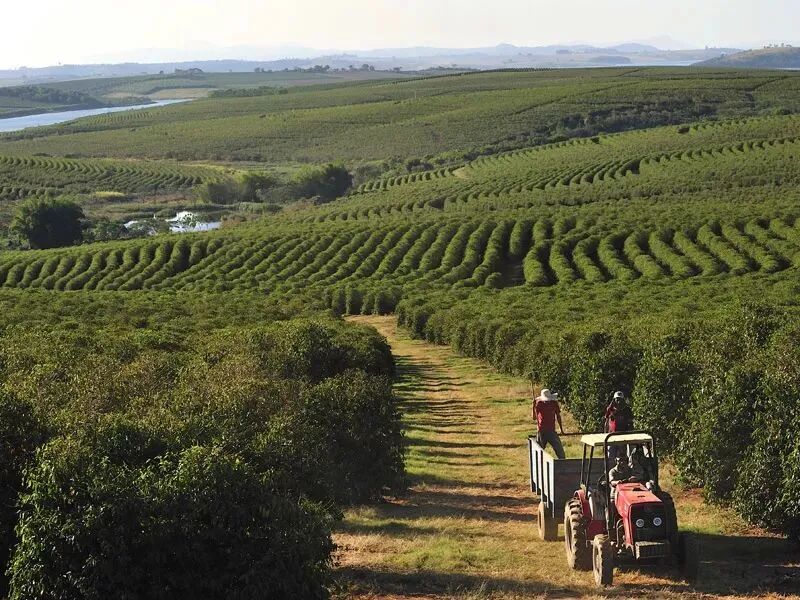
Most of Brazil’s coffee farms are located in low-altitude plains and plateau regions. Compared to the bright acidity and complex layers found in high-altitude regions, Arabica varieties here develop a rich, smooth profile with pronounced sweetness under flat terrain and abundant sunlight. Due to environmental constraints, Brazilian coffee farmers early on selected sun-resistant varieties adaptable to flatlands and introduced mechanized harvesting, significantly boosting production efficiency.
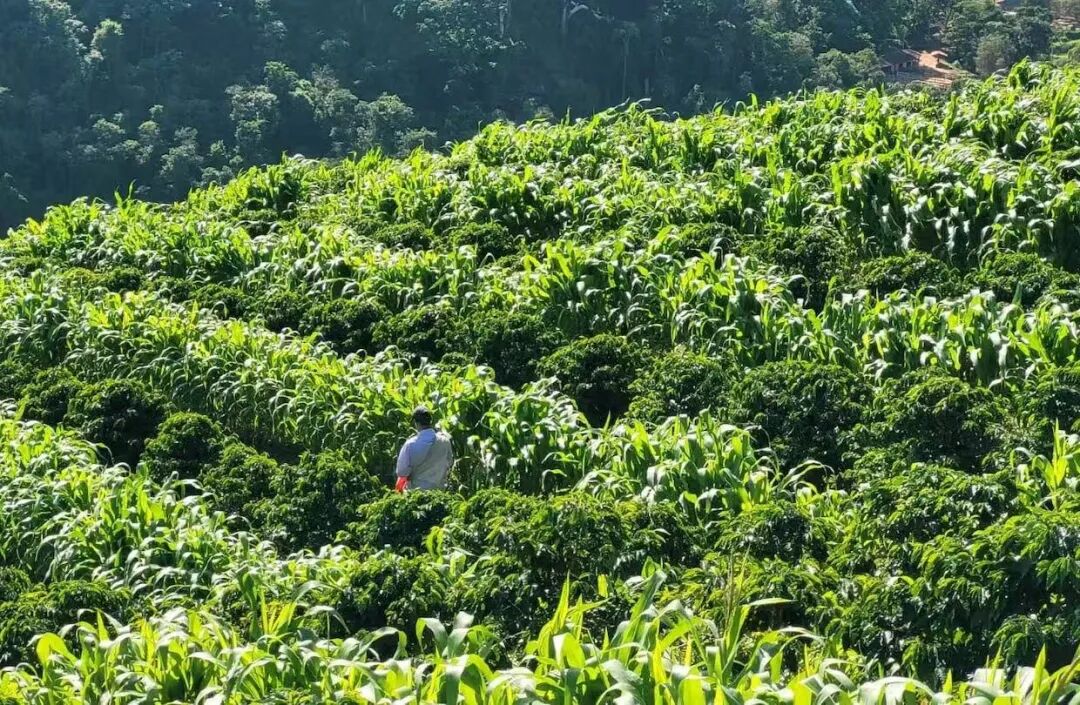
Tracing back to 1720, Brazil’s coffee story began with a diplomatic anecdote—when a Portuguese officer stationed there established a friendly relationship with the wife of the French Guiana governor, successfully importing contraband coffee seeds into the country. These seeds from northern South America quickly adapted to Brazil’s soil and climate, spreading from the north to southeastern São Paulo State. By 1845, Brazil’s coffee exports accounted for 45% of the global total, becoming a key economic pillar of São Paulo.
Brazilian coffee-growing regions are primarily located on the Brazilian Plateau (above 500 meters) and plains (below 200 meters), spanning 17 states nationwide. Seven major producing regions contribute 98% of the output, including São Paulo, Paraná, Bahia, Espírito Santo, Minas Gerais, Rondônia, and Rio de Janeiro. Notably, Minas Gerais, São Paulo, Bahia, and Espírito Santo alone account for 90% of exports.
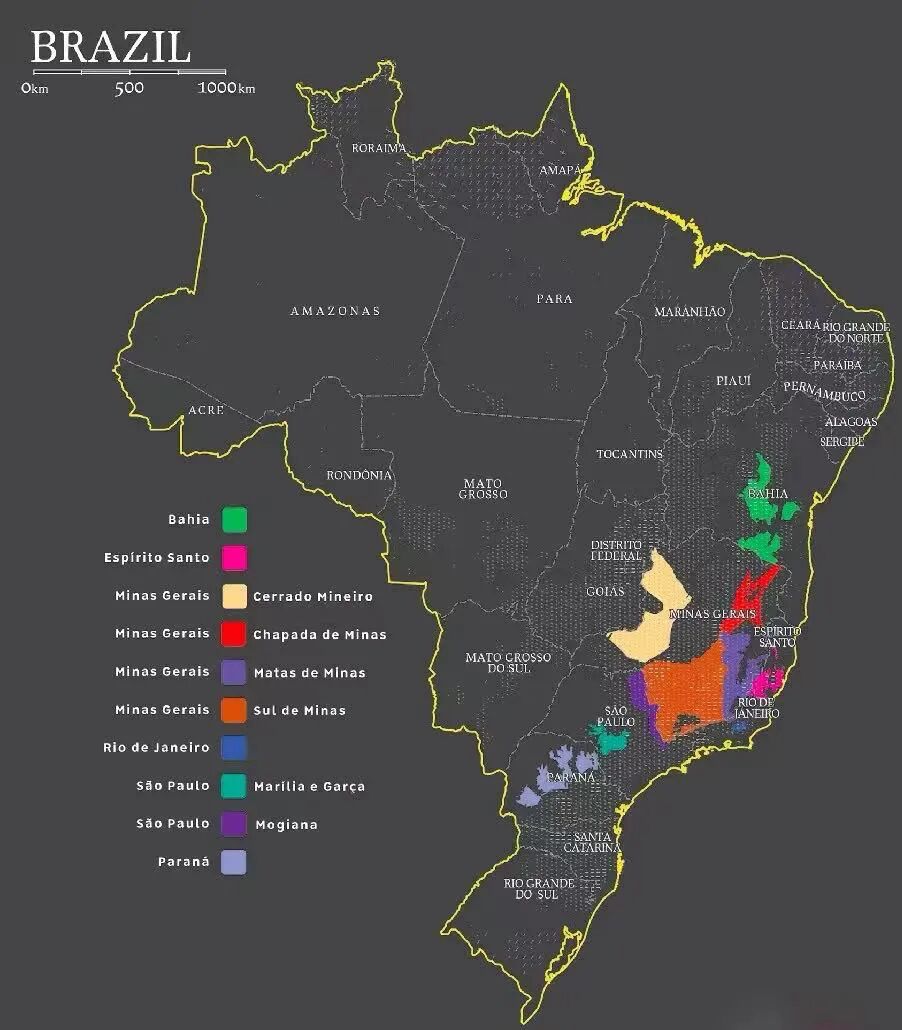
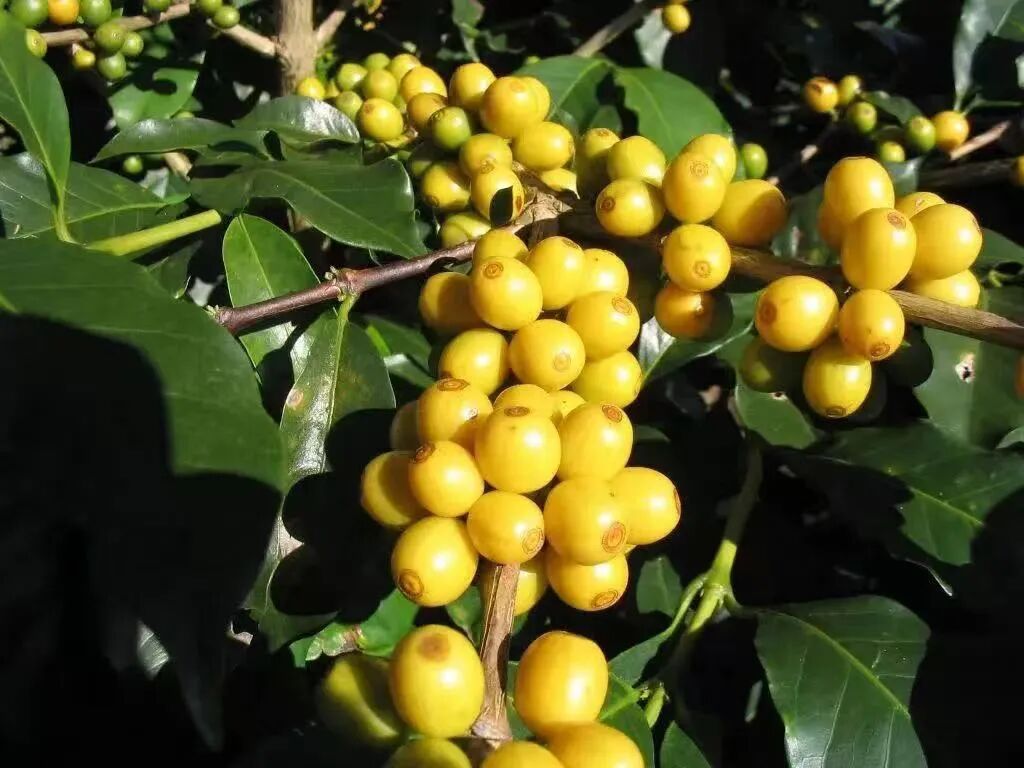
Although Brazil dominated the global coffee market in the 1920s, with production now more dispersed and other regions rising, specialty coffee today focuses on three core areas: Mogiana, Cerrado, and Sul de Minas. Among them, Sul de Minas lies on rolling hills at 700–1200 meters altitude, featuring significant day-night temperature variations and diverse microclimates—particularly suited for Bourbon and Yellow Bourbon varieties. In recent years, it has consistently stood out in Brazil’s Cup of Excellence competitions.
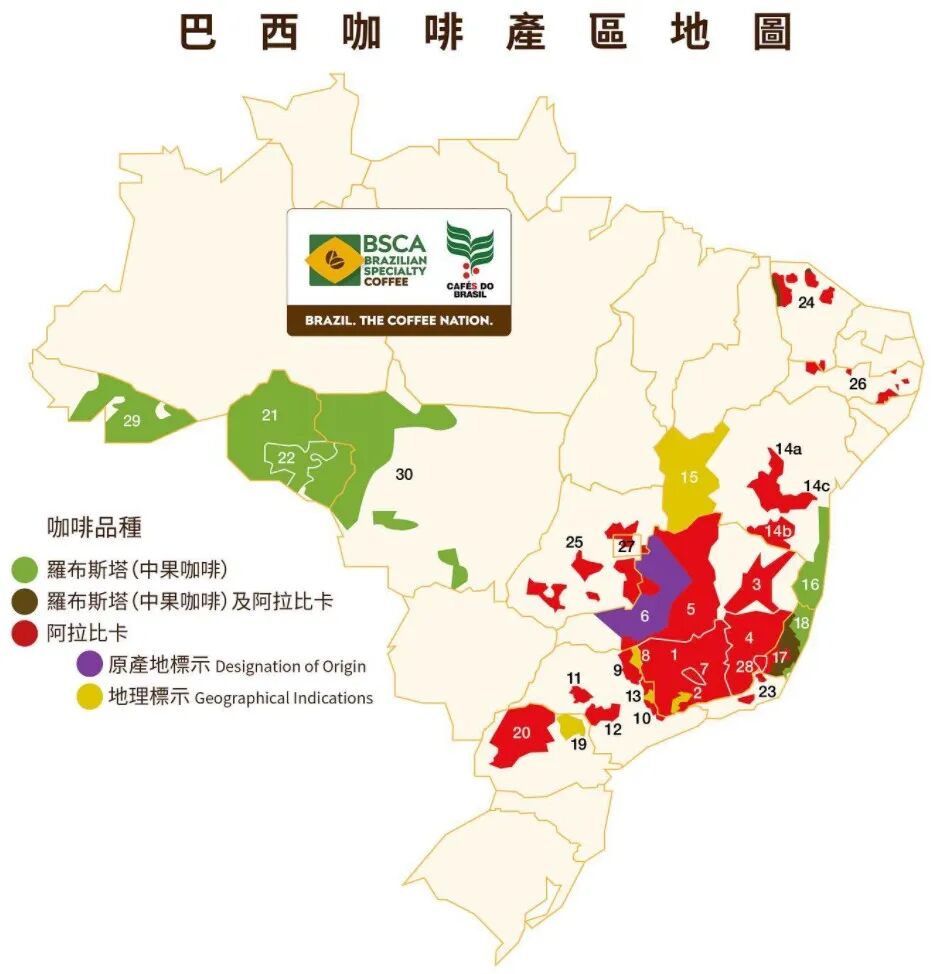
As the country’s largest producing state, Minas Gerais encompasses four renowned sub-regions: Cerrado, Sul de Minas, Chapada de Minas, and Matas de Minas. The Cerrado region, named after the savanna ecosystem, features flat terrain and a concentrated harvest period, making it a hub for large-scale farms. Most exporters have invested in coffee plantations exceeding 10 hectares here. The other three regions, constrained by terrain, still rely mainly on smallholder manual harvesting. Additionally, the state’s southeastern mountainous areas above 1000 meters can also produce high-quality coffee, while most central-northern regions focus on commercial-grade production.
Located on the western edge of Minas Gerais, Cerrado is a flat plateau ranging from 750–1200 meters, with its prime zone between 1100–1300 meters. Here, fertile soil and stable climate yield coffee celebrated for its pronounced sweetness, full body, and minimal earthy notes. The representative Brazilian beans from this region showcase distinct tropical fruit tones and exceptional balance.
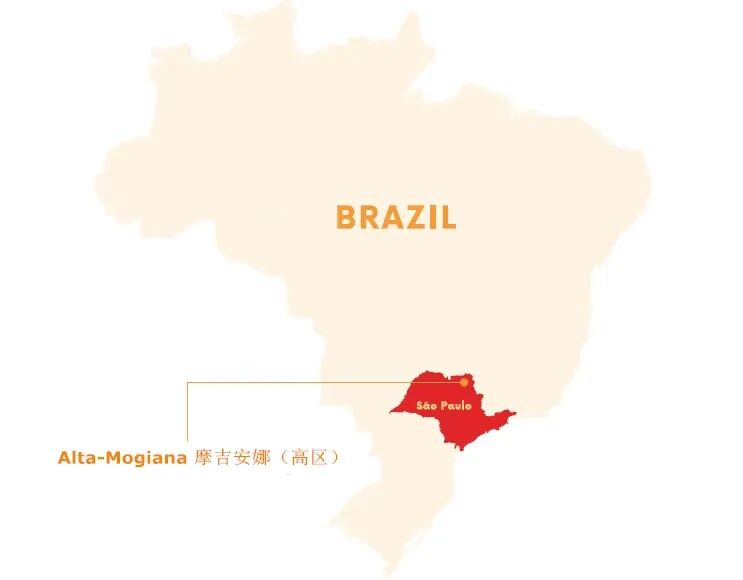
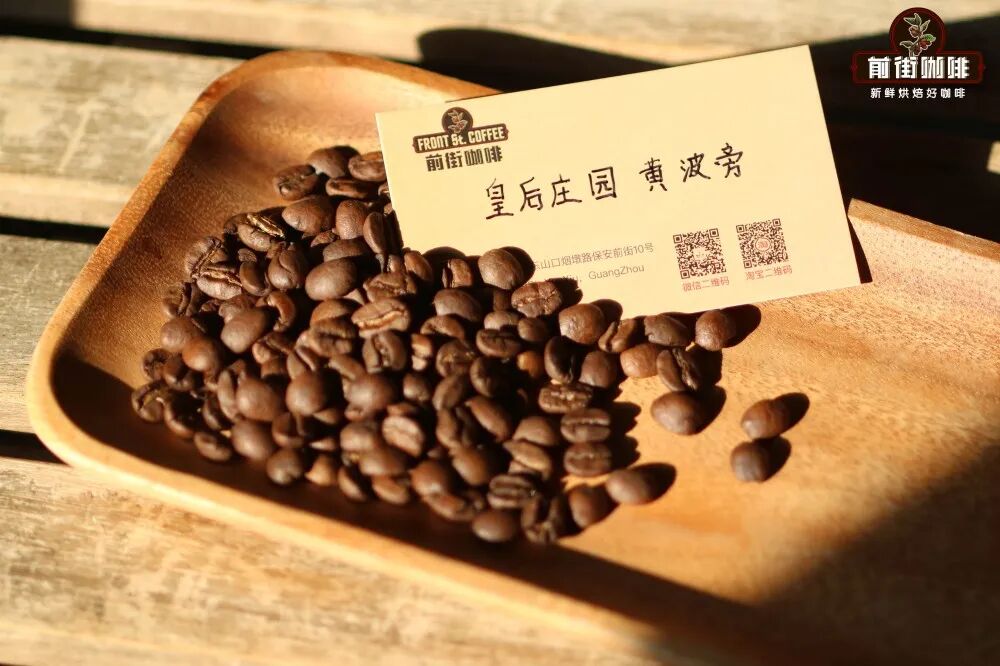
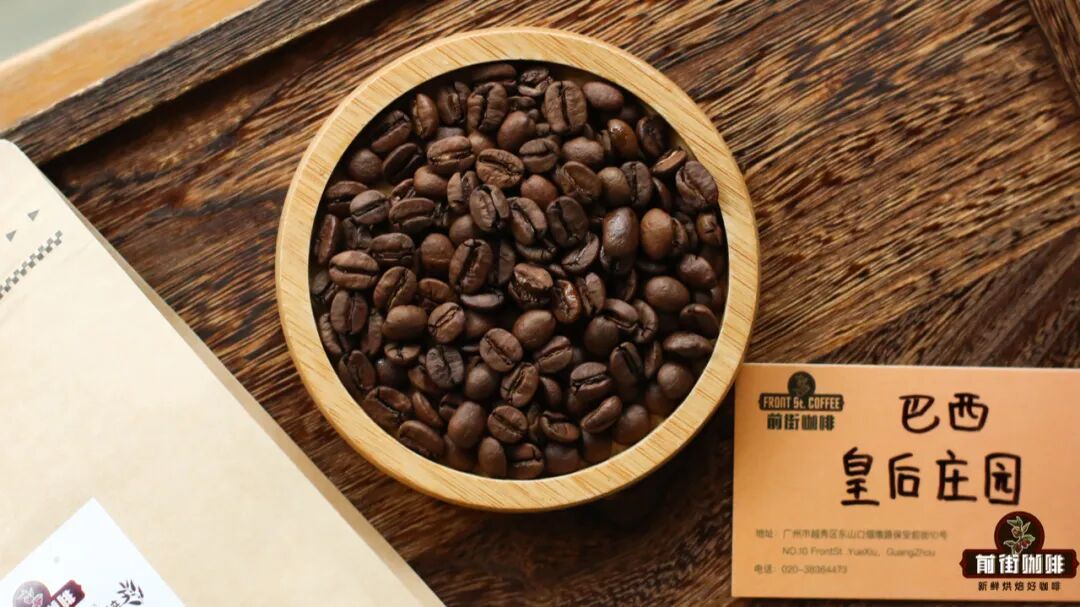
Beyond its historic Mogiana region, São Paulo State was also a key driver of coffee industry expansion through its railway system. Mogiana sits at 900–1100 meters with an average annual temperature of around 20°C. Its hilly terrain contributes to excellent sweetness and balance, and most farms here still maintain traditional manual harvesting. The famed Queen Estate coffee from this area is known for its sugarcane-like clarity and high balance, exuding captivating tropical fruit aromas.
Brazil’s coffee grading system is uniquely distinctive. Unlike high-altitude countries like Colombia that emphasize the “hard bean” concept, Brazil’s system comprehensively evaluates bean size, defect rate, cupping score, and flavor profile. Inspection agencies sample 300g of beans, assessing defects, bean dimensions, and cupping results, then label the information on sacks. For example, “Brazil NY.2 SC – 17/18 FC Cerrado” indicates beans from the Cerrado region, sized 17–18 mesh, with soft characteristics (SC), excellent cup quality (FC), and a defect rating of NY.2.
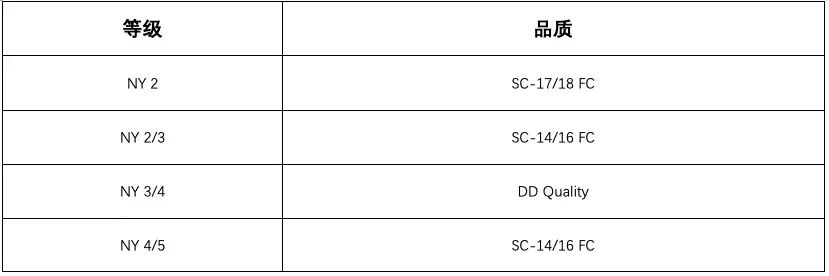
Defect grading follows the New York standard (NY), where lower values indicate fewer defective beans. NY.2 is the highest grade (with deductions below 4 points), while theoretically flawless NY.1 is not a standard due to supply instability. Flavor evaluations are categorized as Strictly Soft (extremely mild, abbreviated SC), Soft, Softish, Hard, and Rioy, with cup quality descending from Fine Cup (best) to Good, Fair, Poor, and Bad.
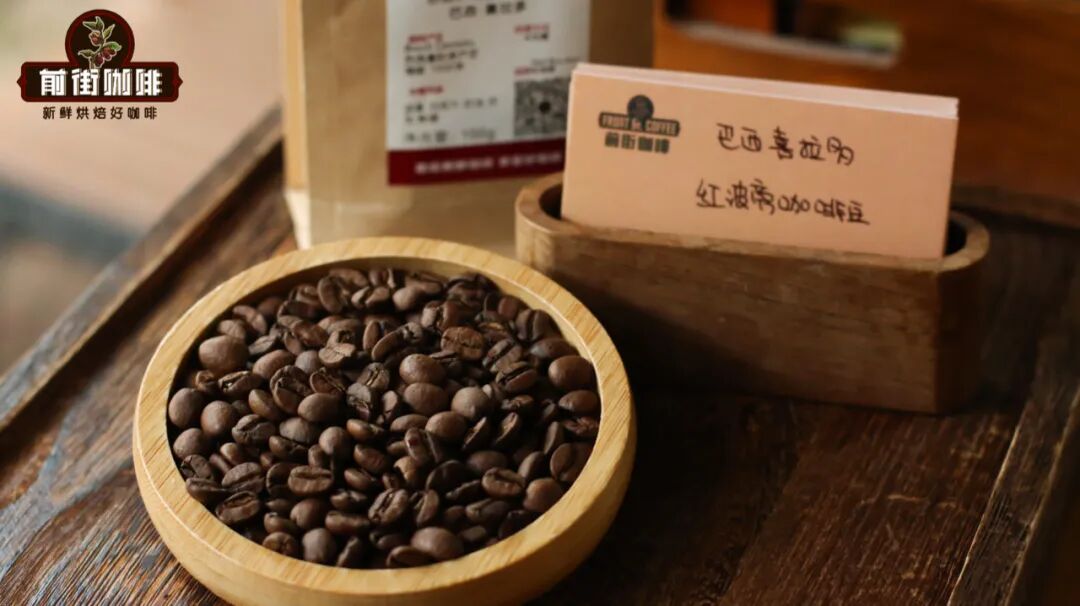
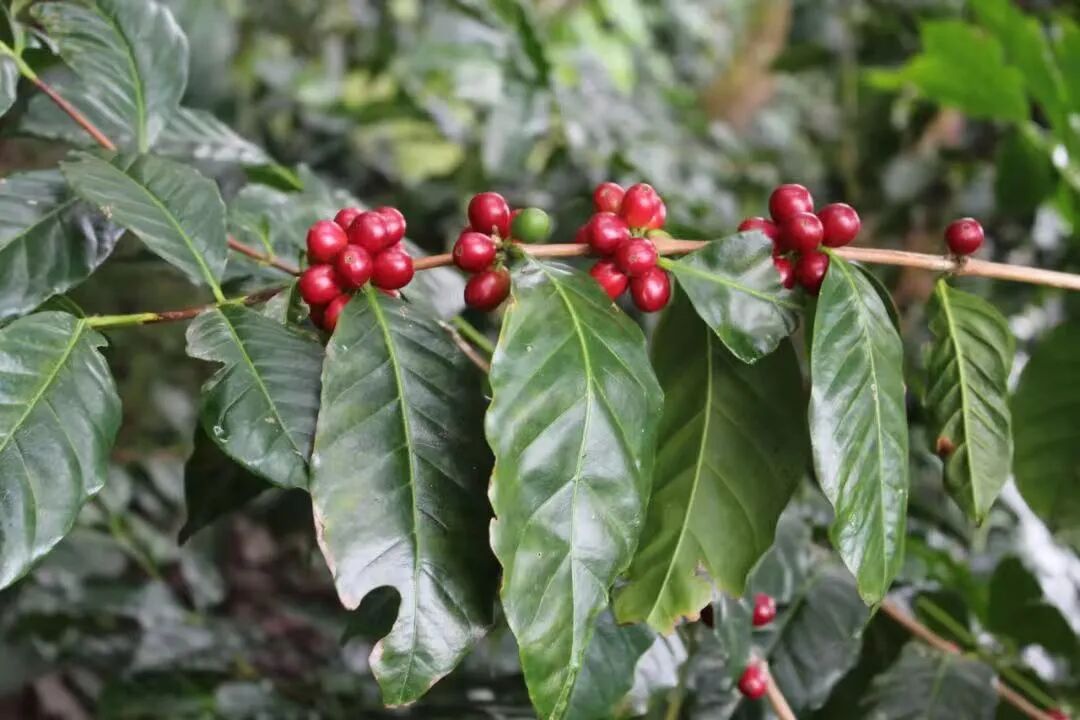
Brazil primarily cultivates Arabica and Robusta. Arabica specialty beans are concentrated in São Paulo and Minas Gerais, while Robusta is found in Espírito Santo, Bahia, and Rondônia. Key varieties include Red Bourbon, Yellow Bourbon, Mundo Novo, and Catuai: Bourbon, an ancient mutation, features round fruits and high density. In high-altitude environments, it excels in sweetness and rust resistance over Typica but requires shade cultivation. Yellow Bourbon, a hybrid of Bourbon and yellow-fruited Typica, ripens into rare yellow fruits and has earned multiple Brazil Coffee of Excellence (CoE) awards, with finer flavor nuances than Red Bourbon. Catuai, a dwarf hybrid of yellow-skinned Caturra and Mundo Novo, adapts well to varied altitudes, performing especially well above 800 meters, yielding both red and yellow fruits. Mundo Novo, a natural cross between Bourbon and Sumatra, boasts strong disease resistance and stable yields, though its tree height exceeds 3 meters, making mechanical harvesting difficult. Regular pruning is needed to maintain manageability.
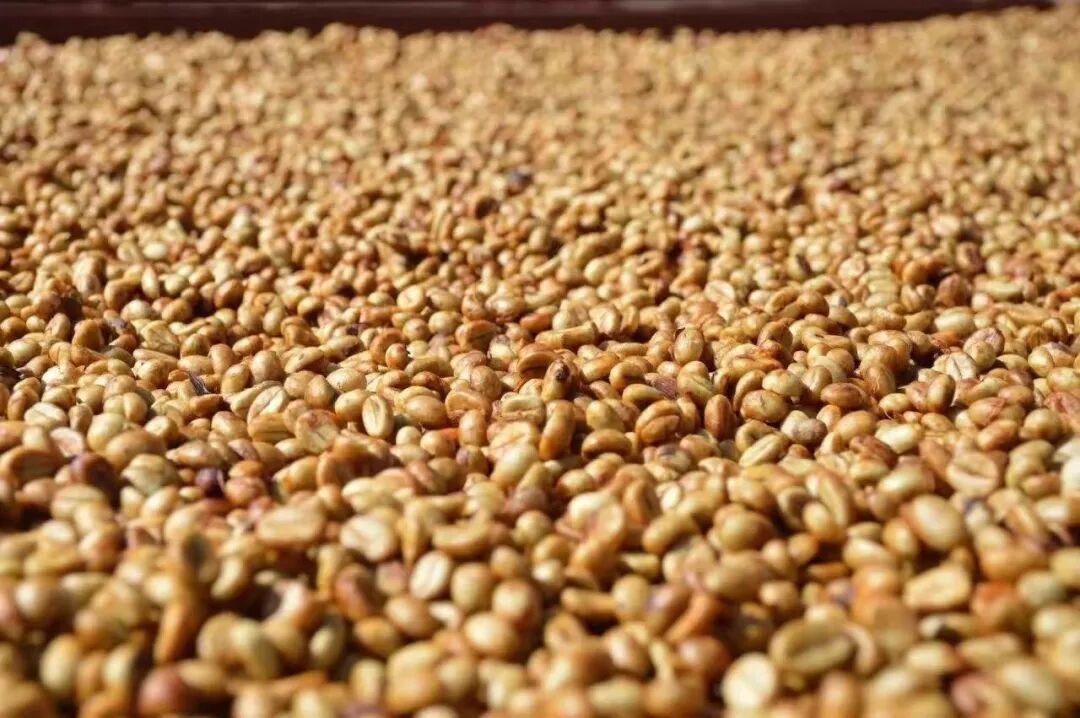
Brazil’s common semi-washed processing method (pulped natural) is an innovative technique where the coffee cherry’s skin and pulp are first removed, then fermentation is carefully controlled for the mucilage-covered beans. Compared to traditional sun-drying (fully exposing beans with mucilage), this method precisely regulates flavor development while avoiding the soaking and rinsing steps of washed processing, proceeding directly to sun drying. This process imparts unique sweetness and fullness to the beans, making them an ideal base for Italian-style blends to balance acidity and enhance mouthfeel.
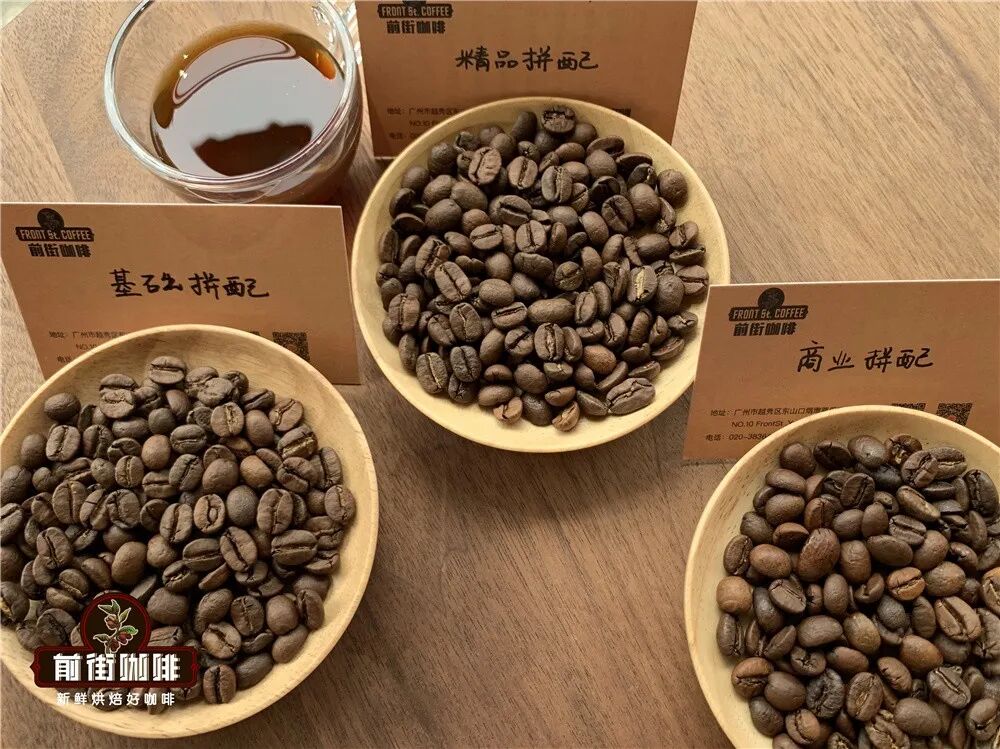
Specialty-grade Brazilian coffee is prized for its low acidity and high body, often developing nutty, cocoa, chocolate, and toasted bread notes after roasting. With smooth texture and layered complexity, it’s widely used in espresso blends as a flavor stabilizer. Classic blends like Specialty Blend, Black Cocoa Blend, and Commercial Blend all center on Brazilian beans, extracting golden, oily crema and rich roasted aromas. When brewed as Americano, it’s bold and full-bodied; paired with milk, it transforms into silky, velvety latte textures.

To fully highlight Brazilian coffee’s balanced richness, pour-over (e.g., hand drip) extraction is recommended. Suggested parameters: Kono filter, 88°C water, 15g coffee, 1:15 brew ratio, medium-fine grind (75% through a 20-mesh sieve per Chinese standards). Adjust water temperature and grind size slightly based on personal taste preferences to emphasize specific flavor notes.
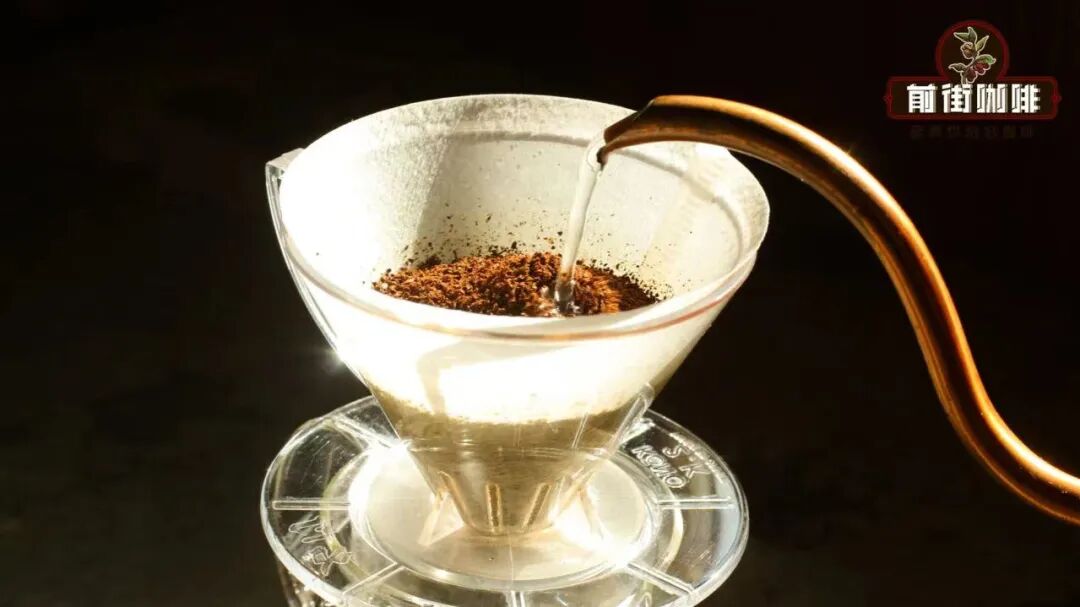
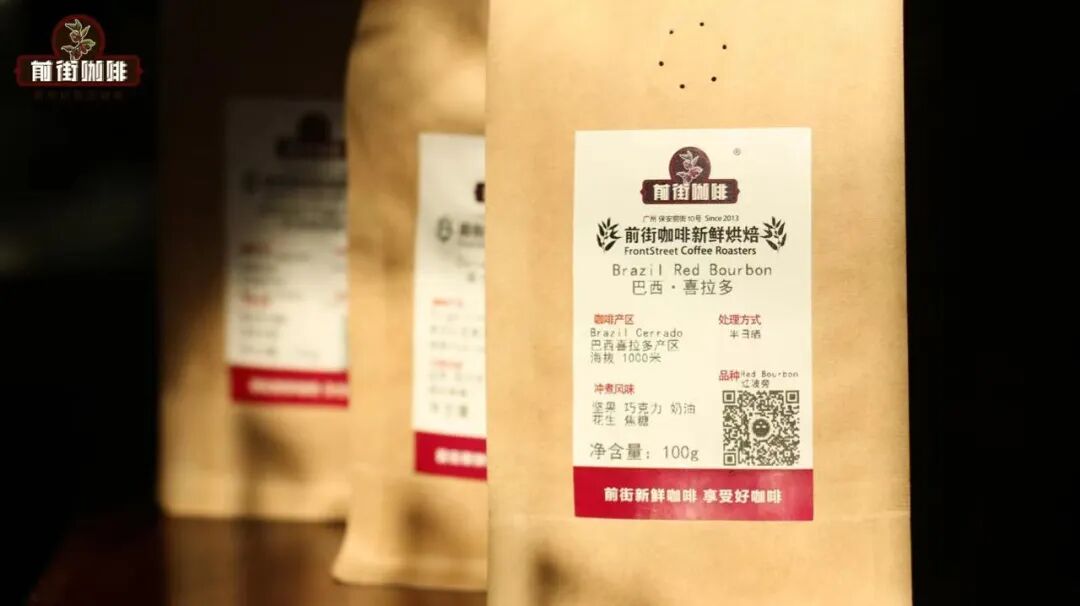
Hands-on testing shows Brazilian Cerrado coffee exhibits distinct nutty, caramel, and peanut notes, complemented by gentle acidity and a dense chocolate finish. Queen Coffee delivers a full-bodied nutty aroma throughout, with clear dark chocolate layers emerging mid-to-late, resulting in an overall crisper, rounder mouthfeel—ideal for coffee lovers who favor low-acid, full-bodied profiles.

The above content is compiled by CoffeeHunters, a coffee news website.

