







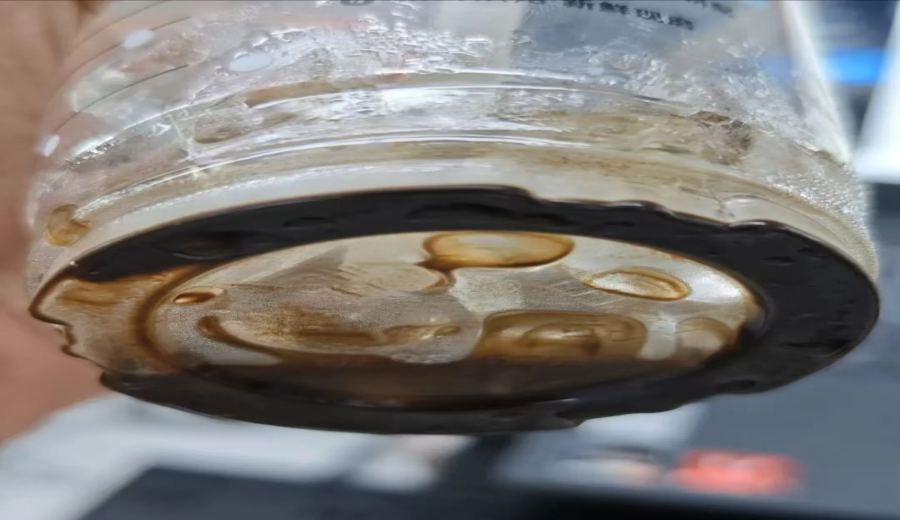
Introduction:Recently, many consumers have noticed that after drinking Luckin’s cold brew coffee, there is a noticeable sediment of coffee grounds at the bottom of the cup, which affects both taste and overall experience. According to store employees, the issue may stem from the quality of the filter bags and the filtration method. This article delves into how the material of the filter bags, grind size, and filtration steps during the cold brew process affect the final product quality, and offers practical advice to help readers understand the underlying causes and possible improvements.
With summer arriving, cold brew coffee has once again become a refreshing choice for many consumers. After Luckin’s cold brew series was relaunched in stores nationwide, it attracted a significant number of customers. However, recently, multiple consumers reported that after drinking, they found a large amount of coffee grounds settled at the bottom of the cup, resulting in a noticeable powdery texture in the taste—some even described it as “like drinking mud soup.” This phenomenon quickly sparked discussions on social media, also raising the question: why would a cold brew coffee, which should be smooth, have such obvious sediment?
Photos shared by consumers show that in some cases, the coffee grounds at the bottom of the cup almost cover the entire base, visually resembling undissolved chocolate sauce. Not only is the appearance unappealing, but the drink also has a distinct grainy feel, leading to concerns about whether something went wrong during the brewing process. In fact, while cold brew coffee may normally retain a small amount of extremely fine powder, such a significant amount of sediment is not common, thus raising doubts about Luckin’s production process.
In response to this wave of consumer feedback, several Luckin store employees explained via operation videos that they followed the company’s standard procedures. The issue may lie with the filter bags used for filtration. It is understood that Luckin requires employees to place the coffee grounds into the filter bag, add cold water, and stir to ensure the powder is fully saturated, then let it steep for about 18 minutes before lifting the filter bag to separate the coffee liquid. However, some stores use filter bags made of relatively ordinary materials, allowing fine particles to pass through the bag along with the coffee liquid.
If employees squeeze the filter bag to speed up the filtration process, it can even lead to a larger amount of fine particles mixing into the coffee. To address this issue, some stores have adopted additional filtration measures on their own, such as using double filter bags. While this can reduce coffee grounds, it also significantly increases production time and labor costs, placing extra burden on store operations.
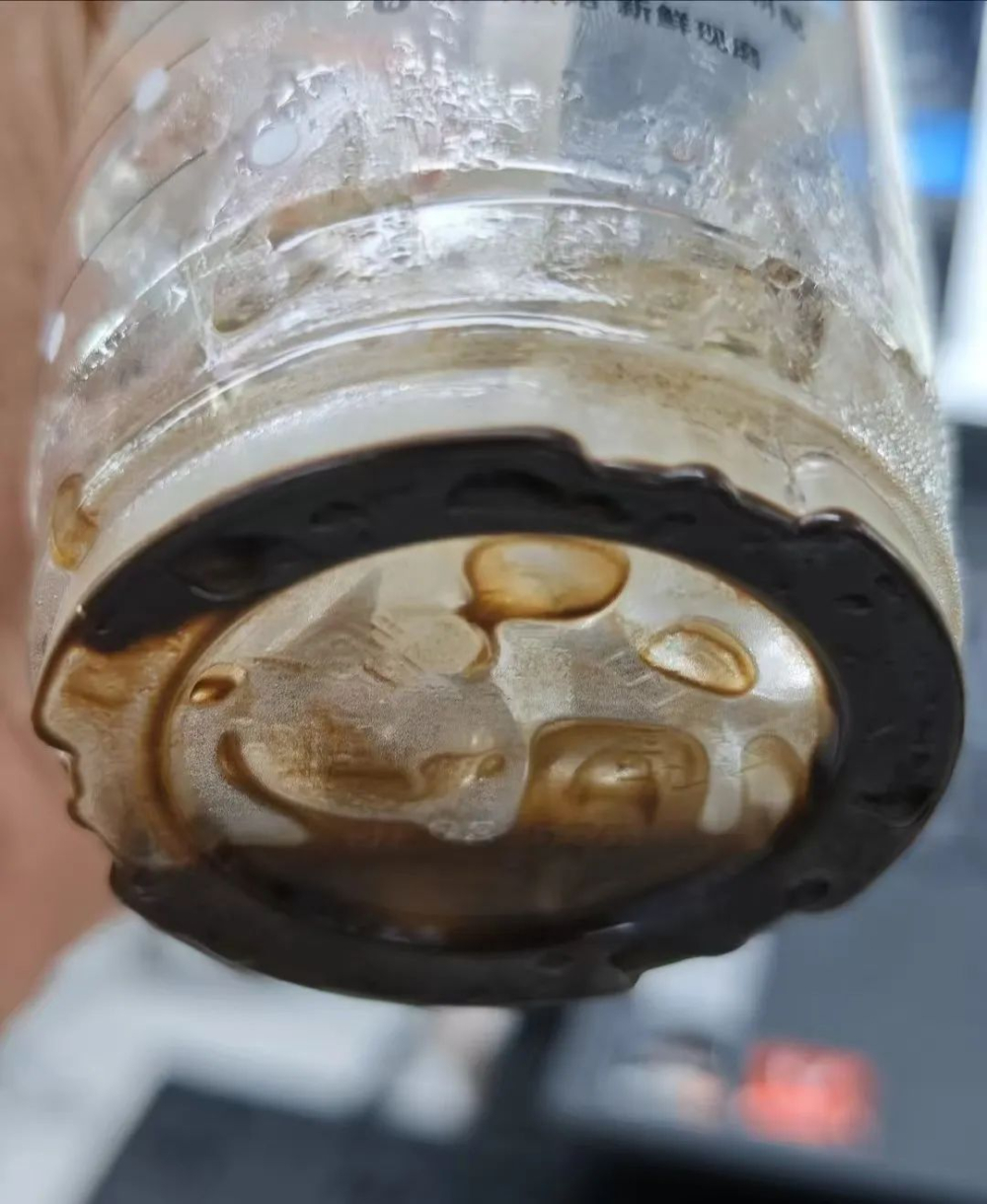
Industry insiders point out that the key to brewing cold brew coffee lies in using coarsely ground coffee beans and steeping them in cold water for an extended period to reduce acidity and bring out rich flavors. However, if the filter bag’s mesh is too large or the material is subpar, fine particles that should remain in the bag can easily end up in the final drink. Ideally, one should use fine and durable filter bags, and ensure that the coffee grind size is moderate to avoid overly fine grinds that make filtration difficult.
Faced with consumer dissatisfaction, some netizens suggest that the brand should optimize the filter bag material or adjust grind parameters to improve the issue at the source. Some employees also admitted that if consumers actively provide feedback through customer service channels, it might prompt the brand to re-evaluate the production process of its cold brew products, or even consider temporarily removing the product from shelves for adjustments.
In summary, the issue of sediment at the bottom of Luckin’s cold brew coffee is mainly related to the quality of the filter bags and the filtration method. When enjoying cold brew, if consumers notice a strong powdery sensation or visible sediment, they may consider providing feedback to the brand to help improve the product experience. For coffee enthusiasts, understanding filter bag selection and brewing details can also help avoid similar issues when brewing at home, ensuring a purer cold brew flavor.
The above content is compiled by CoffeeHunters, a coffee news website.


